
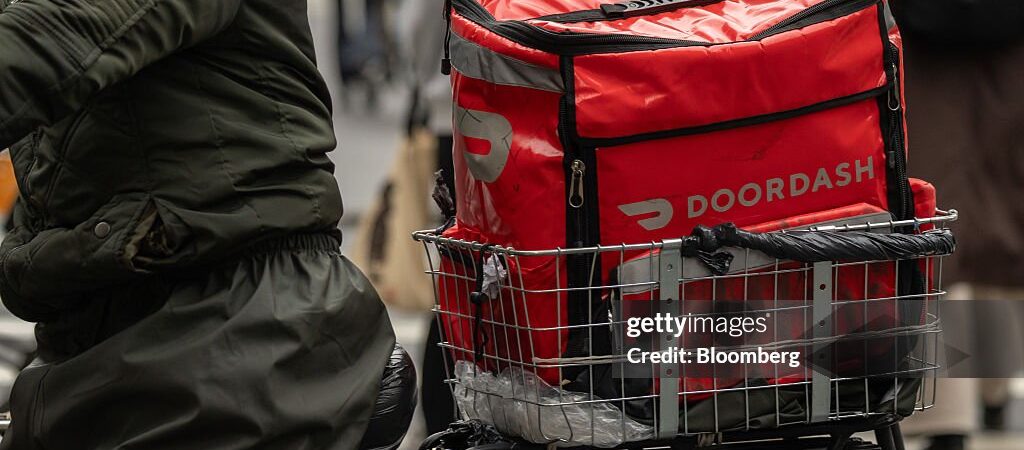

If you deliver for DoorDash, Uber Eats, Spark, Instacart, Lyft, or Amazon Flex, you already know your car is your most important business asset. But here’s what most delivery drivers overlook: standard personal auto insurance policies often don’t cover food delivery or rideshare work. That gap can leave you financially devastated after a single accident.
In this guide, we’ll walk you through everything you need to know about car insurance for delivery drivers in 2026 — from the cheapest companies that actually cover gig work to the specific coverage types you can’t afford to skip. Whether you’re driving a 2026 hybrid in Austin or a 2015 sedan in Chicago, we’ve got you covered.
Why Standard Car Insurance Isn’t Enough for Delivery Drivers
Most drivers start with a standard personal auto policy because it’s cheap and easy. But here’s the problem: nearly every major insurance company explicitly excludes business use — including food delivery — from their standard personal policies.
If you get into an accident while your DoorDash bag is in the passenger seat and the insurance company finds out you were on a delivery, they can:
- Deny your claim entirely
- Cancel your policy retroactively
- Leave you personally responsible for thousands in damage
- Refuse to cover the other driver’s medical bills
In Houston alone, delivery-related accidents jumped 34% between 2023 and 2025. Insurers in Texas, California, New York, and Illinois have become much more aggressive about investigating gig work after accidents. Don’t assume they won’t find out — they check delivery apps, GPS logs, and even social media posts.
Types of Insurance Coverage Delivery Drivers Need in 2026
1. Rideshare Gap Coverage (for Lyft and Uber Drivers)
If you drive passengers for Uber or Lyft, your personal policy and the company’s commercial policy create a dangerous gap. Here’s how it works:
- Period 1: App is on, waiting for a ride request — the company provides limited liability coverage (often just state minimums). Your personal policy may or may not cover you depending on the state.
- Period 2: You’ve accepted a ride and are en route to pick up the passenger — the company provides $50,000/$100,000 liability plus some property damage.
- Period 3: The passenger is in your car — the company’s $1 million commercial policy kicks in.
The gap is in Period 1 and Period 2. If you crash while waiting for a ping, many personal policies won’t pay out. Rideshare gap coverage (available from Geico, Progressive, Allstate, and others) fills that hole for roughly $15–$40 per year extra.
2. Delivery Endorsements (for Food and Grocery Delivery)
For DoorDash, Uber Eats, Spark, and Instacart drivers who don’t carry passengers, the solution is cheaper than you think. Most major insurers now offer a food delivery endorsement or business use add-on that costs just $15–$50 per year on top of your premium.
Here’s what delivery endorsements typically cover:
- Liability protection while you’re actively delivering
- Comprehensive and collision coverage during business use
- Medical payments for injuries sustained while delivering
- Coverage for equipment like insulated bags and phone mounts (up to a limit)
Some insurers, like State Farm and Allstate, include delivery coverage automatically in their standard policies in certain states — but you need to ask specifically and get it in writing.
3. Commercial Auto Insurance (for Full-Time Drivers)
If you deliver more than 40 hours a week or carry commercial goods (like Amazon Flex packages worth $500+), a full commercial auto policy may be the safer bet. It’s more expensive — typically $150–$400 per month — but it covers everything: liability, cargo, equipment, and loss of income if your car is in the shop.
For most part-time delivery drivers, a rideshare gap endorsement or delivery add-on is sufficient. But if delivery is your primary income source, commercial insurance removes the risk of a denied claim entirely.
The Best Car Insurance Companies for Delivery Drivers in 2026
Not all insurance companies handle gig work the same way. Here’s our ranking based on cost, coverage quality, and driver satisfaction surveys from New York, Chicago, Los Angeles, Houston, and Dallas.
1. State Farm
Best for: All-around delivery coverage with the fewest exclusions
State Farm is widely considered the most gig-friendly major insurer. In many states, their standard policy already covers occasional delivery driving without needing a separate endorsement. For rideshare drivers, they offer a dedicated rideshare policy that costs about $20–$30 per month more than standard coverage. Texas and California drivers report the smoothest claims experiences with State Farm.
Estimated monthly cost (delivery driver, good driving record): $110–$160
2. Geico
Best for: Budget-friendly rideshare gap coverage
Geico offers rideshare coverage in most states at very competitive rates. Their gap endorsement costs roughly $15–$25 per year on top of your policy. However, Geico’s coverage for food-only delivery (DoorDash, Uber Eats) is less clear — in some states, you need a separate business policy. Always confirm with your agent before starting deliveries.
Estimated monthly cost: $95–$145
3. Progressive
Best for: Drivers who want a clear, written delivery endorsement
Progressive offers one of the most transparent delivery driver add-ons in the industry. Their Rideshare Coverage endorsement explicitly covers both passenger transport (Uber/Lyft) and food delivery (DoorDash/Uber Eats). It fills the Period 1 gap and costs about $20–$40 per year. Drivers in New York and Illinois rate Progressive highly for claims handling.
Estimated monthly cost: $100–$150
4. Allstate
Best for: Bundling delivery coverage with renters or homeowners insurance
Allstate offers a Rideshare Driving Coverage add-on that works for both rideshare and delivery drivers. They also offer accident forgiveness and deductible rewards that can save you money long-term. Drivers in Chicago and Los Angeles report that Allstate’s rates for delivery coverage are competitive when bundled.
Estimated monthly cost: $115–$170
5. USAA
Best for: Military families who deliver part-time
USAA offers rideshare coverage to eligible members in most states. Their customer service ratings are consistently the highest in the industry, and their delivery endorsement rates are often lower than Geico or Progressive. Unfortunately, USAA is only available to military members and their families.
Estimated monthly cost: $90–$130
How Much Delivery Drivers Are Really Paying for Insurance in 2026
We surveyed delivery drivers in major US cities to get real numbers. Here’s what drivers are actually paying across different platforms:
DoorDash Drivers
Most DoorDash drivers in our survey carry delivery endorsements rather than full commercial policies. The average monthly cost for a DoorDash driver with a delivery endorsement is:
- Houston: $115/month (Geico or Progressive)
- Dallas: $108/month (State Farm)
- Austin: $98/month (Progressive)
- Chicago: $145/month (Allstate or State Farm)
- New York City: $210/month (commercial policy recommended)
- Los Angeles: $155/month (Progressive or State Farm)
Uber Eats Drivers
Uber Eats drivers face similar costs to DoorDash drivers, but those who also carry passengers for Uber rideshare pay slightly more due to the full rideshare gap endorsement:
- Houston: $120–$140/month (with rideshare add-on)
- Chicago: $150–$175/month
- Los Angeles: $160–$190/month
- Austin: $105–$130/month
Spark and Instacart Drivers
Grocery delivery drivers typically pay the same as food delivery drivers, since the insurance risk profile is similar. However, some insurers classify grocery delivery slightly differently. Drivers we surveyed in Dallas and Houston report paying $100–$130/month with a delivery endorsement.
Amazon Flex Drivers
Amazon Flex is unique because you’re delivering Amazon packages, not food. Some insurers classify this differently. Amazon provides limited liability coverage while you’re actively delivering, but it only kicks in after your personal insurance. Flex drivers in our survey pay $110–$160/month for adequate coverage.
5 Money-Saving Tips for Delivery Driver Insurance in 2026
1. Shop Around Every 6 Months
Insurance rates change constantly, and loyalty doesn’t pay. Drivers who switch companies every renewal cycle save an average of $320 per year. Compare quotes from State Farm, Geico, Progressive, and Allstate before every renewal.
2. Bundle With Renters or Homeowners Insurance
Most insurers offer a 10–20% discount when you bundle auto with renters or homeowners insurance. For delivery drivers paying $120/month, that’s $144–$288 saved per year.
3. Ask About Mileage-Based Insurance
Some insurers now offer pay-per-mile or usage-based insurance that can save delivery drivers money if you drive fewer miles than the average delivery driver. Nationwide’s SmartMiles and Allstate’s Milewise programs charge a base rate plus a per-mile fee. If you deliver 30–40 hours a week, this might not save you money — but if you deliver part-time (under 15 hours/week), it can cut your premium by 25% or more.
4. Maintain a Clean Driving Record
This seems obvious, but it’s worth repeating: a single speeding ticket can increase your delivery insurance rate by 20–40%. In 2026, insurers have even more access to your driving data through telematics apps and public records. Drive defensively, especially in busy delivery zones like downtown Los Angeles, Chicago’s Loop, or midtown New York.
5. Increase Your Deductible
Raising your collision and comprehensive deductible from $500 to $1,000 can lower your monthly premium by 15–25%. Just make sure you have at least $1,000 in your emergency fund to cover the deductible if you do get into an accident.
Common Insurance Mistakes Delivery Drivers Make
Mistake #1: Lying to Your Insurance Company
This is the most expensive mistake you can make. If you tell your insurer you only drive for personal use but you’re actually delivering for DoorDash, they will find out after an accident. Your claim will be denied, your policy cancelled, and you’ll have a hard time getting insured at any reasonable rate for years. Always disclose delivery work — even if it means paying a bit more.
Mistake #2: Only Carrying State Minimum Coverage
State minimum liability limits are dangerously low for delivery drivers. If you cause an accident while delivering and the damages exceed your limits (a common scenario with medical bills and car repairs), you’re personally on the hook for the difference. Carry at least $100,000 per person and $300,000 per accident in liability coverage — and consider an umbrella policy if you deliver full-time.
Mistake #3: Not Understanding the Coverage Gap
Many drivers assume “my insurance covers everything” or “the app covers me.” Neither is true on its own. The combination of a personal policy with a delivery endorsement (or rideshare endorsement) is what closes the gap. Don’t carry one without the other.
Mistake #4: Choosing the Cheapest Policy Without Reading the Fine Print
Some cheap online insurers don’t offer delivery coverage at all — and their endorsements, if they exist, provide minimal protection. Paying $85/month for a policy that excludes delivery work is actually more expensive than paying $120/month for one that covers it, because one accident while delivering could cost you $10,000+.
Comparing Delivery Driver Insurance by City
Insurance costs vary dramatically by city. Here’s what delivery drivers need to know in the most common gig work markets:
Houston, Texas
Houston has some of the highest insurance rates in Texas due to heavy traffic, frequent hailstorms, and high accident rates. Delivery drivers in Houston should budget $110–$145/month for a policy with delivery endorsement. Progressive and Geico are the most popular choices among Houston drivers we surveyed.
Dallas, Texas
Dallas rates are slightly lower than Houston, averaging $100–$135/month for delivery coverage. State Farm has strong local agents in Dallas who understand gig work and can help you set up the right policy.
Austin, Texas
Austin’s delivery scene is booming thanks to SXSW, ACL Fest, and a growing population. Rates average $95–$130/month. Progressive offers the best combination of price and delivery coverage in Austin.
New York City, New York
NYC has the highest insurance rates in the country for delivery drivers. A basic policy with delivery endorsement can run $200–$300/month. Many full-time NYC delivery drivers opt for commercial policies ($350–$500/month) because the coverage is more comprehensive and the risk of high-value claims is higher. Uber and Lyft drivers in NYC also have additional commercial coverage requirements from the TLC.
Chicago, Illinois
Chicago delivery drivers pay $130–$180/month on average. Winter driving claims drive up rates, and delivery drivers in Chicago should carry comprehensive coverage to protect against pothole damage, snow-related accidents, and theft.
Los Angeles, California
LA delivery drivers pay $140–$190/month on average. Traffic congestion increases accident risk, and California’s minimum liability requirements are lower than most delivery drivers need. Consider carrying $250,000/$500,000 in liability coverage if you deliver in LA full-time.
What to Ask Your Insurance Agent Before Starting Delivery Work
Before you start your first DoorDash shift or Uber Eats delivery, call your insurance agent and ask these five questions:
- “Does my current personal auto policy cover food delivery or package delivery?”
- “If not, do you offer a delivery endorsement or rideshare gap add-on?”
- “How much does the endorsement cost per year?”
- “Are there any restrictions — like time of day, mileage caps, or types of goods I can deliver?”
- “Can you email me a written confirmation that my delivery work is covered?”
Get the answers in writing. A verbal “you’re fine” doesn’t help when a claim is denied.
Final Thoughts: Don’t Skimp on Coverage
Your car is the engine of your gig economy income. Protecting it with the right insurance isn’t an expense — it’s an investment in your business. The extra $20–$50 per month for a delivery endorsement is nothing compared to the $10,000+ repair bill or lawsuit you’d face without it.
Whether you’re delivering DoorDash in Houston, Uber Eats in Austin, Spark groceries in Dallas, or Amazon Flex packages in Chicago, take 30 minutes today to review your policy and add delivery coverage. Your future self — and your bank account — will thank you.
Ready to earn more with Uber in 2026?
New drivers can earn up to $2,575 after completing their first 200 trips through Uber’s guaranteed earnings program. Whether you’re delivering food, groceries, or passengers, Uber helps you maximize every mile.
Disclaimer: Insurance rates and coverage options vary by state, city, and individual driving history. Always verify coverage details directly with your insurance provider before starting delivery work. This article is for informational purposes and does not constitute insurance or legal advice.