
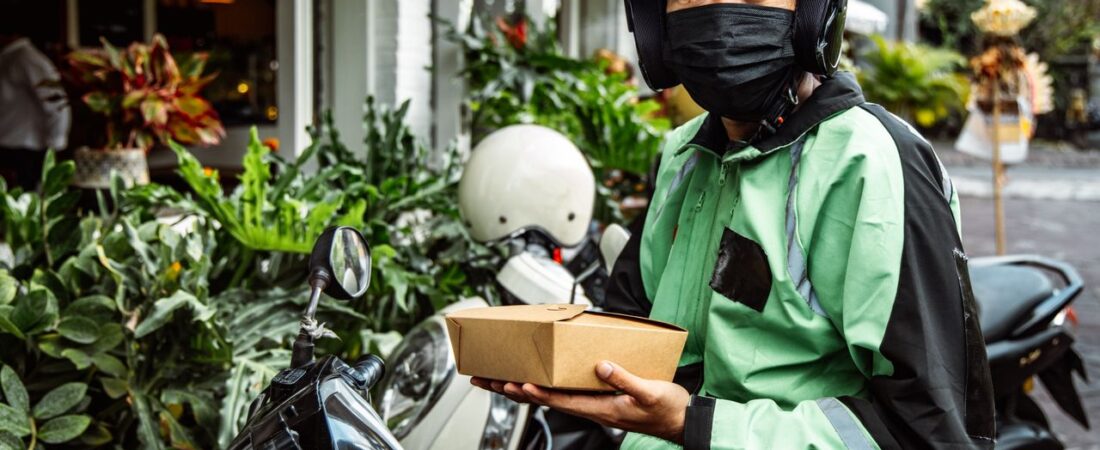

If you deliver food, groceries, or packages for a living, bad weather is both your worst enemy and your biggest opportunity. Rain reduces visibility, snow turns parking lots into ice rinks, and summer heat can cook your phone battery before lunch rush is over. But here is the truth that experienced delivery drivers in Houston, Chicago, New York City, Dallas, and Denver already know: the drivers who learn how to handle extreme weather make the most money, because fewer drivers are willing to work through it.
In this complete guide, we cover everything you need to know about driving for DoorDash, Uber Eats, Amazon Flex, Spark Driver, Instacart, and Lyft in bad weather. From rain and snow safety to extreme heat survival tips and how to protect your vehicle, gear, and earnings all year round.
Why Bad Weather Is Actually Good for Your Earnings
It sounds counterintuitive, but bad weather means big money for delivery drivers who show up prepared. When heavy rain hits Chicago or a snowstorm blankets Denver, most casual drivers stay home. That means fewer drivers competing for orders, higher base pay from surge pricing, and better tips from grateful customers who did not want to go out themselves.
Peak Pay and Surge Pricing in Bad Weather
DoorDash and Uber Eats both automatically boost pay during inclement weather. DoorDash calls it Peak Pay, and it can add $2 to $5 per order during storms. Uber Eats uses dynamic surge pricing that can increase fare rates by 1.5x to 3x during extreme weather events. Amazon Flex also offers surge blocks when demand spikes during weather events.
Many drivers in the GigWorkerMoney community report earning 30 to 50 percent more during weather events compared to clear-sky days. One driver in Austin made $320 in six hours during an ice storm by running DoorDash and Uber Eats simultaneously, carefully selecting only short-distance orders with high surge pay.
Rain Driving Safety: The Most Common Weather Challenge
Rain is the most frequent weather hazard for delivery drivers. Whether you are in Seattle, New York City, Miami, or Portland, you will face rainy conditions regularly. Here is how to stay safe and keep earning.
Slow Down Before You Think You Need To
Hydroplaning is the number one risk in wet conditions. When your tires lose contact with the road surface, you have zero control over steering or braking. Reduce your speed by at least 10 to 15 miles per hour below the posted limit in moderate rain, and even more in heavy downpours. Avoid cruise control entirely in wet conditions.
Increase Following Distance
Your stopping distance doubles on wet pavement. The standard three-second following distance should become six seconds minimum. This is especially critical when delivering in dense urban areas like downtown Los Angeles or San Francisco, where sudden stops from ride-share vehicles and pedestrians are common.
Use Headlights and Defog Your Windows
Turn your headlights on in any rain, even light drizzle. In many states it is legally required when your windshield wipers are on. Keep your defroster running to prevent interior fogging, which is a major cause of accidents in rainy conditions. A quick tip: crack your rear windows slightly to improve air circulation and reduce fog faster.
Watch for Standing Water
Never drive through standing water if you cannot see the bottom. Six inches of water is enough to cause loss of control in most passenger vehicles, and 12 inches can float many cars. If you are delivering in flood-prone areas like parts of Houston, have an alternate route planned. If water is moving across the road, turn around rather than risk it.
Protect Your Delivery Bag and Phone
A waterproof delivery bag is non-negotiable in rainy conditions. Your DoorDash or Uber Eats orders must arrive dry. Keep a spare dry bag in your trunk. Also invest in a phone mount with a waterproof cover, or keep a small microfiber cloth handy to wipe rain off your screen between deliveries. Wet touchscreens are frustratingly inaccurate.
Snow and Ice Driving: How to Keep Delivering When Temperatures Drop
Winter weather in cities like Chicago, New York, Denver, Boston, Detroit, and Minneapolis stops many delivery drivers cold. But prepared drivers can earn premium pay while others stay home.
Tires Are Everything in Snow and Ice
All-season tires are adequate for light snow, but if you deliver full-time through northern winters, winter tires are a serious consideration. They use a softer rubber compound that stays flexible in freezing temperatures, providing dramatically better grip on snow and ice. If winter tires are not in your budget, at minimum ensure your all-season tires have at least 6/32nds of tread depth. You can check this with the penny test: insert a penny into the tread groove with Lincoln’s head down. If you can see the top of his head, your tread is too low for snow.
Accelerate and Brake Gently
Sudden movements are your enemy on snow and ice. Accelerate slowly from stops to avoid wheel spin, and brake gently and early for red lights and stop signs. If you start to skid on ice, look and steer in the direction you want to go, and do not slam the brakes. If your car has anti-lock brakes, apply steady pressure and let the system do the pulsing work.
Keep Your Gas Tank at Least Half Full
This is a rule that experienced winter drivers live by. A fuller tank prevents fuel line freeze-up, and it means you have enough gas to run the heater if you ever get stuck waiting for a tow. In extreme cold, a half tank can also add valuable weight over the rear wheels of front-wheel-drive cars, improving traction.
Pack an Emergency Winter Kit
If you deliver in winter weather, keep these items in your car:
- Ice scraper and snow brush
- Small shovel (collapsible is fine)
- Cat litter or traction mats for getting unstuck
- Blanket and extra warm layers
- Phone charging cables and portable battery pack
- Flashlight with extra batteries
- Bottled water and non-perishable snacks
- First aid kit
This kit fits in a small plastic tote in your trunk and could save your life if you slide off the road during a snowstorm in rural delivery areas.
Know When to Stop
The most important winter driving skill is knowing when conditions are too dangerous. If roads are officially closed, if you cannot see more than a few feet ahead in whiteout conditions, or if ice is so severe that you cannot safely stand on the pavement, go home. No delivery is worth a totaled car or an injury. Check local weather alerts on sites like weather.gov before heading out.
Extreme Heat: Delivering Safely When Temperatures Hit 100°F
Summer delivery in Phoenix, Las Vegas, Dallas, Austin, Houston, and Los Angeles requires a completely different set of precautions. When temperatures exceed 100 degrees Fahrenheit, both you and your vehicle face serious risks.
Protect Your Phone From Overheating
Your phone is your most important delivery tool. In extreme heat, phones overheat, throttle performance, dim the screen to unreadable levels, and can even shut down entirely. Never leave your phone mounted in direct sunlight on your dashboard. Mount it on a vent clip and run the A/C directly at it. Keep a backup battery pack in an insulated lunch bag so it does not overheat while stored. If your phone gets hot enough to display a temperature warning, pull over and let it cool in the shade with the A/C blowing on it before continuing.
Stay Hydrated
Drivers in hot climates should drink water continuously throughout their shift, not just when they feel thirsty. By the time you feel thirsty, you are already mildly dehydrated. Keep a reusable water bottle in your cup holder and refill it at every gas station or restaurant pickup. Avoid sugary energy drinks as your primary hydration source; they can dehydrate you further.
Protect Your Skin and Eyes
Delivery drivers spend hours with the sun streaming through the driver-side window. UV exposure adds up fast. Wear sunscreen on your left arm and face (the side facing the window), and invest in polarized sunglasses to reduce glare and eye strain. A wide-brimmed hat when you are walking to apartment doors is also a smart idea.
Check Your Tires in Extreme Heat
Hot pavement raises tire pressure significantly. Check your tire pressure in the morning before your car has been driven, and ensure it is within the manufacturer’s recommended range. Over-inflated tires in summer heat have less contact with the road and can be dangerously prone to blowouts, especially when your car is loaded with delivery orders.
Never Leave Orders in a Hot Car
Even a short apartment delivery can leave food sitting in a car that is 140 degrees inside. Use an insulated delivery bag and a cooler for cold items. Many drivers in Phoenix and Las Vegas use a small Yeti-style cooler for drinks and ice cream orders, and they keep hot bags in the passenger compartment with the A/C running while they complete drop-offs.
Vehicle Preparation for Year-Round Weather Delivery
Your car is your income generator. Keeping it in good condition for all weather conditions protects your earnings.
Brake Inspection Before Winter
Have your brakes inspected before winter season every year. Worn brake pads that work fine in dry conditions can be dangerous on wet or icy roads. Replace pads and rotors if they are below 50 percent life remaining.
Battery Health in Cold Weather
Car batteries lose about 35 percent of their cranking power at freezing temperatures, and up to 60 percent at zero degrees Fahrenheit. If your battery is more than three years old, have it tested before winter. Many auto parts stores test batteries for free.
Wiper Blades: Replace Every Six Months
Streaky windshield wipers are dangerous in rain and snow. Replace your wiper blades every six months, or immediately if they leave streaks. Consider winter-specific wiper blades with rubber covers that prevent ice buildup on the blade frame.
Windshield Washer Fluid with Antifreeze
Use winter-grade windshield washer fluid rated to minus 20 degrees Fahrenheit or lower. Standard fluid can freeze on your windshield in cold weather, making it impossible to clean road salt and slush spray from your view.
Gear Recommendations for All-Weather Driving
Having the right equipment makes a massive difference in comfort and safety during bad weather deliveries.
Must-Have Weather Gear
- Waterproof delivery bag: Grubhub-approved or DoorDash-branded hot bags work well, but many drivers prefer third-party brands like Hot Logic or Vemonty for better insulation and waterproofing.
- Phone mount with cooling vent clip: Crucial for summer driving to prevent phone overheating.
- Portable jump starter: A compact lithium-ion jump pack can save you in a cold-weather battery failure. Brands like NOCO and Duralast are reliable.
- Rain suit or waterproof jacket: For those apartment deliveries where you have to walk a block in the rain.
- Windshield cover: A simple reflective cover prevents frost and ice buildup overnight, saving you 10 to 15 minutes of scraping in the morning.
- Sun shade: Reduces interior cabin temperature by 20 to 30 degrees in summer.
How Weather Conditions Affect Different Delivery Platforms
DoorDash in Bad Weather
DoorDash typically adds Peak Pay during severe weather events. Dashers in busy markets like New York City, Los Angeles, and Chicago often see $3 to $5 Peak Pay per order during storms. DoorDash also extends delivery times during bad weather, so you have more time to complete orders without penalty. Additionally, DoorDash may suspend the on-time or completion rate metrics during declared weather emergencies, so you do not have to worry about deactivation for cancelling in dangerous conditions.
Uber Eats in Bad Weather
Uber Eats uses a dynamic boost multiplier that can reach 1.5x to 2.5x during severe weather. Drivers in Miami during hurricane season or Chicago during blizzards report some of the highest per-trip earnings of the year. Uber also offers quest bonuses that stack with weather surges, making bad weather days extremely profitable for prepared drivers.
Amazon Flex in Bad Weather
Amazon Flex blocks during bad weather often go unclaimed, which means surge pricing can reach 1.5x to 2x the base rate. However, Amazon Flex delivery routes sometimes include rural areas where road conditions can deteriorate quickly. Be extra cautious with Flex routes in snow or heavy rain, and communicate with Amazon support if a route becomes unsafe.
Spark Driver in Bad Weather
Spark Driver in markets like Dallas, Houston, and Atlanta sees significant surge pricing during thunderstorms and extreme heat. Walmart pickup and delivery tends to continue operating in all but the most severe conditions, so Spark drivers who are prepared can earn consistently through weather events.
Tax Deductions Related to Weather Driving
Many drivers do not realize that expenses related to weather preparation can be tax deductible. The IRS standard mileage rate for 2026 is 72.5 cents per mile, which already accounts for some weather-related wear and tear. But additional deductible expenses that weather-conscious drivers should track include:
- Winter tires and snow chains (if used primarily for business driving)
- Emergency roadside assistance memberships (AAA, etc.)
- Car washes during winter months (road salt is corrosive)
- Windshield repairs from weather-related cracks
- Portable jump starters and emergency kits kept in your delivery vehicle
Keep receipts for all weather-related purchases and consult with a tax professional familiar with gig economy deductions. The mileage deduction alone for a full-time delivery driver in 2026 can save thousands of dollars at tax time.
Final Tips for Year-Round Weather Success
The best delivery drivers in America do not avoid bad weather, they prepare for it. Here is a quick checklist to keep your delivery income consistent regardless of what the forecast says:
- Check weather forecasts before every shift and plan your hours around the worst of it arriving during dinner rush when tips are highest.
- Keep your car maintained with regular oil changes, tire rotations, and brake inspections, because breakdowns in bad weather are expensive and dangerous.
- Invest in good gear once rather than cheap gear repeatedly. A quality waterproof bag and phone mount cost more upfront but last for years.
- Build a network of fellow drivers in your market to share real-time road condition information.
- Know your limits. If you do not feel safe driving, do not drive. Your safety is worth more than any peak pay bonus.
Bad weather separates casual delivery drivers from professional ones. The pros show up prepared, earn more during weather events, and know exactly when to call it a day. Whether you deliver for DoorDash, Uber Eats, Amazon Flex, or Spark Driver, these weather driving strategies will keep you safe and profitable through every season.
Ready to earn more with Uber in 2026?
New drivers can earn up to $2,575 after completing their first 200 trips. Sign up today and start delivering on your own schedule!