
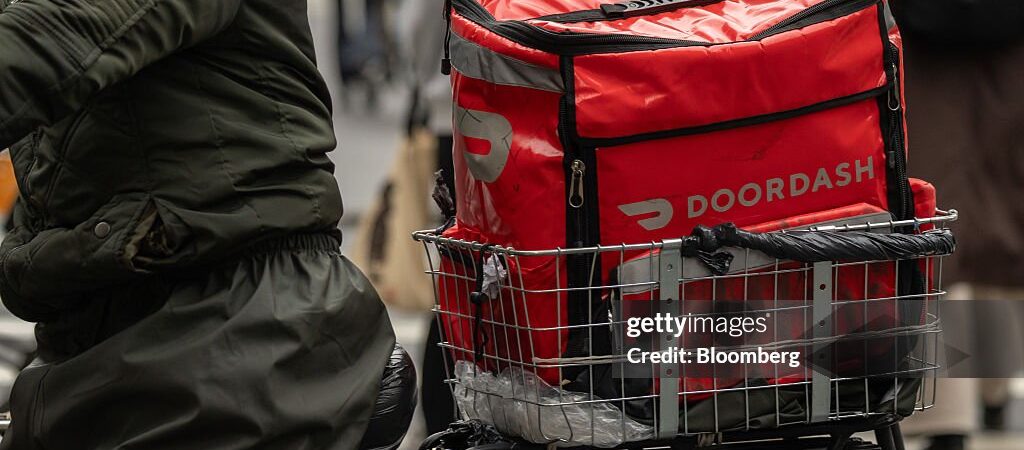

If you’ve ever applied to drive for DoorDash, Uber Eats, Spark, Instacart, or Amazon Flex, you already know the drill: fill out the personal info, upload your license, insurance, and registration… then comes the background check. That little pause — sometimes minutes, sometimes days — is one of the most stressful parts of signing up. Will something from your past block you? How far back do they look? Can you still get approved with a misdemeanor?
In 2026, gig economy background checks are more standardized than ever — but also more automated, which means mistakes and misinterpretations happen more often than you’d think. This guide walks you through exactly what each platform checks, how to read your report, what disqualifies you, and — most importantly — how to appeal if you get denied.
Whether you’re a new driver just starting out or a veteran multi-apper trying to get on a new platform, knowing the background check rules can save you weeks of frustration.
What Each Delivery Platform Checks in 2026
Every gig platform uses a third-party background check provider, and while the core check is similar, each company has its own standards and review periods. Here’s how the Big Five compare:
DoorDash Background Check
DoorDash uses Checkr, the most common background check provider in the gig economy. They run a seven-year criminal history search (county and federal courts) and a motor vehicle record (MVR) check. DoorDash checks your Social Security number for identity verification and looks at the national sex offender registry. For most markets, they review:
- Criminal convictions from the past seven years
- Pending criminal cases
- Driving violations (DUIs, reckless driving, suspended license)
- Sex offender registry status
DoorDash is generally considered one of the most lenient platforms. Minor traffic violations and old non-violent misdemeanors rarely result in deactivation. However, violent felonies, DUIs within the past five years, and any sex offense are automatic disqualifiers.
Uber Eats Background Check
Uber Eats (and Uber in general) uses Checkr as well, but they have a different set of standards. Uber checks criminal history at the county, state, and federal level going back seven years — or longer if required by local law. Their motor vehicle check looks at your driving record over the past three to seven years.
What makes Uber different is their continuous background check policy. Once you’re approved, Uber re-runs your background check periodically (usually every year, sometimes more often in certain cities like New York, Chicago, and Los Angeles). If a new charge appears, you could be deactivated mid-week.
Drivers in Houston, Dallas, and Austin report that Uber is stricter about DUIs than DoorDash — a single DUI within the past seven years is often enough to block you permanently.
Spark Driver Background Check
Spark (Walmart’s delivery platform) uses Appriss or Checkr depending on your market. Spark has a reputation as the strictest of the major platforms. They check criminal history going back an unlimited number of years in some states, and they are known to reject applicants for non-violent misdemeanors that other platforms would overlook.
Spark also runs a more thorough driving record check. Multiple speeding tickets within the past three years, even if they’re minor, can result in denial. Drivers in markets like Atlanta, Phoenix, and Dallas have reported being rejected for having three or more moving violations in a three-year period, even when no other platform flagged them.
Instacart Background Check
Instacart uses Checkr and follows a similar seven-year lookback period. However, Instacart is known for being more forgiving of older offenses. A DUI from eight years ago won’t show up on a seven-year check. Instacart places more emphasis on your identity verification and your driving record than on non-driving criminal history.
One unique thing about Instacart: they check for theft and fraud-related offenses more aggressively than other platforms, since shoppers handle payment cards and shop inside stores.
Amazon Flex Background Check
Amazon Flex also uses Checkr and runs a seven-year criminal and driving record check. Amazon Flex is similar to DoorDash in leniency — minor violations generally won’t block you. However, Amazon adds an extra layer: a drug screening is required in some markets, particularly for delivery station and Whole Foods roles. If you fail or refuse a drug test in one of those markets, you’re out.
What Will Definitely Disqualify You
While each platform has slightly different standards, there are some near-universal disqualifiers in 2026:
- DUIs within the past 5-7 years — every platform screens for this. Some (Uber, Spark) look back the full seven years; others (DoorDash, Instacart) are more lenient after three to five years.
- Felony convictions — especially violent crimes, theft, robbery, and drug trafficking. Non-violent felonies older than seven years may not appear, depending on your state.
- Sex offender registry status — automatic disqualification on every platform, no exceptions.
- Fraud or identity theft convictions — platforms take this seriously since drivers handle credit card transactions worth millions.
- Suspended or revoked license — you can’t drive without a valid license. Even a recent suspension that’s been reinstated may flag you.
Things that usually WON’T disqualify you:
- Minor speeding tickets (1-2 in three years)
- Non-violent misdemeanors older than five years
- Expunged or sealed records
- Bankruptcies or civil judgments (these aren’t checked)
How Long Does a Background Check Take?
This varies wildly by platform and your personal history. Here are typical timelines in 2026:
- DoorDash: 15 minutes to 48 hours. Most clean-record applicants are approved within an hour.
- Uber Eats: 2 to 7 business days. Uber takes longer because they verify more documents manually.
- Spark: 3 to 10 business days. Spark is the slowest, and delays are common.
- Instacart: 24 to 72 hours. Usually faster than Uber, slower than DoorDash.
- Amazon Flex: 1 to 5 business days, plus drug screening time in some markets.
What slows things down: common names (John Smith takes longer than Alistair Finch), errors in your address history, and incomplete county court coverage. If you’ve lived in multiple counties or states, Checkr has to query each one individually.
How to Read Your Checkr Report
Since the vast majority of delivery platforms use Checkr, it’s worth understanding how to interpret your report. When a platform denies you based on a background check, they are required by the Fair Credit Reporting Act (FCRA) to send you a pre-adverse action notice along with a copy of your Checkr report. Here’s what to look for:
- Identity section — confirms your name, SSN, and address history. Errors here are common and can delay approval.
- Criminal records — lists any matches at the county and federal level. Look for incorrect court data, sealed records that shouldn’t appear, or records that belong to someone with a similar name.
- Motor vehicle record — shows your license status, violations, and accidents. Verify that all violations are actually yours and that their dates are correct.
- Sex offender registry — if there’s a false positive here, act immediately to get it corrected.
You have the right to dispute any incorrect information on your Checkr report before the platform makes a final decision. Take advantage of this — it’s your best chance to reverse a denial.
How to Appeal a Background Check Denial
Getting denied is frustrating, but it’s not the end of the road. Every major platform has an appeals process, and drivers successfully overturn denials every day. Here’s how to handle it in 2026:
Step 1: Review the Pre-Adverse Action Letter
When a platform denies you, they’ll send a letter explaining the reason and include a copy of your background check report. Read it carefully. The most common mistakes are:
- A record belonging to someone with a similar name (very common for common surnames)
- An old charge that should have been expunged or sealed
- An arrest without a conviction showing up as a conviction
- A county court record that doesn’t match your actual address history
Step 2: Dispute with Checkr First
Before appealing to the platform, dispute the error directly with Checkr at disputes.checkr.com. They are required by law to investigate within 30 days. If they find the record doesn’t belong to you, they’ll remove it and notify the platform.
Step 3: Contact the Platform
Once Checkr has handled the dispute, or if the information is accurate but you believe it shouldn’t disqualify you, contact the platform’s background check support team directly:
- DoorDash: Use the Dasher app → Help → Background Check. You can also email backgroundcheck@doordash.com.
- Uber: Use the Driver app → Help → Account → Background Check. Uber also has an in-app appeals form.
- Spark: Call Spark Driver Support at 1-855-845-4663 or email sparkdriverapp@walmart.com.
- Instacart: Email shopper-appeals@instacart.com.
- Amazon Flex: Email amazonflex-support@amazon.com.
Step 4: Provide Supporting Documents
If the record is accurate but old or minor, submit documentation showing rehabilitation, completion of probation, or evidence that the charge was dismissed. Some platforms will approve drivers with older non-violent convictions if you can show a clean record since then.
State and City-Specific Background Check Rules
Background check laws vary significantly by location, and delivery drivers in major US cities often get additional protections:
- New York City: NYC has some of the strongest protections. The city’s Fair Chance Act limits how far back employers and platforms can look — typically no more than seven years — and requires platforms to consider rehabilitation evidence. NYC also has a specific ban-the-box rule for gig workers.
- California: California restricts background checks to seven years for most positions under Labor Code 432.7. Arrests that didn’t lead to convictions cannot be considered.
- Illinois (Chicago): The Job Opportunities for Qualified Applicants Act limits inquiries into criminal history. Illinois also has specific requirements for how Checkr reports data.
- Texas (Houston, Dallas, Austin): Texas has fewer restrictions, meaning platforms can look back longer and consider a wider range of offenses. Drivers in Texas need to be more careful about what’s on their record.
- Washington State: Seattle and Washington State have strict limits on criminal background checks for gig workers, including a requirement that platforms provide a written explanation for denial and a meaningful appeals process.
Tips to Pass Your Background Check the First Time
Whether you’re applying for the first time or trying to get back on a platform after a denial, these tips will improve your chances:
- Pull your own background check first. Use Checkr’s candidate portal ($29.99) or a service like GoodHire to see exactly what platforms will see. Fix any errors before applying.
- Check your driving record. Order your MVR from your state’s DMV (usually $5-15). Clean up any outstanding tickets or unpaid fines.
- Make sure your identity documents match. Your legal name on your driver’s license must match your Social Security records. If you’ve changed your name recently, update your SSN card first.
- Apply to multiple platforms at once. If DoorDash approves you quickly but Uber takes a week, you can start delivering right away on DoorDash while waiting for the others.
- Consider expungement. If you have old charges that are eligible for expungement, invest in the process. It’s typically a few hundred dollars and a few months of waiting, but it removes the record permanently.
- Keep your address history accurate. Checkr queries every county you’ve lived in. Missing a previous address can cause delays or missed records that get flagged later.
How to Keep Your Account Active After Approval
Passing the initial background check is only the first step. Your account stays active only as long as you maintain certain standards:
- Renew your annual check. Most platforms re-run your background check every 12 months. A new DUI or charge during the year could get you deactivated.
- Report changes honestly. If you get a ticket or have a legal issue, don’t try to hide it. Platforms usually find out through the continuous check anyway, and hiding it looks worse.
- Keep your insurance and registration current. Letting your insurance lapse triggers a notification to most platforms, and some deactivate you until you provide proof of coverage.
- Stay active. DoorDash and Uber Eats occasionally re-check inactive accounts. If you haven’t driven in 6+ months, you may need to re-submit to a background check before you can go online again.
The Bottom Line
Delivery driver background checks in 2026 are thorough but not insurmountable. Most drivers with a clean or reasonably clean record will get approved on at least one platform. The key is knowing what each platform checks, preparing your documents in advance, and acting quickly if you’re denied.
If you’re worried about your background check, start with DoorDash or Amazon Flex — they have the most lenient standards. Then add Uber Eats and Instacart once you’re already earning. Leave Spark for last, since it has the strictest criteria.
And remember: millions of delivery drivers pass these checks every year. With the right preparation, you’ll be one of them.
Ready to earn more with Uber in 2026?
New drivers can earn up to $2,575 after completing their first 200 trips in qualifying cities. Whether you passed your background check yesterday or you’ve been driving for years, Uber’s sign-up bonus is one of the best in the gig economy right now.