
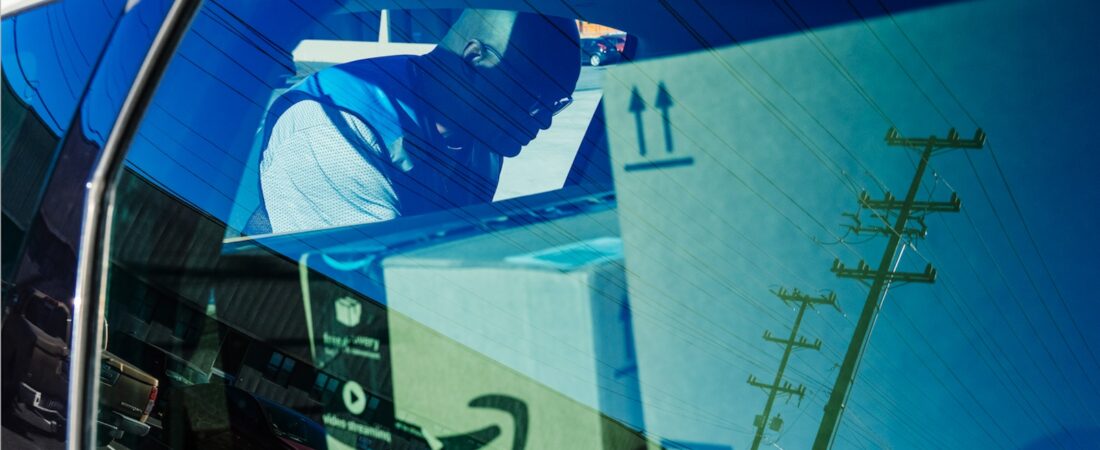

Night shift delivery driving has become one of the most popular ways to earn in the gig economy. In 2026, nearly 40% of all DoorDash, Uber Eats, Spark, and Amazon Flex deliveries happen after 6 PM. Drivers in cities like Houston, Dallas, Austin, Chicago, New York City, Los Angeles, and Phoenix are finding that night shifts offer higher pay, less traffic, and fewer restaurant wait times.
But with higher earnings come real risks. Dark neighborhoods, poorly lit apartment complexes, distracted driving, and personal safety concerns are part of the job. This guide covers practical, field-tested safety tips for delivery drivers working night shifts in 2026 — drawn from real drivers across the United States.
Why Night Shifts Pay More in 2026
Delivery platforms have adapted their pay models to incentivize night work. DoorDash offers Peak Pay bonuses between $2 and $6 per order during dinner and late-night hours. Uber Eats bumps its surge multipliers to 1.5x–2.5x in high-demand zones after 9 PM. Spark pays additional incentive pay for Walmart deliveries scheduled after 8 PM, and Amazon Flex offers block pay that increases by 15–25% for overnight delivery windows.
A driver running DoorDash in Chicago from 6 PM to midnight can expect to gross $120–$180 on a typical Friday night. In Los Angeles, Uber Eats drivers working the late-night food window (10 PM–2 AM) report hourly earnings of $22–$30, compared to $15–$18 during afternoon hours.
The money is real — but staying safe while earning it requires preparation, awareness, and the right tools.
Vehicle Safety: Preparing Your Car for Night Deliveries
Headlights and Visibility
Your headlights are your first line of defense. Many delivery drivers overlook this, but dim or misaligned headlights reduce your ability to spot hazards, read house numbers, and see pedestrians. In 2026, LED headlights are standard on most new cars, but if you’re driving an older vehicle, consider upgrading your bulbs or having your headlights professionally aligned.
Check your headlights weekly. A simple test: park 25 feet from a wall at night. The beam cutoff should be level and bright. If one side looks dimmer or yellowed, replace the bulb. Drivers in cities like Austin and Dallas frequently navigate unlit side streets and apartment complexes — good headlights are non-negotiable.
Windshield and Wipers
Night driving in rain or fog is dangerous enough. Add dirty windshields and worn wiper blades, and you’re operating blind. Replace your wiper blades every six months, and clean the inside of your windshield weekly. That greasy film that builds up on interior glass creates blinding glare from oncoming headlights.
Emergency Kit Essentials
Every night-shift delivery driver should carry:
- Flashlight or headlamp (rechargeable, 300+ lumens)
- Phone charger and backup power bank
- Reflective safety vest
- First aid kit
- Jumper cables or portable jump starter
- Bottled water and non-perishable snacks
- Spare tire and tire repair kit
Drivers in Phoenix and Houston especially need water and a sunshade — even at night, the residual heat in summer can make your car unbearable if you need to wait.
Personal Safety: Protecting Yourself on Deliveries
Trust Your Gut
This is the most important rule, and experienced drivers will tell you the same thing. If a delivery location feels wrong — dark alley, no visible house numbers, multiple people loitering near the entrance — trust that feeling. You are not obligated to complete every delivery. DoorDash, Uber Eats, and Spark all have support systems that let you mark a delivery as unsafe.
One driver in Atlanta shared: “I pulled up to an apartment complex in College Park at 11:30 PM. The gate was broken, the parking lot was completely dark, and three guys were standing by the stairwell. I called the customer, told them I couldn’t safely complete the delivery, and marked it as unsafe in the app. Uber support didn’t penalize me.”
Use the “Leave at Door” Option
Whenever possible, select contactless delivery. All major platforms offer this as a default or optional setting. For Spark and Amazon Flex deliveries, this is usually the standard. For DoorDash and Uber Eats, you can message the customer to confirm a no-contact drop-off, especially late at night.
This reduces face-to-face interaction and lets you take a photo as proof of delivery while staying in your car or keeping distance.
Share Your Location
Share your real-time location with a trusted contact. Google Maps, Apple Maps, and Life360 all offer location sharing features. Many drivers also use dash cams with GPS tracking as an added layer of accountability. A visible dash cam can also deter potential threats.
Drivers in New York City and Chicago report that having a dash cam with night vision has helped them in disputes with customers and provided evidence in insurance claims.
Digital Safety: Avoiding Scams at Night
Fake Customer Calls
Scams targeting delivery drivers spike at night. A common one: you receive a call from someone claiming to be DoorDash or Uber Eats support. They say there’s an issue with your account or the delivery and ask for your one-time passcode. Never share your passcode with anyone. Legitimate support will never ask for it.
In 2026, these scams have become more sophisticated. Some scammers spoof the actual support phone number. If you receive a suspicious call, hang up and contact support directly through the app.
Phantom Order Scams
Another night-shift scam: you receive an order for a single item to an address that doesn’t exist. The customer calls and asks you to “cancel the order” so they can get a refund, offering you cash on the side. Marking an order as delivered to a fake address can get you deactivated. Always follow platform procedures — contact support if an address looks invalid.
Securing Your Accounts
Use two-factor authentication on all your delivery apps. Change your passwords regularly, and never use the same password across multiple platforms. If you multi-app (and most drivers do), a breach on one platform can compromise others.
Navigational Safety: Finding Addresses After Dark
House Numbers Are Harder to See at Night
This seems obvious, but it’s a major frustration for night drivers. In cities like Houston and Phoenix, many homes don’t have illuminated house numbers. Use Google Maps’ street view in advance to confirm the appearance of the house. Pay attention to mailboxes, driveway layouts, and neighbors’ houses for reference.
Apps like Beans Maps (built specifically for delivery drivers) crowdsource accurate pin locations and notes about hard-to-find addresses. Many drivers consider it essential for night shifts.
Apartment Complex Navigation
Apartment complexes are the hardest part of night delivery. Gates require codes, building numbers aren’t lit, and maps are often outdated. Tips for navigating apartments at night:
- Ask the customer for gate code and building number before you arrive
- Use a high-powered flashlight to read building markers from your car
- Park in well-lit areas near the leasing office or mail center
- Don’t drive deep into poorly lit complexes — ask the customer to meet you at the entrance if needed
Financial Safety: Protecting Your Night-Shift Earnings
Track Your Mileage Religiously
The 2026 IRS mileage rate is 72.5 cents per mile. If you drive 100 miles on a night shift, that’s $72.50 in tax deductions. Apps like Stride, Gridwise, and Solo automatically track your mileage using GPS. For night drivers, manual logging is a bad idea — you’re tired, and you’ll forget. Let an app handle it.
One Dallas driver reported saving over $3,400 in taxes in 2025 just by using automated mileage tracking on his night shifts.
Know Your Insurance Coverage
Standard personal auto insurance policies do not cover delivery driving. DoorDash provides excess coverage (kicks in after your personal insurance), but it’s limited. Uber Eats offers liability coverage while you’re on a trip, but not while you’re waiting for orders.
Progressive, State Farm, and GEICO all offer rideshare/delivery endorsements. For a typical driver in Chicago, adding delivery coverage costs about $15–$30 per month. It’s worth every penny — especially for night drivers, who statistically have a higher accident risk.
Health and Wellness for Night Drivers
Managing Fatigue
Driving while tired is as dangerous as driving while intoxicated. After 18 hours awake, your reaction time is comparable to a blood alcohol content of 0.05%. After 24 hours, it’s 0.10%.
For night-shift delivery drivers, fatigue management is critical:
- Sleep during the day in a dark, cool room (blackout curtains help)
- Take a 15-minute power nap between peak hours (9–10 PM is a good window)
- Stay hydrated — dehydration amplifies fatigue
- Avoid heavy meals before or during your shift
- Caffeine is helpful but stop consuming it 4 hours before you plan to sleep
Eating Right on Night Shifts
It’s tempting to eat fast food when you’re surrounded by restaurant deliveries, but a steady diet of burgers and fries will drain your energy. Pack your own snacks: protein bars, nuts, fruit, and a thermos of coffee or tea. Drivers in Austin and LA who meal prep for night shifts report higher energy levels and better focus throughout their shift.
Eye Strain and Screen Time
Staring at your phone screen in the dark causes eye strain, headaches, and reduced night vision. Reduce your phone’s brightness and enable night mode on all your apps. Many drivers use a phone mount with an anti-glare screen protector mounted at eye level on the dashboard.
Best Dash Cams for Night Shift Drivers in 2026
A good dash cam pays for itself. Here are the top picks for delivery drivers working nights:
- VIOFO A229 Pro — 4K front and rear, excellent night vision, GPS logging. Popular with Houston and Chicago drivers.
- Garmin Dash Cam Mini 3 — Compact, magnetic mount, great low-light performance. Fits anywhere on your windshield.
- Thinkware U1000 — 4K with radar parking mode. Captures incidents even when you’re parked at an apartment complex.
- Nexar Beam — Cloud-connected dash cam with AI incident detection. Automatically uploads footage.
Most delivery drivers prefer dual-camera setups (front and rear-facing). This protects you from both front-end collisions and rear-end incidents, which are common in stop-and-go delivery traffic.
City-Specific Night Driving Tips
New York City
NYC delivery drivers face unique challenges at night: double-parked cars, bike lanes with speeding cyclists, and confusing one-way streets. Stick to the right lane, use your hazard lights briefly when stopping for a delivery, and never leave your car running — even for 30 seconds. Delivery drivers in Manhattan and Brooklyn report that bike theft from delivery cars is a real risk at night.
Los Angeles
LA’s sprawl means night deliveries often involve long drives between stops. Keep your gas tank above half at all times. Street parking after dark in areas like Koreatown and Echo Park can be dangerous — look for well-lit spots and lock your doors immediately when you get back in the car.
Chicago
Winter night shifts in Chicago require completely different preparation. Keep an ice scraper, winter gloves, a blanket, and kitty litter (for traction on icy driveways) in your car. Downtown Chicago also has some of the most confusing apartment numbering in the country — use Beans Maps or call ahead.
Houston
Houston’s massive sprawl means you’ll cover serious mileage on night shifts. Summer night temperatures stay above 85°F (30°C) with high humidity well past midnight. Keep extra water in your car and take breaks to avoid heat exhaustion. Houston drivers also deal with aggressive drivers on the Beltway — stay defensive and avoid road rage.
Phoenix
Even at night, Phoenix summers are brutal. 100°F at 10 PM is common in July and August. Keep your AC running, but check your coolant and battery regularly — both take a beating in extreme heat. Streetlight coverage in Phoenix suburbs can be spotty, so rely on GPS and a good flashlight.
The Night Shift Gear Checklist
Before every night shift, experienced drivers run through this checklist:
| Item | Why It Matters |
|---|---|
| Rechargeable flashlight | Reading house numbers, navigating dark apartments |
| Phone mount | Hands-free navigation, legal in all states |
| Dash cam | Evidence in accidents, disputes, and insurance claims |
| Reflective vest | Visibility when walking to/from car in dark areas |
| Portable power bank | Phone battery drains faster with screen brightness up |
| Water bottle | Dehydration causes fatigue and poor decisions |
| Car cell booster | Dead zones kill your earnings and block emergency calls |
Final Tips From Real Night Shift Drivers
We asked night-shift delivery drivers across the US for their best advice. Here’s what they said:
“I’ve been doing Uber Eats in LA for three years, mostly nights. My rule: if I can’t see the house number from my car with my high beams on, I don’t get out. I call the customer and ask them to turn on a porch light. 90% of them do.” — Marcus, Los Angeles
“I only accept orders going to areas I know. In Chicago, I stick to neighborhoods I’m familiar with after dark. The extra few minutes to check the destination before accepting is worth the safety.” — Jasmine, Chicago
“Best $40 I ever spent was on a rechargeable spotlight from Amazon. I use it to read building numbers from across the parking lot. It’s also great for signaling if I break down.” — Kevin, Houston
“I set a hard cut-off time. For me it’s 2 AM. After that, the orders are mostly fast food to sketchy areas, and the pay isn’t worth the risk. I’d rather get a good night’s sleep and start fresh at 6 AM.” — Diana, Dallas
Ready to Stay Safe and Earn More on Night Shifts?
Night shift delivery driving can be incredibly rewarding. The pay is better, the roads are emptier, and with the right preparation, it’s just as safe as working during the day. The key is preparation: equip your car, trust your instincts, use technology to your advantage, and know when to say no.
Whether you’re driving for DoorDash in Houston, Uber Eats in New York, Spark in Dallas, or Amazon Flex in Chicago, these safety tips will help you earn more and sleep better.
🔥 Get Started with Uber — Earn Up to $2,575 in Your First Month