
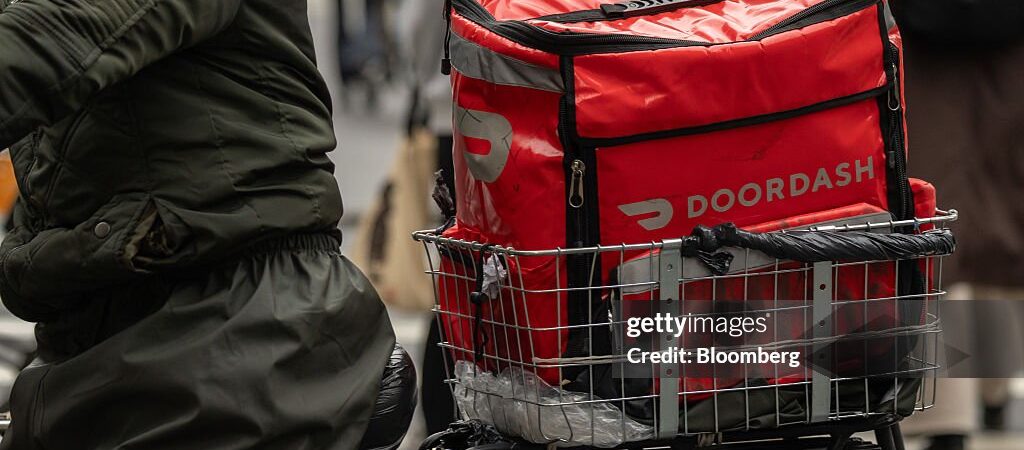

If you’ve been delivering with DoorDash, Uber Eats, or Spark for more than a week, you already know the struggle: apartment complexes with unresponsive gates, confusing building layouts, no parking, and customers who don’t answer their phones. These difficult delivery locations aren’t just frustrating — they cost you money. Every minute spent figuring out a gate code or walking through a maze of identical buildings is a minute you could have spent on your next paid order.
In this guide, we’ll break down exactly how to handle apartment gate access, gated communities, college dorm deliveries, and every other tricky delivery scenario US drivers face in 2026. Whether you’re working in Houston, Dallas, Los Angeles, Chicago, or New York City, these strategies will help you save time, protect your ratings, and keep your earnings on track.
Why Apartment Deliveries Are Costing You Money
The math is simple: time is money in the gig economy. A delivery that takes 20 minutes because you’re stuck at a gate or wandering through a complex pays worse than three 7-minute deliveries. According to driver earnings data from major US markets, apartment deliveries take an average of 40% longer than house deliveries. That 40% directly eats into your hourly rate.
In cities like Houston and Dallas, sprawling apartment complexes with multiple gates and no clear signage are the norm. In New York City and Chicago, you’re dealing with doorman buildings, buzzer systems, and elevator waits. In Los Angeles, it’s massive gated communities with confusing numbering systems. Each type of difficult location requires a different strategy.
Step 1: Pre-Screen the Delivery Before You Accept
The best way to handle a difficult delivery is to know about it before you even pick up the order. Here’s how to spot problematic deliveries in advance:
Check the Delivery Notes Before Accepting
Both DoorDash and Uber Eats show delivery instructions before you accept an offer (though they may be truncated). Look for keywords like “gate code,” “apartment,” “building,” “buzzer,” or “call box.” If you see mentions of a gate code or apartment that requires specific instructions, decide whether the payout is worth the extra time. A $7 DoorDash order to a known difficult apartment complex might not be worth it, but a $12 offer with a potential tip might be.
Use Multi-App Knowledge to Your Advantage
Experienced drivers in Austin and San Antonio keep mental maps of which apartment complexes are easy and which are nightmares. If you’ve delivered to a complex before and remember it took 15 minutes to find the right building, you can factor that into your acceptance decision. Some drivers even keep notes in their phone’s Notes app or use Google Maps labels to mark problematic locations.
Step 2: The Gate Code Strategy
Gate codes are the single biggest time-waster for delivery drivers in 2026. Here’s a systematic approach:
What to Do When There’s No Gate Code in the App
This happens constantly. The customer didn’t put the code in the delivery instructions, and now you’re sitting at a gate with no way in. Try these steps in order:
- Call the customer. Use the app’s call function, not your personal number. Most delivery apps mask your number. Try calling at least twice if they don’t answer the first time.
- Text the customer. Sometimes customers respond faster to texts than calls. Send a friendly message: “Hi! I’m at the gate for your delivery. Could you please send the gate code?”
- Check the call box directory. Many apartment call boxes have a directory. Search for the customer’s last name. If you can’t find it, sometimes typing # or * or 911 opens the gate from the call box side.
- Wait for another car. If you can’t reach the customer, wait a few minutes for another resident or delivery driver to enter. Follow through safely — don’t tailgate so closely that you hit their car.
- Contact support. If you’ve tried everything and can’t get in, contact DoorDash or Uber Eats support. Explain the situation. They may allow you to mark the delivery as undeliverable and still receive partial pay.
Build a Gate Code Database
Successful drivers in Denver and Phoenix keep a personal collection of gate codes they’ve received. Save them in your phone’s notes app organized by apartment complex name. Over time, you’ll build a reference that saves you minutes on every return trip to that complex. A note that says “The Greens at Hillcrest — code #7721” is pure gold when you’re racing the clock.
Step 3: Navigating Confusing Apartment Complexes
Once you’re past the gate, the real challenge begins. Apartment complexes in 2026 range from well-organized to completely chaotic. Here’s how to handle them:
Use the Map Before You Drive
Before you even enter the complex, pull up Google Maps or Apple Maps and look at the layout. Many apartment complexes have their building layouts on Google Maps now. Zoom in and find the building number you need. Plot a route from the gate to that building. This 30-second check can save five minutes of driving in circles.
Look for Building Numbering Patterns
Most apartment complexes follow one of a few numbering patterns:
- Sequential by street: Buildings are numbered in order along the main road
- Color-coded sections: Buildings are grouped by color (e.g., “Section A – Buildings 100-199”)
- Cluster groups: Buildings are arranged in clusters with their own parking lot
Once you spot the pattern, you can navigate much faster. And if you’re in a massive complex like some you’ll find in Las Vegas or Miami, consider parking in a central spot and walking the last building or two rather than driving and re-parking for each stop.
Parking Strategy for Apartments
Parking is a nightmare at many apartment complexes, especially in crowded cities. A few tips:
- Don’t block fire lanes. Getting a parking ticket or towed turns a profitable delivery into an expensive mistake.
- Use the visitor parking. Most complexes have designated visitor spots. Look for them near the entrance or leasing office.
- Park in the fire lane only for drop-offs. If there’s genuinely no parking, pull into the fire lane, turn on your hazards, and run the food to the door. You have 2-3 minutes before anyone complains. Never leave your car unattended in a fire lane.
- Consider parking at the leasing office. In many complexes, the leasing office is centrally located. Park there and walk to nearby buildings.
Step 4: Handling College and University Dorm Deliveries
Delivering to college dorms presents its own challenges. University of Texas in Austin, UCLA in Los Angeles, and NYU in New York City all have their own rules. Here’s the playbook:
- Check the delivery instructions carefully. Many dorm deliveries specify a particular entrance, a lobby drop-off point, or a front desk.
- Understand dorm policies. Some dorms don’t allow delivery drivers past the lobby. If the instructions say “leave at front desk,” do exactly that. Take a photo of the package at the front desk as proof of delivery.
- Be patient with student customers. College students are often in class. They may not answer their phone immediately. Send a text and wait a few minutes before marking the order as undeliverable.
- Learn campus layouts. If you deliver near a major university, invest time in learning the campus layout. Knowing that the dorm buildings are on the north side of campus versus the south side can save you 10 minutes on every campus delivery.
Step 5: Gated Communities and Security-Controlled Entrances
Gated communities are common in suburbs around Dallas, Atlanta, Phoenix, and Orange County. These are different from apartment gates:
- Gated communities usually have a guard or call box. If there’s a guard, tell them you have a delivery for [customer name] at [address]. They’ll usually direct you or call the resident.
- Some use the “courtesy patrol” system. In larger gated communities, the guard may issue you a visitor pass or direct you to a specific entrance. Follow their instructions exactly.
- Deliveries inside gated communities take time. Factor this into your acceptance decisions. A $5 offer that requires navigating a gated community with long driveways might not be worth it.
- Use the Ring/security camera approach. Many gated community homes have Ring doorbells. Leave the food clearly visible in the camera’s view. Text the customer a photo and a note that you’ve left it at the door.
Step 6: What to Do When the Customer Doesn’t Answer
This is the most common time-waster in gig delivery. You’re at the gate, at the apartment door, or at the lobby, and the customer won’t respond. Here’s your escalation plan:
- Call twice through the app. Some drivers call once and immediately give up. Call twice. The customer might be in the shower, on another call, or have their phone on silent.
- Send a text. “Your DoorDash order has arrived. I’m at the gate/building/entrance. Please let me know how to reach you.” Keep it professional.
- Start the timer. Both DoorDash and Uber Eats have a timer you can start when the customer isn’t responding. This protects you and starts the process for leaving the order in a safe location.
- Find a safe drop-off spot. If the timer expires, leave the order in a safe location. Take a photo showing exactly where you left it. For apartment deliveries, a good spot might be near the leasing office, at the main entrance lobby, or by the mailroom.
- Document everything. Take photos at every step: the gate you couldn’t access, the apartment door, the final drop-off location. Good documentation protects your rating and your deactivation appeal if the customer claims they never received the food.
Step 7: Protecting Your Ratings and Your Account
Difficult deliveries can tank your ratings if not handled correctly. Customers who don’t provide gate codes or clear instructions are often the same ones who give low ratings when their food is late or left in the wrong spot. Here’s how to protect yourself:
- Use the “Customer didn’t provide access code” option. DoorDash allows you to note when a customer didn’t provide necessary access information. This flags the customer’s account and can protect you from deactivation.
- Contact support proactively. If you’ve spent more than 5 minutes trying to complete a delivery, contact support before the delivery is completed. Get a case number. Explain that you attempted the delivery but couldn’t access the location.
- Never leave food in an unsafe location. Leaving food in the middle of a parking lot or at a gate risks theft and a customer complaint. Use the “leave at door” instructions as a guide, but use common sense about what’s truly safe.
- Keep a record of problematic addresses. Maintain a personal list or note in your phone of addresses and apartment complexes that are consistently difficult. When you see an offer from one of these addresses, you can make an informed decision about whether to accept or decline.
The Bottom Line
Difficult delivery locations are an unavoidable part of gig work in 2026. Whether you’re delivering in Houston’s sprawling apartment complexes, New York City’s walk-up buildings, or Los Angeles’s gated communities, the key is preparation and process. Screen deliveries before you accept them. Build your personal database of gate codes and complex layouts. Have a documented escalation plan for when customers don’t respond. And always, always document the delivery with photos.
The drivers who make the most money aren’t the ones who avoid difficult deliveries entirely — they’re the ones who have systems for handling them quickly and professionally. Every minute you save on a difficult delivery is a minute you can spend earning on the next one.
Ready to earn more with Uber in 2026?
New drivers can earn up to $2,575 after completing their first 200 trips in eligible cities. Sign up today and start earning on your own schedule.