
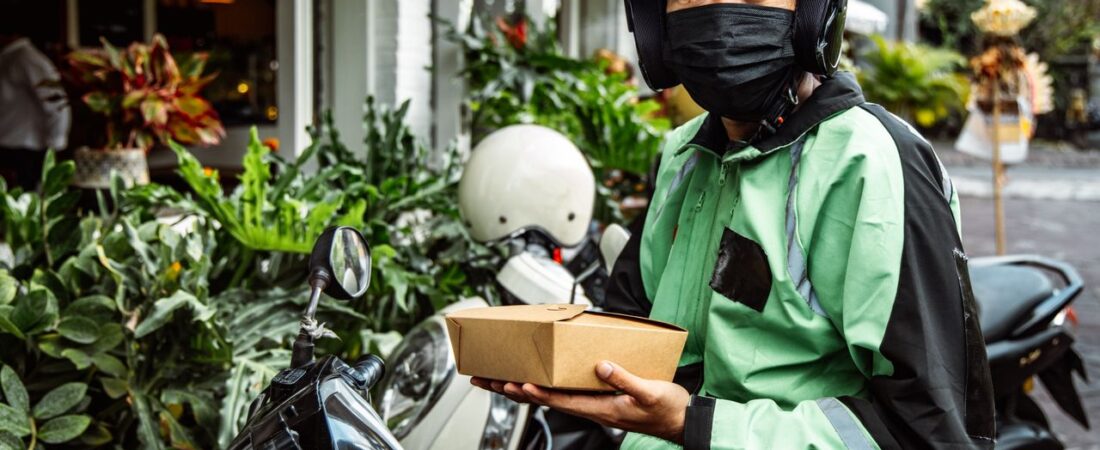

Every delivery driver eventually faces that moment: a customer who is angry, rude, or even threatening. Whether you drive for DoorDash, Uber Eats, Instacart, Spark, or Amazon Flex, handling difficult customers is one of the most challenging parts of the job. One wrong move and you could face a one-star rating, a lost tip, or even deactivation.
In this comprehensive guide, we’ll walk you through proven de-escalation techniques, real-world scenarios, and platform-specific policies for handling difficult customers in 2026. By the end, you’ll know exactly what to do when a customer gets upset — and how to protect your account, your earnings, and your peace of mind.
Why De-escalation Skills Matter More Than Ever in 2026
The gig economy is more competitive than ever. With more drivers on the road, your customer ratings directly impact how many orders you see. A single difficult customer interaction can drop your rating from 4.9 to 4.7, and on platforms like DoorDash, anything below 4.2 can put your account at risk of deactivation.
But it’s not just about ratings. Customer confrontations can escalate to dangerous situations. In 2025 and 2026, there have been numerous reports of delivery drivers facing aggressive customers, threats of violence, and even false reports to the platform. Learning to de-escalate isn’t just good for your rating — it’s essential for your safety.
Understanding Why Customers Get Difficult
Before we dive into techniques, it helps to understand the common reasons customers become difficult. Most complaints fall into these categories:
1. Late or Delayed Orders
This is the number one complaint delivery drivers face. The restaurant was slow, traffic was bad, or the customer’s address was hard to find. The customer doesn’t care about the reason — they just know their food is late. In Houston, Austin, Dallas, and other sprawling US cities, traffic and distance make late deliveries almost inevitable at some point.
2. Wrong or Missing Items
The customer blames you for missing items even when the restaurant sealed the bag. This is especially common with Instacart and Spark shopping orders where a substitution had to be made.
3. Delivery Instructions Not Followed
You followed the GPS but the customer expected you at a different entrance. Or you left the food at the front door but they wanted it at the side gate. Miscommunication about drop-off locations is a major source of friction.
4. Apartment and Access Issues
In cities like New York, Chicago, and Los Angeles, apartment complexes with confusing layouts, broken buzzers, and unclear instructions cause frustration on both sides. The customer is angry because you couldn’t find them, and you’re frustrated because the instructions were unclear.
5. Alcohol Delivery Concerns
With more platforms offering alcohol delivery in 2026, drivers sometimes face customers who are intoxicated, argumentative about ID checks, or upset about delivery refusals for valid reasons.
8 Proven De-escalation Techniques for Delivery Drivers
When a customer confronts you — whether in person, through the app chat, or over the phone — these techniques will help you calm the situation and protect yourself.
1. Stay Calm and Breathe
Your reaction sets the tone. When a customer raises their voice or sends an angry message, take a deep breath before responding. Count to three. Remind yourself that their anger is usually about the situation, not about you personally. A calm response is disarming and often catches the customer off guard in a positive way.
2. Listen Without Interrupting
People want to feel heard. When a customer is upset, let them fully explain their complaint before you respond. Interrupting to defend yourself only escalates the situation. Nod, make eye contact (if in person), and say things like “I understand why that’s frustrating” or “I hear you.” This simple acknowledgment often reduces the customer’s anger by 50%.
3. Apologize Sincerely
Even if the issue isn’t your fault, apologize. “I’m sorry your food arrived late” is not an admission of guilt — it’s an expression of empathy. Customers want validation that their frustration is reasonable. A sincere apology costs you nothing but can save your rating and tip.
4. Offer a Solution, Not an Excuse
Customers don’t want to hear why you’re late (traffic, restaurant wait times, GPS issues). They want to know what you’re going to do about it. If the food has already been delivered, explain how they can get a refund through the app. If you’re still en route, give them an accurate ETA. Focus on what you can control.
5. Maintain a Neutral Body Language
In face-to-face interactions, your body language matters enormously. Keep your hands visible (not in pockets). Stand at a respectful distance — about three feet is good. Avoid crossing your arms (defensive) or pointing (aggressive). Keep your voice steady and at a normal volume. If the customer is screaming, speak slightly softer — they’ll instinctively quiet down to hear you.
6. Use the “Broken Record” Technique
If a customer keeps arguing about the same point, repeat your empathetic response calmly. “I understand you’re frustrated about the wait time, and I apologize. Here’s how you can contact support for a refund.” Say it once, twice, three times if needed. Don’t get drawn into a debate about whose fault it was.
7. Know When to Disengage
Some customers cannot be de-escalated. If a customer is screaming at you, threatening you, or making you feel unsafe, disengage immediately. Say “I’m sorry, but I need to leave now” and walk away. No delivery is worth your safety. Contact the platform’s support team immediately to report the incident.
8. Document Everything
After any difficult interaction, document it. Take screenshots of chat messages. Note the time, location, and what was said. If you reported the customer to the platform, save the confirmation number. This documentation can be invaluable if the customer gives you a low rating or files a false complaint that could lead to deactivation.
Platform-Specific Policies for Handling Difficult Customers
Each delivery platform has its own policies for dealing with difficult customers and protecting drivers. Here’s what you need to know for 2026:
DoorDash
DoorDash has a separate Dasher support line for safety issues. If a customer is abusive or threatening, call DoorDash support immediately and request that the customer be blocked from matching with you in the future. DoorDash’s deactivation policy states that a single low rating from an abusive customer can be removed upon request. Save the chat history and any relevant details.
You can also mark a delivery as “Unsafe” in the app before completing it. This flags the order for review and protects you from negative ratings related to that interaction.
Uber Eats
Uber Eats offers an in-app safety toolkit that lets you report incidents directly. If a customer is aggressive, you can cancel the delivery without penalty by selecting “Safety Concern” as the reason. Uber Eats also has a feature that automatically hides certain customer interactions from your rating if the customer has a history of low ratings or complaints.
Instacart
Instacart shoppers can block specific customers after a delivery so they won’t be matched again. Use the “Report an Issue” feature to document difficult interactions, especially related to substitutions or missing items that weren’t your fault. Instacart’s Trust and Safety team reviews these reports weekly.
Spark Driver (Walmart)
Spark drivers delivering for Walmart can contact the store manager directly if a customer issue arises at pickup or delivery. Walmart stores are generally supportive of delivery drivers. For app-based issues, use the Spark Driver support chat, but be aware that response times can vary from minutes to hours depending on the volume.
Amazon Flex
Amazon Flex drivers have access to dedicated support through the app. If a customer is difficult during delivery, note the issue in the delivery summary. Amazon’s system tracks customer behavior, and repeated complaints about the same customer can lead to that customer being flagged or removed from the delivery system.
Real-World Scenarios and How to Handle Them
Scenario 1: The Customer Who Blames You for Missing Items
The situation: You delivered a sealed restaurant bag. The customer texts you angrily saying their fries are missing.
The response: “I understand your frustration! Unfortunately, the restaurant seals the bags and I’m not able to check inside. Here’s what I recommend: go to your order in the app, select ‘Help’ and then ‘Missing Items.’ You’ll receive a refund directly from the platform. I’m sorry about the inconvenience.”
Scenario 2: The Customer Who Confronts You at Their Door
The situation: You arrive at an apartment in downtown Chicago. The customer comes out angry because you parked in the visitor spot and they claim it’s reserved.
The response: “I apologize for the parking situation. I understand that’s frustrating. Let me just hand you your order and I’ll move my car right away. Thank you for your patience.” Then leave immediately after handing over the order. Don’t argue about parking rules.
Scenario 3: The Customer Who Lowers Your Tip After Delivery
The situation: You accepted a $10 tip order, completed it perfectly, and the customer reduced the tip to $2 in the app with no explanation.
The response: There’s nothing you can say directly to the customer, but you can report tip baiting to the platform. DoorDash and Uber Eats both have policies against tip manipulation. Document the order details and contact support. In many cases, platforms will compensate you for the difference if tip baiting is confirmed.
Scenario 4: The Intoxicated Customer
The situation: You arrive at a house in Austin at 11 PM with an alcohol delivery. The customer is clearly intoxicated.
The response: By law, you must refuse delivery to an intoxicated person. “I’m sorry, but I’m unable to complete this delivery. It’s company policy and state law. You’ll receive a refund from the platform.” Step back from the door, leave, and contact support immediately to document the refusal. This can be awkward but it keeps your account safe and complies with alcohol delivery laws.
Scenario 5: The Customer Who Leaves Wrong Instructions
The situation: You’re delivering in Los Angeles and the customer’s instructions say “leave at front desk” but the building has no front desk. You leave it at the door. The customer calls you angry that their food is “in the wrong spot.”
The response: “I’m sorry for the confusion. The instructions said front desk but there wasn’t one in the building, so I left it at the front door to keep it safe. I apologize if that wasn’t what you expected. I’ll update the delivery notes for next time.” Then contact support to add a note about the address discrepancy so future drivers know.
How to Protect Your Ratings and Account After a Difficult Customer
Even with perfect de-escalation, some customers will still leave a bad rating or report you. Here’s how to protect yourself:
Request Rating Removal
Both DoorDash and Uber Eats have policies that allow them to remove ratings from customers who are abusive, threatening, or who leave unreasonable ratings. You need to submit a request. For DoorDash, go to your Ratings page and select “Request Rating Review.” For Uber Eats, contact support directly and explain the situation.
Block the Customer
Most platforms let you block a customer after delivery so you’re never matched with them again. Use this feature liberally. One difficult customer is not worth the risk to your rating and peace of mind.
Keep a Personal Blacklist
Many experienced drivers maintain a mental (or physical) list of addresses and customer names to avoid. If you get a delivery request for an address you recognize as difficult, decline it. Your acceptance rate only matters on DoorDash below 50% for Top Dasher status, and Uber Eats doesn’t penalize declines.
When to Call the Police
Sometimes a situation goes beyond de-escalation. Call 911 immediately if:
- A customer threatens you with violence
- A customer tries to physically prevent you from leaving
- A customer throws something at you or your vehicle
- You see weapons (guns, knives, etc.)
- A group of people surround you aggressively
Your safety is more important than any delivery, rating, or tip. No amount of money is worth a physical confrontation. After calling 911, contact the delivery platform’s support team to report the incident and have all associated ratings and complaints removed from your account.
Prevention: How to Avoid Difficult Customers Before They Happen
The best way to handle difficult customers is to avoid the situation altogether. Here are prevention strategies:
Be Selective About Orders
In cities like Dallas, Houston, and New York, you can afford to be picky. Decline orders that seem problematic — very low pay for long distances, orders to known problem apartment complexes, or orders from restaurants with notoriously long wait times. Your ratings will thank you.
Communicate Proactively
If you’re going to be late, message the customer before they message you. “Hi, the restaurant is backed up tonight but I’ll be on my way as soon as your order is ready!” A proactive message reduces complaints by 60% or more. Customers appreciate knowing what’s happening.
Double-Check Everything
Before leaving the restaurant, double-check the order (if the bag is open). Confirm the drink is included. Verify the address in the app. A few extra seconds of checking can prevent the most common customer complaints.
Take Photos of Every Delivery
Whether the instructions say “hand it to me” or “leave at door,” take a photo. For “hand it to me” orders, take a photo of the house number or apartment number with the food in frame. This protects you if the customer later claims the food never arrived.
Mental Health and Burnout from Difficult Customers
Constant exposure to angry customers takes a toll. In 2026, delivery driver burnout is a real issue, especially for drivers in high-volume markets like Los Angeles, Chicago, and New York. Here are tips to protect your mental health:
- Don’t take it personally. A customer’s anger is almost always about the situation, not you.
- Debrief after bad interactions. Take five minutes after a difficult delivery to decompress. Listen to music, call a friend, or just breathe.
- Know your limits. If you’ve had multiple difficult interactions in one day, it might be time to log off and try again tomorrow.
- Talk to other drivers. Online communities like r/doordash_drivers and r/UberEATS are full of drivers who have been through the same thing. Sharing experiences helps.
- Consider therapy. Gig worker-friendly online therapy services have grown significantly in 2026. Many platforms now offer mental health resources as part of their driver benefits.
Frequently Asked Questions
Can a customer get me deactivated with a false report?
It’s possible, but platforms have systems in place to detect patterns of false reporting. A single complaint is unlikely to result in deactivation. However, multiple complaints — even false ones — can trigger an investigation. This is why documentation is so important.
Should I fight back if a customer is aggressive?
No. Never physically engage with a customer. Your safety is paramount. Leave the area, contact support, and call the police if necessary. Fighting back can put you at legal risk and result in immediate deactivation from all platforms.
Can I refuse delivery to a rude customer?
Yes. On most platforms, you can cancel a delivery after accepting it if you feel unsafe. Select “Safety Concern” as the reason. Your cancellation rate might go up slightly, but it’s better than a dangerous situation.
Will difficult customers affect my ability to multi-app?
A low rating on one platform can limit your earnings there, which is why multi-apping with multiple platforms is smart. If you get deactivated on DoorDash, you still have Uber Eats, Spark, Instacart, and Amazon Flex. Never put all your eggs in one basket.
How do I report a dangerous customer?
Use the in-app safety tools. For immediate danger, call 911 first. Then contact platform support through the app or the dedicated support line. Document everything with screenshots and notes.
Earn Up to ,575 with Uber Eats
Ready to put these de-escalation tips into practice? Uber Eats is offering new delivery partners in hundreds of US cities up to ,575 after completing their first deliveries. Sign up is free and you can start driving in days.
Start Earning ,575 with Uber Eats →
Terms apply. Offer available in select US markets including Houston, Dallas, Austin, Chicago, Atlanta, and Los Angeles. New drivers only.