

Why Food Safety Matters for Delivery Drivers
As a delivery driver for DoorDash, Uber Eats, Spark, or Instacart in 2026, your job goes beyond just getting orders from point A to point B. You are the last link in the food safety chain. Restaurants and grocery stores prepare food with strict temperature controls, but once that order leaves their hands, it is up to you to ensure it reaches the customer in the same condition.
Foodborne illness affects one in six Americans every year, according to the CDC. Improper holding temperatures — food kept between 40°F and 140°F for more than two hours — is one of the leading causes. For delivery drivers in cities like Houston, Dallas, Austin, New York City, Chicago, Los Angeles, Phoenix, Miami, Atlanta, and Seattle, extreme outdoor temperatures make this challenge even harder. A bag of hot wings left on your passenger seat during a 95°F Houston summer afternoon can drop into the danger zone in under 30 minutes.
This guide covers everything you need to know about food safety as a gig delivery driver: temperature best practices, gear recommendations, app-specific policies, and practical tips for keeping every delivery fresh and safe.
The Temperature Danger Zone Explained
Every delivery driver should understand the basic science of food safety. The USDA defines the danger zone as temperatures between 40°F and 140°F (4°C to 60°C). When perishable food stays in this range for more than two hours, bacteria can multiply rapidly to dangerous levels.
Hot Food Requirements
Hot food items like burgers, fried chicken, pizza, soups, and pasta must be kept at 140°F or above. When you pick up from restaurants in Dallas or Chicago, the food typically leaves the kitchen at 160°F to 170°F. Your job is to minimize heat loss during transit. A quality insulated bag can maintain safe temperatures for 30 to 60 minutes depending on outside conditions.
Cold Food Requirements
Cold items including salads, sushi, dairy, deli meats, and grocery perishables must stay at 40°F or below. Instacart and Spark drivers regularly handle cold-chain orders that include raw meat, frozen items, and fresh produce. In Los Angeles or Phoenix summer heat, those items can warm up fast without proper insulation.
Grocery and Frozen Items
Spark and Instacart drivers face unique challenges with mixed-temperature orders. A single batch might include room-temperature dry goods, refrigerated dairy, and frozen meat. Without separation, the cold items warm up while the frozen items start thawing. Invest in insulated grocery bags or a dedicated cooler for temperature-sensitive items.
Essential Food Safety Gear for Delivery Drivers
Insulated Delivery Bags
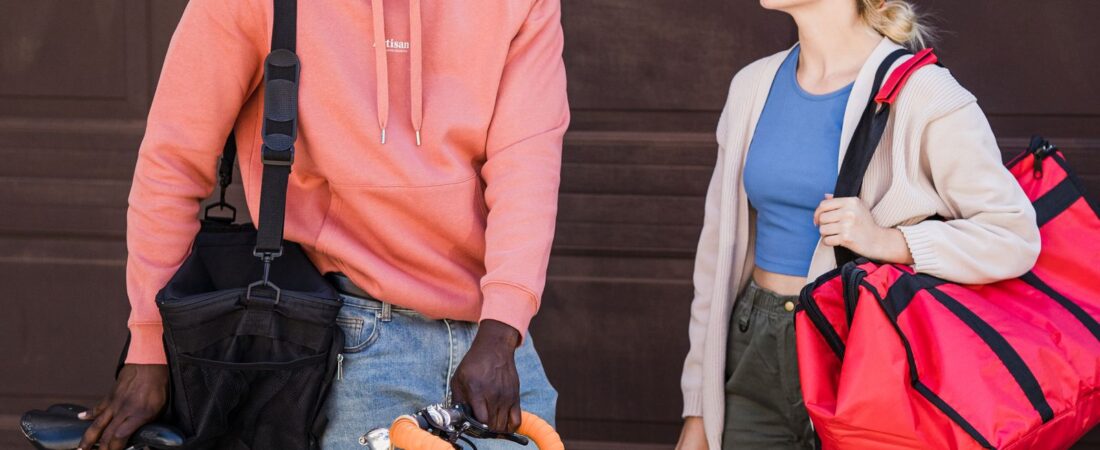
The single most important investment you can make as a delivery driver is a high-quality insulated bag. DoorDash requires drivers to use hot bags for all orders, and Uber Eats strongly recommends them. A good bag costs between $20 and $60 and pays for itself in higher ratings, fewer complaints, and better tips.
Look for bags with thick foam or multiple-layer insulation (at least 5mm), waterproof or water-resistant exterior, reflective interior lining to retain heat, secure zipper or velcro closure, and easy-clean interior since spills happen. Many drivers in New York City and Chicago prefer larger catering bags that can handle 4 to 6 bags of food at once. If you multiapp with DoorDash and Uber Eats simultaneously, having two separate hot bags keeps orders organized and prevents cross-contamination between different restaurants’ food.
Coolers and Ice Packs
For grocery and cold-food deliveries, a separate cooler bag with reusable ice packs is essential. Instacart drivers in Miami during July know that ice cream can turn into soup in under 10 minutes without proper cold storage. Look for hard-sided coolers or high-quality soft coolers with at least 1.5 inches of insulation.
Temperature Monitoring Tools
Serious drivers use an instant-read infrared thermometer to spot-check food temperatures before delivery. A $15 to $25 infrared thermometer lets you verify that hot food is above 140°F and cold items are below 40°F. Some drivers in Atlanta and Houston keep one in their glove compartment and use it for every catering order.
Car Organization Tips
How you arrange your vehicle matters for food safety. Place hot bags on the floor of the front passenger seat, the coolest part of the cabin. Keep cold items in a separate cooler in the back seat or trunk. Use seatbelt straps to secure tall orders so they don’t tip over. Never put hot bags in the trunk during summer where temperatures can exceed 150°F. In winter, preheat your car 5 minutes before picking up an order to keep the cabin warm.
App-Specific Food Safety Policies in 2026
DoorDash Food Safety Requirements
DoorDash explicitly requires all Dashers to use a hot bag for every delivery. The company’s Dasher Privacy and Safety Guidelines state that failure to use insulated equipment can result in contract deactivation. DoorDash’s quality standards also require that food be delivered in the same condition it was received. Stacking heavy items on top of delicate ones, leaving bags in direct sunlight, or taking excessively long multi-pickup detours can all trigger customer complaints and account reviews.
Uber Eats Temperature Standards
Uber Eats delivery partners must take reasonable care of food during transit. The Uber Eats delivery guidelines emphasize that hot food should remain hot and cold food should stay cold. Uber Eats recommends using thermal bags for all deliveries and warns that repeated reports of cold or mishandled food can lead to reduced delivery opportunities or account suspension.
Spark Driver Temperature Requirements
Spark by Walmart has the strictest temperature policies since they handle groceries including raw meat, dairy, and frozen items. Spark drivers are expected to separate orders by temperature zone during pickup and delivery. Walmart’s Spark program provides insulated bags at orientation, but many experienced drivers in Austin and Dallas upgrade to heavy-duty catering bags for Walmart orders that include up to 50 items per batch.
Instacart Cold Chain Standards
Instacart emphasizes cold chain integrity for all perishable items. Instacart shoppers are trained to place refrigerated and frozen items in insulated bags during transport. In hot cities like Phoenix and Las Vegas, Instacart recommends using a dedicated cooler for ice cream, dairy, and meat orders. Delivering melted ice cream or warm chicken is a sure way to get a poor rating and lose batch access.
Food Safety Tips by City and Season
Summer Heat Strategies
If you deliver in Houston, Dallas, Phoenix, Miami, or Las Vegas, summer temperatures routinely exceed 100°F. Your car’s interior can reach 130°F to 150°F within minutes. Best practices for extreme heat include always using reflective windshield shades when parked, never leaving food in an unshaded parked car for more than 2 minutes, considering a 12V plug-in food warmer for long catering runs, keeping a cooler with ice packs for your own hydration, and accepting shorter delivery distances on extremely hot days to minimize exposure.
Winter Food Safety
Cold weather in New York City, Chicago, Boston, and Seattle creates different problems. While hot food cools faster in winter, cold food can freeze if left too long in an unheated car. Tips for winter deliveries include preheating your car briefly before picking up orders, using your hot bag even for short trips since cold air cools food fast, keeping cold items in the cabin never the trunk during freezing weather, and watching for ice on sidewalks and stairs when hurrying deliveries.
Rain and Humidity Challenges
Delivery drivers in Seattle, Portland, and Miami deal with chronic rain and humidity. Moisture can compromise food quality by making fried items soggy and weakening paper bags. Keep a waterproof outer bag or large ziplock bags in your car for rainy-day deliveries. A dry delivery looks professional and earns better tips.
Handling Special Food Safety Situations
Sushi and Raw Fish Deliveries
Raw fish must stay below 40°F at all times. When delivering sushi from Uber Eats or DoorDash, take the most direct route possible. Skip additional pickups if you have a sushi order on board. Sushi left in the danger zone for even 30 minutes can develop unsafe bacteria levels.
Dairy and Egg Deliveries
Instacart grocery orders with milk, eggs, cheese, and yogurt need priority treatment. Eggs are especially sensitive to temperature changes. If a customer in Los Angeles or Dallas orders eggs and ice cream together, deliver that batch before any other orders. Many experienced Instacart drivers keep a small cooler bag just for dairy and egg items.
Alcohol Deliveries
Uber Eats and DoorDash alcohol delivery programs require ID scanning and age verification at drop-off. Beer and wine must be kept cool but not frozen. If you are delivering alcohol in hot weather, longer exposure to cabin heat can spoil white wines and light beers. Consider a small thermal sleeve for single-bottle alcohol orders.
Catering and Large Orders
Catering orders through DoorDash Drive or Uber Eats Direct involve large quantities of food for offices, events, and parties in cities like New York, Chicago, and Los Angeles. These orders may include multiple courses at different temperatures. Use separate insulated containers for hot and cold items. Label bags clearly if dropping off at a busy office lobby. A $40 catering bag can handle orders worth $200 or more and earns significantly higher tips.
Customer Communication and Food Safety
How you communicate with customers about food safety can set you apart. When delivering in high-rise buildings in New York City or Chicago, let the customer know you have arrived via the app message. Every minute spent waiting for an elevator or finding a parking spot is a minute the food sits in the danger zone.
If a customer asks you to leave their order at the door for no-contact delivery, place hot bags directly on a clean dry surface. Avoid leaving food in direct sunlight. In Austin or Phoenix summer afternoons, direct sunlight on asphalt can reach 160°F. A simple text message saying your order is at the front door in a shaded spot shows you care about quality.
What to Do When Food Safety Goes Wrong
Spills and Damaged Packaging
If a drink spills or a container opens during transit, contact the customer through the app immediately. Offer a sincere apology and note the issue to DoorDash or Uber Eats support. Taking a photo of the situation helps your case if the customer reports a problem. Most platforms will comp the customer’s meal and still pay you for the delivery.
Suspected Unsafe Food
If you pick up an order and notice the food looks undercooked, the packaging is broken, or there is an unusual smell, you have the right to refuse delivery. Politely contact the customer and support to explain. Your safety and the customer’s health come first. DoorDash and Uber Eats both allow drivers to unassign orders without penalty if food safety is a concern.
Customer Complaints About Temperature
If a customer reports that food arrived cold, review your own process. Was the hot bag zipped? Was the food in the passenger cabin or the trunk? Did you take a long double-order detour? Most platforms allow you to add notes explaining circumstances. One complaint rarely affects your account, but repeated reports may trigger a review of your insulated equipment and delivery practices.
Food Safety Gear Budget Guide for 2026
You do not need to spend hundreds of dollars to keep food safe. Here is a practical gear budget for new delivery drivers.
Essential ($30 to $50): One large insulated hot bag ($20-30), one small cooler bag for cold items ($10-15), and reusable ice packs ($5-10).
Recommended ($60 to $100): Two hot bags, one large and one medium ($35-55), one hard-sided cooler ($20-35), ice packs and gel packs ($10-20), and a cup holder drink carrier ($5-10).
Premium ($100 to $150): Catering-grade insulated bag ($50-65), electric food warmer with 12V plug-in ($30-50), large cooler with wheels ($35-55), instant-read infrared thermometer ($15-25), and a trunk organizer for groceries ($20-35).
Delivery drivers in cities like New York, Los Angeles, Chicago, Houston, and Dallas who invest in the recommended setup report 15 to 20 percent fewer customer complaints and consistently higher ratings on their food quality feedback. A $60 investment in proper gear can easily pay for itself in the first week through better tips and more offers.
Final Thoughts: Food Safety Is Customer Service
Food safety is not just a health requirement. It is the core of good customer service. When a customer orders dinner through DoorDash or Uber Eats in Austin, Houston, or Chicago, they trust you to deliver their meal in the same condition as if they ate it at the restaurant. Great delivery drivers treat every insulated bag like a promise: the food inside will arrive hot, fresh, and safe.
By understanding the temperature danger zone, investing in quality gear, learning your app’s specific policies, and adapting to your city’s weather conditions, you can deliver a better experience, earn higher ratings, and make more money. That is what separates five-star drivers from average ones.
Ready to Earn More as a Delivery Driver?
Sign up for Uber Eats today and earn a $2,575 guaranteed bonus after completing your first 200 deliveries in select US cities.