

Car Key Replacement for Delivery Drivers: The 2026 Cost-Saving Guide
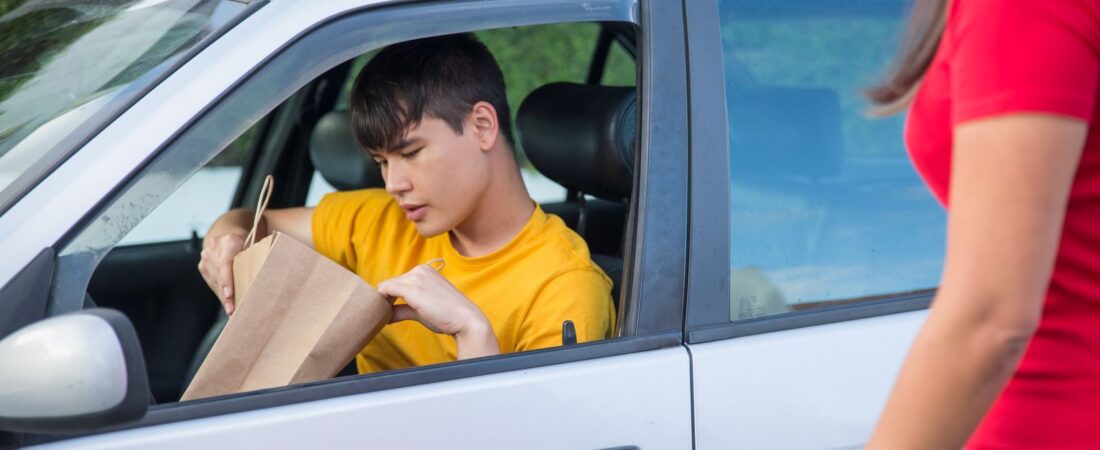
It happens to the best of us: you finish a delivery, hop back in the car, reach for the ignition… and your pocket is empty. The key is gone. For a delivery driver, a lost key isn’t just an inconvenience — it’s a dead shift, a missed dinner rush, and a bill that can eat an entire day’s profit. In 2026, replacing a modern car key can cost anywhere from $50 to more than $1,000 depending on the type of key, the vehicle, and where you get the work done.
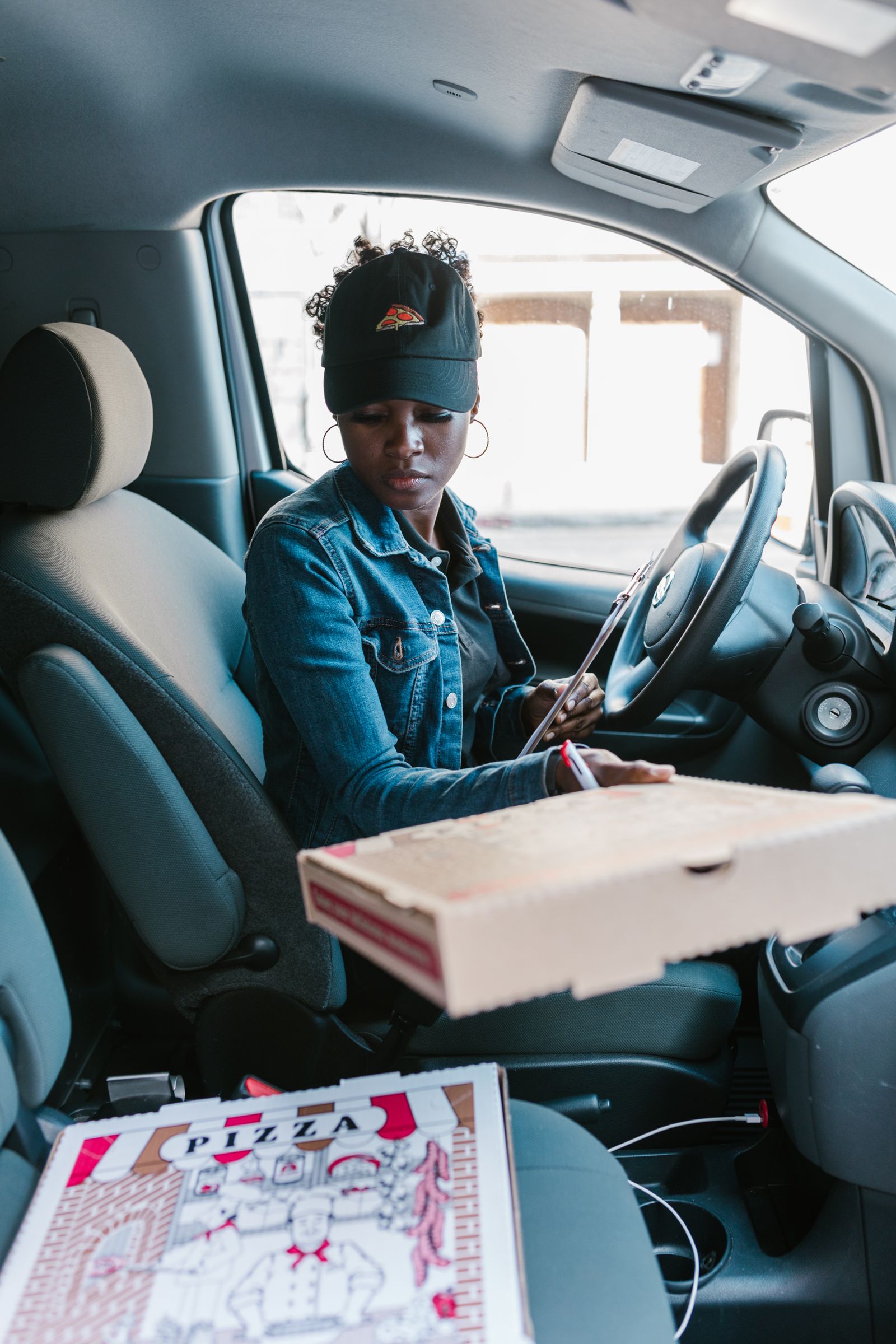
I’ve been driving for DoorDash and Uber Eats for five years, and I’ve locked myself out twice and lost a fob once. Every mistake cost me more than the replacement itself — I lost hours of peak-time earnings, paid cancellation penalties on stacked orders, and spent the rest of the shift playing catch-up. This guide is everything I wish I’d known before that first lockout: what keys actually cost in 2026, where to get them replaced without getting ripped off, and the simple habits that keep your keys in your pocket where they belong.
Why Delivery Drivers Lose Keys (and Why It Costs More)
Delivery drivers put more wear and tear on their keys than almost any other driver on the road. You’re in and out of the car 40 to 60 times a day. Keys get shoved into pockets, dropped on restaurant counters, left in the ignition while you run a hand-off to a door, or buried under bags in the passenger seat. Between DoorDash, Uber Eats, Spark, and Instacart orders, you handle your keys constantly — and every hand-off is a chance for them to slip away.
There’s also the “back pocket” effect. Leaning into the trunk or a low car seat bends and stresses fob buttons. Over time, that stress cracks the circuit board or wears out the buttons, which is why many drivers suddenly find their fob “dead” even though the battery is fine.
Beyond that, the modern smart-key fob is a target for expensive replacement. Push-to-start cars with keyless entry are convenient, but they’re also the most expensive keys in existence to replace. Dealerships know that when you’re stranded, you’re a captive customer — and they price accordingly.
Car Key Replacement Costs in 2026: What You’ll Actually Pay
Prices vary wildly by key type, so let’s break down what you can expect to pay in 2026. The general rule: the more modern the key, the more it costs.
Basic Metal Keys: $50–$150
If you drive an older car with a plain metal key — no chip, no remote — you’re in luck. A basic key costs $50 to $150 to replace, and most locksmiths can cut one in under 30 minutes while you wait. These are the cheapest keys to replace, but they’re also the least secure, which is why most cars built after 2000 use at least a transponder key.
Transponder Keys (Chip Keys): $120–$300
Transponder keys contain a small chip that communicates with your car’s immobilizer system. If you lose a transponder key, the replacement has to be cut AND programmed to match your vehicle’s computer. That programming step is what pushes the price up. Expect to pay between $120 and $300 for a transponder key replacement in 2026, with the exact cost depending on your make and model. Common cars like a Toyota Corolla or Honda Civic tend to run on the low end; luxury or less-common models cost more.
Smart Keys and Proximity Fobs: $200–$700+
This is the expensive one. Smart keys — the push-to-start fobs with keyless entry — are the most costly keys to replace. In 2026, a smart key fob replacement runs from about $200 on the low end to $700 or more on luxury and high-end models, and some premium display keys can push past $1,000. The fob itself is expensive hardware, and the programming requires dealer-level equipment that can talk to your car’s security system.
Key Fob Battery Replacement: $3–$10
Here’s the good news: most “dead key fob” situations aren’t the fob at all — it’s just the battery. Key fobs use small CR2032-style coin batteries that cost $3 to $10 and take about two minutes to swap yourself. If your car stops recognizing your fob, replace the battery before you pay anyone for a new key. This single habit saves drivers hundreds of dollars a year.
Dealership vs. Mobile Locksmith: Where to Go (and Where Not To)
When you need a replacement key, you have two main options: the dealership or an automotive locksmith. The price difference is dramatic.
Dealerships charge a premium for parts and labor — often 60 to 80 percent more than a locksmith for the same key. You’re paying for the showroom, the service department overhead, and the brand name. For a smart key fob that a locksmith might replace for $250, a dealer could easily quote $500 to $700. Dealerships also often require you to tow the car to them, adding another $100 to $200 to the bill if you’re stranded.
Mobile automotive locksmiths, on the other hand, come to you. A good locksmith can cut and program most keys on-site in 30 to 120 minutes using an OBD-II port to program transponder and smart keys. For delivery drivers, the mobile aspect is huge — a locksmith who meets you in the parking lot where you’re stranded means you can get back on the road instead of losing the whole shift.
Before you call anyone, do three things: (1) search for a locksmith with automotive certification and reviews that specifically mention key programming, (2) get a flat-rate quote on the phone BEFORE they come out — a legitimate locksmith will quote a price and stick to it, and (3) avoid “low price” bait-and-switch ads. A too-good-to-be-true quote of $49 for a smart key is almost always a scam that balloons once they arrive.
What to Do When You’re Locked Out Mid-Shift
Locked out mid-shift is every driver’s nightmare, but how you react determines how much money you lose. Here’s the playbook.
First, stop the bleeding on your active orders. If you have an order in your car, contact the customer immediately, then the app’s support line, to explain the situation. DoorDash, Uber Eats, and Instacart will usually cancel or reassign an order when you explain a vehicle issue — you don’t want to eat a contract violation on top of a lockout. Unassigning cleanly protects your completion rate.
Second, call your roadside assistance BEFORE you call a locksmith. AAA and most roadside plans include lockout service — in many cases you get one or two free lockouts per year as part of your membership. If you have roadside coverage through your insurance, your credit card, or a dedicated plan, that’s the cheapest first call you can make. Our roadside assistance guide for delivery drivers breaks down the coverage options worth having. Many drivers pay for this coverage and never use it — this is exactly the moment it pays for itself.
Third, if you have no roadside coverage, call a mobile locksmith for a quote. Expect $50 to $150 for a simple lockout (non-destructive entry), depending on your location and the time of day. A basic lockout is much cheaper than a lost-key replacement, so if your key is merely locked inside the car, that’s the best-case scenario.
And here’s a driver-specific tip: keep an emergency kit in your car with a spare key or a hide-a-key solution — more on that below. Being able to solve a lockout in two minutes instead of two hours is the difference between salvaging your shift and losing it entirely.
How to Prevent Lockouts and Lost Keys (Before They Cost You a Shift)
Prevention is the cheapest car key strategy there is. These five habits will save you more money than any replacement deal.
Make a Spare Key Your First Purchase
The single best investment any delivery driver can make is a spare key. If you have a basic or transponder key, get a duplicate cut for $50 to $150 and keep it somewhere smart. Don’t keep it in your wallet or on the same keychain as your main key — that defeats the purpose. Consider a magnetic hide-a-key box secured under the car (make sure it won’t fall off or rattle), or better yet, leave a spare with a trusted family member or friend who can meet you in a pinch. If you drive a smart-key car, program a spare fob and keep it at home — yes, it’s $200+, but it’s a fraction of the cost of a tow plus a dealer replacement when you’re stranded.
Change Your Fob Battery on a Schedule
Don’t wait for your fob to die mid-shift. Most fobs give you a few weeks of warning — the car starts taking longer to detect the key, or you have to press harder. When you notice that, replace the $5 battery the same day. Put it on a twice-a-year schedule (like the clock changes) and you’ll never get stranded by a dead fob.
Keep Your Key on a Tether, Not Loose in a Pocket
Loose keys in pockets are how keys get lost. Use a carabiner or a dedicated clip to attach your key to a belt loop or bag strap when you’re out of the car on a hand-off. It’s a two-second habit that eliminates the most common loss scenario: the key that slides out of a pocket while you’re juggling a drink carrier and a food bag.
Know Your Roadside Coverage
Check what your roadside assistance actually covers — lockout service is included in most plans but not all. If yours doesn’t include it, consider upgrading; the annual cost of a plan with lockout coverage is far less than one after-hours locksmith call. Our delivery driver emergency kit guide walks through what every driver should carry, including key-related essentials.
Don’t Leave the Car Running at Pickups
It’s tempting to leave the car idling with the keys in it during a quick pickup, but that’s how keys get locked inside — and in some cities, it’s how cars get stolen. Take the 10 seconds to shut it off and take your key. The time you “save” idling isn’t worth the risk.
Other Key Costs Worth Knowing About
While we’re on the subject, a few adjacent costs can catch drivers off guard. If you lose ALL your keys — the “all keys lost” scenario — the price jumps: a locksmith has to create a key from scratch and program it with no existing key to copy. Budget $200 to $400 or more for that scenario depending on your car.
Also, your car battery and key fob are connected in a way you might not expect. A weak or dying car battery can make a key fob behave erratically or fail to communicate with the car, which drivers often mistake for a broken fob. If your fob is acting up AND your car has been slow to crank, test your car battery before you spend money on key programming.
And if you’re dealing with a key that’s physically broken — the metal blade snapped off the fob — a locksmith can often repair or re-key it for less than a full replacement. Don’t assume a broken key means a new key. The same proactive mindset that keeps you from getting stranded with a flat tire or an overheating engine applies to your keys: deal with the warning signs early, and the expensive emergencies never happen.
Final Thoughts: Keys Are a Tool, Treat Them Like One
Your car key is the one piece of equipment you use more than any other as a delivery driver — more than your phone mount, your hot bag, or your dash cam. But unlike those, most drivers never think about it until it’s too late. The math is simple: a $5 battery change or a $100 spare key prevents a $300 replacement and a $150 lost shift.
Before your next shift, take five minutes: check your fob battery, decide where a spare key will live, and confirm your roadside plan covers lockouts. Future-you, stranded in a parking lot at 9 PM during the dinner rush, will be grateful.
Ready to Earn More as a Delivery Driver?
Keep your car rolling and your shift on track. New drivers who sign up through our partner link get a head start on high-paying delivery work in their area.
New drivers: Sign up through our partner link and start earning today!
Sign Up for Uber Eats and Start Delivering →
Background check required. Terms apply.