

Retail Delivery in 2026: How Gig Drivers Can Profit from the Retail Delivery Boom
If you still think of DoorDash, Uber Eats, and Instacart as “food apps,” you’re looking at 2025 through a rearview mirror. In 2026, the biggest growth story in gig work isn’t another burger joint joining the apps — it’s retail delivery. Sephora makeup, Best Buy electronics, Macy’s clothing, Nike sneakers, Costco pallets of paper towels, even 7-Eleven snacks are now showing up as delivery offers on the same apps you already run. For drivers, that means a whole new stream of orders that pay differently — often better — than the lunch rush. Here’s everything you need to know about cashing in on the retail delivery boom in 2026.
What Is Retail Delivery and Why Is It Exploding in 2026?
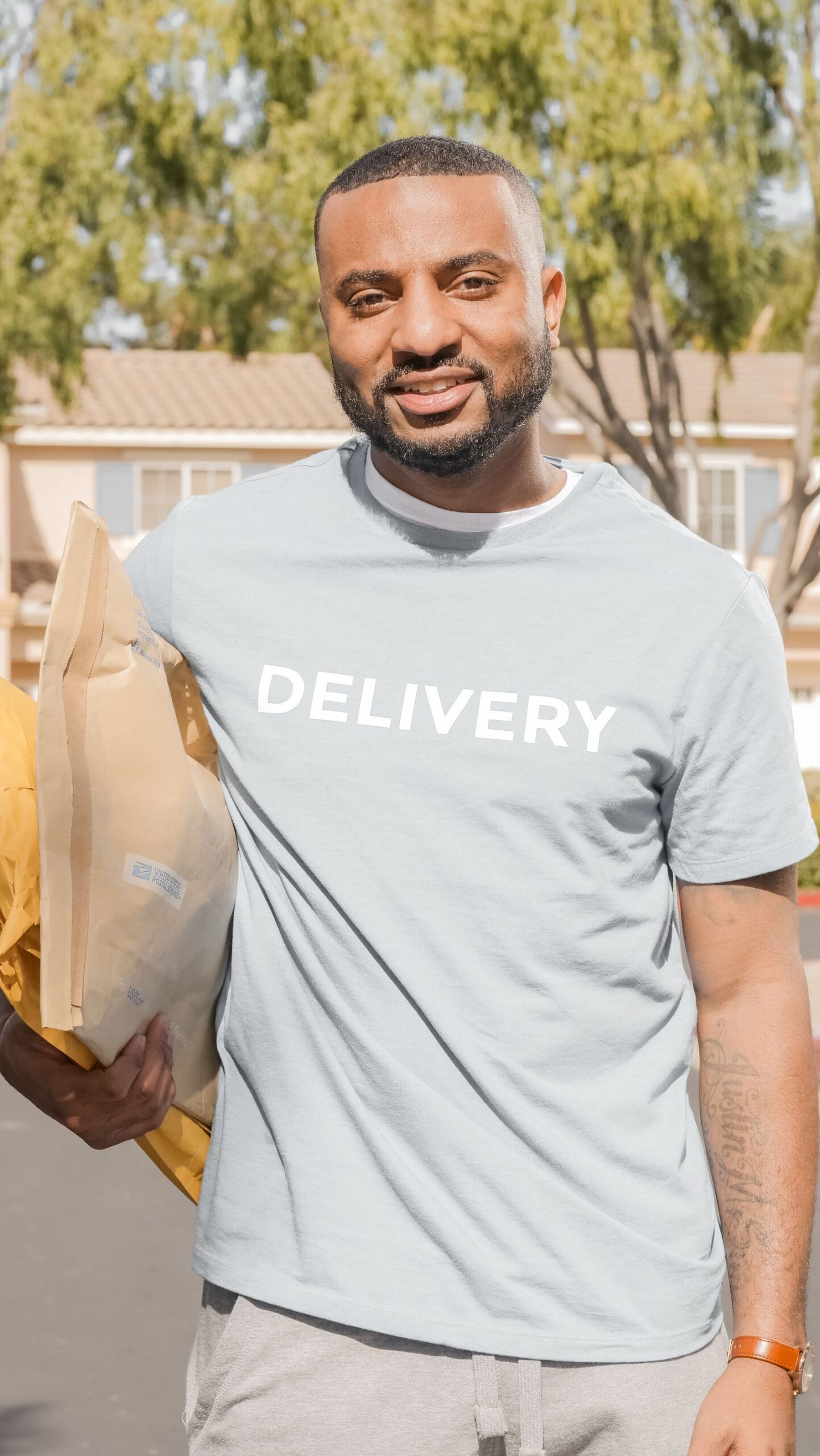
Retail delivery is exactly what it sounds like: instead of picking up a sealed bag of food from a restaurant, you pick up a shopping order from a store — clothes, electronics, beauty products, home goods, office supplies, pet supplies — and deliver it to the customer’s door. It’s the same gig-worker model, just with a very different kind of cargo.
The data says this is the single fastest-growing corner of the gig economy. The Gridwise 2026 Gig Mobility Report, which tracks real driver activity across Grubhub, Uber Eats, and DoorDash, found that platforms that traditionally focused on food delivery expanded aggressively into retail and grocery over the past year. Why? Simple math on the platform side: the average retail order is worth far more than the average restaurant order, so the commission per trip is bigger. And on the driver side, retail orders fill the daytime dead zones when lunch and dinner rushes haven’t started yet.
Retail delivery isn’t a side experiment anymore — it’s a core part of how the apps are growing, and drivers who learn how to handle it well get first pick of the best offers.
Which Apps Are Paying Drivers for Retail Orders in 2026?
You probably already run at least one of these apps. Here’s where the retail volume is, and what’s worth knowing about each one.
Uber Eats Retail: Way Beyond Burgers
Uber Eats has been quietly building one of the biggest retail catalogs in the game. In 2026 you can get offers from Sephora, Best Buy, Macy’s, Nike, and Dick’s Sporting Goods, plus convenience-store partners like 7-Eleven. That’s not a gimmick — those are national retail brands shipping real inventory through the Uber Eats driver network. The app even added a dedicated “shopping” tab for customers, which means the order volume keeps climbing.
DoorDash Retail: The 250-Product Rule
DoorDash has pushed hard into retail too. To qualify as a retail merchant on the platform, a shop has to list at least 250 products with photos, descriptions, and prices — a threshold designed to keep the catalog deep enough to matter. That’s why you see everything from pet stores to hardware stores to convenience chains on the Dasher app, not just restaurants. DoorDash’s retail and grocery categories have grown faster than its restaurant business for multiple quarters running.
Instacart: The Retail Heavyweight
Instacart was doing retail before it was cool. Its partnerships with Costco, Sephora, Petco, and Best Buy mean shoppers see huge multi-item orders every day of the week. If you’ve ever done a Costco run, you know these orders are heavy, but they’re also some of the best-paying offers in gig work when the tip math works out. For a deeper look at the wholesale side of things, check out our Costco and Sam’s Club delivery driver guide, and for the grocery-warehouse side, our warehouse and grocery delivery guide has you covered.
How Much Can You Actually Earn Doing Retail Deliveries?
Here’s where retail gets interesting for your bottom line. Because retail orders have a much higher average order value than restaurant meals, the payouts scale differently:
- Percentage-based tips get bigger. Tip a driver 10 percent on a $12 burrito and you get $1.20. Tip 10 percent on a $180 Sephora order and that’s $18. Many customers tip a flat percentage on retail orders, so the tip alone can beat an entire food delivery payout.
- Base pay skews higher. Apps price retail deliveries with more weight per mile and per item, because the orders are physically bigger. A 10-mile retail run usually pays more than a 10-mile food run on the same app.
- Stacked offers are common. Retail pickups cluster at the same stores, so you’ll regularly see double and triple batches from one pickup point. Our multi-apping strategy guide shows how to combine those stacks across apps for even better hourly rates.
For context on what realistic 2026 earnings look like across the apps, our real delivery driver earnings breakdown breaks down the numbers with actual driver data. The short version: drivers who mix retail into their day routinely smooth out the dead hours that drag down food-only drivers’ averages.
Retail vs. Restaurant Orders: What’s Actually Different
Retail pays differently because the work is different. Knowing the differences before you accept saves you from surprise 40-pound orders and angry “where’s my package?” messages.
Bigger, Heavier, and More Fragile
A restaurant order fits in one bag. A retail order can be a 50-inch TV, a case of toner, a glass jar of face cream, or a box of dumbbells. You’re not just driving — you’re loading, unloading, and sometimes hauling things up stairs. The same skills that make you good at catering and large orders apply here, and if you’ve handled beverage runs with heavy cases, you already know the lifting game.
Store Pickup Is a Different Waiting Game
Restaurants hand you a bag; retail stores hand you a cart. Expect a different checkout process: you’ll show the order number at a pickup counter, wait while an employee pulls the items from the back, and then verify the count before you leave. Some stores are lightning fast; others treat driver pickup like an afterthought. Factor the wait into your accept decision — a $20 offer that takes 25 minutes to pick up is a $12 offer in disguise.
Communication and Handoff Rules
Retail customers are often home when you arrive, and many orders require a signature or a PIN. You’ll also deal with more “leave at door” instructions for expensive items, which means the delivery photo matters more than ever — that’s your proof the $400 order actually arrived.
7 Strategies to Make Retail Delivery Profitable in 2026
1. Chase the daytime hours
Restaurant demand peaks at lunch and dinner. Retail demand peaks mid-morning to mid-afternoon — exactly when food offers go quiet. Running retail during those hours keeps your active time high instead of sitting in a parking lot.
2. Run multiple apps
Uber Eats, DoorDash, and Instacart all push retail volume at different times. Running two or three apps means you see the widest spread of retail offers, and you can cherry-pick the best pay-per-mile runs instead of accepting whatever a single app throws at you.
3. Do the pay-per-mile math before you accept
Retail orders look lucrative until you count the pickup wait and the loading time. Quick rule of thumb: divide the total payout by your total committed time (pickup + drive + drop-off). If it clears $20 an hour after expenses, take it. If not, let it go — another retail offer is usually minutes away.
4. Gear up for heavy orders
A collapsible dolly or hand truck, a couple of bungee cords, and a foldable crate turn miserable 40-pound hauls into two-minute loading jobs. The $40 investment pays for itself in the first week of retail runs.
5. Protect fragile and expensive items
Cosmetics, electronics, and glassware don’t survive potholes in a loose trunk. Keep a blanket or two in the car, wedge boxes so they can’t slide, and drive like the cargo is yours. One damaged $300 order can eat a whole day’s profit.
6. Build relationships with store staff
Pickup counters are chaotic. If the staff knows you’re polite, patient, and quick to verify your orders, your wait times drop. Some drivers get waved ahead of the line once the employees recognize them. That’s a raise nobody else sees.
7. Track every single mile
Retail orders often mean longer hauls, and every one of those miles is deductible at the 2026 IRS rate of 76 cents per mile (in effect since July 1, 2026). A 200-mile retail week is $152 off your taxable income. Our IRS mileage rate guide walks through the full deduction math so you keep every dollar you’re entitled to.
What About the Robots? Will Delivery Robots Take Retail Orders?
You’ve probably seen the headlines about autonomous delivery — DoorDash’s sidewalk robot, Dot, has been testing in Phoenix, and it’s grabbed plenty of press. But here’s the reality: Dot struggles with loading, navigation, and “tricky deliveries,” according to DoorDash’s own CEO, Tony Xu. And even when robots work, they’re built for small, nearby orders — not 40-pound retail boxes, not multi-item store pickups, and not apartment buildings with gate codes. For the foreseeable future, retail delivery’s weight and complexity is exactly what keeps human drivers in the loop. We dig deeper into the automation question in our will drones replace delivery drivers analysis.
Ready to start stacking retail orders into your day? Sign up or switch on retail categories in the apps you already run. And if you’re new to the game, use referral code vuccxew when you sign up for Uber Eats to get a boost on your first deliveries — every food and retail order counts.
Ready to Earn More as a Delivery Driver?
Sign up for Uber Eats today and earn a $2,575 guaranteed bonus after completing your first 200 deliveries in select US cities. Retail orders, food orders, grocery runs — they all count toward the bonus.
Frequently Asked Questions
Do retail delivery orders pay more than food orders?
Usually, yes. Retail orders have higher base pay because of weight, item count, and longer hauls, and percentage-based tips on higher-value orders are significantly bigger than tips on a $15 meal. The catch is pickup time — a slow store can eat into the advantage, so the pay-per-mile math matters more than the sticker price.
Which app has the most retail delivery orders in 2026?
Instacart has the deepest retail catalog (Costco, Sephora, Petco, Best Buy), while Uber Eats and DoorDash are growing their retail categories the fastest. Drivers who run all three see the most retail offers — multi-apping is the single biggest edge you can give yourself.
Do I need a special vehicle for retail delivery?
No. A standard sedan with a back seat and trunk handles most retail orders. Larger items (furniture, big appliances) usually go through dedicated freight services, not gig apps. If you drive a hatchback, SUV, or van, you’ll simply have an easier time with bulky orders and get picked for more of them.
Can I do retail deliveries part-time?
Absolutely. Retail offers are concentrated in daytime and weekend hours, which makes them a natural fit for part-time drivers, stay-at-home parents, and anyone filling gaps around another job. You can accept or decline every offer, just like food delivery.
Do retail deliveries count toward my mileage deduction?
Yes. Every mile driven while logged in and delivering — including retail pickups and drop-offs — is a deductible business mile at the 2026 IRS rate of 76 cents per mile. Track every trip with a mileage app and keep the receipts for any purchases you make for the job.