
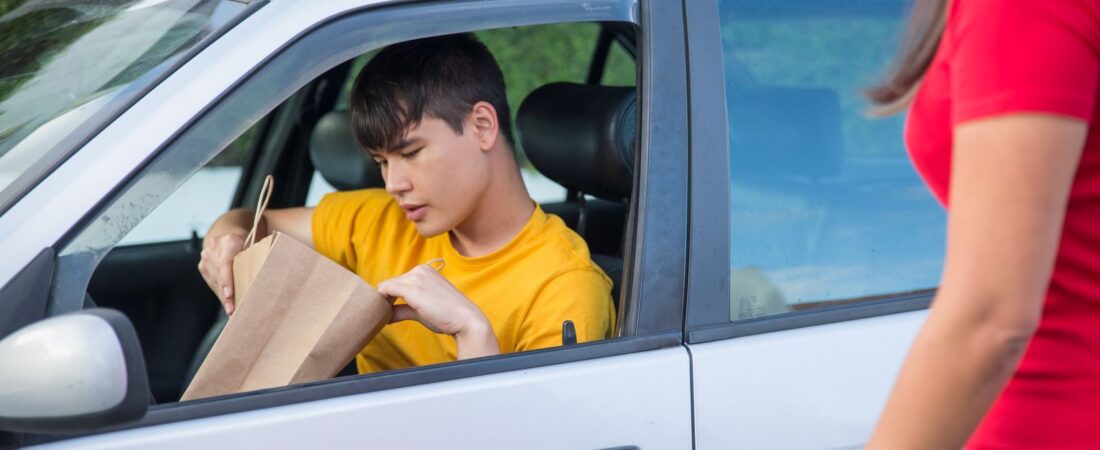

Instacart Shopper Guide 2026: Real Earnings, Requirements & Tips
Thinking about shopping for Instacart in 2026? You’re not alone. Instacart is still one of the biggest grocery delivery platforms in the country, and every week thousands of new shoppers sign up to shop and deliver for busy families. But here’s the honest part nobody tells you in the sign-up flow: what you actually take home depends on your market, your timing, and how smart you are about accepting batches. This guide breaks down real 2026 earnings, the requirements to get approved, and the exact strategies experienced shoppers use to stack cash.
How Much Do Instacart Shoppers Really Make in 2026?
Let’s start with real numbers. Most full-service shoppers in 2026 earn between $15 and $25 per hour gross, according to multiple 2026 earnings studies and shopper surveys. After you subtract gas, maintenance, and taxes, the realistic net lands closer to $11 to $22 per hour. That’s the honest range — not the $30-an-hour screenshot you see in YouTube thumbnails.
That said, experienced shoppers in high-income suburbs routinely clear $25 to $30 per hour net on weekends, and top performers in expensive metro areas like San Francisco, New York, and Los Angeles can push $30 to $40 per hour during peak windows. ZipRecruiter put the average Instacart shopper salary at about $38,119 a year as of mid-2026 — but averages hide the fact that this is a part-time-flexible hustle where your schedule controls your income. If you want the full picture on what other gig apps pay, our real delivery driver earnings report breaks down 2026 pay across every major platform.
How Instacart Pay Works: Batch Pay, Tips & Heavy Pay
Your Instacart paycheck is built from three buckets. Understanding them is the difference between earning $12 an hour and $25 an hour.
1. Batch pay
This is the base amount Instacart pays you to shop and deliver an order. In 2026, batch pay typically ranges from $4 to $30 per batch, with most single-order batches paying between $7 and $15. Double and triple batches pay more, but they also take longer — and you need to do the math on time, not just the dollar amount.
2. Customer tips
Here’s the good news: Instacart passes 100% of customer tips through to shoppers. In 2026, tips make up a staggering 50% to 70% of total shopper income on average. That means a $7 batch with no tip is often a losing proposition once you factor in gas — and a $12 batch with a $10 tip is your bread and butter. Experienced shoppers don’t just accept everything; they learn to spot orders where the tip-to-mile ratio works in their favor.
3. Heavy pay and bumps
Orders with cases of water, big packs of soda, or heavy produce trigger heavy pay bumps of $5 to $15. You’ll also see promo bumps during high-demand windows. If an order looks heavier than what you were offered for, contact shopper support and ask for the adjustment — it’s a legit bump that experienced shoppers collect all the time. For a deeper playbook on shopping faster and picking better batches, our grocery shopping efficiency guide is required reading.
Instacart Shopper Requirements in 2026: Can You Qualify?
Before you can earn a dime, you have to pass the application. Here’s exactly what Instacart requires in 2026:
- Age: 18 or older. You must be 21+ to deliver orders containing alcohol.
- Work authorization: You must be legally authorized to work in the United States.
- Smartphone: A phone running iOS 17+ or Android 8.0+ that can handle the Instacart Shopper app.
- Physical requirements: You need to be able to lift at least 50 pounds — cases of water and giant bags of dog food are routine.
- Background check: A clean criminal and driving record. Instacart uses Checkr, and approval typically takes 3 to 7 days.
- Vehicle: A reliable car with valid insurance and a valid driver’s license. In select dense markets, bike and walking shoppers can also apply.
One thing to know before you apply: the background check looks at both your criminal history and your driving record. Minor violations usually won’t kill your application, but recent DUIs or major infractions will. If you already drive for other apps, your experience helps — our Spark driver guide and Grubhub guide cover the requirements for those platforms if you want to compare your options.
Best Times to Shop: When the Money Is Actually Good
Timing is everything on Instacart. The best windows in 2026 are:
- Weekend mornings (8 AM – 12 PM): Saturday and Sunday are the highest-volume days. Families order breakfast and early lunch groceries, and demand often outpaces supply of shoppers.
- Weekday evenings (4 PM – 8 PM): Dinner-rush grocery orders surge after people get off work. This is when batch pay and tips both climb.
- Friday and Sunday afternoons: Pre-weekend and pre-workweek stocking runs mean bigger, better-tipping orders.
- Holiday weeks: Thanksgiving week, Christmas week, and Super Bowl Sunday are the highest-paying stretches of the year — plan around them.
Pro tip from veteran shoppers: check the demand map in the app before you start. If your zone is glowing orange or red, get out there — that’s surge demand, and batches will be better. Also remember that grocery demand is steadier than restaurant delivery, which makes Instacart a great platform to pair with food apps. Our multi-apping guide shows you exactly how to run Instacart alongside DoorDash and Uber Eats without burning out.
Shop & Deliver vs. In-Store: Which Shopper Type Pays More?
Instacart runs two main shopper models in 2026, and they pay very differently:

- Full-service shoppers shop the order and deliver it to the customer’s door. This is the classic model and the one with real earning potential — typically $18 to $26 per hour net in most markets because you collect both batch pay and tips.
- In-store shoppers only pick items inside the store and hand them off to a driver. Pay is hourly — usually $13 to $17 per hour — with no tips. It’s steady and low-stress, but the ceiling is much lower.
If your goal is maximum income, full-service is the way to go. If you want predictable hours with zero vehicle costs, in-store might suit you better. Just know that in-store positions are rarer and usually concentrated in metro areas with high order volume.
2026 Changes That Affect Your Pay: NYC Law & App Updates
A few 2026 changes are worth knowing about before you start. The biggest one: New York City’s grocery delivery law prompted major changes for Instacart shoppers, with stricter constraints and requirements that took effect on July 1, 2026. If you shop in NYC, read the updates in the Shopper app carefully — pay structures and order constraints there now differ from the rest of the country.
Beyond that, Instacart continues to tweak batch distribution, priority access for veteran shoppers with high ratings, and promotion structures. Keeping your rating above 4.7 and your cancellation rate low is the single most reliable way to see better batches. Our challenges and promotions guide explains how to milk these systems for extra cash.
Taxes, Mileage & Hidden Costs Every Shopper Must Track
Here’s where most new shoppers lose money: they forget that every mile counts. In 2026, the IRS standard mileage rate is 76 cents per mile — that’s a massive deduction for shoppers who track everything. Driving to the store, between stores, and to the customer’s door all count as business miles from the moment you accept a batch.
Use a mileage tracker (or just log it manually at the end of each day), because that deduction is often worth more than your gas savings. Combined with deductions for your phone plan, insulated bags, and a portion of your car costs, most shoppers can wipe out a big chunk of their tax bill. Our IRS mileage rate guide walks you through the 76-cent deduction step by step.
And don’t forget the hidden costs: gas, oil changes, tires, and the wear-and-tear that 100+ miles a day puts on your car. If you’re shopping from a warehouse store, check out our Costco and Sam’s Club guide — wholesale orders pay differently and deserve their own strategy.
Is Instacart Worth It in 2026? The Honest Verdict
Yes — with caveats. Instacart is one of the few gig apps where tips dominate your income, which means good service genuinely pays. Shoppers who communicate well, pick good replacements, and deliver on time consistently see better tips and higher batch priority. That’s the loop: good ratings → better batches → more money.
But it’s also a market-dependent hustle. In oversaturated zones, batch quality drops and you’ll see more $7 no-tip offers — decline those and wait for better ones. In growing suburbs, demand is strong and $25/hour net is realistic on weekends. The bottom line: Instacart is a solid pillar of a multi-app income strategy, not a get-rich-quick gig.
If you want one more platform in your rotation, our warehouse and grocery delivery guide covers Whole Foods, Amazon Fresh, and similar high-ticket orders that pair perfectly with Instacart shifts.
Start Earning More with Uber
While you’re building your Instacart game, add another income stream. Uber lets you deliver food, groceries, and packages on your own schedule, with weekly pay and the option to cash out any time. Sign up through this link and you could earn up to $2,575 in guaranteed earnings in your first month in eligible cities. It takes about a week to get approved, so start the process now and stack it with your Instacart shifts.
Between Instacart, Uber, and the other apps in your rotation, a well-planned week can easily hit $800 to $1,200. Shop smart, track your miles, and keep your rating high — that’s the whole game in 2026.