


The January 2026 blizzard killed 174 people and caused over $4 billion in damage across the United States. The February 2026 storm that followed knocked out power to more than 600,000 homes, cancelled 9,000+ flights across the Northeast, and placed New York City under a travel ban enforceable as a Class B misdemeanor. DoorDash suspended all service in the five boroughs. You couldn’t get an order on any platform even if you tried.
For delivery drivers, every major blizzard presents three possible outcomes: sit home earning nothing, drive into danger and get hurt, or — if you prepare and time it right — pocket $28–$38 per hour in surge pay while most drivers stay off the road. This guide is about landing in that third category. We cover the 2026-27 winter forecast, storm alert levels, driving ban rules, how apps actually behave during emergencies, pre-storm prep, survival gear, and the honest earning math behind blizzard shifts.
What the 2026-27 El Niño Forecast Means for Your Delivery Market
NOAA is forecasting a powerful El Niño this winter — 81% chance of “very strong” intensity between October and December 2026, with a 97% probability it extends into early spring 2027. For delivery drivers, that reshapes the risk map across the country.
El Niño shifts the jet stream southward, pushing above-normal precipitation into the Gulf Coast, Southeast, Southern Plains, and mid-Atlantic. Markets like Houston, Atlanta, Nashville, Charlotte, Philadelphia, and Washington D.C. face elevated ice storm and heavy snow risk this season — in cities that don’t have the snow-clearing infrastructure of Northern markets, which means roads freeze faster and chaos arrives sooner. Meanwhile, the Pacific Northwest and Northern Plains may see drier, milder conditions, but that doesn’t eliminate surprise storms across Denver, Kansas City, Indianapolis, or Chicago.
The January 2026 storm — 174 fatalities, over $11.3 billion in total seasonal damage — proved that even experienced winter markets get caught off guard when a storm accelerates or intensifies beyond forecast. El Niño shifts the odds. It doesn’t cancel blizzards. Plan accordingly regardless of what the outlook shows for your region.
Winter Storm Watch vs. Warning vs. Advisory: Know Before You Go Out
The National Weather Service issues three alert levels for winter weather. They sound similar. They are not — and your shift strategy for each one should be completely different.
Winter Storm Watch (24–48 Hours Out)
Conditions are favorable for a significant winter storm within the next 24–48 hours. Nothing is imminent yet. This is your prep window — fill the gas tank, run your vehicle checklist, and plan your schedule around the forecasted impact time. Surge is coming. Drivers who prep now are the ones who capture it.
Winter Storm Advisory (Active but Moderate)
Winter weather is occurring or expected, but conditions are less severe — typically 2–4 inches of snow or light ice. Many drivers skip these days without good reason. Advisory windows are often the sweet spot: enough demand to trigger surge pay, manageable roads, and significantly fewer competitors. Don’t leave this money on the table.
Winter Storm Warning (Significant Storm Imminent)
A major winter storm is occurring or imminent within the next 12–24 hours. Roads will deteriorate. Demand spikes as people order in rather than venture out. Peak Pay and weather surge windows typically open hard during this phase. Know your exit strategy before your shift starts — not after conditions decline.
Blizzard Warning (Extreme Conditions)
Sustained winds at or above 35 mph combined with heavy snow reducing visibility below ¼ mile for 3 or more continuous hours. This is a different situation entirely. Re-read the “When to Stop” section at the bottom of this guide before going out during a blizzard warning, not after you’re already on the road.
Driving Bans: What They Mean and Why Gig Drivers Are Not Exempt
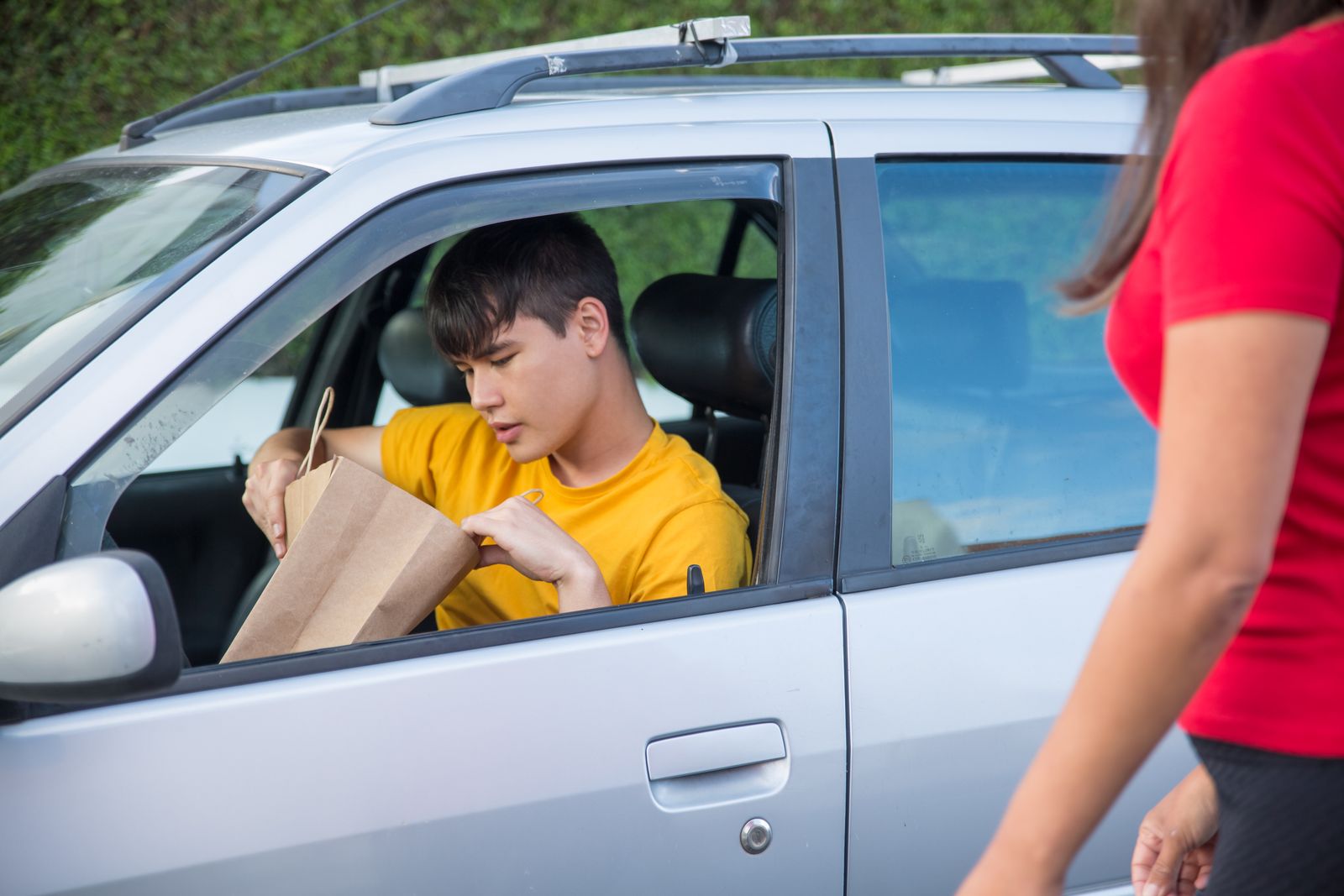
During the February 22–24, 2026 blizzard, NYC Mayor Mamdani declared a travel ban across all five boroughs. Cars, commercial trucks, and e-bikes were banned from streets, highways, and bridges. Violating the ban was classified as a Class B misdemeanor. DoorDash suspended all NYC service.
Driving bans are not theoretical edge cases. They happen fast, and gig drivers are not exempt from them.
- City-declared travel bans: Apply to non-essential vehicles. App-based food delivery is typically classified as non-essential during declared emergencies. Some cities have named delivery apps explicitly in ban language. Monitor your city’s emergency management feeds before heading out.
- Statewide bans: New York, Connecticut, Pennsylvania, and Ohio have all issued statewide driving bans during severe storms. Penalties include fines and in some cases vehicle impoundment.
- Platform response: DoorDash, Uber Eats, Instacart, and Amazon Flex typically suspend or restrict service when a local emergency is declared. You may not receive orders anyway — but you can still be cited for being on a banned road.
- Where to monitor: Follow your state governor’s official social accounts and your city’s Office of Emergency Management. Bans are typically announced within 30–60 minutes of taking effect, so check before every shift when a warning is active.
No surge pay covers a misdemeanor charge, an impounded car, or an accident in whiteout conditions. If a ban is declared in your city, stay home.
How Apps Actually Behave During Blizzards
Most drivers think about storm earnings the simple way: drive through the snow, earn more. The reality is more nuanced — and the timing windows are shorter than most people assume.
Pre-Storm Window (6–18 Hours Before Impact)
This is frequently the highest-earning window in an entire storm cycle. Grocery demand surges on Instacart and Amazon Fresh as households stock up. Restaurant orders climb sharply the evening before a named storm. You’re capturing storm-level tips and surge pay on roads that are still completely passable. Front-load your hours here whenever the forecast gives you the runway to do it.
Active Storm Surge
Demand stays elevated, but most drivers go offline. Those who stay see DoorDash Peak Pay stack ($1–$4 per order during high-demand windows) and Uber Eats weather demand spike 20–40% as competitors drop out. Chicago Dashers have reported $28–$38 per hour gross during winter surge windows, compared to their standard $19–$28. But road conditions deteriorate quickly, and the actual window before conditions become genuinely dangerous is typically 45–90 minutes of peak surge — not an entire shift.
Platform Suspension Zone
During blizzard warnings and declared emergencies, platforms go quiet. DoorDash shut down in NYC during the February 2026 blizzard. Uber Eats and Instacart operate on similar protocols. When your app stops generating orders during a major storm, that’s not a technical glitch — it’s the platform making a safety call on your behalf.
Post-Storm Surge (The Underrated Window)
In the 4–8 hours after a travel ban lifts and roads begin to clear, restaurants are understaffed, customers are cabin-fever hungry, and most drivers haven’t returned yet. Post-storm surge frequently delivers earnings comparable to the active storm window — with substantially lower risk. Rest during the worst of it, then position yourself to work the re-open window before everyone else shows back up.
Your 48-Hour Pre-Blizzard Prep Checklist
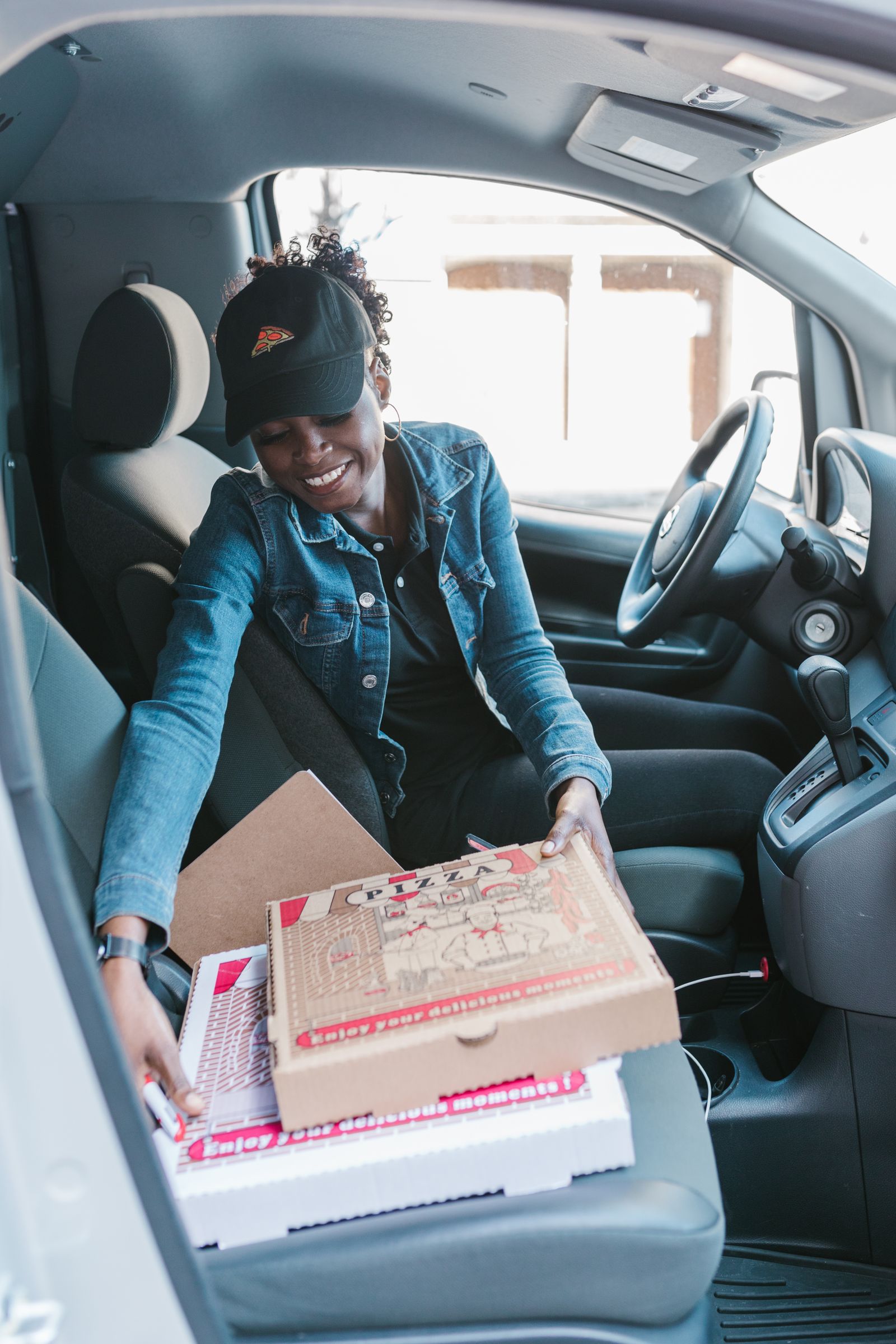
The drivers who earn consistently through winter storms prep while other drivers are still deciding whether to check the weather app. Here’s your timeline.
48 Hours Out
- Fill your gas tank to full — stations sell out and close ahead of named storms, sometimes 12+ hours before landfall
- Inspect and replace your windshield wipers if they’re streaking or chattering — worn wipers smear ice rather than clear it, and during a blizzard that’s a visibility emergency
- Get a proper load test on your car battery — not just a voltage check; cold temperatures cut battery capacity dramatically, and a battery that starts reliably in October can fail hard at 15°F in January
- Check tire pressure and tread depth (cold air drops PSI; fill to manufacturer spec and verify you have adequate tread for snow traction)
- Charge your phone, portable power bank, and all Bluetooth gear
- Download offline maps for your delivery zones — cell networks congest heavily during declared emergencies
24 Hours Out
- Confirm storm track and timing updates from NWS; finalize your shift schedule around the pre-storm window
- Plan your delivery zones in advance — stick to main arterials and avoid steep residential side streets that ice over first and get plowed last
- Dress in layers: moisture-wicking base layer, insulating mid-layer, waterproof outer shell — not just a heavy single-layer coat
- Set a hard cutoff time and tell someone your planned shift hours and zone
- Load your vehicle survival kit into the car (next section)
Day-Of
- Start your car 5–10 minutes early to warm the engine and defrost windows
- Remove all snow and ice from every window, both mirrors, the roof, and the hood — snow flying from your roof is a moving violation in most states and a genuine road hazard
- Reassess road conditions every 30–45 minutes during your shift; adjust your zone or end early if conditions decline faster than forecast
For the core foundation of winter delivery driving — safe following distances, handling a skid, managing black ice — see our complete winter driving tips guide. This article builds on those fundamentals specifically for storm-level conditions.
Your Winter Storm Survival Kit
If you get stuck during a blizzard, your car is your shelter. These are not optional items for drivers working markets that see real winter weather.
Vehicle Gear
- Full-length ice scraper and snow brush — not the 12-inch version from the checkout aisle
- Jumper cables or a portable lithium jump starter pack (especially important given cold-weather battery drain)
- Bag of cat litter or sand for traction if you’re stuck on ice
- Small collapsible shovel
- Tow strap
Personal Safety Items
- Wool or synthetic-blend gloves, knit hat, and thermal base layer — cotton retains moisture and accelerates heat loss
- Reflective safety vest for roadside visibility in low-light or whiteout conditions
- Chemical hand warmers — 8-hour packs; keep several in your glove box so you’re not hunting for them in the dark
- At least 2 liters of water and high-calorie snacks (granola bars, mixed nuts, jerky)
- Basic first aid kit
Hypothermia warning signs: Uncontrollable shivering, slurred speech, confusion, and loss of coordination are early indicators. Get into a heated space immediately — don’t try to tough it out. Frostbite timeline: Exposed skin at 0°F with a 15 mph wind can sustain frostbite damage in under 30 minutes. Cover your hands every single time you step out of the car, even for a 90-second drop-off in extreme cold.
For a complete printable checklist, see our delivery driver emergency kit guide. And make sure you have a plan before a storm, not after — know your roadside assistance options now so you’re not figuring it out stranded in a parking lot at midnight in 10-degree weather.
The Earning Math: Is a Storm Shift Actually Worth It?
Here’s an honest breakdown by alert level.
Advisory — light snow, passable roads: A 1.2x surge multiplier across five deliveries adds roughly $10–$15 to a shift. Reduced driver competition means more available orders per driver on the road. You can realistically add $5–$10 per hour above your baseline rate. For a prepared driver with solid winter tires and a charged battery, this window is almost always worth working.
Storm Warning — active snowfall, deteriorating conditions: Peak Pay bonuses stack on DoorDash. Uber Eats demand spikes 20–40% as drivers exit. Chicago-market drivers have reported $28–$38 per hour gross during winter surge windows versus a normal $19–$28 range — that’s a meaningful premium. But your vehicle’s actual condition and your personal skill level on winter roads factor heavily into the risk side of this calculation. Don’t let a surge number override your read on the road.
Blizzard Warning — extreme conditions: Surge is real but the window is narrow, and platforms may suspend before you complete enough orders to make it worthwhile. A single fender bender or stuck vehicle will cost more than a full week of storm premium. Pre-storm and post-storm windows almost always produce better risk-adjusted earnings than mid-blizzard driving.
Storm windows work like holiday peak season — short, predictable, and only profitable for the drivers who show up prepared. The critical difference is that storm shifts add physical risk that holiday shifts don’t. Know your number, know your exit condition, and don’t let surge pricing override your judgment on road conditions.
When to Stop: The Call That Matters Most
No hourly rate justifies a rollover or a frostbite hospitalization. Know these hard stops before you clock in — not after conditions are already bad.
- Visibility drops below ¼ mile: You cannot safely navigate or identify hazards. Pull off and wait it out. The orders will still be there when conditions improve.
- A travel ban takes effect: Stop immediately. A misdemeanor charge, impounded vehicle, and no platform insurance coverage during a declared ban are not negotiable outcomes. Log off the app and go home.
- Your car slides on flat roads: Stopping distance is already critically compromised. Get off the road before a situation forces your hand in a worse location.
- Deliveries are taking more than twice your normal time: You’re now earning below your baseline rate while risk climbs with every mile. That’s not a surge shift — it’s a dangerous one that’s also losing you money.
- No safe pullover point between deliveries: Zero margin for error means zero business being on the road in those conditions.
Build your winter foundation before storm season, not during it. Get your winter tires mounted before the first hard freeze, swap your wipers in October, and have your battery load-tested in September when shops aren’t slammed. The drivers who earn consistently through the 2026-27 winter are the ones who invested in preparation in the fall — not the ones scrambling in a parking lot when the forecast turns red and the surge timer starts.
Ready to Earn More Delivering Through Every Season?
Join thousands of drivers already earning — and get a $2,575 guaranteed bonus after completing your first 200 deliveries in select US cities.
New drivers: Sign up through our partner link and start earning today!
Sign Up for Uber Eats and Start Delivering →
Must be 18+. Background check required. Terms apply.