


Father’s Day 2027 lands on Sunday, June 20 — and if you’ve been delivering for more than a year, you already know what that means: a two-day surge that can rival some of the biggest earning weekends on the calendar. The weekend of June 19–20 is when millions of Americans scramble for last-minute cards and gifts, order restaurant brunch and dinner instead of cooking, and stock up on everything from steaks to six-packs for dad’s backyard BBQ. For drivers on DoorDash, Uber Eats, Instacart, Spark, and Amazon Flex, that translates into non-stop order flow, boosted tips, and the kind of peak-pay windows you plan your month around.
This guide breaks down every earning window across the entire Father’s Day weekend — what to deliver and when, which apps to run, how to protect your tips, and what to do with your vehicle before June heat turns your car into a sauna. If you worked Mother’s Day 2027 or Memorial Day 2027, you already have a good baseline — Father’s Day has its own flavor and its own set of winning moves.
Why Father’s Day Weekend Is a Serious Money Day for Delivery Drivers
Father’s Day is one of the top spending holidays in the US. The National Retail Federation tracks over $20 billion in annual Father’s Day spending, with roughly three in four American adults participating. That is not a niche holiday — it is a mass-spending event compressed into a tight two-day window, which is exactly what creates the delivery demand spikes you want to be positioned for.
The top gift categories — greeting cards, clothing, gift cards, electronics, grilling and BBQ supplies, tools, sporting goods, and alcohol — map almost perfectly onto what gig apps deliver. Grocery apps see surge demand for meats, produce, and beer. Restaurant apps see brunch and dinner order spikes as families skip the packed dining rooms. Retail apps see last-minute gift and hardware runs. You are not competing against one category; you are sitting at the intersection of several at once.
Compare the timeline to Easter Sunday 2027 or Valentine’s Day — Father’s Day has a longer demand curve because the celebration spans two full days (Saturday prep, Sunday main event) and covers both food delivery and grocery/retail. That extended window gives you more flexibility to maximize hours without burning out chasing a single spike.
Saturday, June 19 — The Pre-Holiday Rush Wave
Most drivers overlook Saturday entirely and show up fresh on Sunday. That is a mistake. Saturday June 19 is when the last-minute shoppers come out, and late afternoon through evening is one of the most underrated earning windows of the whole weekend. The demand is real and the competition is thinner because most drivers are saving themselves for Sunday.
Gift Runs, Cards, and Retail Deliveries
Greeting cards are the single most purchased Father’s Day gift in the US. Cards plus small gifts — cologne, accessories, gift cards — drive a surge in same-day retail deliveries Saturday afternoon. On apps like DoorDash and Uber Eats that carry convenience store and pharmacy orders (CVS, Walgreens, 7-Eleven), you will see a spike in these quick-hit orders from roughly 2pm through 9pm Saturday. These are typically short-distance, fast-turnaround orders that stack cleanly and keep your hourly rate healthy.
If you run Spark (Walmart) or Amazon Flex, Saturday is when the last-minute click-and-deliver orders for dad hit. Electronics, clothing, tools — anything purchasable online with same-day delivery gets pulled Saturday afternoon. These orders tend to be higher-dollar and often come with better tips because the customer knows they are asking for a rush. The holiday gift shopping delivery guide has tactics that apply directly to this window, including how to handle multi-item retail orders efficiently.
Alcohol and BBQ Supplies — Saturday Is Your Sweet Spot
Beer, whiskey, and spirits are among the top Father’s Day gifts in the US, and Saturday is when people stock up for Sunday’s backyard cookout. Alcohol delivery through DoorDash and Uber Eats (in alcohol-enabled markets) spikes Saturday afternoon and carries into Saturday evening. Alcohol delivery orders are worth fully understanding before you take them — age verification, ID check protocols, and what to do with a no-show customer — because they are among the highest-tip orders on the platform when handled cleanly and confidently.
BBQ supply runs through Instacart and Spark also spike Saturday. Charcoal, lighter fluid, grilling tools, propane tank exchange, and meat for Sunday’s cookout all move through grocery platforms Saturday. These are heavier items with less price sensitivity, which usually means better tips from customers who genuinely appreciate someone doing the heavy lifting so they don’t have to leave the house.
Sunday, June 20 — Brunch and Lunch Rush (10am–2pm)
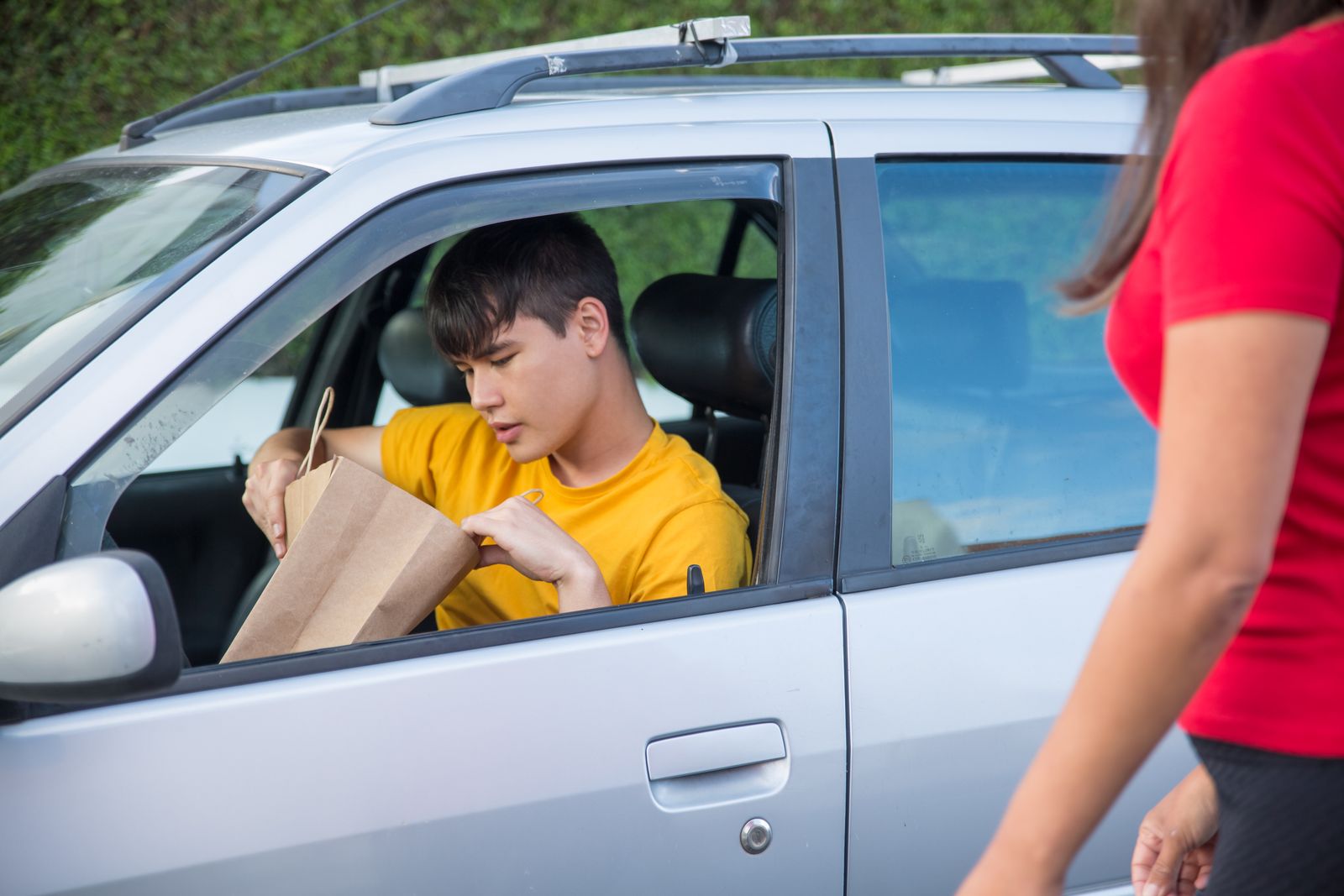
Sunday morning kicks off the main earning day. Restaurants will be slammed — Father’s Day brunch is one of the busiest service periods a restaurant sees all year, rivaling only Mother’s Day brunch. Families who cannot get a reservation, or who do not want to deal with a 90-minute wait with kids in tow, order delivery. That means high order volume on DoorDash and Uber Eats from about 10am through 2pm.
What makes brunch orders different from a normal Sunday: ticket sizes are bigger. A family ordering brunch for dad and the kids can easily run $60–$100+, and when tips are percentage-based, larger tickets mean larger dollar tips. Breakfast-heavy restaurants, diners, and upscale brunch spots on the apps will be sending a continuous stream of orders. Position yourself near restaurant-dense neighborhoods in your city — in Houston, Dallas, Atlanta, Chicago, NYC, Miami, and LA, brunch delivery demand on Father’s Day Sunday is strong enough to warrant parking yourself near the best-performing restaurant cluster in your zone before the rush starts, not after.
Read up on restaurant pickup etiquette before this rush. Busy kitchens on a major holiday like Father’s Day are chaotic, and knowing how to navigate a packed restaurant without creating friction is the difference between fast pickups and unnecessary wait times that erode your per-hour rate. Communicating clearly, staying out of the way, and being ready to move the moment the order is ready all matter more than usual on a day like this.
Sunday Dinner Rush and Alcohol Surge (4pm–8pm)
After the mid-afternoon lull, the dinner rush starts building around 4pm and peaks hard between 5pm and 7:30pm. This is the second major Sunday window and arguably the bigger money block of the weekend. Families who did brunch at home are now ordering steakhouse, BBQ, and sit-down dinner delivery. Groups that gathered at dad’s house for the afternoon want food brought to them without someone having to leave the party.
Dinner orders on Father’s Day tend to be large and high-value: steakhouses, BBQ joints, seafood restaurants, and upscale casual spots. The customers placing these orders generally have more disposable income, are in a good mood because it is a holiday, and often tip at or above their normal rate. Keep an eye on tip-to-distance ratio — a $12 tip on a 2-mile order from a steakhouse is exactly the kind of math you want filling your queue. Avoid getting lured into long-distance orders during this window; the short, high-tip runs are where the real per-hour earnings are.
Alcohol delivery surges again Sunday afternoon and evening as gatherings realize the cooler is running low. The beverage delivery guide covers the platform differences, ID-check requirements, and what to do when a customer fails verification — getting these protocols sorted before the holiday means faster deliveries and no fumbles that cost you time or a rating hit.
Grocery and BBQ Orders — Instacart, Spark, and Amazon Fresh
Father’s Day is peak BBQ season. June is prime grilling weather across most of the country, and the overlap of Father’s Day with backyard cookout culture creates a big grocery delivery surge across the full weekend. Instacart and Spark are the primary vehicles here, with Amazon Fresh carrying its own slice of demand in covered metro areas.
The items driving the surge: steak, brisket, ribs, chicken wings, burgers, corn, potatoes, and all the cookout sides. Add beverages (beer, soda, juice), paper goods, charcoal, grilling supplies, and desserts. These are heavy, multi-item orders that take longer to shop and deliver than a restaurant run — but they also pay more per order and carry higher tip potential because the total ticket is large. A family stocking up for a Father’s Day BBQ for 12 people can easily build a $200+ Instacart order.
On the question of grocery vs food delivery pay, grocery tends to win on per-hour earnings during holiday surges when orders are large and tips scale with order size. Father’s Day weekend grocery runs can be a solid strategy if restaurant demand in your zone is saturated with drivers. The grocery shopping efficiency guide covers the specific techniques — store layout navigation, batching produce items, handling substitutions quickly — that keep your time-per-order tight and your hourly rate competitive with food delivery.
Catering and Large Orders — The Big-Ticket Items
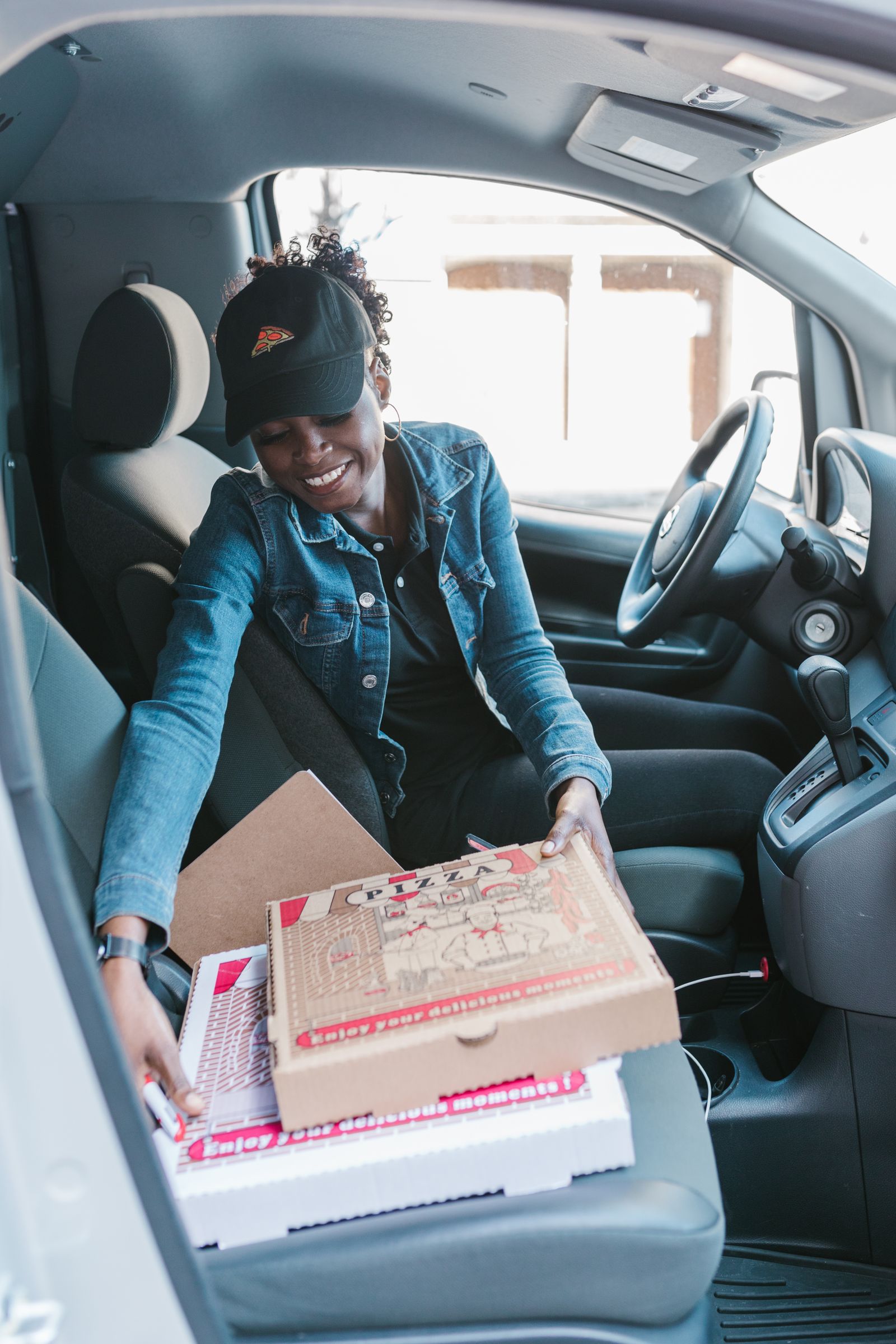
Father’s Day generates catering-style and large family orders that simply do not exist on a regular Tuesday. When a family of ten decides to celebrate dad with a cookout but nobody wants to spend three hours cooking, they order a full spread from a BBQ restaurant or catering service. When siblings chip in to feed their dad’s whole party, the ticket can easily hit $150–$300+. These orders exist on Father’s Day in volumes you will not see most of the year.
DoorDash and Uber Eats both have large order programs, and Father’s Day is one of the highest-volume days for them. Large orders typically come with a minimum payout guarantee and often include an automatic gratuity or higher base pay. If you are not already set up to receive catering or large-order batches on your apps, check your account settings before the weekend — it takes no time to opt in but you have to do it ahead of time. The catering and large order delivery guide covers exactly how these orders work, what the payout structure looks like, and how to handle the logistics — insulated bag capacity, restaurant wait protocols, and parking strategies at busy pickup locations.
The key decision factor on large orders is time: restaurants packing a 20-person catering order take time, and that has to be in your math when you accept. A $35 large-order delivery that takes 50 minutes total beats three $9 orders only if the arithmetic actually works in your favor. Use the tips maximization guide for how to execute your handoff on big orders — the right approach at drop-off protects that gratuity and the 5-star rating that keeps large orders coming your way.
Multi-App and Stacking Strategy for Father’s Day Weekend
Running a single app on Father’s Day weekend leaves real money on the table. The demand is high enough across multiple platforms simultaneously that strategic multi-apping lets you fill dead time without sacrificing quality on your primary app. Here is how to structure the weekend by time window:
- Saturday afternoon through evening: Lead with DoorDash or Uber Eats for food and alcohol orders, and keep Instacart or Spark active in the background for grocery runs. Alcohol delivery windows on DoorDash are strong Saturday — prioritize these when they appear because tip rates are consistently higher.
- Sunday brunch (10am–2pm): Go food-heavy. DoorDash and Uber Eats are your primary earners. Be selective on acceptance — this is a high-demand window and you can afford to pass on low-tip orders and wait for better ones without sitting idle long.
- Sunday mid-afternoon (2pm–4pm): Switch partially to grocery (Instacart, Spark) for BBQ supply runs while restaurant demand recovers for dinner. Amazon Flex block shifts may be available in your market if you check early enough.
- Sunday dinner (4pm–8pm): Back to food-heavy. Run two food apps simultaneously if you can manage it without risking late deliveries on either.
The multi-app delivery guide and the order stacking guide cover the specific mechanics of running two apps at once without damaging your ratings. The cardinal rule: never accept an order on a second app that conflicts with a delivery already in progress. It sounds obvious but it is the mistake that gets drivers deactivated, and holidays are exactly when the temptation to overreach is highest.
One broader context note: Father’s Day falls right at the edge of when summer slowdown starts creeping into non-holiday weeks. The summer slowdown guide explains what the weeks around Father’s Day look like and how to stay ahead of the demand curve heading into late June and July. Knowing this context makes it easier to appreciate why maximizing Father’s Day weekend specifically matters for your monthly totals.
Vehicle Prep, June Heat, and Protecting Your Tips
Father’s Day is mid-June. Depending on your market, you are looking at 85–105°F heat in cities like Houston, Phoenix, Dallas, Austin, and Miami. That creates two distinct problems: your car runs hot, and your food arrives wrong. Both hit your earnings — one through mechanical issues, the other through lower customer satisfaction and reduced tips.
AC and Heat Management
Before the weekend, confirm your AC is blowing cold. A quick system check — refrigerant level, cabin filter, belt condition — runs $30–$80 at most shops and is worth every dollar before a two-day delivery marathon in June heat. The AC vs windows-down cost analysis shows that running AC during deliveries is almost always the right call for food quality and driver performance, even accounting for the added fuel burn. Hot food sitting in a hot car gets soggy and cold at the same time — customers notice and tip accordingly, or they don’t.
Insulated delivery bags matter more in June than any other month. A good foil-lined bag keeps food at the correct temperature even in 100°F ambient temps. If your bags are worn out or you’ve been using thin grocery-store bags, upgrade before Father’s Day weekend. This is a low-cost fix with a direct impact on your ratings and tips.
Gas Strategy for the Weekend Push
Holiday weekends see gas prices nudge up at busy stations, and you will be burning significantly more fuel than a normal weekend. Fill your tank Friday evening — before Saturday demand hits — so you are not paying premium prices and you are not losing delivery time sitting at a pump on a busy Sunday afternoon. The gas saving strategies guide covers fuel apps, cashback cards, and route optimization to cut your fuel spend. On a full two-day push like Father’s Day weekend, even trimming $15–$20 off your fuel bill meaningfully improves your net take-home.
Protecting Your Tips: Handoff, Photo Proof, and Customer Notes
Father’s Day deliveries often go to residential addresses where families are gathered, kids are running around, and the receiving situation is less predictable than a typical weekday drop. A few basics that protect your tips and ratings on a holiday like this:
- Friendly handoff: Say "Happy Father’s Day!" when you hand off in person. It is a simple, genuine line that connects with customers who are in a celebratory mood and almost always reinforces the tip they were already planning. Driver earnings data consistently shows that brief, warm human interaction at handoff improves tip rates — and holidays amplify this effect significantly.
- Photo proof: For no-contact or porch deliveries, take a clear photo showing the bag at the door with the address number visible. Father’s Day deliveries to active households can get complicated — dogs, kids, gates, multiple families. A clear timestamped photo protects you against a false "never received" claim on a busy holiday when things are chaotic on the customer’s end.
- Follow customer notes exactly: On a major holiday, customers often enter very specific delivery instructions (side gate, ring twice, leave on back porch) because they are managing a houseful of guests and cannot run to the door every minute. Reading and following those notes signals professionalism, protects your ratings, and sets you apart from drivers who skip them.
If you are newer to delivery or want a refresher on what separates top-earning drivers from average ones, the 7 things I wish I knew before starting food delivery breaks it down without sugarcoating anything. And the summer heat delivery strategy guide is worth reading before you commit to a full weekend push in June — it covers hydration, car management, food quality preservation, and how to pace yourself through long hot delivery days without burning out by Sunday evening.
The Father’s Day 2027 Weekend Game Plan
Here is how the entire two-day window breaks down in one view:
- Friday evening: Fill your tank, check your AC, stock your insulated bags, and verify all your app accounts are in good standing with no pending issues or warnings.
- Saturday afternoon (2pm–9pm): Food plus alcohol plus retail gift orders. Multi-app DoorDash and Instacart or Spark. Stay positioned in retail-adjacent and restaurant-dense zones. This is the underrated window — work it hard.
- Sunday morning (9am–10am): Position yourself near brunch restaurant clusters before the 10am rush hits. Being in the right zone at 10am beats scrambling to relocate at 10:15.
- Sunday brunch (10am–2pm): Food-heavy, selective on orders. Large tickets, higher tips, genuinely good hourly rates. Do not take low-pay orders when the queue is full — this window rewards patience and selectivity.
- Sunday afternoon (2pm–4pm): Grocery window. Instacart and Spark for BBQ supply runs. Use this time to refuel and grab food if you need it before the dinner rush.
- Sunday dinner (4pm–8pm): Back to food. This is your highest per-order tip window of the full weekend. Steakhouse and BBQ restaurant orders dominate the queue. Run two food apps simultaneously if you can manage it without risking late deliveries on either.
- Sunday evening (8pm–10pm): Wind down with late dessert or convenience store runs. Lower volume but easy miles if you want to push your weekend total over a clean threshold.
Father’s Day 2027 is one of the clearest earning opportunities in the first half of the year. The demand is real, the tippers are in a generous holiday mood, and drivers who show up prepared and positioned correctly walk away with a genuinely strong two-day total. Plan ahead, take care of your car, and treat every delivery like it’s going to someone’s dad — because it almost certainly is.
Ready to Start Delivering and Cash In?
Join thousands of drivers already earning – and get a $2,575 guaranteed bonus after completing your first 200 deliveries in select US cities.
New drivers: Sign up through our partner link and start earning today!
Sign Up for Uber Eats and Start Delivering ->
Must be 18+. Background check required. Terms apply.