


It is 9:40 on a Tuesday night, 24 degrees outside, and your phone rings. A well service tech is 38 miles out at a farmhouse in the dark — his customer has had no running water since noon — and the 1/2-horse submersible he pulled out of that 180-foot well is fried beyond any field fix. The part he needs is sitting on a shelf at a pump distributor 22 miles from you. The homeowner has four kids, a frozen-pipe risk, and zero patience. That tech needs a driver right now, and if you are the one who answers that call, you are not competing with anyone on DoorDash tonight.
Driver Opportunity
Want to Earn While You Read?
Join as a new driver and get up to a $2,575 guaranteed bonus after completing your first 200 deliveries in select US cities.
Start Earning Now →New drivers only · Terms apply · Available in select cities
What a Water-System Parts Run Actually Is (and What It Is Not)
A water-system parts run is not plumbing work. You are not touching any pipe, any wiring, or any well casing. You are the logistics link between a supply house or distributor and the service tech or homeowner who cannot leave the job site. That distinction matters legally and practically: you pick up, you transport, you deliver, you document. Full stop.
These runs sit in a category best described as emergency B2B parts logistics. The customer is usually a licensed well or septic contractor, a plumbing company, or occasionally a facilities manager for a rural property management company. The end destination might be a job site, a truck bay, or a homeowner’s driveway where the tech is already working. What connects all of them is urgency — and urgency is exactly what turns a short run into a paying run rather than a favor.
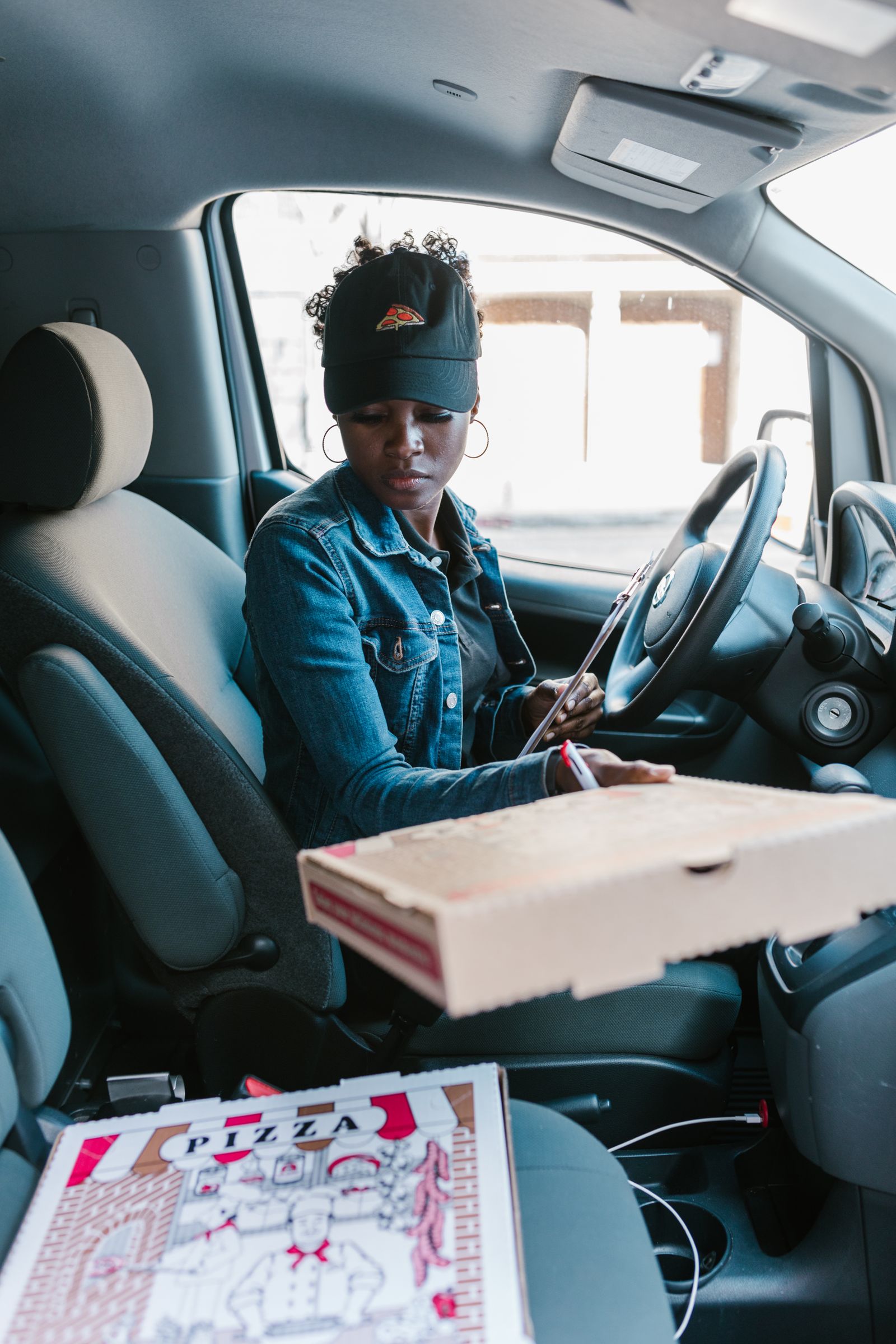
If you have already looked at supply house delivery runs for plumbing, electrical, and roofing trades, you know the basic mechanics: counter staff pulls the order, you sign for it, you move it. Water-system emergency runs follow the same logic, but the time pressure and after-hours component change the pay conversation entirely.
Why Freeze Season Creates the Demand Spike
Well pumps and septic systems do not care about your schedule. What they do care about is temperature. When ground-level pipes, pressure tanks sitting in uninsulated pump houses, and exposed risers hit sustained freezing temps, the failure rate climbs fast. Early November in the northern states is when that starts happening in volume — the first hard freezes arrive before most homeowners have winterized anything, and the calls start stacking up at every pump and septic shop in the region.
The Rural Infrastructure Gap
Roughly one in seven US homes relies on a private well. In rural counties across the Upper Midwest, the Northeast, and the Mountain West, that number is far higher. These homeowners cannot call a city utility. When their pump dies, they have no water — not for drinking, not for the toilet, not for livestock if they run any. The urgency is not inconvenience; it is a genuine hardship that creates genuine willingness to pay for speed.
Why the Techs Need You Specifically
A well service tech on a job site 40 miles from the nearest distributor cannot leave the homeowner stranded, run back to town, and return in two hours. His truck is loaded with tools, not a full parts inventory. The distributor closes at 5:30. The tech either finds a driver who can pull the part and meet him, or the family spends the night with no water. That is the gap you fill. The tech gets to stay on site and bill his hours; you get paid for the run.

Septic Emergencies Follow the Same Pattern
Septic system failures spike in freeze season for a different reason: frost heave and ground movement can crack distribution boxes, risers, and inspection port lids. A backed-up system in November is not a spring problem — it is a today problem. Septic contractors need riser sections, distribution box replacements, and pump-chamber parts on the same emergency timeline as well contractors. If you are already running for the pump distributor, ask whether the septic supply house next door needs the same service.
The Parts You Will Haul and What Each One Demands from Your Vehicle
Knowing what you are carrying before you show up at the counter saves you from an awkward conversation and a wasted trip. Here is what actually moves in this niche:
- Submersible well pumps: The 1/2-horse and 3/4-horse residential units are the most common. They typically ship in a cardboard box, 18 to 36 inches long, 20 to 50 pounds. No special temperature requirement, but do not throw them in a wet truck bed.
- Pressure tanks: These range from a 20-gallon unit you can carry alone to an 80-gallon tank that needs a hand truck and a clear path. Know your vehicle’s load floor before you agree to one.
- Control boxes and motor start capacitors: Small, light, fragile to impact. Treat them like electronics. A padded bag or a moving blanket goes a long way.
- Jet pump assemblies: Shallow-well jet pumps are bulkier than submersibles but lighter than a large pressure tank — usually manageable solo if you have a hand truck.
- Septic riser sections and lids: Plastic, light per piece, but awkward at 24 to 48 inches in diameter. These need cargo space, not a passenger seat.
- Wire, drop pipe, and fittings: Spools of wire and coiled poly drop pipe can fill a cargo van quickly. Know the footage before you commit.
A standard cargo van handles 90 percent of these loads without issue. A full-size pickup with a covered bed works well for pipe and wire. If you are running in a sedan or a crossover, have an honest conversation with the counter staff about dimensions before they pull the order.
How the Pay Models Work
This is not a gig app. There is no algorithm setting your rate. You are negotiating directly with a supply house, a service manager, or a contractor, which means you need to understand the models before you walk in the door.
Flat Per-Run Fee
The simplest structure: the shop quotes you a dollar amount for the run, you agree or negotiate, you go. Say the shop quotes $85 for a 22-mile one-way run to deliver a submersible pump to a job site. That is roughly $3.86 per mile if you are tracking it, plus your time. If the run takes 55 minutes door to door, that is a reasonable evening rate for a single stop — but the conversation starts there, not ends there. After-hours, bad weather, and a heavy pressure tank that requires careful loading are all legitimate reasons to ask for more.
Standby and On-Call Hourly
Some pump shops and septic contractors want a driver available from, say, 5pm to midnight during the busy freeze season. They pay an on-call hourly rate for your availability — something in the range of a low hourly number just to be reachable — and then a separate per-run or flat fee when they actually dispatch you. This model works well if you live in an area with multiple shops and can stack relationships. The standby rate alone will not make your night; the actual runs are where you earn.
Per-Mile with a Minimum
Some operations prefer per-mile pricing with a floor. A minimum-call guarantee of $45 or $60, for example, means a 3-mile emergency run still pays something worth driving for. Per-mile rates in this niche typically run higher than what a parcel carrier pays per mile — you are being compensated for urgency and availability, not volume. Walk through your true cost per mile (fuel, maintenance reserve, wear) before agreeing to any per-mile rate.
After-Hours Multipliers
Emergency plumbers in 2026 charge $100 to $350 per hour for after-hours work, compared to $80 to $130 during standard daytime hours — these are typical 2026 US ranges, not quotes, and they illustrate why the entire service chain expects to pay more after dark. After-hours weeknight work commonly runs about 1.5 times the normal rate in the trades; weekend and holiday rates often reach 2 to 3 times. Use that as your reference point in the negotiation. If the shop is already billing the contractor an emergency service premium, the conversation about your after-hours rate is easier to have.
Building the Dispatch Relationships That Keep You Busy
The driver who gets the 9:40pm call is not the driver who showed up once. It is the driver the counter staff already trusts. Building that trust is a one-to-two weekend project if you approach it right.
Start at the Counter
Walk into the pump distributor or water-system supply house during a slow mid-morning — not a Friday afternoon when they are slammed. Tell the counter manager you do emergency parts logistics and you are specifically available after hours and on weekends. Leave a card or a simple one-page sheet with your name, phone, vehicle type, and your general service area. Ask who handles after-hours dispatch decisions and get that person’s direct number if they will give it.
Service Managers and Field Techs
The service manager at a well-drilling or pump service company dispatches the techs and fields the emergency calls. That person is your best relationship in this niche. When a tech is 40 miles out at 10pm and needs a part, the service manager is the one making the phone call. If your number is in that manager’s contacts, you get the call. The well service and septic contractor network in any rural county is not large — a few companies often cover an entire region, and word of a reliable after-hours driver travels fast.
Broaden Into Adjacent Supply Houses
Once you have one relationship, the next one is easier. Water treatment dealers — the companies selling softeners, iron filters, and UV systems — run on the same emergency parts model. The water treatment delivery niche overlaps directly with well-pump work and can fill gaps in your schedule between bigger pump runs. HVAC supply houses in rural areas sometimes carry well and septic parts as well. Cast the net wide in your first weekend of outreach.
The Winter Run Playbook
Running parts in winter is not the same as running parts in July. The job site may be a frozen farm lane with no turnaround. The homeowner may not know how to describe their own address. Plan for conditions, not just distance.
Weather and Road Access
Check road conditions before you commit to a run, not after you pick up the part. Rural county roads and township roads are the last to get plowed and salted. If you drive a two-wheel-drive cargo van, know your limits honestly. A run that takes 22 minutes in October may take 45 in a February ice event. Build that into your rate conversation — particularly for rural winter delivery routes where late arrival is a real operational risk.
Driveways, Liftgates, and Hand Trucks
Rural driveways are not loading docks. A large pressure tank delivered to a home with a steep gravel driveway, a step into the garage, and no helper waiting is a back injury if you are not prepared. Carry a good hand truck rated for at least 400 pounds, tie-down straps, and moving blankets. Know whether the job site has a liftgate-accessible point before you load a 150-pound tank. If not, charge accordingly or confirm the tech will be on site to assist.
Proof of Delivery and Chain of Custody
These parts are expensive. A submersible pump alone can cost several hundred dollars at the counter. Get a signature or a timestamped photo of the part at the delivery location every single time. If the tech is not on site, photograph the part at the door, text the photo to the dispatcher, and get a reply confirming receipt. A missed delivery or a disputed drop becomes your financial problem if you have no documentation.
Damage, Liability, and the Paperwork That Protects You
Running high-value mechanical parts after hours without the right coverage is a fast way to turn a good run into a bad month. Here is what to think through before your first dispatch.
Your personal auto policy almost certainly excludes commercial delivery activity. A commercial auto policy or a hired-and-non-owned endorsement closes that gap. If you are already running cargo delivery work, you may have this. If you are new to it, talk to your insurance agent before you pick up your first pump. The conversation takes 20 minutes and costs nothing.
Cargo insurance covers the goods in transit. For parts that may run into the high hundreds at the counter, even a basic cargo policy with a low per-claim floor gives you and the shipper peace of mind. Some supply houses will want to see a certificate of insurance before they hand you a part worth more than a few hundred dollars. Having it ready is a competitive advantage, not just a formality.
Keep a simple paper or digital run log: pickup location, delivery location, part description, estimated value, departure time, arrival time, recipient signature or photo. If you are expanding into multi-stop or regular route work with a shop, a formal contract covering your per-run rate, any fuel surcharge, payment terms, and liability split is worth drafting. It does not need to be long — one page is enough.
For drivers already moving oversized or heavy equipment, the overlap with box truck and cargo van freight work is real: the same vehicle, the same documentation habits, and the same relationship-first business development approach apply directly to this niche.
Your This-Week Action Plan
- Search your county and the two adjacent counties for well pump distributors, pump service companies, and septic contractors. Build a list of ten to fifteen businesses with addresses and phone numbers. This takes about an hour on a search engine and a county business directory.
- Identify your vehicle’s honest payload and cargo dimensions. If you are running a van or a pickup, measure the load floor. Know whether you can handle a 24-inch by 48-inch septic riser or a 65-gallon pressure tank before the counter staff asks.
- Get your insurance in order. Call your agent this week. Ask specifically about commercial auto coverage for delivery work and whether a cargo endorsement makes sense for your volume. Do not skip this step.
- Make your first three in-person visits to supply house counter managers during a mid-morning slow window. Introduce yourself, explain your availability, and leave contact information. Ask for the name of the service manager at the well or septic companies they supply most often.
- Follow up with the service managers you identified and make the same introduction. Tell them you are available for after-hours and weekend parts runs and that you are already in contact with their distributor. That connection makes you a known quantity from the first call, not a stranger.
Driver Opportunity
Ready to Start?
Turn This Guide Into Real Income. Join as a new driver and get up to a $2,575 guaranteed bonus after completing your first 200 deliveries in select US cities.
Sign Up & Start Delivering →New drivers only · Terms apply · Available in select cities
The drivers who own this work in January are the ones who made the calls in November. The niche is small, the competition is thin, and the demand is reliable every winter. You just have to be the person who answers the phone at 9:40pm when it is 24 degrees and somebody needs water.