
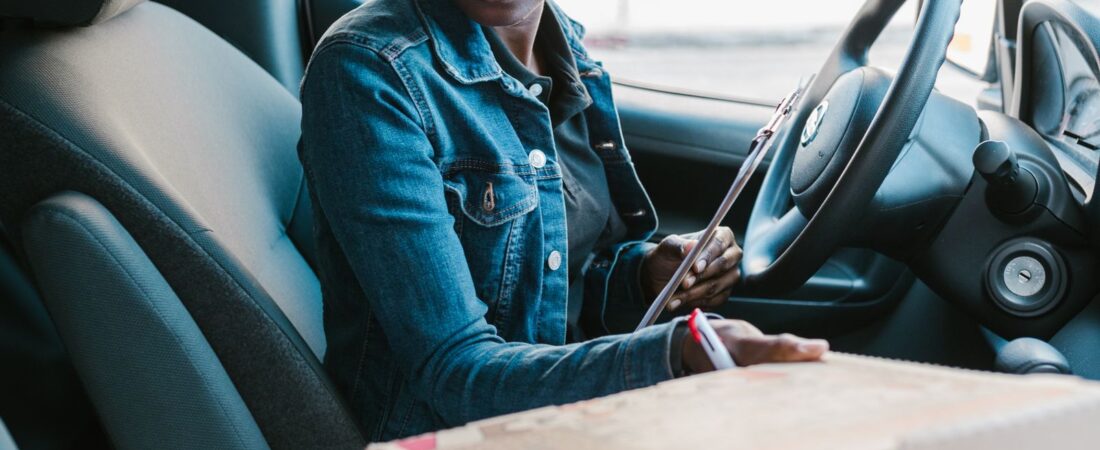

In early November 2026, Amazon quietly flipped a switch that sent DoorDash stock down double digits in a single day: U.S. Prime members now get a $0 delivery fee on Uber Eats restaurant orders of $25 or more, ordered right through Amazon. If you drive for either platform — or both — this is not a background news story. It is a direct hit to where your orders come from and how much competition you face for them.
Driver Opportunity
Want to Earn While You Read?
Join as a new driver and get up to a $2,575 guaranteed bonus after completing your first 200 deliveries in select US cities.
Start Earning Now →New drivers only · Terms apply · Available in select cities
What the Amazon Prime and Uber Eats Deal Actually Is
According to reporting from Yahoo Finance and multiple financial outlets, Amazon and Uber reached an agreement that extends the Prime membership benefit — already used for free shipping on retail orders — to cover delivery fees on Uber Eats restaurant orders in the United States. McDonald’s simultaneously named Uber its preferred delivery partner across 14 international markets, adding institutional weight to the partnership.
What does that mean in plain terms? A Prime subscriber who would have opened DoorDash out of habit now has a concrete, dollar-denominated reason to open Uber Eats instead: a $0 delivery fee on any basket of $25 or more. On a typical order, that’s the whole $3–$6 fee back in the customer’s pocket. That is enough to change behavior at scale, and the market priced it that way immediately.

Who Has Amazon Prime?
Amazon Prime has well over 180 million U.S. subscribers as of 2026, according to publicly reported figures. That is a massive ready-made customer base that now has a standing incentive to use Uber Eats. Not all of them will switch. But even a 10–15% conversion on that subscriber pool represents tens of millions of potential new Uber Eats customers — many of whom were previously DoorDash users.
How This Changes Order Volume on Each Platform
Here is the driver-level reality: order volume on a platform is not just about how many restaurants are signed up. It is about how many customers are actively placing orders. When customers shift, order density shifts. Order density affects how often your phone pings, how far you drive between pickups, and ultimately your effective hourly rate.
Uber Eats Drivers
If you are already on Uber Eats, the near-term outlook looks better than it has in a while. More Prime-driven customers means more orders hitting the system. During holiday peak — Thanksgiving through New Year’s — that added volume layer on top of already-elevated demand could mean shorter wait times between orders and more consistent surge pricing windows.
That said, more orders also attract more drivers. Platforms respond to volume spikes by onboarding or reactivating drivers. Watch your market carefully. If your acceptance rate metrics or on-time ratings have been a concern, now is the time to tighten them up before the flood of new drivers dilutes the pool. The Uber Eats 2026 fee restructuring already changed how base pay is calculated in many markets — stack that knowledge on top of the new volume picture.
DoorDash Drivers
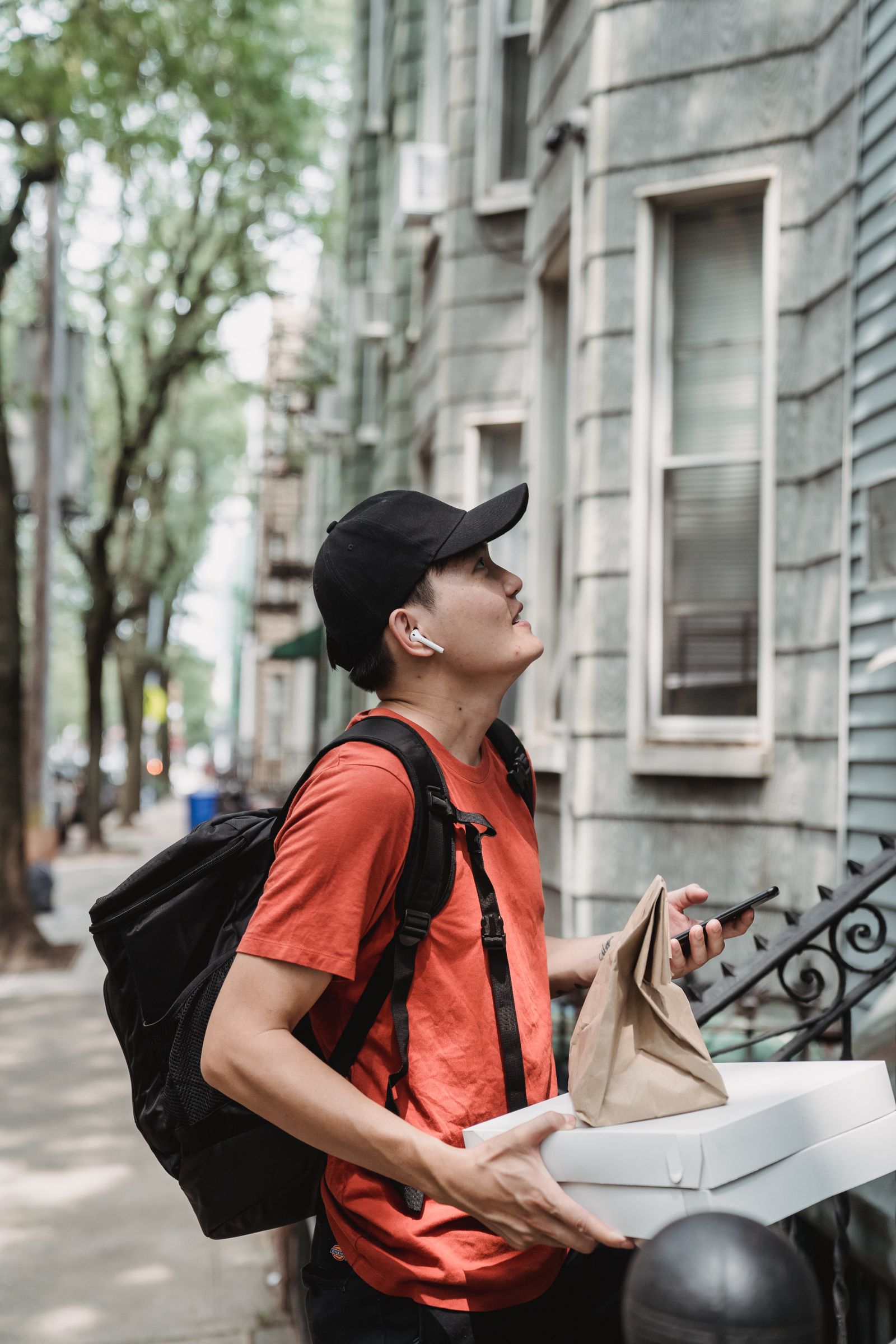
This is the harder conversation. DoorDash’s stock dropped double digits on the news — about 13% in early trading, per market coverage, and that reaction reflects analyst expectations of real order volume erosion — not just sentiment. If customers peel off to Uber Eats for the free-delivery benefit, you will feel it as fewer order notifications, more time parked waiting, and tighter peak pay windows.
That does not mean DoorDash is dying. It is still the largest food delivery platform in the U.S. by market share heading into 2026. But it does mean that running DoorDash as your only platform is a higher-risk strategy than it was six months ago. Multi-apping is not just a tips optimization anymore — it’s a volume hedge.
The Multi-App Math Right Now
If you have been mono-apping on DoorDash because the order density in your market made it not worth juggling apps, that calculation deserves a fresh look. Here is a practical framework:
- Log onto Uber Eats for the next two weeks and track your orders per hour compared to DoorDash in the same zones and time windows.
- Watch for Uber Eats surge notifications — with new Prime customers flowing in, surge zones may appear in areas that previously stayed flat.
- Keep DoorDash running in the background during low-density windows rather than dropping it entirely. The goal is to plug dead time, not abandon a platform.
- Check your Uber Eats rating before you ramp up hours. If your score has dipped below the threshold that unlocks priority offers in your market, address that first.
Multi-apping has its own friction — managing two active orders, navigating simultaneous pickups, the risk of a late delivery tanking your rating on one platform while you service the other. Know your own operational limits before you stack aggressively.
What This Means for the Holiday Peak Window
Thanksgiving through Christmas is already the highest-earning stretch of the year for most food delivery drivers. You have elevated order counts, more tip-generous customers, and regular peak pay overlays from the platforms. Now add a fresh wave of Prime subscribers discovering they can order food delivery for free. That is a demand accelerant on top of an already-hot period.
Timing Your Shifts Differently
Historically, the Friday and Saturday after Thanksgiving produce some of the best hourly rates of the entire year on food delivery. With the Amazon Prime benefit now live, expect Uber Eats demand during those windows to be particularly strong. Prioritize Uber Eats for the dinner window on those days and use DoorDash as a backup if Uber Eats goes quiet in your zone.
The week before Christmas (December 18–24) is the other major spike. By then, the Prime benefit will have been live for six or more weeks — plenty of time for subscriber behavior to fully shift. That Christmas-week demand bump on Uber Eats could be meaningfully larger than what drivers saw in prior years.
Grocery and Instacart Are a Separate Lane
It is worth noting that the Amazon Prime / Uber Eats deal covers restaurant delivery, not grocery delivery. If you are also running Instacart, that platform remains insulated from this specific competitive shift — at least for now. Instacart and grocery volume have their own holiday dynamics: the week of Thanksgiving and the week of Christmas Eve tend to be the heaviest grocery periods. If you have been sleeping on Instacart as a holiday supplement, the Instacart shopper pay breakdown for 2026 is worth reviewing before you decide whether to activate it for the season.
DoorDash’s Competitive Response: What to Watch For
DoorDash is not going to absorb a volume shift without a fight. Based on historical patterns when competitive pressure spikes, here is what typically follows:
- DashPass promotions — expect DoorDash to push DashPass subscription deals hard through Q4 to retain customer loyalty. More DashPass customers generally means more consistent order flow for drivers in areas with high subscription density.
- Increased challenge bonuses — when platforms need drivers to stay engaged during softer periods, challenge-based bonuses (complete X deliveries, earn $Y extra) tend to appear more frequently. Watch for those in your weekly offers.
- Possible merchant fee adjustments — DoorDash may also compete by adjusting what it charges restaurants, which indirectly affects how many restaurants stay exclusive or preferred on the platform. This is a slower-moving variable but worth tracking over the next couple of quarters.
None of this is guaranteed, and DoorDash has not publicly announced a specific response strategy as of this writing. What is certain is that the platform has significant financial incentive to defend its market share — and driver-facing incentives are one of the tools it has historically used to do that. Stay plugged into your driver forums and local Facebook groups for real-time reports from other drivers in your market.
Platform Stability and What It Means for Your Long-Term Setup
Competitive shakeups like this are also a good reminder that relying on any single platform is a business risk. DoorDash’s pending acquisition of Instacart — if it clears regulatory review — would reshape the landscape further. The DoorDash and Instacart merger and what it means for drivers is worth reading separately to understand how that deal could affect your options down the road.
Similarly, the ongoing push for stronger deactivation protections in several states matters more when platforms are under competitive stress. A platform losing market share may tighten acceptance criteria, raise minimum rating thresholds, or find other ways to reduce its active driver pool. Knowing your rights matters. The breakdown of deactivation laws and driver rights by state gives you the foundation you need to push back if something feels wrong.
Keep Your Account Healthy on Both Platforms Now
Whatever happens to order volume between DoorDash and Uber Eats over the next 60 days, you want to enter the holiday peak with clean metrics on both. That means:
- No unresolved contract violations or warnings sitting in your account dashboard.
- Customer rating above the floor threshold for your market — typically 4.6 or higher on most platforms.
- Completion rate and on-time rate both healthy. These affect priority offer access on Uber Eats in particular.
- Direct deposit confirmed and payment details current on both apps. The last thing you want during a high-volume week is a payout issue you have to chase through support.
Bottom Line for Drivers
The Amazon Prime and Uber Eats partnership is the most significant competitive event in U.S. food delivery since DoorDash crossed the 50% market share threshold. For drivers, it creates a real volume opportunity on Uber Eats and a real volume risk on DoorDash — especially heading into the highest-demand weeks of the year. The drivers who navigate this best will be the ones who multi-app strategically, watch their market data week over week, and stay eligible for priority offers on both platforms rather than betting everything on one app staying dominant.
Driver Opportunity
Ready to Start?
Turn This Guide Into Real Income. Join as a new driver and get up to a $2,575 guaranteed bonus after completing your first 200 deliveries in select US cities.
Sign Up & Start Delivering →New drivers only · Terms apply · Available in select cities
Keep tracking your numbers, talk to other drivers in your market, and adjust as the data comes in. The platform landscape in late 2026 rewards flexibility more than loyalty.