
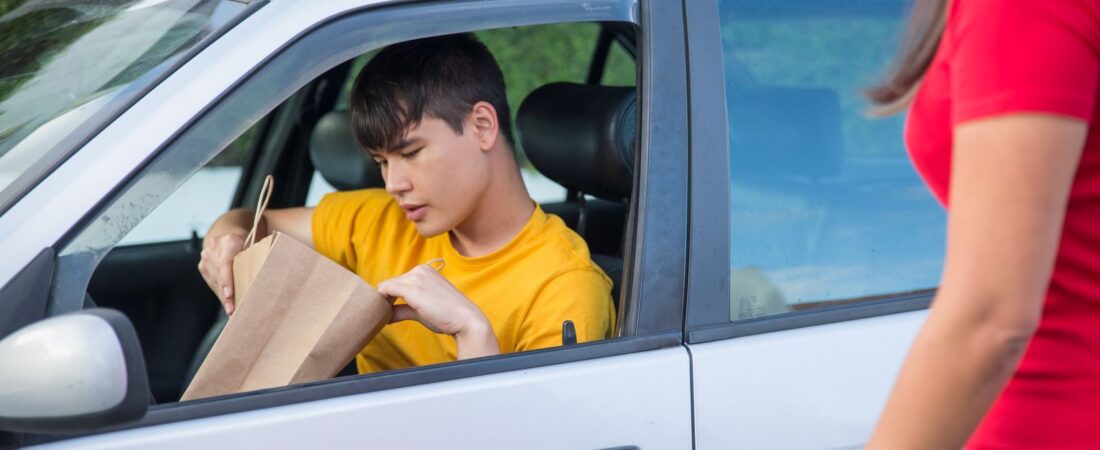

If you deliver food or packages for a living, you already know that apartments are the toughest part of the job. Gate codes that don’t work. High-rise buildings with slow elevators. Parking spots that don’t exist. Customers who forget to tell you their building number. It’s no wonder experienced drivers groan when they see an apartment order pop up on their screen.
But here’s the truth: apartment deliveries don’t have to eat into your earnings. The difference between a driver who makes $25 an hour and one who makes $18 an hour is often just how efficiently they handle apartment complexes, high-rises, and gated communities. In this comprehensive guide, you’ll learn the exact strategies that top delivery drivers use to breeze through apartment deliveries in 2026.

Why Apartment Deliveries Cost You Money (And How to Fix It)
Every minute you spend hunting for a building, waiting at a gate, or riding a slow elevator is a minute you’re not earning. According to driver surveys on r/doordash_drivers, apartment deliveries take an average of 8-12 minutes longer than house deliveries. At $20 per hour, that’s $2.67 to $4.00 in lost earnings per apartment order.
Over a 30-delivery day where half are apartments, you could be losing $40 to $60 in potential earnings simply from inefficient apartment delivery strategies. The good news? All of that lost time is recoverable.
The Apartment Delivery Toolkit: What Every Driver Needs
Before you start your shift, make sure you have these tools in your car or bag. They’ll save you more time than you think.
1. A Bright Phone Mount
You need your phone visible at all times while navigating apartment complexes. A magnetic vent mount (under $15 on Amazon) keeps Google Maps or Waze in your line of sight so you never miss a building turn. In 2026, apps like DoorDash and Uber Eats also show gate codes and delivery instructions right on the order screen — don’t fumble for your phone while driving through a complex.
2. A Reusable Flashlight
Many apartment deliveries happen at night, and building numbers are often painted in tiny fonts on dark walls. A small LED flashlight (the keychain-size ones work great) lets you spot building numbers from your car without getting out. Drivers in Houston, Dallas, and Austin swear by this trick — it saves 30 seconds per stop.
3. A Delivery Bag with a Strap
When you’re walking through a sprawling apartment complex or riding an elevator to the 15th floor, a delivery bag with a crossbody strap frees both hands for your phone and keys. DoorDash drivers in Chicago and New York use shoulder-strap hot bags to carry pizzas, drinks, and multiple orders through lobbies without dropping anything.
4. Save Gate Codes in Your Notes App
This is the biggest time-saver no one talks about. Many apartment complexes share gate codes across multiple delivery platforms. After you enter a gate code once, save it in your phone’s Notes app organized by city and complex name. Over a six-month period, you’ll build a personal database of hundreds of gate codes, saving 3-5 minutes per return visit.
Pro tip: use a dedicated folder in Apple Notes or Google Keep labeled “Gate Codes [City]” and add entries as Complex Name > Code. When you pull up to a gate, scan your notes before calling the customer.
How to Handle Gate Codes That Don’t Work
This happens constantly. The customer provides a code, you punch it in, and nothing happens. The gate doesn’t budge. Now what?
First, check for alternate entry points. Many apartment complexes have a pedestrian gate next to the vehicle gate with a separate code or a call box. Second, try “#” or “*” after the code — some older systems require a confirm key. Third, look for a delivery driver parking spot outside the gate; some complexes reserve spots specifically for delivery vehicles.
If none of that works, call the customer. But here’s a pro tip: text them first. A simple “Hi, it’s your DoorDash driver — the gate code isn’t working, can you buzz me in?” takes 10 seconds. If they don’t respond in 2 minutes, call. Most gig apps in 2026 have a built-in “can’t reach customer” timer that lets you leave the order at a safe location and take a photo after 5 minutes.
High-Rise Delivery Strategies for 2026
Delivering to a 20-story apartment building in downtown Los Angeles or Chicago requires a completely different approach than a suburban complex. Here’s what works.
Parking: The #1 Challenge
Finding parking near a high-rise is the single biggest time sink for urban delivery drivers. In cities like New York, San Francisco, and Chicago, here are your best options:
- Loading zones: Many high-rise buildings have 15-minute loading zones out front. Use them. If a security guard asks, tell them you’re making a delivery — they usually wave you through.
- Fire hydrant rule (know your risk): Some experienced drivers risk quick double-park stops near hydrants for 2-minute deliveries. In Houston and Dallas, this is common practice, but in NYC, it’s a guaranteed $115 ticket. Know your city’s parking enforcement tendencies.
- Garages near high-rises: If you deliver to the same building weekly, find the nearest parking garage that charges by the half-hour. It adds $2-3 per delivery but saves 10+ minutes of circling.
- Valet drop: Some luxury buildings in Austin and Los Angeles let you hand the order to the valet, who delivers it to the resident. Ask the front desk or security guard.
Using the Elevator Wisely
Nothing kills your hourly rate like waiting for a high-rise elevator. In buildings with 10+ floors, the elevator can add 5-7 minutes round trip. Strategies:
- Check if the building has a service elevator (usually faster, fewer stops)
- Take the stairs for floors 1-5 — it’s faster than waiting for the elevator in most cases
- Ask the front desk if they accept packages for residents — many luxury buildings in 2026 have concierge drop-off
- Text the customer when you’re parking so they meet you in the lobby
Apartment Complex Navigation: The Suburban Maze
Suburban apartment complexes in cities like Houston, Dallas, Phoenix, and Atlanta can be sprawling labyrinths with confusing building layouts. Here’s how the pros handle them.
Read the Map Before You Drive
Most apartment complexes have a map near the entrance or posted on the leasing office door. Take 15 seconds to snap a photo of it with your phone. Look for:
– Building number ranges (Buildings A-F on the left, G-L on the right)
– The leasing office location (usually building 1 or building A)
– One-way roads (many complexes have confusing directional roads)
– Guest parking areas (some complexes hide guest spots behind buildings)
Drop a Pin on Google Maps
When the customer’s pin on the app is inaccurate (and it often is), drop a manual pin in Google Maps or Waze. The customer’s texted address may say “Building 7” but the app pin points to the leasing office. Correct the pin, save it as a labeled spot, and you’ll never waste time finding that building again.
Batch Orders in the Same Complex
If you get two or three deliveries to the same apartment complex (common on DoorDash and Uber Eats stacked orders), deliver them in order of building proximity, not in the order the app lists them. The app doesn’t know the complex layout — you do. This can save 5+ minutes per batch.
Gate Code Access: The Ultimate Shortcut
Besides saving codes in your phone, there are several other ways to get through gates faster.
Callbox codes: Some apartment gates have a callbox that lets you browse a resident directory. If the customer doesn’t answer, try searching for their last name in the directory — it works more often than you’d expect.
USPS master keys (arrow keys): Delivery drivers cannot use USPS master keys. Don’t even try. It’s a federal offense.
Follow a resident in: This is common practice, but be careful. Some complexes have cameras at the gate, and residents may report a “suspicious vehicle.” If you do tailgate, make sure you’re clearly in a delivery uniform or have a DoorDash/Uber Eats decal visible.
Delivery driver codes: Some newer apartment complexes (especially in Dallas, Austin, and Charlotte) have dedicated delivery driver gate codes. Call the leasing office during business hours and ask. Spark drivers and Amazon Flex drivers sometimes have access to “delivery override” codes through their employer.
City-Specific Apartment Delivery Tips
Houston, TX
Houston has some of the largest apartment complexes in the country, especially along the Westheimer corridor and near the Galleria. Many complexes have four or five separate parking lots with different entrances. Always verify which building number the customer is in before entering the complex. The Medical Center area has high-rise apartments with strict security — have your delivery app open to show the guard.
New York City, NY
NYC is 70% apartments, and most are walkups. Expect 3-5 floor climbs regularly. Invest in comfortable walking shoes and avoid taking large orders that require multiple trips. In Manhattan high-rises, doorman buildings are a blessing — you can leave orders with the doorman in 90% of cases. In Brooklyn and Queens, expect walkups with buzzer-only entry where you must call the customer from the street. Tip: carry a portable Bluetooth speaker for podcasts or music — you’ll spend a lot of time waiting on sidewalks.
Chicago, IL
Chicago’s high-rises along Lake Shore Drive and in the Loop require special attention. Many buildings have separate service entrances and freight elevators for delivery drivers. Parking is notoriously difficult in River North and Lincoln Park. Use loading zones and never block alleys near restaurants — Chicago parking enforcement is aggressive. For winter deliveries, expect elevator delays as everyone tries to avoid the cold.
Los Angeles, CA
LA’s apartment landscape is a mix of sprawling complexes in the Valley and tight high-rises in DTLA and Santa Monica. In the Valley, the biggest problem is complexes that look identical from the street. Pay attention to street numbers and complex names. In DTLA, valet parking is the norm — budget $5-7 for parking per delivery in the Financial District. West Hollywood and Koreatown have dense apartment clusters where parallel parking is the only option.
Dallas, TX
Dallas has seen an explosion of luxury apartment construction in Uptown, Deep Ellum, and Design District. These newer complexes usually have valet parking and concierge service — leave the order with the front desk. Older complexes in Oak Lawn and North Dallas have gate codes that change monthly; always check the delivery instructions for updated codes.
Dealing with Difficult Apartment Situations
Customer Doesn’t Answer
You’re at the gate. You’ve tried the code. Nothing. The customer isn’t answering texts or calls. What now?
On DoorDash, start the “Can’t hand order to customer” timer immediately after trying to contact them. On Uber Eats, the timer starts when you select “Customer unavailable.” Most apps require a 5-minute wait. Use that time to leave the order at the gate or leasing office, take a photo, and complete the delivery. Make sure the photo clearly shows where you left it — this protects you from “order not received” claims.
If the gate has a callbox, buzz the leasing office (usually code 0 or 00) and ask if they can accept the delivery. In many cases, they’ll take it and message the resident.
No Parking Anywhere
Sometimes, there’s genuinely no place to park. If you’re in a dense area with zero available spots, try these in order:
1. Double-park with hazards on near the building entrance (keep it under 2 minutes)
2. Use a nearby parking garage (expense it as a business cost)
3. Call the customer and offer to meet them at your car
4. If it’s a gated building, see if the guard or front desk offers temp parking
Apartment Delivery & Your Earnings: The Bottom Line
Let’s do the math. If you deliver 5 apartment orders per shift and each one takes 10 minutes longer than a house delivery, you’re losing almost an hour of potential earnings daily. That’s $20-25 in lost pay per shift, or $500-625 per month assuming 25 working days.
By implementing the strategies in this guide — saving gate codes, reading complex maps, using loading zones, and mastering the high-rise elevator game — you can cut that 10-minute penalty to 2-3 minutes. That puts $400-500 back in your pocket every month.
In cities like Houston, Dallas, and Chicago where apartment deliveries make up 50-60% of all orders, mastering apartment delivery isn’t optional — it’s the difference between a sustainable gig income and burning out in three months.
Ready to Earn More on Every Delivery?
New Uber Eats delivery partners in select US cities can earn up to $2,575 after completing their first 200 deliveries. Sign up today and start earning on your terms.
Claim Your $2,575 Bonus →
Learn More at uber.com →
Terms apply. Offer available in select US markets. New drivers only.