
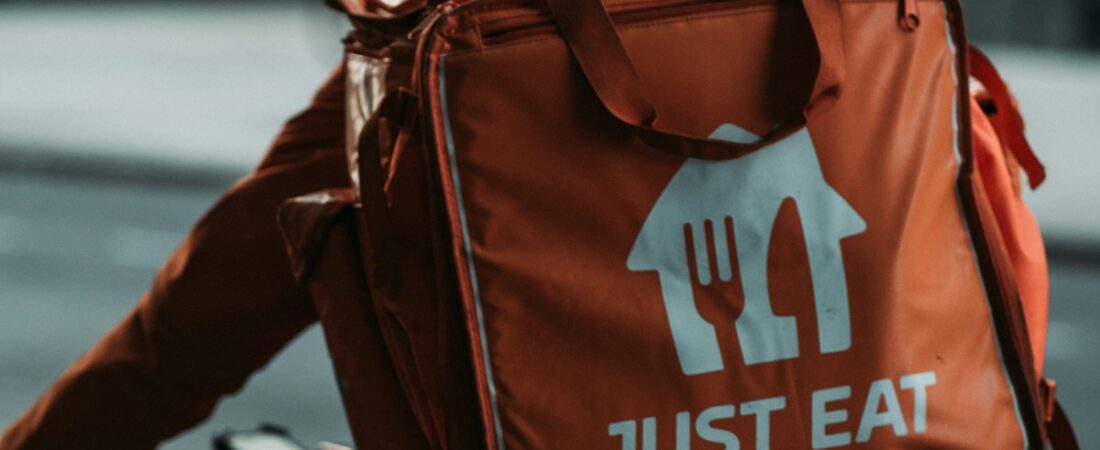

Why the Right Insulated Bag Is the Most Important Tool for Delivery Drivers
Every delivery driver learns the hard way: hot food delivered cold is a guaranteed bad rating. An insulated delivery bag isn’t optional gear — it’s the single most important piece of equipment you’ll buy as a DoorDash, Uber Eats, Spark, Instacart, or Amazon Flex driver. Food temperature directly impacts customer satisfaction, tips, and your overall rating on every platform.
In 2026, delivery platforms are stricter than ever about food quality. DoorDash’s quality assurance algorithm flags orders where food arrives below serving temperature. Uber Eats uses post-delivery temperature surveys in select markets. Spark now requires insulated bags for all cold-chain grocery orders. A $20 insulated bag can be the difference between a $15 tip and a deactivation warning.
This guide covers everything US delivery drivers need to know about insulated delivery bags in 2026: which bags to buy, which sizes you need, platform requirements, tax deductions, and pro tips for keeping food at the right temperature through rain, heat, and long drives across Houston, Chicago, New York, Los Angeles, Dallas, and Austin.
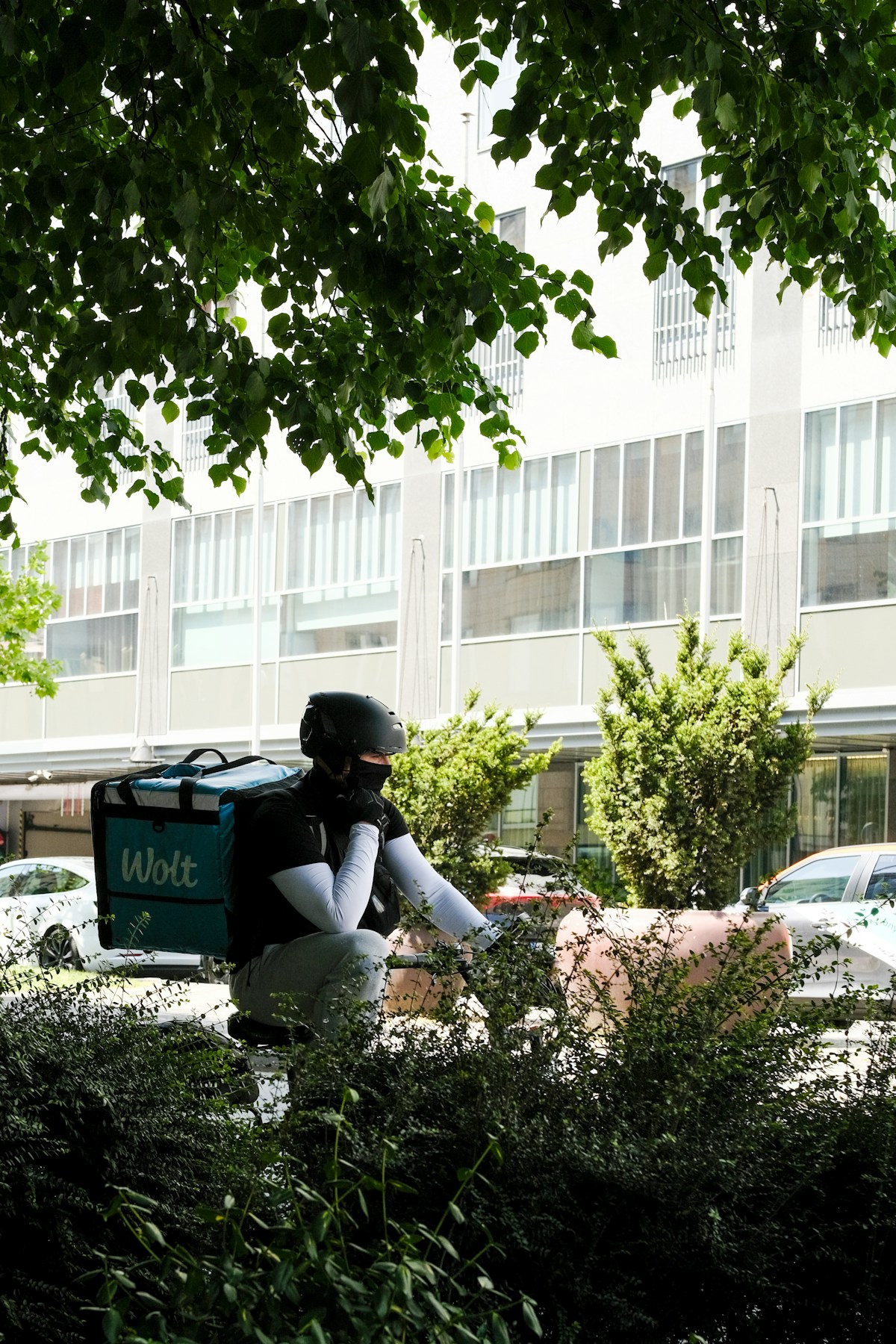
Why You Need a Dedicated Insulated Delivery Bag
Many new drivers assume their car’s trunk or a basic tote bag is sufficient. It’s not. Here is why a proper insulated delivery bag makes a real difference:
Temperature Retention
A quality insulated bag keeps hot food above 140°F and cold items below 40°F for 60–90 minutes. Without one, food loses 15–20°F in the first 10 minutes — enough to make a burger soggy, fries limp, and soup lukewarm. In cities like Chicago during winter or Houston during summer, temperature swings make proper insulation even more critical.
Customer Ratings Directly Correlate to Food Temperature
DoorDash and Uber Eats both track food quality complaints. Drivers who use insulated bags consistently report 4.8+ ratings versus 4.3–4.5 for those who don’t. That difference matters: drivers below 4.2 on DoorDash risk deactivation, and Uber Eats prioritizes higher-rated drivers for better order offers. A $30 bag protects a $3,000+ monthly income stream.
Platform Requirements for Delivery Bags
As of 2026, here is what each platform requires or strongly recommends:
- DoorDash: Does not require bags but strongly recommends them. Dashers can purchase official DoorDash bags ($9.99 for the small catering bag, $14.99 for the large catering bag). DoorDash stores in New York and Los Angeles stock branded bags.
- Uber Eats: No formal requirement, but Uber encourages drivers to use insulated bags and offers a bag purchase program through the Uber Pro Rewards system in select cities including Chicago, Dallas, and Austin.
- Walmart Spark: Requires insulated bags for all cold-chain grocery deliveries. Spark drivers must carry at least two insulated totes for cold items and one thermal bag for frozen goods. This requirement is strictly enforced in markets like Houston, Atlanta, and Phoenix.
- Instacart: Recommends insulated bags for all temperature-sensitive orders. Instacart drivers (shoppers) must certify they own insulated bags to accept alcohol and cold-chain orders.
- Amazon Flex: Provides insulated bags at some distribution centers, particularly in Dallas, Denver, and Seattle. Flex drivers handling Whole Foods and Amazon Fresh deliveries must use insulated bags.
Types of Insulated Delivery Bags: Choosing the Right One
The right bag depends on the type of delivery you do most. Here is a breakdown of every major bag type US delivery drivers use.
Standard Insulated Tote Bags
These are the most common delivery bags. They hold 1–3 restaurant orders and are ideal for DoorDash and Uber Eats drivers. Look for bags with:
- Thick foil or Mylar interior lining (at least 5mm thickness)
- Waterproof exterior shell (polyester or nylon with PVC coating)
- Reinforced stitching at stress points (handles and seam joins)
- Easy-clean interior (spill-proof lining that wipes down)
- Shoulder strap or handle options for apartment deliveries
Top brands for standard totes include GrubMarket, Vremi, and Amazon Basics. Expect to pay $15–35 per bag. Most drivers in New York City, Chicago, and Los Angeles carry two standard totes for dual-order pickup efficiency.
Large Catering Bags
Catering bags are oversized delivery bags designed for large orders — party platters, catering trays, drink carriers, and large-format meals. These are essential for DoorDash Drive and Uber Eats catering orders, which pay significantly more than standard deliveries. Key specs:
- Capacity: holds up to 20″ x 16″ x 12″ (fits multiple catering trays)
- Insulation: 6–8mm foam or bubble-foil lining
- Weight: 2–4 lbs empty (heavier but necessary for large-order protection)
- Handles: reinforced carry handles plus adjustable shoulder strap
Catering bags cost $20–50. The DoorDash official catering bag at $14.99 is the best value in this category. Drivers in Houston and Dallas who focus on lunch-rush catering orders can earn $30–50 per catering delivery.
Food Delivery Backpacks
Backpacks are essential for bike, scooter, and motorcycle delivery drivers. They distribute weight evenly across both shoulders, leave your hands free, and typically offer 25–50 liters of internal capacity. Best options feature:
- Padded shoulder straps and breathable mesh back panel
- Multiple internal compartments for separating orders
- Reflective strips for night safety (critical for late-night runs)
- Waist strap for load stability when riding
Bike delivery is common in dense cities like New York, Chicago, and San Francisco. Brands like GrubHub (branded backpacks), Everlane, and Amazon Basics sell delivery backpacks for $30–80.
Pizza Delivery Bags
Pizza requires special bags because standard totes crush boxes and trap steam, ruining the crust. True pizza delivery bags are tall (18″+ height), wide, and include venting to prevent sogginess. Look for:
- 1600–2000 denier polyester fabric (heavy-duty, weather-resistant)
- Insulated top and bottom panels (not just sides)
- Internal height of at least 12 inches
- Easily accessible top-loading design
Pizza delivery bags cost $15–40. The Doordash pizza bag ($14.99) and Whaline pizza delivery bag ($18.99) are top-rated among drivers in New York City and Chicago.
Grocery and Cold-Chain Insulated Bags
Spark, Instacart, and Amazon Fresh drivers need heavy-duty cold-chain bags with certified temperature retention. These bags are larger (1.5–2 cubic feet), heavily insulated (10mm+ foam), and often include ice-pack sleeves. Key considerations:
- Must keep cold items below 40°F for at least 2 hours
- Waterproof, leak-proof interior for melting ice and raw meat juices
- Foldable for storage when not in use
- High-visibility colors (orange or yellow) for easy identification
Professional-grade grocery bags cost $25–60 each. Drivers running Spark full-time in Houston or Atlanta typically own 4–6 insulated grocery totes to handle large curbside pickup orders.
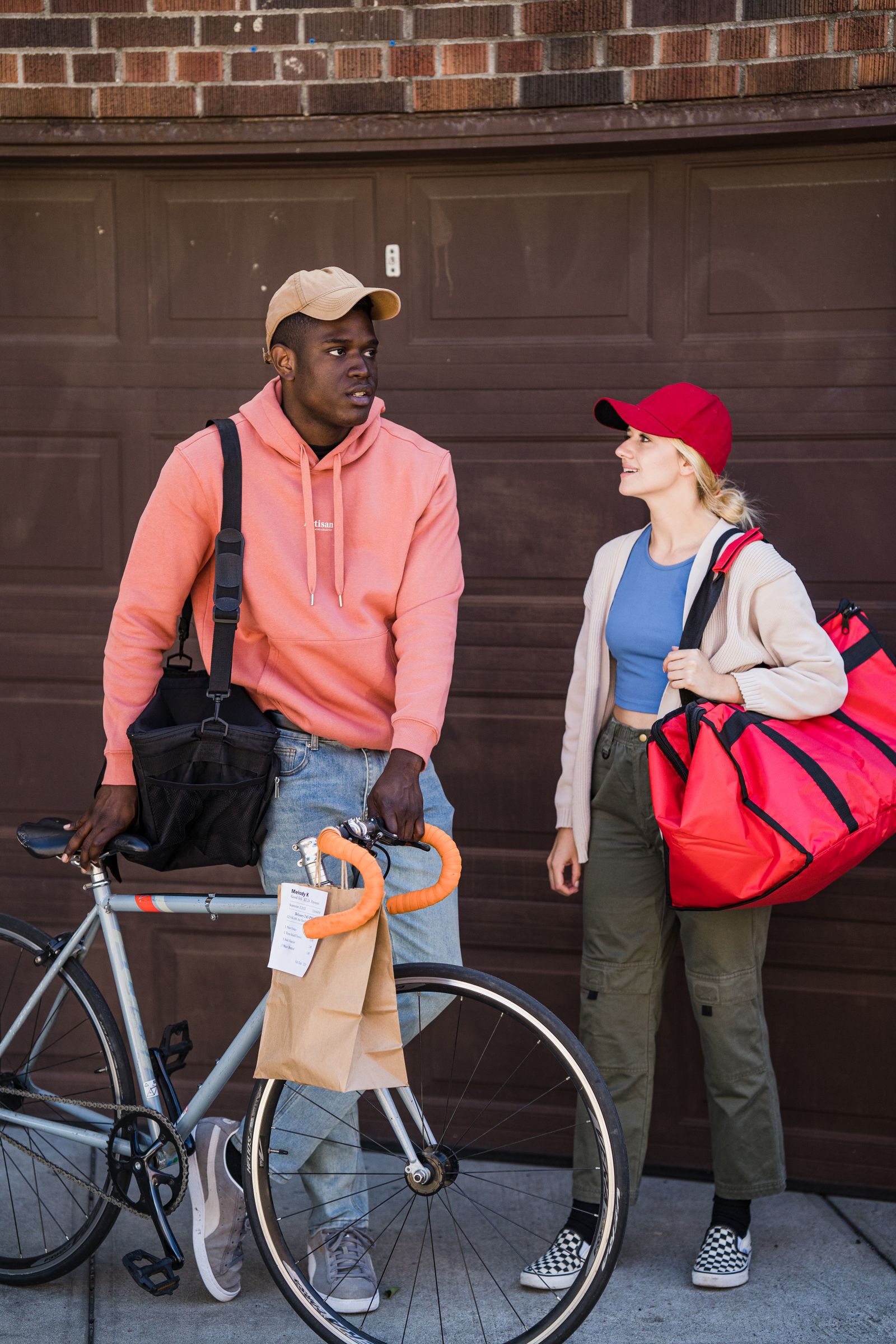
How Many Bags Do You Actually Need?
The number depends on your delivery strategy and city. Here is a practical guide based on what experienced US drivers carry:
Part-Time Drivers (10–20 hours/week)
Start with 2 standard insulated totes. This handles 90%% of DoorDash and Uber Eats orders. Add 1 catering bag if you accept large orders. Total investment: $40–60.
Full-Time Drivers (30–50 hours/week)
Carry 3–4 standard totes plus 1–2 catering bags. This lets you accept stacked orders (2–4 simultaneous pickups) without mixing food types. Drivers in Dallas and Austin who multi-app across DoorDash and Uber Eats simultaneously need 4 bags minimum. Total investment: $75–130.
Spark and Instacart Drivers
Grocery delivery requires 4–6 insulated grocery totes plus 1–2 frozen-goods thermal bags. Spark drivers handling curbside pickup for Walmart in Chicago or Phoenix need at least 4 large cold-chain bags to handle a typical $80–120 grocery order. Total investment: $120–250.
Bike and Scooter Drivers
One high-quality delivery backpack (30–40L) plus 1 standard tote for overflow. Drivers in New York City and San Francisco typically prefer a backpack for mobility plus a pizza bag if they accept Pizza orders. Total investment: $50–100.
Best Insulated Delivery Bags in 2026: Top Picks by Platform
Best for DoorDash: Official DoorDash Catering Bag ($14.99)
The DoorDash-branded catering bag is the best value in delivery bags. It fits 3–4 standard takeout bags, includes reinforced handles, and the DoorDash logo signals to restaurant staff that you are an official Dasher — which often means faster pickup in busy restaurants. Available through DoorDash Gear Store in New York, Los Angeles, and Chicago.
Best for Uber Eats: Vremi 12-Can Insulated Tote ($18.99)
Compact, lightweight, and highly rated by Uber Eats drivers. The Vremi tote holds 1–2 standard Uber Eats orders, has a waterproof interior, and collapses flat when not in use. Ideal for drivers in Los Angeles and Austin who prefer a minimalist setup.
Best for Spark/Instacart: Arctic Zone Zip-Top Insulated Totes (2-pack, $34.99)
The Arctic Zone Zip-Top totes are the gold standard for grocery delivery. Each tote holds 1.5 cubic feet, includes Cold Shield insulation that maintains temperature for 4+ hours, and has a leak-proof Microban antimicrobial lining. Available at Target and Walmart in Houston, Dallas, and Phoenix.
Best Backpack for Bike Delivery: GrubMarket 40L Insulated Backpack ($39.99)
This backpack is the top choice for bike delivery drivers in New York City, Chicago, and San Francisco. It includes reflective piping, padded shoulder straps, a 40L capacity that fits 3–4 standard orders, and a waterproof rain cover. The ventilated back panel prevents sweat buildup during summer deliveries in Austin and Houston.
Best Pizza Bag: Whaline Pizza Delivery Bag ($18.99)
The Whaline bag fits two 16-inch pizzas with room for sides. It includes a moisture-wicking interior that prevents soggy crusts and a wide opening for quick access. Top-rated by DoorDash and Uber Eats drivers handling pizza orders in Chicago and New York.
Best Heavy-Duty Cold Chain: Grizzly Coolers Insulated Delivery Bag ($49.99)
For drivers handling high-value grocery orders with Spark or Amazon Flex, the Grizzly Coolers bag is commercial-grade. It maintains temperatures for 8+ hours with ice packs, has a waterproof heavy-duty zipper, and resists punctures from sharp packaging. The 2-cubic-foot capacity handles large Whole Foods orders in Denver and Seattle.
Tax Deductions for Delivery Bags
Every insulated bag you buy for delivery driving is 100%% tax deductible as a business expense. Here is what you need to know for 2026 tax filing:
- Direct deduction: Insulated bags are classified as “supplies” or “safety equipment” under IRS Section 162 (ordinary and necessary business expenses). You deduct the full cost in the year of purchase — no depreciation needed.
- Deduct all bag costs: Standard tote ($15–35), catering bag ($20–50), backpacks ($30–80), pizza bags ($15–40), grocery totes ($25–60). Every dollar counts.
- Storage and cleaning: Bag organizers, cleaning supplies, and replacement bags are also deductible. If you buy bag liners or sanitizing wipes specifically for delivery bags, save those receipts.
- Schedule C: Report bag expenses under “Supplies” (Line 22) on your Schedule C when filing taxes. Use a mileage tracking app like Stride or Gridwise to log business expenses alongside mileage.
- The 2026 IRS mileage rate is 72.5 cents per mile — but you cannot double-dip. If you take the standard mileage deduction, bag costs are still deductible as a separate expense.
If you spend $100–200 on delivery bags in 2026, that’s $100–200 less taxable income. For drivers in the 22%% tax bracket, that saves $22–44 on tax day. Every deduction matters — keep those receipts in a designated folder or use a gig-worker expense app.
How to Clean and Maintain Your Insulated Delivery Bags
A dirty delivery bag leads to bad reviews, food contamination, and platform complaints. Follow these maintenance guidelines used by top-rated drivers in New York, Chicago, Houston, and Los Angeles:
Daily Cleaning
Wipe down the interior with disinfectant wipes or a vinegar-water solution after every shift. Pay special attention to corners where food debris accumulates. Drivers handling raw meat (Spark/Instacart grocery orders) should use food-grade sanitizer and let bags air-dry completely before the next shift.
Weekly Deep Cleaning
Turn bags inside out (if possible) and wash with warm, soapy water. Use a mild dish soap — harsh chemicals can degrade the waterproof lining over time. Rinse thoroughly and hang to dry upside down. Never machine wash delivery bags unless the manufacturer explicitly allows it (most Mylar-lined bags are hand-wash only).
Monthly Inspection
Check your bags for wear: torn seams, punctured lining, broken zippers, frayed straps. A compromised bag cannot maintain temperature. Replace any bag showing interior damage. Most delivery bags last 6–12 months of full-time use. Budget for replacing your bag inventory twice per year.
Odor Prevention
Baking soda sachets placed inside bags overnight absorb odors from previous orders. Activated charcoal bags are even more effective. Drivers who frequently deliver seafood, ethnic cuisine with strong spices, or grocery items should use odor-neutralizing sprays between deep cleans.
Pro Tips from Experienced US Delivery Drivers
Pre-Heat or Pre-Cool Your Bags
Before accepting a hot-food order, place your bag in the car with the heat on for 2–3 minutes. For cold orders, store bags in a cool area or with an ice pack 5 minutes before pickup. This pre-conditioning adds 10–15 minutes of effective temperature retention.
Use Dividers for Multi-Order Pickups
When picking up multiple orders (DoorDash stacked orders or Uber Eats double deliveries), use bag dividers or spare towels to separate hot and cold items. A hot pizza next to a cold salad is a recipe for one-star ratings on both orders.
Label Your Bags
Use a Sharpie or label maker to mark each bag with a number (Bag #1, Bag #2) for quick identification during busy delivery windows. Some drivers in Dallas and Austin color-code bags: red totes for hot food, blue for cold, black for catering.
Spare Bags in the Car
Keep 1–2 collapsed spare bags in your trunk. They cost nothing when not in use and save you when a restaurant hands you an unexpectedly large order. Drivers who carry spares never have to turn down a high-paying catering offer because they lacked bag space.
Rain Protection
In rainy cities like Seattle, Portland, and New York, keep your insulated bags inside a larger waterproof bag or use a rain cover. Paper takeout bags disintegrate in the rain, and wet food bags lead to customer complaints. A $5 rain cover protects $100 worth of delivery gear.
Frequently Asked Questions About Delivery Driver Insulated Bags
Are insulated delivery bags required by DoorDash?
DoorDash does not officially require insulated bags, but they strongly recommend them. Many DoorDash markets in New York City, Chicago, and Los Angeles have local Dasher meetups where bags are provided or discounted. DoorDash’s algorithm may prioritize Dashers with bag purchases on their account for higher-value orders.
Can I deduct delivery bags on my taxes?
Yes. Insulated delivery bags are 100%% deductible as a business expense (supplies) under IRS Section 162. Keep all receipts and report them on Schedule C Line 22. This includes standard totes, catering bags, backpacks, pizza bags, and grocery cold-chain bags.
How long do insulated delivery bags last?
With proper care, 6–12 months of full-time use. Cheap bags ($10–15) may last 3–6 months. Mid-range bags ($20–40) last 6–10 months. Premium bags ($50+) can last 12–18 months. Replace any bag with visible lining damage, broken zippers, or frayed straps.
What size bag do I need for DoorDash?
Start with one standard tote (12″ x 10″ x 8″) and one catering bag (18″ x 14″ x 12″). This covers 95%% of DoorDash orders. Add a pizza bag if you accept pizza orders regularly.
Do Uber Eats drivers need their own bag?
Uber Eats does not provide bags to drivers. You must purchase your own. Many Uber Eats drivers in Houston, Dallas, and Austin use the Vremi or GrubMarket totes priced between $15–25.
Can I wash my delivery bag in the washing machine?
Only if the manufacturer explicitly states it is machine-washable. Most insulated bags with Mylar or foil lining must be hand-washed. Machine washing collapses the reflective interior layers, destroying insulation effectiveness.
Does Spark provide insulated bags?
No, Spark drivers must supply their own insulated bags for cold-chain and frozen orders. Spark’s driver app includes a bag check-in process where you upload photos of your bags before accepting grocery orders in markets like Chicago, Houston, and Phoenix.
Where can I buy delivery bags in 2026?
- DoorDash Gear Store: Online and at DoorDash Greenlight hubs in New York, Los Angeles, Chicago
- Amazon: Vremi, GrubMarket, Amazon Basics — two-day Prime shipping
- Walmart: Arctic Zone Zip-Top totes, Ozark Trail bags — available in Houston, Dallas, Phoenix stores
- Target: Arctic Zone bags, Pillowfort insulated totes — Chicago and New York locations
- Restaurant supply stores: WebstaurantStore (online) — commercial-grade catering bags
Final Verdict: Invest in the Right Bags, Earn More
The difference between a $15 delivery with a $5 tip and a $15 delivery with a $2 tip is often temperature quality. Customers notice when their food arrives steaming hot or refreshingly cold. They remember when their pizza is still crisp, their salad isn’t wilted, and their ice cream hasn’t melted.
For a one-time investment of $50–150 in quality insulated delivery bags, a full-time delivery driver can earn an additional $50–100 per week in higher tips alone — plus fewer complaints, better ratings, and access to higher-paying orders like catering, grocery, and large-group deliveries. Over a year, that’s $2,600–5,200 in increased income from a gear purchase that costs less than a tank of gas.
Start with 2 standard insulated totes and 1 catering bag. Scale up as you grow. And remember: every bag you buy is tax deductible. Save those receipts.
Get Paid More with Uber Eats
New drivers in select cities can earn up to $2,575 after completing their first deliveries. Sign up today and start earning.
Start Earning $2,575 with Uber Eats →
Terms apply. Offer available in select US markets. New drivers only.