
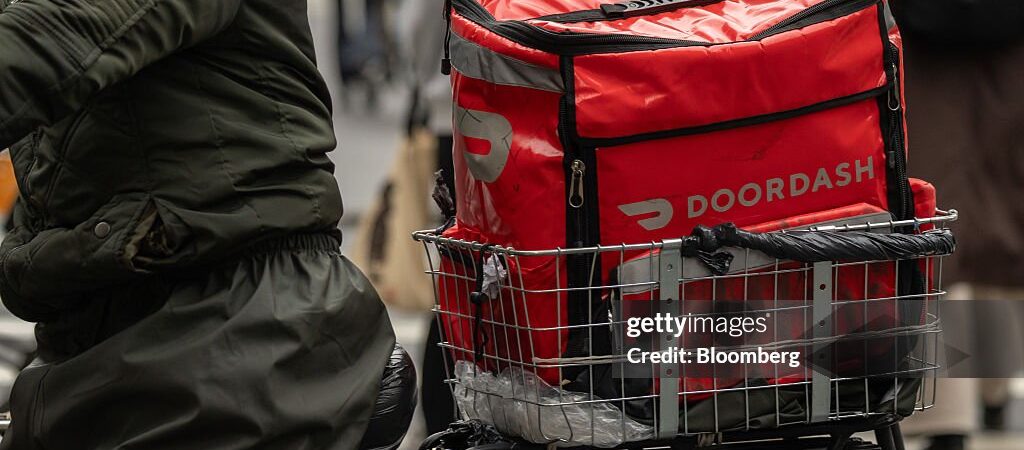

Football season means more than touchdowns and tailgates for delivery drivers across America. For those driving with DoorDash, Uber Eats, Spark, and Amazon Flex, NFL Sundays and college game days represent some of the most profitable hours of the entire year. When tens of thousands of fans stay home to watch the game instead of cooking or going out, order volumes spike dramatically. Restaurants get slammed. Fans want wings, pizza, subs, and beer delivered straight to their couches. And every single one of those orders means higher pay for you.
Drivers in cities like Houston, Dallas, Austin, Chicago, Atlanta, New York City, Los Angeles, Philadelphia, Denver, and Miami consistently report earning 40 to 80 percent more on football Sundays compared to regular weekends. The combination of surge pricing, peak pay incentives, shorter delivery windows, and higher tips from grateful fans creates a perfect storm for gig economy earnings. But you need the right strategy to capture that value. Showing up at the wrong time, in the wrong zone, or without the right multi-app setup can leave money on the table.
This guide breaks down exactly how to maximize your delivery driver earnings during football season in 2026. We will cover which apps pay the most on game days, optimal shift timing, hot zones to target, multi-app strategies, vehicle preparation, and safety considerations. Whether you drive for one platform or stack four apps at once, these strategies will help you turn football Sundays into your highest-earning days of the week.
Why Football Season Is a Goldmine for Delivery Drivers
The fundamental economics of football season create near-perfect conditions for delivery drivers. Restaurants experience a massive surge in demand as fans order food rather than cooking during games. Weather conditions in the fall also push more people to order delivery instead of driving to restaurants. Bars and sports pubs redirect their own delivery needs through third-party platforms. And all of this happens within concentrated windows of time, which maximizes surge pricing and peak pay opportunities.
Peak Hours on Game Days
NFL Sundays follow a predictable schedule that allows savvy drivers to plan their shifts around maximum earnings. The early window (1:00 PM Eastern) generates the highest order volume of the day, with orders starting to pour in around 11:30 AM local time as fans prepare for kickoff. The afternoon window (4:25 PM Eastern) creates a second wave as early game viewers order for the late afternoon matchup. Sunday Night Football (8:20 PM Eastern) drives a third surge, particularly for alcohol delivery and late-night snacks. Monday Night Football and Thursday Night Football create smaller but still significant spikes on otherwise slower weeknights.
College football Saturdays follow similar patterns but vary by region. In cities like Austin (University of Texas), Athens, Ann Arbor, and Tuscaloosa, college game days can match or exceed NFL Sunday order volumes. Drivers in SEC and Big Ten markets should treat Saturdays as equally valuable as Sundays during the fall semester.
Best Delivery Apps for Game Day Earnings
DoorDash on Football Sundays
DoorDash consistently offers the highest base pay during football season due to its market dominance and aggressive peak pay programs. The Dasher app displays peak pay bonuses of $3 to $6 per delivery during NFL game windows in major markets. Drivers in Dallas, Houston, and Chicago report consistent $5 peak pay offers between 11:00 AM and 2:00 PM on Sundays throughout the season. DoorDash also runs targeted promotions for football season, including guaranteed minimum earnings for completing a certain number of deliveries during game windows.
Uber Eats Game Day Performance
Uber Eats handles a massive share of game day delivery volume, particularly for wings, pizza, and fast food. The platform’s surge multiplier often hits 1.5x to 2.5x during NFL game windows in high-density suburbs and urban areas near major stadiums. Uber Eats drivers in Philadelphia report average earnings of $28 to $35 per hour during Eagles home games, compared to their typical $18 to $22 per hour. The Uber Pro rewards program also helps experienced drivers keep more of their game day earnings through reduced service fees.
Spark Driver Game Day Strategy
Spark (Walmart’s delivery platform) offers a different but equally valuable game day earning opportunity. While food delivery apps spike during game hours, Spark orders for groceries and party supplies peak in the hours before kickoff. Drivers who start their Spark shift early on Sunday mornings can complete grocery and party supply deliveries between 8:00 AM and 11:00 AM, then switch to food delivery apps during the actual game windows. This stacking strategy maximizes total daily earnings by covering both the pre-game and in-game demand waves.
Amazon Flex for Football Season
Amazon Flex provides consistent base earnings during football season, though without the surge pricing of food delivery apps. The advantage of Flex lies in its reliability. While DoorDash and Uber Eats face unpredictable order volumes during non-game hours, Amazon Flex offers guaranteed block pay regardless of game day demand. The optimal Flex strategy involves taking early morning blocks (7:00 AM to 11:00 AM) on Sundays, then transitioning to food delivery apps for the game windows.
Strategic Shift Planning for Game Days
Multi-App Stacking on Football Sundays
The most successful game day drivers run multiple apps simultaneously to capture orders from every platform. A proven Sunday schedule used by experienced drivers in Houston and Dallas looks like this:
8:00 AM to 11:00 AM: Spark or Amazon Flex block for consistent pre-game earnings. Grocery and package deliveries are in high demand as households prepare for game day gatherings.
11:00 AM to 2:00 PM: DoorDash and Uber Eats during the early NFL window. This is the highest-earning block of the week for most drivers. Park near clusters of pizza chains, wing restaurants, and fast food locations in residential zones where fans are watching games.
2:00 PM to 4:00 PM: Continue with DoorDash and Uber Eats as the afternoon window begins. Order volumes remain high but competition from other drivers may increase as more people log on.
4:00 PM to 7:00 PM: Transition back to Spark for late afternoon grocery delivery or stay on food delivery apps for the late game window. This period also sees high alcohol delivery volume as the afternoon game ends.
7:00 PM to 10:00 PM: Uber Eats and DoorDash for Sunday Night Football. Late evening delivers consistently higher tips, particularly from groups who have been drinking and want food delivered quickly.
Geographic Targeting for Game Day Deliveries
Where you position yourself during football games matters more than when you log on. The most profitable zones on game days are not the areas immediately surrounding stadiums. Stadium zone traffic is notoriously bad, parking is difficult, and most fans attending the game in person eat at the stadium rather than ordering delivery. The real money lies in residential neighborhoods located 5 to 15 miles from stadiums where fans are hosting watch parties.
In Chicago, drivers report the best game day earnings in neighborhoods like Lincoln Park, Wrigleyville, and Lakeview where large groups gather to watch Bears games at home. In Atlanta, the neighborhoods surrounding Midtown and Buckeye generate the highest order volumes during Falcons and Georgia Bulldogs games. Dallas drivers target the suburbs of Arlington, Plano, and Frisco on Cowboys game days. Philadelphia drivers concentrate on South Philadelphia and the suburbs of King of Prussia and Conshohocken during Eagles games.
In college football markets like Austin, drivers should position near the University of Texas campus area and the surrounding student housing developments on Longhorns game days. The density of orders per square mile in these college zones often exceeds what NFL markets produce.
Vehicle and Equipment Preparation for Fall Deliveries
Football season spans September through February, which means you are delivering during fall and winter weather conditions. Preparing your vehicle for the season ensures you do not lose earning days to breakdowns or safety issues.
Essential Vehicle Checks Before Game Day
Tire pressure drops in cold weather, reducing fuel efficiency and increasing the risk of flats. Check your tire pressure every Sunday morning during the season. Brake pads wear faster in stop-and-go delivery traffic, so inspect them at the start of each month. Keep your gas tank at least half full during game day shifts, since gas stations near high-demand delivery zones get crowded and you do not want to lose a peak pay window filling up.
Carry a portable phone charger in your vehicle. Game day shifts often run six to eight hours, and running multiple delivery apps drains your battery significantly faster than regular shifts. A dead phone in the middle of a peak pay window can cost you $50 or more in lost earnings.
Delivery Gear for Football Season
Invest in a good insulated delivery bag that can hold multiple large orders. Game day orders tend to be bigger than average, with groups ordering enough food for six to ten people. Large catering bags let you accept these high-value orders that many drivers decline because they cannot fit everything in a standard bag. A hot bag rated for large catering orders costs around $30 to $50 on Amazon and pays for itself within two game day shifts.
A quality dashboard phone mount with wireless charging is another essential investment. You will be navigating to unfamiliar residential addresses during game days, and having your phone securely mounted while charging lets you accept and navigate orders efficiently.
Maximizing Tips on Game Day Deliveries
Football game days produce some of the highest tips of the year, but only if you deliver strategically. People ordering food during games are often in groups, already in a celebratory mood, and grateful that they do not have to leave the game to get food. These psychological factors create a tipping environment that experienced drivers exploit with a few key tactics.
Communication Is Everything
Send a quick text message when you pick up the order, especially for large group orders. A simple message like “Picked up your order from [restaurant] and heading your way. Go [home team]!” sets a positive tone before you arrive. Groups that are watching the game together appreciate knowing exactly when their food will arrive so they can time commercial breaks.
If the gate code is missing or the apartment is hard to find, call instead of sending multiple texts. Groups watching the game may not check their phones immediately, but a phone call gets answered quickly. Fast, efficient delivery during game windows earns higher tips than during regular hours because every minute the food is late is a minute of the game the host is distracted.
Deliver to the Door Every Time
During game days, never leave orders in the lobby or by the mailbox. Group hosts are often too absorbed in the game to notice the delivery notification. Walking the order to the specific apartment or house door ensures the food reaches the people who ordered it. Contactless delivery during game days often results in lower tips because the host does not see the delivery person making the effort. A friendly face-to-face handoff with a “Enjoy the game!” generates consistently higher tips.
Tax Deductions for Football Season Delivery
Football season driving adds significant mileage to your vehicle, and every one of those miles is tax deductible if you track them properly. The 2026 IRS mileage deduction rate is typically between 65 and 70 cents per mile. A driver who completes 1,000 game day deliveries over the season might drive 8,000 to 12,000 miles specifically on football Sundays and Saturdays. At the standard mileage rate, that represents a deduction of $5,200 to $8,400 against your 1099 income.
Use a mileage tracking app like Stride, Gridwise, or Hurdlr that automatically logs your driving while you are on delivery shifts. These apps distinguish between personal and business mileage, which is essential for an accurate tax filing. The cost of delivery bags, phone mounts, portable chargers, insulated drink carriers, and vehicle maintenance directly related to your delivery work are also deductible business expenses.
If you upgrade your vehicle or add equipment specifically for game day delivery work, such as a roof rack or larger insulated bags, those costs may qualify for Section 179 depreciation deductions. Consult a tax professional familiar with gig economy work to maximize your football season deductions.
Safety Tips for Night Game Deliveries
Sunday and Monday night football games mean delivering after dark during the fall and winter months. Night deliveries require additional safety precautions, particularly when delivering to unfamiliar residential areas.
Always park under a streetlight or in a well-lit area when delivering after dark. Keep your hazard lights on so your vehicle is visible from the street. Carry a high-lumen flashlight to illuminate walkways, stairs, and address numbers. If an address has no visible numbers and the gate code is not provided, call the customer rather than wandering around an unfamiliar property at night.
Trust your instincts when accepting offers. If a delivery takes you into an unfamiliar area after dark and the payout does not justify the risk, decline it. The game day rush can tempt drivers to accept every offer, but your personal safety matters more than any single delivery.
Share your location with a family member or friend during night shifts. Apps like Life360 or Google Maps location sharing let someone track your progress and know your location in case of an emergency. DoorDash and Uber Eats both have in-app safety features including emergency assistance buttons and real-time ride tracking. Familiarize yourself with these features before your first night game shift.
Managing Order Volume During Peak Game Windows
The biggest challenge of game day delivery is not finding orders, it is managing the volume of offers that come in all at once. When the first quarter of an NFL game ends and halftime approaches, your phone will blow up with 10 to 20 offers simultaneously across multiple apps. Without a clear strategy, you risk accepting orders that take you out of your optimal zone or that have unrealistic delivery windows.
Set Your Acceptance Thresholds Before Kickoff
Before the game starts, review each platform’s offer criteria and set your personal minimums. On DoorDash, decline any order paying less than $8 during game windows unless it is under two miles. On Uber Eats, skip offers below $7 or those taking you more than five miles from your target zone. On Spark, only accept orders paying at least $25 for the estimated time commitment. Setting these thresholds in advance prevents decision fatigue when offers flood in.
Use the Pause Feature Strategically
When you accept a large catering order that will take 30 to 40 minutes to deliver, pause your other apps for the duration. Attempting to juggle simultaneous deliveries across multiple apps during game day peak hours increases the risk of late deliveries, which hurt your ratings and reduce your future earnings. Focus on one delivery at a time during the busiest windows and ramp up your stacking strategy during the mid-game lulls.
Which Cities Offer the Best Game Day Earnings
Not all NFL markets are equal for delivery drivers. Based on driver reports and order volume data from the 2025 season, the following cities offer the highest game day earnings potential in 2026:
Dallas-Fort Worth: With the Dallas Cowboys being the most valuable sports franchise in the world, game day order volume in the DFW metroplex is unmatched. Drivers targeting Arlington, Plano, Frisco, and Fort Worth suburbs consistently report Sunday earnings of $250 to $400 for eight-hour shifts during Cowboys games.
Houston: NRG Stadium brings massive game day volume to Houston’s southwest and galleria neighborhoods. Texans game days generate consistent peak pay offers of $4 to $7 per delivery on DoorDash.
Philadelphia: Eagles fans are famously passionate, and that passion extends to ordering food during games. Philadelphia drivers report the highest per-order tips of any NFL market, with average tips of $6 to $10 on game day deliveries.
Chicago: Soldier Field game days drive order volume across the entire city, with dense neighborhoods like Lincoln Park and Wrigleyville producing high-order density. Chicago drivers earn well on both Bears and college game days.
Atlanta: Mercedes-Benz Stadium serves both Falcons and Atlanta United games, creating weekend-long earning opportunities. The suburbs of Buckhead, Midtown, and Sandy Springs are particularly profitable.
Austin: College football drives the Austin market, with Texas Longhorns game days turning the city into a delivery driver paradise. Student housing complexes near the UT campus generate extremely high order density on home game weekends.
Denver: Mile High Stadium game days fill the entire Denver metro with order requests. The suburban neighborhoods of Aurora, Lakewood, and Highlands Ranch are particularly strong for delivery earnings.
Miami: Hard Rock Stadium game days combine football demand with Miami’s strong restaurant culture, creating year-round earning potential. South Florida drivers consistently rank among the highest-earning game day drivers nationwide.
Final Game Day Earnings Projection
Based on driver reports from the 2025 NFL season and current platform trends for 2026, a well-prepared multi-app driver in a top-tier market can expect the following earnings during the football season:
NFL Sunday (10-hour shift): $280 to $450, depending on market and whether the local team is playing at home. Drivers in Dallas, Houston, and Philadelphia consistently hit the upper range.
College Saturday (8-hour shift): $200 to $350 in college markets like Austin, Ann Arbor, and Tuscaloosa. The SEC and Big Ten markets produce the highest college game day earnings.
Monday Night Football (6-hour evening shift): $120 to $200. Monday games are less profitable than Sundays but significantly more profitable than regular Monday evening shifts.
Thursday Night Football (5-hour evening shift): $100 to $160. Thursday games offer a mid-week earnings boost that can add $400 to $600 to your monthly income during the season.
Season total potential: A driver who consistently works football game days from September through February can earn an additional $8,000 to $14,000 compared to the same period without game day strategy. The most successful drivers in Dallas, Houston, and Philadelphia have reported earning over $15,000 in game day deliveries during a single NFL season.
The key is preparation, multi-app stacking, and targeting the right geographic zones for each game window. Football season is not just about watching the games, it is about capitalizing on one of the highest-demand periods of the entire year for delivery drivers. With the strategies outlined in this guide, you can turn every touchdown into a deposit in your bank account.
Get Paid More with Uber Eats on Game Days
New drivers in select US cities can earn up to $2,575 after completing their first deliveries in qualifying areas. Football season is the perfect time to start.
Start Earning $2,575 with Uber Eats →
Terms apply. Offer available in select US markets. New drivers only.