
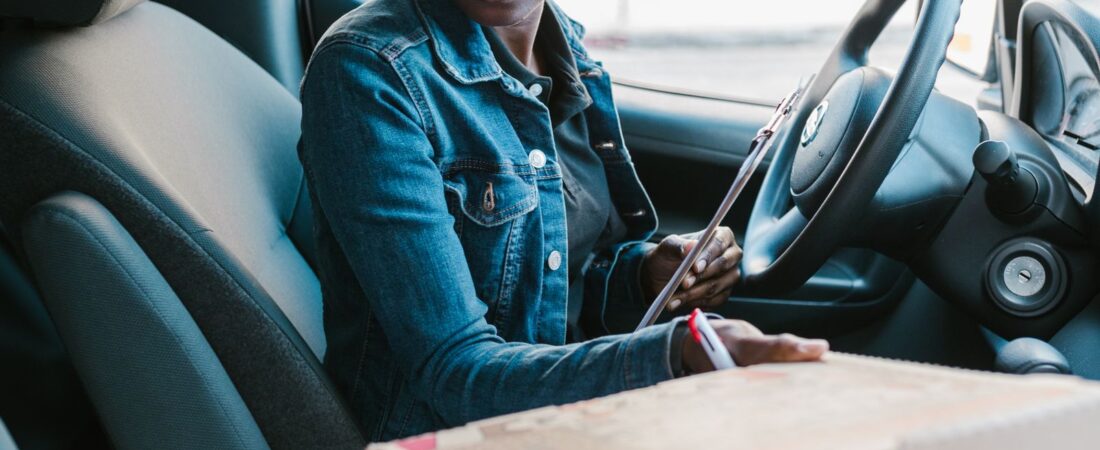

Delivery Driver Insurance 2026: Complete Guide to Coverage, Costs & Gap Protection
Let me ask you something straight-up: do you know what happens to your car insurance the second you fire up the DoorDash app and go online?
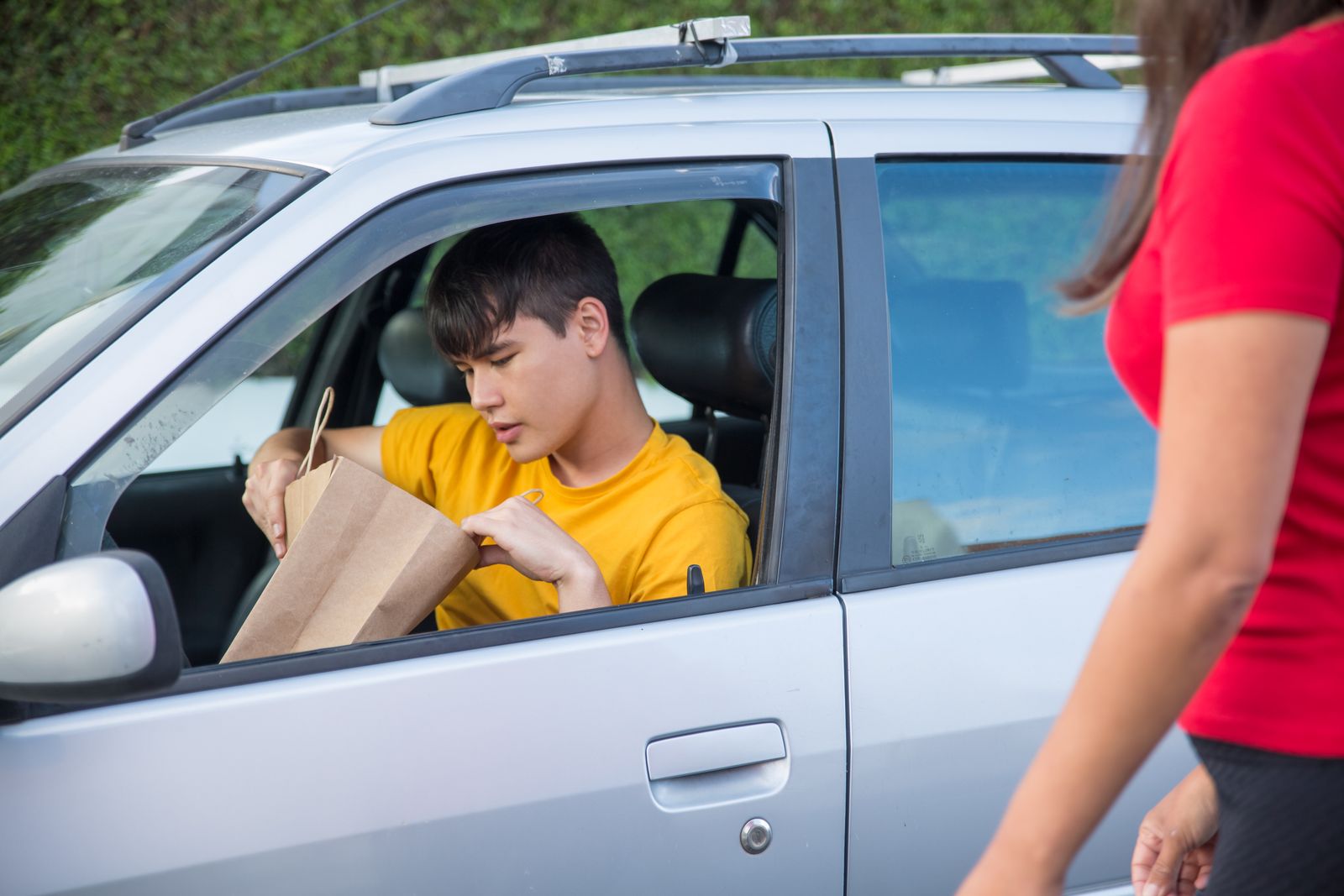
Most delivery drivers find out the hard way — after an accident. Your personal auto policy almost certainly excludes “commercial delivery” or “business use.” That means if you get into a fender bender while carrying a McDonald’s order, your insurance company can — and will — deny your claim. You’re on the hook for everything: the other driver’s car, your own repairs, medical bills.
I’ve been delivering for four years across DoorDash, Uber Eats, and Spark. I’ve seen drivers lose their savings over this. But here’s the thing: getting proper delivery driver insurance in 2026 is easier and cheaper than most people think. This guide covers exactly what you need, what it costs, and how to avoid the coverage gap that bankrupts drivers every single day.
Why Your Personal Auto Policy Won’t Cover Delivery
Here’s the hard truth every delivery driver needs to hear: standard personal auto insurance policies explicitly exclude commercial activities. Driving for DoorDash, Uber Eats, Instacart, or Spark counts as commercial use in the insurance industry’s eyes.
Insurance companies classify driving into categories:
- Personal use — commuting, errands, road trips
- Business use — driving to client meetings, visiting job sites
- Commercial delivery — transporting goods or food for money
Most drivers fall into a dangerous gray zone. You’re not a commercial fleet, but you’re also not just running personal errands. And insurance companies love to deny claims in this gray zone. I’ve seen a driver get hit with a $15,000 repair bill because his Geico policy had a “business pursuits” exclusion he didn’t know about.
The worst part? The apps themselves won’t tell you. DoorDash and Uber Eats provide what’s called “contingent liability coverage” — but it only kicks in after your personal policy denies coverage, and even then, it only covers damage you cause to others, not your own vehicle.
The Three Coverage Periods Every Driver Must Understand
Insurance for delivery drivers breaks down into three distinct periods. Understanding these will save you thousands.
Period 1: Waiting for Orders
This is when you’re logged into the app but haven’t accepted an order yet. You’re driving around, parked at a hotspot, or sitting in a restaurant parking lot. In Period 1, the delivery app provides zero coverage for your vehicle. Some apps offer limited liability coverage, but your car itself is completely uninsured in this period. Most accidents happen during this waiting phase because drivers are distracted, checking their phones, or rushing to a hotspot.
Period 2: En Route to Pickup
Once you accept an order and drive to the restaurant, the app’s contingent liability coverage kicks in — but only for damage you cause to others. Comprehensive and collision coverage for your own vehicle? Still not covered unless you have a rideshare endorsement or delivery add-on.
Period 3: Delivering to Customer
You’ve picked up the food and you’re heading to the customer. This is the most protected period, but even here, the app’s coverage is limited to liability only. Your own car damage is still your problem unless you have proper insurance.
Delivery Driver Insurance Options in 2026
The good news? In 2026, most major insurers now offer specific coverage for gig workers. Here’s what you need to know about each option.
Rideshare / Delivery Endorsement ($15–$30/month)
This is by far the most cost-effective solution for delivery drivers. A rideshare endorsement (sometimes called a “TPNC” or “transportation network company” endorsement) adds delivery coverage to your existing personal auto policy. It fills the gaps during Period 1 and Period 2 when the app provides little or no coverage.
Cost: $15 to $30 per month extra on your existing policy.
Providers: Progressive, State Farm, GEICO, Allstate, USAA, and Nationwide all offer some form of rideshare or delivery endorsement in most states.
Commercial Auto Policy ($1,200–$2,400/year)
A full commercial auto policy covers you for all delivery activities 100% of the time. This is overkill for most gig drivers — you’d pay $100–$200/month for coverage you only partially need. Commercial policies make sense if you’re running a multi-driver operation, delivering high-value goods, or doing logistics work through Amazon Flex or similar platforms.
Pay-Per-Mile Insurance
Newer insurers like Allstate’s Milewise and Nationwide’s SmartMiles offer pay-per-mile policies that can save delivery drivers money. You pay a low daily base rate plus a per-mile charge. Since delivery driving involves lots of short trips, this can work out cheaper than traditional insurance — but make sure the policy explicitly covers gig delivery.
How to Get Insured for Delivery Driving: Step-by-Step
Here’s exactly what to do to get properly covered in 2026:
- Call your current insurer. Ask for a rideshare or delivery endorsement. Use the exact phrase: “I’m a gig delivery driver for DoorDash and Uber Eats — do you offer a rideshare or delivery endorsement?”
- Be honest about your usage. Tell them which apps you use and approximately how many hours per week you deliver. Some insurers will try to put you on a commercial policy — push back and ask for the endorsement first.
- Compare quotes from at least three providers. Progressive and State Farm are usually the most gig-friendly. GEICO now offers delivery endorsements in 38 states as of 2026.
- Check the exact coverage language. Make sure the endorsement explicitly covers “food delivery,” “package delivery,” or “commercial delivery.” Some rideshare endorsements only cover passenger transport (Uber/Lyft) — you need wording that covers delivery.
- Get it in writing. Ask for a copy of the endorsement declaration page showing your coverage applies while using delivery apps.
What Your Insurance Needs to Cover
When you’re shopping for delivery driver insurance, here are the specific coverage types that matter:
- Liability — covers damage you cause to others. Required in most states. Make sure you carry at least $100,000/$300,000 limits.
- Collision — covers damage to your own vehicle from accidents. Essential when you’re putting 20,000+ delivery miles on your car per year.
- Comprehensive — covers theft, vandalism, weather damage, and hitting animals. Delivery drivers park in strange neighborhoods at all hours — this one matters.
- Uninsured/Underinsured Motorist — covers you if a driver without insurance hits you. More common than you’d think.
- Medical Payments — covers your medical bills after an accident regardless of fault.
If you’re driving an older car that’s paid off, you might be tempted to drop collision and comprehensive to save money. But consider this: your car is your income. If it gets totalled, how many weeks of delivery income will you lose while you save up for a replacement? That’s a risk most drivers can’t afford to take.
Common Insurance Mistakes Delivery Drivers Make
After four years in this game, I’ve seen the same mistakes over and over. Here’s what to avoid:
1. Assuming the App Covers You
The apps provide liability coverage — not insurance for your vehicle. DoorDash’s contingent liability coverage is $1 million, sure, but it covers damage you cause to OTHER people. Not your car. Not your lost income while you’re waiting for repairs.
2. Lying to Your Insurance Company
This is the biggest mistake you can make. If you tell your insurer you only drive for personal use but then file a claim during an active delivery, they’ll investigate. They’ll check your app history. They’ll deny the claim and cancel your policy. Insurance fraud is a real legal risk, not just a “they’ll never find out” situation.
3. Not Shopping Around
Different insurers have wildly different rates for delivery drivers. Progressive might quote you $30/month extra while Allstate wants $80. Get at least three quotes. Your current insurer might not even offer delivery coverage — you’ll need to switch providers.
4. Ignoring the Gap Period
Period 1 (waiting for orders) is when you’re most vulnerable. Many delivery endorsements don’t cover Period 1 unless explicitly stated. Read the fine print and ask your agent specifically about coverage while “online and available” but not on an active delivery.
How Delivery Insurance Costs Compare in 2026
Here’s a realistic breakdown of what delivery insurance costs in 2026 based on what I’ve seen and what drivers report on Reddit and driver forums:
- Personal auto policy (no delivery): $100–$150/month (baseline)
- Personal + rideshare endorsement: $115–$180/month ($15–$30 extra)
- Commercial auto policy: $200–$400/month (overkill for most drivers)
- Pay-per-mile with delivery coverage: $80–$160/month (depends on mileage)
For the majority of delivery drivers, the rideshare endorsement is the sweet spot. You maintain your existing personal policy, pay $15–$30 extra per month, and sleep soundly knowing you won’t get denied.
That $30/month works out to roughly one extra delivery shift per year. Compare that to a $15,000 denied claim. The math is obvious.
What to Do If You Already Had an Accident Without Coverage
If you’re reading this after an accident, don’t panic. Here’s your game plan:
- Don’t lie to your insurance. If you tell them you were delivering food and they find out later, that’s fraud. Instead, be truthful about the situation.
- Check if your insurer has a grace period. Some insurers will still cover the claim but then require you to add an endorsement going forward. It’s not guaranteed, but it’s worth asking.
- Contact the delivery app’s insurance team. DoorDash, Uber Eats, and Spark all have claims departments that handle contingent liability. They may cover third-party damage even if your personal policy denies the claim.
- Consult a lawyer. If the damage is significant, a lawyer who specializes in gig economy insurance issues can help navigate the claims process and potentially recover costs.
Frequently Asked Questions About Delivery Driver Insurance 2026
Do I need commercial insurance to deliver for DoorDash?
No. Most drivers don’t need a full commercial policy. A rideshare endorsement on your personal auto policy is sufficient for the vast majority of part-time and full-time delivery drivers.
Does Uber Eats provide insurance for drivers?
Uber Eats provides contingent liability coverage of up to $1 million during Periods 2 and 3 (en route and delivering). This covers damage you cause to others but NOT damage to your own vehicle. You need your own insurance with a delivery endorsement for full protection.
Will my insurance go up if I tell them I deliver food?
Yes, expect a modest increase of $15–$30 per month. But here’s the thing: the increase is minimal compared to the risk of having a claim denied. Plus, many insurers offer multi-policy discounts that can offset some of the increase.
Can I use my parents’ insurance to deliver food?
Probably not. Most auto insurance policies require the named insured to be the primary driver of the vehicle. If you’re on your parents’ policy as an occasional driver and you’re using the car for commercial deliveries, the carrier could deny any claims. You need your own policy or at minimum be listed as a primary driver with a delivery endorsement.
The Bottom Line: Get Covered Before You Get Burned
Delivery driving is one of the best ways to make real money on your own schedule in 2026. But one denied claim can wipe out months of earnings and leave you stranded without transportation — and without income.
The fix is simple and cheap. A $15–$30 monthly rideshare endorsement gives you the peace of mind to focus on what matters: maximizing your earnings.
Already driving without proper insurance? Stop reading and call your insurer right now. Ask for a rideshare or delivery endorsement. It’ll take 15 minutes and could save you thousands.
Looking to maximize your earnings beyond just getting insured? Check out our guides on multi-apping strategies to boost your income, the 2026 IRS mileage rate deductions every driver should know, and the best used cars for delivery driving to help you choose a reliable, affordable vehicle.
Ready to start driving? If you haven’t signed up for Uber Eats yet, use my referral link to get a bonus when you complete your first deliveries: Sign up for Uber Eats here and start earning on your own schedule.
Safe driving out there. Keep the shiny side up.
Ready to Earn More as a Delivery Driver?
Sign up for Uber Eats today and earn a $2,575 guaranteed bonus after completing your first 200 deliveries in select US cities.