
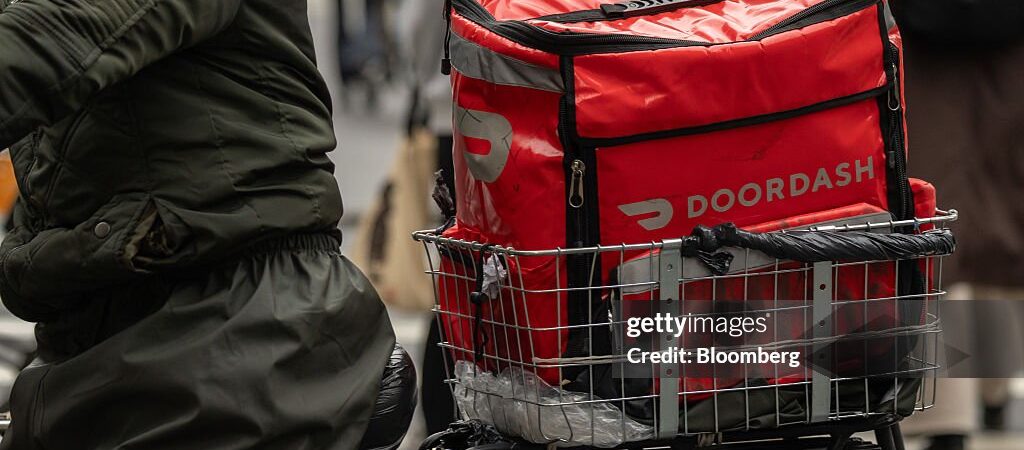

If you deliver for DoorDash, Uber Eats, Spark, or Instacart in any major US city, you have probably faced the same dilemma: where do you legally park when the restaurant has no parking lot and the customer lives on a busy street? Delivery driver parking tickets are one of the most frustrating and expensive hidden costs of gig work. In cities like New York, Chicago, Los Angeles, Houston, Dallas, Austin, and San Francisco, a single parking citation can wipe out an entire day of earnings.
This comprehensive guide covers everything you need to know about avoiding delivery driver parking tickets in 2026, from understanding parking regulations to using technology to find safe spots. We will cover strategies for each major platform and city so you can keep more of what you earn.
Why Parking Tickets Are a Major Problem for Delivery Drivers
Parking tickets are not just an occasional annoyance. For many full-time delivery drivers, they represent a recurring expense that can add up to hundreds of dollars per month. Unlike gas and maintenance, parking fines are not tax-deductible as a business expense in the same way. The IRS considers parking tickets a personal fine, even if you got them while working. That means every dollar you pay in parking fines is a dollar you cannot write off.
The rise of food delivery has not been matched by infrastructure changes in most US cities. Loading zones were designed for commercial delivery trucks, not gig workers in personal vehicles. Restaurant parking lots are often small or full. Residential neighborhoods have strict permit requirements. And enforcement cameras are everywhere in 2026, issuing tickets automatically without a human officer present.
How Much Do Delivery Drivers Spend on Parking Tickets?
According to driver reports across Reddit communities like r/doordash and r/UberEats, the average delivery driver in a dense urban area receives 1 to 3 parking tickets per month. A typical parking citation in cities like Chicago or New York ranges from $65 to $165. In Los Angeles, street sweeping tickets start at $73. In Houston, parking meter violations run $25 to $75 depending on the zone.
At the low end, that is $300 to $500 per year in fines. At the high end, a driver parking in the wrong spot repeatedly could pay over $2,000 annually just in parking tickets. That is money that should be going into your pocket.
Parking Strategies for Every Major Delivery App
Each delivery platform has different pickup and dropoff patterns. Understanding those patterns helps you predict where you will need to park and plan ahead.
DoorDash Parking Tips
DoorDash orders send you to a wide variety of restaurants, from fast-food chains with drive-throughs to small local spots in dense commercial districts. Dashers often report that the tightest parking situations happen at popular restaurants during lunch and dinner rush. Here are specific tips for DoorDash drivers:
Use the Dasher app pin drop feature. When you arrive at a restaurant, drop a pin in the app so the system knows you are there. This gives you a few extra minutes without the app pressuring you. Use that time to find a legal spot before rushing in.
Look for restaurant loading zones. Many chain restaurants in 2026 now have designated pickup parking spots, especially in suburban areas. Chipotle, Panera, and Chick-fil-A locations in newer developments often have delivery parking signs. Park there even if it is slightly farther from the door.
Do not double park in busy downtown areas. Double parking is the fastest way to get a ticket in cities like New York, Chicago, and San Francisco. Traffic enforcement officers target double-parked delivery vehicles aggressively, especially during business hours. In NYC, double parking fines range from $115 to $185. Take the extra 60 seconds to find a legal spot.
Uber Eats Parking Strategies
Uber Eats drivers deal with a mix of restaurant pickups and residential or office dropoffs. The parking equation changes depending on whether you are picking up or dropping off.
Dropoff parking is usually safer than pickup parking. When delivering to a house in a suburban neighborhood, you can often park in the driveway or on the street with minimal risk. When delivering to an apartment building, look for guest parking spots or pull into a loading zone temporarily. Many apartment complexes in cities like Austin and Dallas now have designated delivery parking.
Use your hazard lights correctly. In some cities, parking with hazard lights on does not exempt you from parking rules. In others, like Houston and parts of Los Angeles, enforcement officers may give delivery drivers a brief grace period if hazard lights are flashing. Do not rely on this, but it helps when you are only stopping for 90 seconds at a restaurant pickup.
Avoid no-parking zones near stadiums and event venues. Uber Eats orders around sporting events and concerts are tempting because of surge pricing. But the parking around stadiums like Staples Center in LA, United Center in Chicago, and Toyota Center in Houston is heavily enforced. Pay for event parking or decline those orders during peak event times.
Spark Driver Parking
Spark involves grocery pickup and delivery from Walmart stores. The parking situation for Spark is different from food delivery because most of your time is spent at or near Walmart parking lots.
Use designated Spark parking spots. Most Walmart locations now have designated Spark driver parking spots near the grocery pickup area. These are clearly marked and usually safe from ticketing. Park there even if other spots are closer to the entrance.
Be careful with curbside pickup zones at other stores. If you are shopping at a non-Walmart retailer for a Spark order, make sure you are parked in a legal spot, not in a fire lane or handicap spot. Fire lane tickets are among the most expensive, often $150 to $300.
Plan your route for large orders. When Spark sends you a large grocery order with multiple stops, take a moment at each location to assess the parking situation before leaving your vehicle. A quick 10-second scan saves you from coming back to a ticket.
Instacart and Amazon Flex
Instacart shoppers who also deliver face parking challenges at grocery stores and wholesale clubs. Amazon Flex drivers deal with warehouse pickup locations and residential dropoffs across multiple stops.
At warehouse clubs like Costco and Sam’s Club, park in the far end of the lot where turnover is lower and enforcement is less aggressive. The extra 30-second walk is worth avoiding a ticket.
For Flex warehouse pickups, follow the marked lanes and employee-directed parking areas. Do not park in fire lanes even for a quick pickup. Amazon Flex warehouses in cities like Dallas and Houston have security guards who will ticket or tow unauthorized vehicles.
City-by-City Parking Survival Guide
Parking rules vary dramatically by city. Here is what delivery drivers need to know in the most common US delivery markets.
New York City
NYC is the most aggressive city for parking enforcement. The NYC Department of Transportation issues over 10 million parking tickets annually. Key rules for delivery drivers: do not block hydrants ($115 fine), do not park in bus stops ($165), and never double park on a street with active traffic enforcement. Commercial vehicle parking rules apply even in personal vehicles when you are clearly working. Use paid parking garages in Manhattan when doing multiple deliveries in the same area. The $15 to $25 garage fee is cheaper than a $115 ticket.
Chicago
Chicago has strict residential parking permit zones. Many delivery dropoffs are in permit-only areas. If you park in a residential permit zone without a permit, you risk a $75 to $100 ticket. Street sweeping tickets in Chicago run $65 and are issued by automated cameras. Use ride-along parking apps like SpotHero or ParkWhiz to find hourly lots near delivery hotspots in neighborhoods like Lincoln Park, Wicker Park, and Logan Square.
Los Angeles
LA is a sprawling city with very different parking rules depending on the neighborhood. Downtown LA has aggressive meter enforcement and high fines. West Hollywood and Santa Monica have strict street sweeping schedules. Hollywood Boulevard and the areas around tourist attractions are heavily monitored. The key strategy in LA is to avoid parking on streets with red curbs, blue curbs (handicap), or white curbs (passenger loading only). Yellow curbs are for commercial loading during specific hours. As a delivery driver, look for green curbs (short-term parking, usually 10 to 30 minutes) which are perfect for quick pickups and dropoffs.
Houston and Dallas
Texas cities are generally more parking-friendly than the coasts. Houston has abundant free street parking in most neighborhoods outside downtown. Downtown Houston has metered parking from 7 AM to 6 PM, with fines around $25. Dallas has similar rules. The key risk in Texas cities is private lot enforcement. Parking in a shopping center lot not intended for delivery drivers can result in private towing, which costs $150 to $300 to recover your vehicle. Always check for towing signs before parking in any private lot.
Austin
Austin has grown rapidly, and parking enforcement has increased along with the population. Downtown Austin and the South Congress area are the highest-risk zones. The city uses license plate readers for parking enforcement, so even briefly parking in a no-parking zone can generate an automatic citation. Use the city’s parkMobile app to pay for metered parking by the hour when delivering in high-density areas.
San Francisco and Seattle
These West Coast cities have some of the highest parking fines in the country. San Francisco tickets start at $95 and go up to $200+ for blocking driveways or hydrants. Seattle has similar pricing. Both cities have extensive bike lane networks, and parking in bike lanes carries heavy fines. Never block a bike lane, even for a 30-second dropoff. Camera enforcement in both cities makes it likely you will receive a ticket in the mail.
Technology and Tools to Avoid Parking Tickets
Smartphones and apps have made it easier than ever to find legal parking. Here are the tools every delivery driver should use in 2026.
Parking Apps Every Driver Should Know
SpotHero and ParkWhiz let you reserve parking spots in advance at garages and lots across most US cities. You can filter by price, distance, and hours. For delivery drivers, the ability to book hourly parking near a restaurant cluster is invaluable. A $3 to $5 hourly rate at a garage is cheaper than a single parking ticket.
Best Parking shows free and cheap parking options near your location. It includes user-submitted tips about which streets are safe and which have aggressive enforcement. The app pulls data from over 8,000 cities.
ParkMobile and Passport are the most widely supported pay-by-phone parking apps. You can extend your parking session remotely without running back to the meter. Set a timer so you do not forget to extend.
Google Maps parking difficulty indicator. When you search for a restaurant or address on Google Maps, look for the parking difficulty icon. It shows whether parking is easy, medium, or limited at your destination. This helps you decide whether to accept an order based on the parking situation.
Dash Cam and Security
Many delivery drivers now use dash cams that record front and rear. If you receive an unjustified parking ticket, dash cam footage can help you fight it. Some drivers also use interior-facing cameras to prove they were actively working if a parking enforcement officer questions their vehicle occupancy.
How to Fight a Parking Ticket as a Delivery Driver
If you receive a parking ticket while delivering, do not just pay it immediately. Many parking tickets can be successfully contested. Here is the process.
Step 1: Document everything. Take photos of your parking spot showing the surrounding signage, your vehicle position, and any delivery items or bags visible. Screenshot your delivery app showing that you were on an active order at the time of the citation.
Step 2: Check for a valid defense. Common defenses include: missing or obscured signage, expired meter during a grace period, emergency situation, or the vehicle was legally parked but the enforcement officer made an error. In some cities, delivery drivers with active orders receive special consideration if they can prove they were making an active pickup or dropoff.
Step 3: File a contest online. Most cities now allow you to contest parking tickets through an online portal. Upload your photos, delivery app screenshots, and a brief written explanation. In cities like Austin and Seattle, delivery-related parking tickets are sometimes dismissed if the driver can prove active delivery status.
Step 4: Request a hearing if needed. If the initial contest is denied, you can often request an administrative hearing. Bring printed copies of your delivery app screenshots and photos. Some drivers report success by framing the ticket as an unavoidable consequence of providing an essential service during peak hours.
Tax Implications of Parking Tickets for Delivery Drivers
As mentioned earlier, parking tickets themselves are not deductible as a business expense under IRS rules. The IRS views parking fines as personal penalties, not ordinary business expenses. However, there are related expenses that ARE deductible:
Paid parking fees are fully deductible. If you park in a paid garage or lot while delivering, save those receipts. They count as ordinary business expenses on Schedule C.
Towing fees related to your delivery vehicle are also deductible, as long as the towing was not caused by willful misconduct. If you were towed from a legal parking spot while delivering, the towing and storage fees are business expenses.
Parking app subscription fees for apps like SpotHero and ParkWhiz are deductible. The monthly or annual subscription counts as a business expense.
Legal fees for contesting parking tickets that you received while working may be deductible, though this is a gray area and you should consult a tax professional.
Long-Term Strategies to Minimize Parking Costs
Beyond day-to-day parking strategies, there are structural changes you can make to reduce parking ticket exposure.
Switch to a Bike or E-Bike for Dense Urban Markets
In cities where parking is the biggest challenge, many delivery drivers have switched to bicycles, e-bikes, or scooters. DoorDash, Uber Eats, and other platforms support bike delivery in most major US cities. Bikes can park on sidewalks (where allowed) or in bike racks, completely eliminating parking ticket risk. E-bikes extend this range to 30 to 50 miles per charge, covering dense urban delivery zones easily.
Choose Your Delivery Hours Carefully
Parking enforcement is not uniform throughout the day. In most cities, enforcement is heaviest from 9 AM to 5 PM on weekdays. Evening and weekend enforcement is much lighter, especially for meter violations and street cleaning. If you primarily deliver during dinner rush (5 PM to 9 PM), your ticket risk is significantly lower. Late-night delivery (9 PM to midnight) carries almost no parking enforcement risk in most US cities.
Learn Your City’s Enforcement Patterns
Every city has specific enforcement patterns. In Chicago, street sweeping tickets spike on the first and third Tuesday of each month. In LA, enforcement is heaviest in the first week of the month when ticket revenue targets reset. In NYC, enforcement officers focus on specific corridors at specific times. Learning these patterns through driver forums and local delivery Facebook groups can help you avoid high-risk times.
Build Parking Costs Into Your Per-Hour Minimum
Experienced delivery drivers calculate parking costs into their minimum acceptance threshold. If you know you average $50 per month in parking tickets in your city, divide that by your monthly hours. If you drive 100 hours per month, that is $0.50 per hour in parking costs. Add that to your minimum earnings target. If your minimum is $20 per hour, target $20.50 per hour to account for ticket risk.
Conclusion
Delivery driver parking tickets are a real and frustrating expense, but they are not inevitable. By understanding local parking regulations, using technology to find legal spots, and adjusting your delivery strategy for your specific city and platform, you can dramatically reduce the number of tickets you receive. The key takeaways are simple: never double park in high enforcement cities, use paid parking when the math works out, and always document your parking situation in case you need to contest a citation.
A $65 parking ticket is frustrating. A $200 parking ticket is devastating to a day of earnings. But with the strategies in this guide, you can deliver confidently in any US city knowing that you are parking smart, not just parking fast.
Ready to earn more with Uber in 2026?
New drivers can earn up to $2,575 after completing their first 200 trips in select cities. Whether you are dashing, delivering, or driving, extra cash helps cover parking tickets and unexpected costs.