
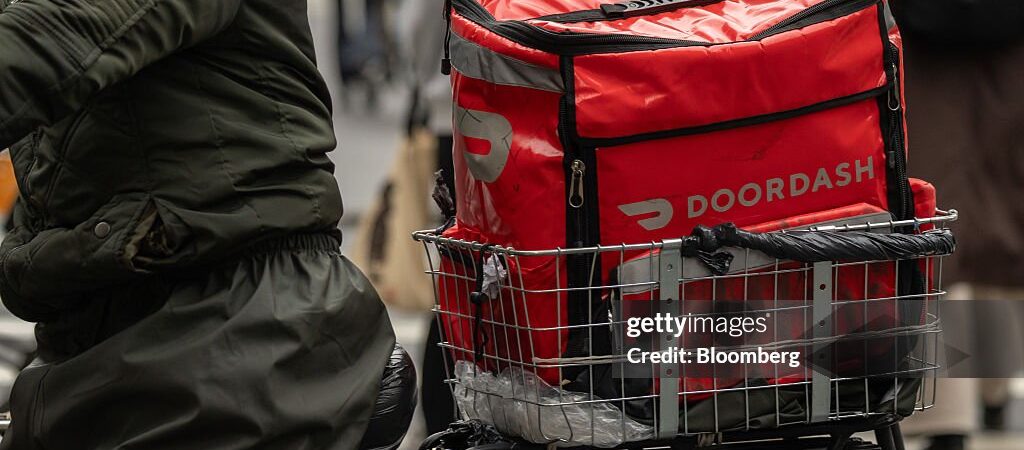

You pull up to the restaurant, ready to grab the order and go. But the food isn't ready. The host ignores you. The staff seems annoyed you're even there. Your wait time ticks up — and your customer rating takes a hit because the food arrives cold.
If you've been a DoorDash, Uber Eats, or Spark driver for more than a week, this scene is painfully familiar. Restaurant pickups are one of the most overlooked skills in food delivery — and they directly affect your earnings, your ratings, and your sanity.
In this guide, we'll cover exactly how to handle restaurant pickups like a pro, build positive relationships with merchant staff, and protect your ratings when things go wrong. Whether you deliver in Houston, Dallas, Austin, NYC, Chicago, or Los Angeles, these strategies will make your shifts smoother and more profitable.
Why Restaurant Etiquette Matters for Delivery Drivers
Most new drivers focus entirely on the road — navigation, timing, and customer communication. But here's the truth: your interaction with restaurant staff determines the quality of your entire delivery experience.
When you build good relationships with restaurant staff, you get:
- Faster pickups — Staff who know you won't make you wait behind dine-in customers.
- Better order accuracy — Staff double-check your orders when they recognize a friendly driver.
- Honest wait time estimates — A cashier who likes you will tell you "it's going to be 10 more minutes" instead of "almost ready."
- Priority in busy hours — During dinner rush, the driver who smiled gets served before the one who complained.
But the stakes go higher than just convenience. Restaurant staff can and do report drivers to DoorDash and Uber Eats if they're rude, aggressive, or unprofessional. A string of merchant complaints can get you deactivated.
Meanwhile, your customer rating is partly controlled by how quickly you get the food and how fresh it arrives. A 10-minute wait at a restaurant doesn't just waste your time — it means your customer gets cold fries, which means a lower rating.
The Golden Rules of Restaurant Pickups
1. Park Smart, Not Close
In dense cities like New York, Chicago, and San Francisco, parking is the single biggest time-waster for delivery drivers. Don't circle the block for five minutes looking for the perfect spot.
Rule of thumb: Park in a legal spot within a two-block radius. A short walk is better than a parking ticket or an illegal double-park that gets you blocked in. Drivers in Los Angeles and Houston who double-park at popular pickup spots report getting blocked or ticketed at least once a month — a $65 ticket that wipes out a whole shift of profit.
Use your hazard lights in loading zones when available. Many cities including Austin and Dallas now have dedicated delivery parking zones near high-volume restaurants. Learn where they are on your regular route.
2. Enter with Confidence — and a Smile
When you walk into a restaurant, staff are evaluating you in the first three seconds. Are you another impatient driver shoving a phone in their face? Or a professional who respects their space?
Do: Walk in, make eye contact with a staff member, and say something friendly. "Hi, I'm here for an Uber Eats pickup for Sarah." A simple greeting changes the entire tone of the interaction.
Don't: Stand silently holding your phone up like a badge. Don't interrupt staff who are helping dine-in customers. Don't shout across the restaurant.
In cities like Atlanta and Miami, where restaurant culture is particularly hospitality-focused, drivers who lead with warmth report significantly shorter wait times than those who don't.
3. Understand the Restaurant's System
Every restaurant has a different pickup workflow. Some have a dedicated pickup shelf. Others require you to check in at the host stand. Some (especially busy NYC kitchens) want you to wait outside until the order is called.
Learn the system on your first visit and respect it every time. If the restaurant uses a pickup shelf, don't ask staff for the order — check the shelf first. If they have a designated "delivery driver waiting area," use it.
Chain restaurants like Chipotle, McDonald's, and Chick-fil-A have standardized pickup areas. Independent restaurants vary widely. When you find a system that works, remember it for next time.
How to Handle Long Wait Times Without Getting Frustrated
Assess Before You Accept
The best way to avoid long waits is to know which restaurants are slow before you accept the order. Regular drivers in Chicago and Houston maintain a mental list — or a notes app on their phone — of restaurants that consistently take 15+ minutes.
Red flags to watch for:
- Restaurants without a dedicated pickup area
- Busy Friday or Saturday dinner rush at popular spots
- Independent pizza or sushi places that cook to order
- Restaurants with a single person handling both the counter and the kitchen during peak hours
Communicate, Don't Complain
When you arrive and the order isn't ready, the worst thing you can do is sigh loudly, roll your eyes, or snap at the staff. This guarantees you'll wait longer — staff will prioritize friendly drivers over rude ones.
Instead: Ask politely, "About how long until it's ready?" If they say 10-15 minutes, decide what to do:
- If it's a high-paying order ($10+): Wait. Send the customer a message: "The restaurant is still preparing your order. I'll get it to you as soon as it's ready."
- If it's a low-paying order with a long wait: Unassign through the app. Most platforms allow you to unassign without penalty if the wait exceeds 10 minutes. Just don't make a habit of it — your completion rate matters.
- If you're multi-apping: Be careful. Accepting a second order while waiting for the first can create a cascading delay that hurts both customers and both ratings.
Document Everything
If you regularly encounter 15+ minute waits at the same restaurant, document it. Take a screenshot of the pickup time versus the ready time. Report consistently slow restaurants through the app — DoorDash and Uber Eats use this data to adjust estimated prep times and driver pay.
One Dallas driver we spoke to started keeping a Google Maps list of slow restaurants with notes like "Chuy's on Main — always 18 min wait on weekends." Six months later, he had a database of 40+ restaurants that helped him avoid 10+ hours of wasted waiting time annually.
Building Long-Term Relationships with Restaurant Staff
Learn Names and Use Them
If you deliver in the same area regularly (as most drivers do), you'll see the same restaurant staff week after week. Learn their names. When Jose at the sushi place remembers you and says "your order will be out in two minutes," that's a relationship paying dividends.
It takes exactly two interactions to establish a name-based relationship. On your second visit: "Hey, you helped me last Tuesday — I'm back for another pickup." Staff appreciate being recognized as people, not obstacles.
Be a Professional Ally, Not an Adversary
Restaurant staff and delivery drivers share the same goal: get the food to the customer hot, accurate, and fast. When you approach pickups as a collaboration rather than a confrontation, everything changes.
Small gestures that build goodwill:
- Hold the door for restaurant staff carrying heavy trays
- If you see an order on the pickup shelf that's clearly been sitting, ask "Is this one going out?" before taking it
- If a staff member is clearly in the middle of handling a difficult dine-in customer, wait 30 seconds before approaching
- Say thank you — genuinely — when staff hand you the order
These aren't just polite gestures. In busy cities like Austin and San Francisco, restaurant staff have the ability to flag drivers as "preferred" in some systems, which can affect which drivers get priority for high-tip orders from that merchant.
Handle Mistakes Professionally
Mistakes happen. The restaurant forgets the drink. The bag isn't sealed properly. The order is missing an item.
When you catch an issue before leaving the restaurant: Calmly say, "Hey, I noticed the drink isn't in the bag — could I grab it before I head out?" This makes the staff grateful you caught it before the customer complained.
When the customer reports an issue after delivery: Don't blame the restaurant in your response. Say, "I'm sorry about that. The bag was sealed when I picked it up, but let me help you resolve it with support." This keeps everyone professional and avoids pushing blame onto the merchant.
How to Handle Difficult Situations at Restaurants
Staff Who Ignore Delivery Drivers
Some restaurant staff genuinely don't like dealing with delivery drivers. It's frustrating, but escalating the situation never helps.
Strategy: Position yourself visibly in the pickup area. If possible, check for order numbers on the shelf. If you've been waiting more than 2 minutes, politely approach the counter during a natural pause: "Excuse me, I just wanted to check on an Uber Eats order for table 12."
If staff continue to ignore you, mark "order not started" or "long wait" in the app. This starts the clock on your wait time pay for some platforms and alerts the system.
Rude or Aggressive Staff
If a staff member is outright hostile, do not engage. Your goal is to complete the delivery safely and move on.
Steps to take:
- Stay calm and neutral. Don't raise your voice.
- If the order isn't being prepared, unassign and move to your next delivery.
- Report the incident through the app after you're safely away from the restaurant.
- Note the restaurant and avoid accepting orders from there in the future.
No single delivery is worth a confrontation that could get you deactivated. DoorDash, Uber Eats, and Spark all have zero-tolerance policies for driver misconduct — and if it's your word against the restaurant's, you're on thin ice.
Cancelled or Missing Orders
Sometimes you arrive at a restaurant and the order has already been picked up by another driver, or the restaurant never received the order. This happens most often during peak dinner hours in busy corridors like downtown Chicago or the LA Arts District.
When this happens:
- Contact support immediately. Don't wait — the faster you report it, the faster you can move to your next delivery.
- Take a photo of the restaurant or order screen as evidence if the app allows it.
- Don't argue with staff. If they say "someone already picked it up," it's almost never the current staff's fault. It was likely a system error or a stolen order earlier in the day.
- Unassign politely and move on. Your time is better spent on the next order than debating a lost cause.
City-Specific Restaurant Etiquette Tips
New York City: Space is tight. Most restaurants have a dedicated pickup shelf near the door. Grab your order and leave — NYC staff are efficient but busy. Small talk is not expected.
Chicago: Deep-dish pizza places and diners during brunch hours have longer prep times. Factor this into your route planning. Staff appreciate patience more than speed here.
Los Angeles: Traffic and parking are the real challenges. Restaurants are spread out. Many LA restaurants have valet parking — don't use it. Find street parking within a short walk.
Houston & Dallas: Southern hospitality matters. A "please" and "thank you" go a long way. Staff in Texas are generally more interaction-focused and respond well to friendly drivers.
Austin: The food scene is booming, but so are the wait times at popular taco spots and barbecue joints. Many Austin restaurants have outdoor pickup windows — use them to skip the indoor line.
Atlanta: Traffic means you need efficient restaurant interactions. Many popular Atlanta delivery spots have designated driver parking and express pickup lines. Use them.
San Francisco & Seattle: These cities have some of the highest rates of stolen orders. Always confirm with staff before grabbing a bag from an open shelf. Don't assume an unattended bag is yours.
How Good Restaurant Etiquette Boosts Your Ratings
Your customer rating isn't just about your driving. It's about the entire delivery experience — and the restaurant is a critical part of that chain.
When you handle pickups well:
- Food arrives hotter because you spent less time waiting
- Orders are complete because you checked before leaving
- Customers get accurate ETAs because you communicated honestly
- Your completion rate stays high because you don't unassign as frequently
- Merchant ratings of you (on platforms that use them) stay positive
Top Dashers and Uber Eats Pro drivers consistently report that their restaurant relationships are a secret weapon. While other drivers burn bridges by being impatient, the pros build a network of restaurant allies who make their shifts easier and more profitable.
Common Restaurant Etiquette Mistakes Delivery Drivers Make
Mistake #1: Assuming Every Restaurant Works the Same Way
You walk into a busy restaurant, find the pickup shelf, grab a bag, and leave — only to discover you took the wrong order. Always confirm the name on the order before walking out. This is the single most common pickup error, and it wastes time for everyone.
Mistake #2: Complaining About Tips to Restaurant Staff
Restaurant staff don't control how much you're tipped. Complaining about a low tip makes you look unprofessional and can lead to the restaurant requesting that you not deliver for them again.
Mistake #3: Taking Orders From Shelves Without Checking In
Some restaurants use open shelves where orders wait for pickup. Others stage orders there temporarily before handing them to drivers. Always check: if an order is unattended on a shelf, confirm with staff before taking it. In busy NYC and San Francisco kitchens, unclaimed orders are sometimes stolen from open shelves — don't be the person accused of taking someone else's delivery.
Mistake #4: Ignoring Restaurant Staff Requests
If a restaurant asks you to wait outside or use a specific entrance, don't argue. Follow their process. Creating friction over small rules makes you memorable for the wrong reasons.
Mistake #5: Multi-Apping at Slow Restaurants
Accepting a second order while waiting for a slow restaurant to finish the first one sounds efficient — but it backfires when both orders come out at once and one customer gets cold food. If you multi-app, do it strategically: only accept overlapping orders from restaurants that are consistently fast, and only when the pickup locations are within a few blocks of each other.
Advanced Strategy: Curate Your Restaurant List
Over time, experienced delivery drivers in cities like Houston, Dallas, and Chicago build a mental list of three types of restaurants:
- Green (Go-to): Fast pickups, friendly staff, accurate orders. Accept every offer from these places.
- Yellow (Caution): Acceptable during off-peak hours but risky during rush. Check wait time before accepting.
- Red (Avoid): Consistently slow, rude staff, or inaccurate orders. Decline every offer.
Create this list for yourself. After 30 days of deliveries, you'll know exactly which restaurants in your zone are worth your time and which ones to skip. This alone can save you 5-10 hours of unpaid waiting per month.
Ready to earn more with Uber in 2026?
New drivers can earn up to $2,575 after completing their first 200 trips in select cities. Sign up today and start building restaurant relationships that boost your ratings and your income.
Disclaimer: Earnings figures are estimates based on Uber's promotional offers and driver reports. Actual earnings vary by location, time, demand, and driver effort. Always check gig platform terms and local regulations before signing up.