


Delivery Driver Safety: Essential Tips for Staying Safe While Delivering in 2026
Let’s be real — nobody briefed you on this when you signed up. You downloaded the app, passed the background check, and figured it out on the fly. But delivery driving in 2026 is a different game than it was even two years ago. Rising package theft, AI-powered scam calls, doorstep confrontations, and plain old distracted driving are putting drivers at more risk than ever. If you’re doing this full-time or even just on weekends, this guide is the safety briefing you never got.
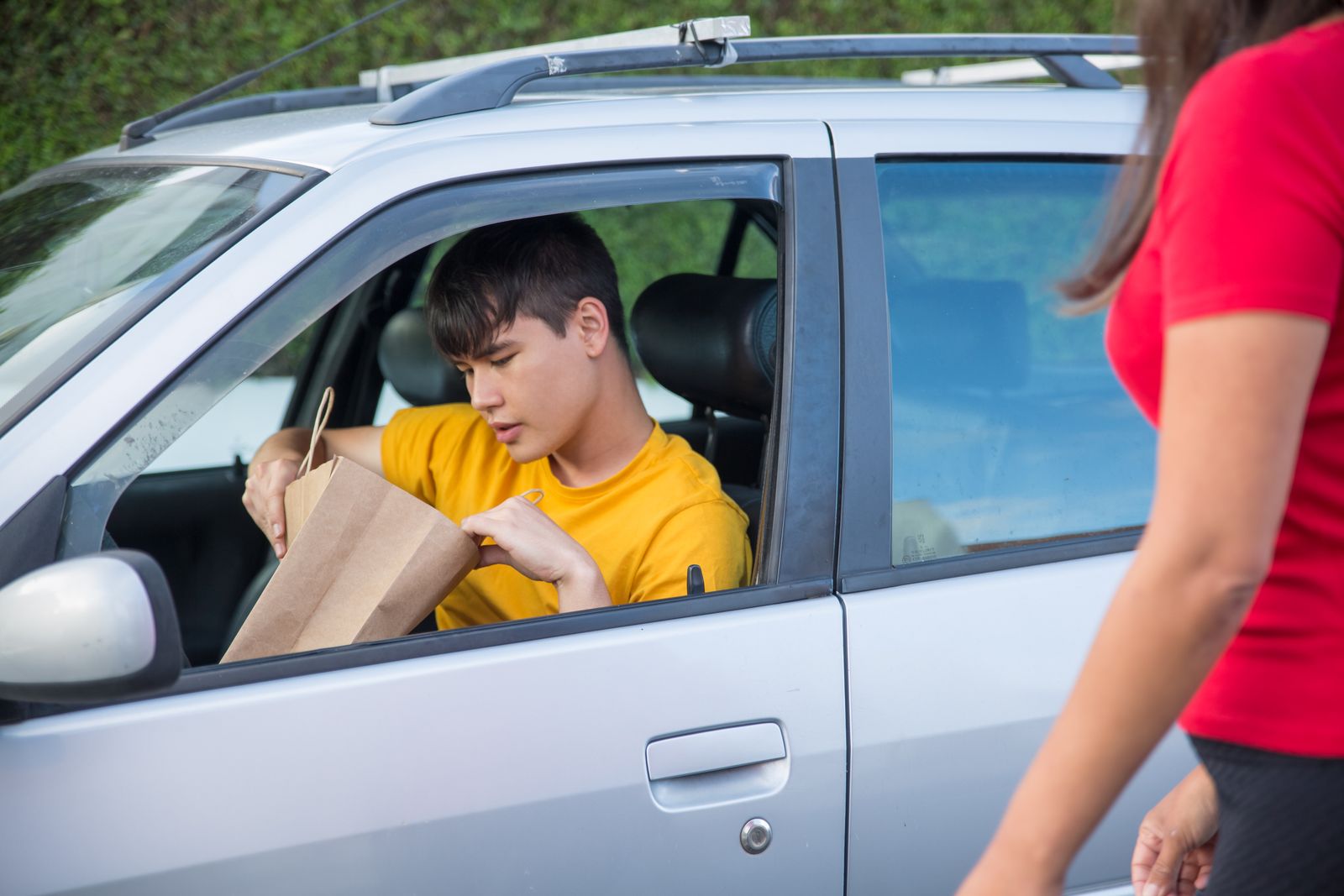
This isn’t corporate boilerplate. This is driver-to-driver, street-level advice that actually works in the real world. Bookmark it, share it with your crew, and actually use it — because staying safe means staying on the road, and staying on the road means getting paid.
1. Road Safety: Driving Smart When the Clock Is Always Ticking
The biggest killer in this industry isn’t crime — it’s the road itself. Delivery drivers log more miles under more pressure than almost any other gig worker. You’re navigating unfamiliar neighborhoods, accepting new orders mid-route, and constantly fighting the urge to glance at your phone. In 2026, that pressure is even higher with multi-apping becoming the norm across Uber Eats, DoorDash, Instacart, and Amazon Flex.
Never accept or decline orders while moving. It sounds obvious, but dashcam footage from insurance claims tells a different story. Pull into a parking lot, hit your hazards, then make the decision. Those 15 seconds are not worth a rear-end collision.
Watch your blind spots religiously. If you’re driving a sedan loaded with insulated bags in your backseat, your rear visibility is already compromised. Add a wide-angle backup camera if your car doesn’t have one — they run $30–$50 on Amazon and connect to your rearview mirror. Worth every penny.
Manage fatigue like a professional. Most platforms don’t enforce break limits, which means the responsibility is entirely yours. If you’ve been driving for more than 4 hours, take a real 20-minute break. Studies consistently show that driving fatigued is equivalent to driving drunk. Set a phone alarm if you have to.
Know your state’s hands-free laws. As of 2026, 27 states have active hands-free phone laws with fines ranging from $50 to $300 per violation. A $10 dash-mounted phone holder is the cheapest insurance you can buy.
Use navigation audio, not visual. Mount your phone, start the route, then keep your eyes up. Let Google Maps or Waze talk to you. If you’re constantly glancing down to read the next turn, you’re doing it wrong.
2. Doorstep Safety: The Risks Nobody Talks About
Most safety content focuses on driving, but the doorstep is where things get genuinely unpredictable. You’re approaching a stranger’s home — sometimes in the dark, sometimes in neighborhoods you’ve never been to — and you have no idea what’s on the other side of that door.
Trust your gut, every single time. If something feels off when you pull up — a car blocking the driveway at a weird angle, a group of people watching you too closely, a delivery address that matches no real building — do not get out of the car. Mark it undeliverable, take the photo from your vehicle if you can, and leave. No order is worth it.
Assume every dog is a threat until proven otherwise. Dog bites send thousands of delivery drivers to the ER every year. Before you walk to a door, look for motion in the windows or a leash post in the yard. If you hear barking, knock or ring the bell and step back several feet. If a customer opens the door with an unsecured dog, do not bend down to the food bag — stand tall and back up while handing off the order.
Don’t stand directly in front of the door. This is a personal safety habit from people who’ve been doing security work for years: stand to the side of the door when you knock or ring. It reduces your profile and gives you visibility of what’s happening inside before the door swings open.
Use contactless delivery aggressively. Most platforms allow you to default to “leave at door” on every order. Use it. Less face-to-face contact means less exposure to confrontation, aggressive customers, and unpredictable situations. If a customer requires a hand-off, confirm via the in-app chat before you get to the door.
Keep your vehicle running and in park, not off. If you need to leave the car for 60 seconds to drop a bag, leave it running. You want to be able to move immediately if something goes wrong. Just make sure you take your phone and lock the doors behind you if you’re in a higher-crime area.
3. Avoiding Driver Scams: New Threats in 2026
The scam landscape targeting gig workers has evolved significantly. In 2026, fraudsters aren’t just fishing for your bank login — they’re using AI-generated voice calls, fake orders, and sophisticated account takeover schemes specifically designed to target delivery drivers.
The “Platform Support” phone call scam. You get a call — sometimes with a spoofed number that looks like Uber or DoorDash — from someone claiming to be support. They say your account has suspicious activity and need your one-time PIN or login code to “verify” your identity. This is always a scam. Uber, DoorDash, and every major platform will never call you asking for a code sent to your phone. Hang up immediately.
Fake high-value orders. A $40 pizza order to an address that doesn’t quite exist, followed by a “customer” who texts you a different drop-off location. They’re either trying to get you to a specific location or running a scheme to dispute the order after delivery. If a customer contacts you outside the app asking you to deviate from the delivery address, decline and report it through the platform.
Tip-baiting on third-party apps. Some customers promise large tips in the order notes, then remove or reduce the tip after delivery. On DoorDash, tips are now locked for most orders, but on other platforms the risk still exists. Factor your decision on whether to accept an order based on the guaranteed pay, not a tip promise in the notes.
Account takeover via phishing links. You’ll get texts or emails that look exactly like official app notifications — “Your account has been flagged, verify here.” The link takes you to a clone site that captures your credentials. Always go directly to the app or official website. Never click login links from texts or emails, even if they look legit.
Protect your earnings. Transfer your earnings off your platform wallet and into your personal bank account regularly. Keeping a large balance in your DoorDash or Uber earnings account is a liability if your account is compromised.
4. The Safety Gear Every Delivery Driver Should Have in 2026
You don’t need to spend a lot of money, but a few tools can make a genuine difference between a bad situation and a disaster.
Dashcam (front and rear): Non-negotiable in 2026. A dual-channel dashcam running 24/7 protects you against fraudulent accident claims, road rage incidents, and can be critical evidence if something goes wrong at a customer’s property. Look for models with loop recording, night vision, and cloud backup. Budget: $60–$150.
Personal alarm: A loud personal alarm ($10–$15) attached to your keychain gives you an immediate deterrent tool that requires zero training. Pull the pin, it screams at 130dB, and it draws attention immediately. Small, legal everywhere, and effective.
Portable power bank: Your phone is your lifeline — for navigation, order management, communication, and emergency calls. A dead phone is a genuine safety risk. Keep a 20,000mAh bank in your center console. It’s also a tax write-off.
First aid kit: Minor cuts and scrapes from loading and unloading are more common than you’d think. A basic kit in the glove box takes 30 seconds to throw together and costs almost nothing.
Reflective vest: If you’re doing any late-night deliveries or working in areas with poor lighting, a $8 reflective vest makes you dramatically more visible when you step out of your car. Amazon warehouse workers and cyclists use them — delivery drivers should too.
5. What To Do When Things Go Wrong
Preparation isn’t paranoia — it’s professionalism. Knowing exactly what to do in a crisis means you spend zero time figuring it out when it actually happens.
If you’re followed: Do not drive home. Drive to a police station, a fire station, or any open public building with people present. Keep driving, call 911, and describe the vehicle following you. Most platforms have an emergency button built into the driver app — find it before you need it.
If you’re in an accident: Turn on your hazards, move to a safe location if possible, call 911, and document everything before moving the cars. Your dashcam footage is gold — back it up before anything else. Do not admit fault to anyone at the scene. Then contact your insurance immediately.
If a customer becomes aggressive: Do not escalate. Disengage, walk back to your vehicle, lock the doors, and leave the area. Report the incident through the platform immediately. Platform support can flag the customer, and in serious cases, file a police report. Your income depends on staying on the road, not winning an argument at someone’s front door.
If your account is hacked or earnings are stolen: Contact platform support through the official app immediately. Document everything — take screenshots of your transaction history, account settings, and any suspicious activity. Report it to the FTC at reportfraud.ftc.gov and file a local police report if money was taken.
6. Building a Long-Term Career You Can Actually Sustain
Safety isn’t just about avoiding acute danger — it’s about building habits that keep you healthy and earning for the long haul. Burnout, back problems from sitting in a car for 8 hours a day, and the psychological toll of high-stress driving are real occupational hazards.
Set hard stop times and stick to them. Protect weekends if your finances allow it. Rotate between platforms to reduce dependence on any single income stream — if your Uber Eats account gets deactivated, you need a backup earning source immediately.
Track your miles — every single one. The IRS mileage deduction is one of the most valuable tax breaks available to independent contractors, and most drivers leave hundreds of dollars on the table every tax season. The right apps make this automatic.
And if you’re not already on Uber Eats, it’s still one of the most consistent platforms for volume across US markets in 2026.
Ready to Start Earning on Uber Eats?
Sign Up as an Uber Eats Driver Today
Use our referral link and you may qualify for a new driver earnings guarantee in your first weeks on the platform. Flexible hours, weekly pay, and you’re your own boss.
Apply Now at Uber — Use This Link
Referral link: drivers.uber.com/i/vuccxew | Availability and guarantees vary by market.
Final Word: Safe Drivers Earn More
Every veteran driver knows this: the ones who last in this industry are the ones who treat it like a real job with real professional standards. That means protecting your body, your car, your account, and your earnings with the same seriousness as any other career. The shortcuts — driving tired, ignoring sketchy situations, skipping insurance checks — always cost more than they save.
Stay safe out there. The roads need more good drivers, not fewer.
Ready to Earn More as a Delivery Driver?
Sign up for Uber Eats today and earn a $2,575 guaranteed bonus after completing your first 200 deliveries in select US cities.