
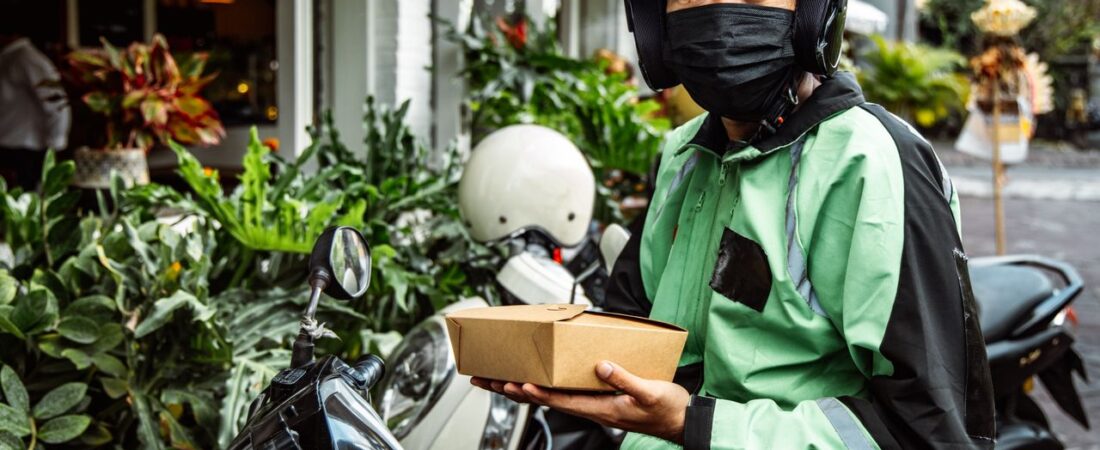

The sun sets over Houston’s sprawling suburbs, and for thousands of delivery drivers across America, the real work is just beginning. Night shifts in the gig economy offer unique advantages — less traffic, higher demand, surge pricing, and often better tips. But they also come with a distinct set of risks that every driver needs to take seriously.
Whether you’re delivering for DoorDash in Dallas, Uber Eats in Chicago, or Spark in Los Angeles, working after dark changes the game. Poor visibility, unfamiliar neighborhoods, fatigue, and the loneliness of empty streets all create hazards that daytime drivers rarely think about.
In this comprehensive 2026 guide, we’ll cover everything you need to know about staying safe on your night shifts — from vehicle prep and personal safety gear to app-specific strategies and the best US cities for nighttime delivery earnings. Let’s get you home safe every single night.
Why Night Shift Safety Matters More Than Ever in 2026
The gig delivery industry has only grown busier after dark. In cities like New York City, Los Angeles, Chicago, Houston, and Austin, dinner rush and late-night munchies create peak earning windows that many drivers target specifically. DoorDash reports that late-night orders (10 PM to 2 AM) have grown 34% since 2023, while Uber Eats saw a 28% increase in after-midnight deliveries across markets like Dallas, Phoenix, and Atlanta.
But with higher earnings come higher stakes. The National Highway Traffic Safety Administration (NHTSA) data shows that fatal crash rates are three times higher at night than during the day. For delivery drivers who spend 4 to 8 hours on the road after dark, that risk compounds with every mile. Add in the challenges of navigating unfamiliar residential streets, dimly lit apartment complexes, and parking in high-crime areas, and the importance of safety protocols becomes crystal clear.
The good news is that most night shift risks are preventable with the right preparation. According to a 2025 survey of gig workers across DoorDash, Uber Eats, Spark, and Amazon Flex, drivers who follow structured safety protocols report 60% fewer incidents. Let’s break down exactly what you need to do.
Vehicle Preparation: Your First Line of Defense
Your car is your office, your lifeline, and your primary safety tool during night shifts. Before you start accepting deliveries after dark, run through this checklist:
Lighting Check
Headlights, taillights, brake lights, and turn signals all need to be in perfect working order. In cities like Los Angeles and Chicago where street lighting varies dramatically block by block, your headlights are your eyes. Replace any dim bulbs immediately — if you can’t remember the last time you changed them, they’re too old. Consider upgrading to LED headlights for significantly better nighttime visibility. Also clean your headlight lenses — a surprising number of drivers don’t realize how cloudy oxidized lenses cut light output by up to 70%.
Tire Condition
Worn tires are dangerous in any condition, but at night when you have less time to react to hazards, they’re a serious liability. Check your tire tread depth regularly — the penny test works: insert a penny into the tread with Lincoln’s head down. If you can see the top of his head, your tread is below 2/32 inch and you need new tires. Maintaining proper tire pressure also improves fuel economy, which matters when you’re driving 50 to 100 miles per shift.
Windshield and Wipers
A clean, streak-free windshield dramatically improves night vision. Glare from oncoming headlights is magnified by dirt and smudges. Clean both the inside and outside of your windshield weekly, and replace wiper blades every six months. In rainy cities like Seattle or Portland, this is especially critical for night driving.
Emergency Kit
Every night shift driver should carry: a flashlight with extra batteries, a phone charging cable (better yet, a battery pack), jumper cables or a jump starter, a basic first aid kit, a reflective safety vest, a bottle of water, and a blanket. In colder markets like Chicago, Minneapolis, or Denver, add a winter emergency kit with gloves, a hat, and an ice scraper. Store all of this in an easily accessible spot, not buried under delivery bags in the trunk.
Personal Safety Gear Every Night Driver Should Carry
Beyond vehicle prep, there’s personal safety equipment that can make a real difference. Here’s what experienced night drivers recommend:
Phone Mount and Dashboard View
Never hold your phone while driving — it’s illegal in most states and dangerously distracting. A sturdy phone mount keeps navigation visible at a glance. Position it so you’re not taking your eyes off the road for more than a split second. In 2026, apps like DoorDash and Uber Eats have improved their night mode interfaces, but you still need to manage app switching safely.
Reflective Vest or Arm Band
When you’re walking from your car to a customer’s door in a poorly lit area, a reflective vest makes you visible to passing cars. This is especially important when crossing streets, walking through parking lots, or navigating apartment complexes in cities like Los Angeles or Phoenix where pedestrian visibility at night is a known issue.
Personal Safety Alarm
A compact personal alarm that emits a 130+ decibel sound when activated can deter potential threats. Attach it to your keychain so it’s always accessible. Several Spark and Amazon Flex drivers we spoke to in Dallas and Houston said they carry one and have used it to scare off aggressive individuals in parking lots.
Dash Cam (Front and Rear)
A dash cam is one of the best investments you can make as a delivery driver. It protects you in accidents, captures road hazards, and can provide evidence if you’re ever the victim of a false claim. Front and rear cameras cost less than $100 and pay for themselves the first time you need video evidence. In cities with high accident rates like Atlanta and Miami, dash cams are practically essential equipment.
Power Bank
Your phone is your most important tool. A dead battery means no navigation, no order acceptance, and no way to contact customers or emergency services. Carry a high-capacity power bank (20,000 mAh or more) and keep your phone plugged in all shift. DoorDash and Uber Eats both drain battery fast with constant GPS and screen-on time.
App-Specific Safety Strategies for Night Shifts
Each delivery platform has unique features and risks that matter more at night. Here’s how to navigate them:
DoorDash Night Safety Tips
DoorDash’s “SafeDash” feature lets you share your location with trusted contacts and has an emergency button directly in the app. Enable this before starting your night shift. Some tips specific to DoorDash night delivers:
- Use the “Hand It to Me” option with caution at night. If an area feels unsafe, select “Leave at My Door” in the app and take a photo of the drop-off.
- Watch for dasher-specific crime patterns. In Chicago and Houston, there have been reports of fake orders designed to lure drivers to isolated locations. If a $15+ peak pay offer seems too good for a 2-mile delivery, trust your gut.
- Know your market’s “dead zones.” In Austin, certain neighborhoods near the outskirts become very quiet and poorly lit after 11 PM. Learn which areas to decline orders from after dark.
Uber Eats Night Safety Tips
Uber Eats offers in-app safety features through its Uber app integration, including the emergency button and 911 assistance. Key considerations:
- Destination sharing is automatic when you use the Uber Driver app for navigation, so someone knows your route.
- Double-check addresses before leaving your car. Street numbers are often hard to see at night. Use the pin on the map to confirm you’re at the right location.
- In New York City and Los Angeles, be extra careful with curbside drop-offs. Double-parking in dark areas creates safety risks from both traffic and potential confrontations.
Spark Driver Night Safety Tips
Spark (Walmart’s delivery platform) often involves larger loads and longer distances, creating different safety challenges at night:
- Grocery deliveries mean more time outside your vehicle. Park close to the delivery point, use your hazard lights, and keep your car in sight whenever possible.
- Spark offers include curbside pickup from Walmart stores. These are typically well-lit and safe, but the delivery destinations in suburban areas around Phoenix, Dallas, and Atlanta can be dark and unfamiliar.
- Use the Spark app’s “Issue with Delivery” feature promptly if something feels off — the app logs every interaction, and Walmart takes driver safety seriously.
Amazon Flex Night Safety Tips
Amazon Flex drivers face unique challenges since they deliver packages to residential homes, often in suburban sprawl:
- GPS can be unreliable at night. In newer suburban developments around Denver and Phoenix, houses can look identical in the dark. Use the customer’s delivery notes and photo confirmation to ensure accuracy.
- Wear your reflective vest. Amazon provides one — use it. You’ll be walking on driveways and sidewalks near moving vehicles throughout your shift.
- Pace yourself. Amazon Flex blocks can run 3 to 5 hours. Fatigue builds faster at night, and tired drivers make mistakes. Take a 5-minute break every hour to stretch and reset.
Situational Awareness: Your Most Powerful Safety Tool
No amount of equipment can replace good situational awareness. This is the skill of being fully aware of your surroundings at all times, and it’s something experienced night drivers develop over time. Here’s how to build it:
Trust Your Gut
If a delivery address looks suspicious — construction site at 1 AM, house with all lights off in a deserted area, apartment with no building number — you have every right to decline. Your safety matters more than any single delivery. DoorDash, Uber Eats, and Spark all allow you to unassign without penalty if you feel unsafe. Use that feature. Drivers in Chicago and Los Angeles report that trusting their instincts has kept them out of genuinely dangerous situations.
Avoid Obvious Distractions
At night, distractions are amplified. Don’t watch videos while waiting for orders. Don’t scroll through social media at red lights. Keep one earbud out if you’re listening to music so you can hear your surroundings. Your senses need to be fully engaged with the road and the environment around you.
Park Smart
When arriving at a delivery location, park directly in front of or as close as possible to the destination. Use your hazard lights to make your vehicle visible. Lock your car immediately when you step out — even if you’ll only be gone for 30 seconds. Keep your keys in your hand, not your pocket, so you can get back in quickly. In cities like San Francisco and New York, never leave anything visible in your car, even for a moment.
Communicate Your Plans
Let someone know when you’re starting and ending your night shift. Share your location via your phone’s built-in sharing feature. Many drivers have a “check-in” system with a partner, roommate, or friend — a quick text when you’re starting your last hour and when you’re heading home. This simple habit has helped locate drivers who encountered trouble on the road.
Know the High-Risk Zones
Every city has areas that are riskier at night. In Houston, certain sections of I-45 and the outer loop near Greenspoint are known for higher crime after dark. In Atlanta, parts of I-285 and the Southside can be challenging. In Los Angeles, Skid Row and the areas around downtown can be unpredictable. Learn your city’s patterns through driver forums, Reddit communities like r/doordash_drivers, and local Facebook groups for gig workers.
Managing Fatigue: The Hidden Risk of Night Delivery
Fatigue is one of the most underestimated dangers of night shift delivery work. Driving while drowsy is just as dangerous as driving under the influence — studies show that being awake for 18 hours impairs your driving ability as much as a blood alcohol content of 0.05%.
Set a Hard Limit on Night Shift Hours
Many experienced drivers limit night shifts to 4 to 5 hours maximum. After that, decision-making degrades, reaction times slow, and the risk of accidents increases sharply. This is especially important on Spark and Amazon Flex shifts, which tend to involve heavier physical work unloading groceries and packages.
Nutrition and Hydration
What you eat and drink during your shift directly affects your energy and alertness. Avoid heavy, greasy meals before or during night shifts — they cause energy crashes. Pack healthy snacks like nuts, protein bars, and fruit. Stay hydrated with water, not energy drinks. While coffee is fine in moderation, relying on caffeine to push through fatigue is a dangerous game. If you’re tired enough that caffeine is the only thing keeping you awake, you’re too tired to drive.
Take Real Breaks
A break means getting out of your car, walking around, and resetting. Not just switching to a different app while sitting in a parking lot. Pull into a well-lit gas station or fast food parking lot, stretch your legs, take five deep breaths, and re-evaluate whether you should keep going. Drivers in Denver and Minneapolis who take structured breaks report 40% higher satisfaction with their night shifts and fewer close calls.
Know When to Call It
The best safety decision you can make is knowing when to stop. If you’ve missed a turn, been staring at the same intersection for too long, or feel your eyes getting heavy, end the shift. The $20 you might make on one more delivery isn’t worth the risk. Set a hard curfew for yourself and stick to it — your safety and your car are worth more than that last order.
Insurance and Technology Considerations for Night Drivers
Night shifts add complexity to your insurance and tech setup. Here’s what you need to know for 2026:
Rideshare and Delivery Insurance
Standard personal auto insurance does NOT cover accidents that happen while you’re actively delivering. Period. You need commercial or rideshare/delivery coverage. Companies like Progressive, State Farm, and GEICO offer policies that cover the gap between your personal insurance and the limited coverage DoorDash or Uber provides while you’re on a delivery. At night, when accident rates are higher, this protection is even more critical. The cost is typically $15 to $30 more per month — a small price for peace of mind.
Phone Plan with Reliable Coverage
Your phone is your lifeline at night. If you lose signal in a dead zone, you can’t navigate, accept orders, or call for help. Consider carriers with the best coverage in your area — Verizon and AT&T generally have the most extensive networks, while T-Mobile has improved significantly in urban areas. Some drivers carry a backup cheap phone on a different network for emergencies. In cities like Denver with spotty mountain coverage or Houston with frequent weather-related outages, a backup connection can be a lifesaver.
GPS and Navigation Tips for Night Driving
Reduce screen brightness at night to preserve night vision. Use Google Maps or Apple Maps with “avoid dark routes” options where available. Before heading to an unfamiliar area, glance at the map view to check street lighting patterns — main roads with streetlights are always preferable to dark shortcuts. DoorDash and Uber Eats have improved their in-app navigation, but Google Maps still offers better night-specific routing in most US cities.
Best US Cities for Night Shift Delivery in 2026
Not all cities are equal when it comes to safe and profitable night shift delivery work. Based on driver reports and gig economy data, here are the top markets:
New York City, NY
NYC never sleeps, and the late-night food delivery market is massive. Manhattan offers constant demand and well-lit streets, but parking is a nightmare. Stick to walkable brownstone neighborhoods and apartment deliveries rather than heavy traffic zones after midnight.
Chicago, IL
Chicago’s late-night food scene is excellent, especially around Wrigleyville, Lincoln Park, and the Loop. Downtown and northside neighborhoods are well-lit and relatively safe. Avoid far south and west sides after dark unless you know the area well.
Los Angeles, CA
LA’s sprawl means longer drives but high night demand, especially in West Hollywood, Santa Monica, and Silver Lake. The main risks are traffic (even at night on the 405) and parking in dark residential streets. Hollywood and downtown areas need extra caution after midnight.
Houston, TX
Houston has a booming late-night delivery market, but it’s spread across 600+ square miles. The Inner Loop areas (Montrose, Heights, Midtown) are safer and busier at night. Avoid deliveries far outside the loop after dark if you’re unfamiliar with the area. Houston drivers report strong earnings between 9 PM and 1 AM in the central neighborhoods.
Dallas, TX
Dallas offers solid night shift earnings with slightly better infrastructure than Houston. Uptown, Deep Ellum, and the Knox-Henderson corridor are busy late into the night. I-635 and the outer suburbs can be very dark — stick to the central core for night shifts.
Phoenix, AZ
Phoenix heat makes night delivery popular even in summer. The city is well-planned with wide, well-lit streets. Scottsdale and Tempe offer high-tip late-night customers. The main challenge is the sheer distance between deliveries — plan your fuel stops carefully.
Austin, TX
Austin’s nightlife creates strong delivery demand until 3 AM on weekends, especially around Rainey Street, 6th Street, and South Congress. The city is relatively safe, but watch for drunk drivers on weekend nights. Austin is one of the top markets for combined DoorDash and Uber Eats night earnings in 2026.
Denver, CO
Denver’s late-night delivery scene is growing, with strong demand in downtown, RiNo, and Capitol Hill. Winter night shifts require extra vehicle preparation — snow and ice create additional hazards. Summer nights are ideal, with long daylight and strong tourism demand.
Final Thoughts: Your Night Shift Safety Action Plan
Working night shifts as a delivery driver can be incredibly rewarding — quieter roads, surge pricing, and a different pace of life. But the extra earnings come with extra responsibility. Let’s recap the key takeaways:
- Prep your vehicle — lights, tires, wipers, and an emergency kit are non-negotiable
- Gear up — reflective vest, power bank, dash cam, and personal alarm
- Know your apps — use each platform’s safety features (SafeDash, Uber safety toolkit, Spark reporting)
- Stay alert — trust your gut, park smart, avoid distractions
- Manage fatigue — set hour limits, eat well, take real breaks
- Insure yourself — proper delivery insurance protects you when it matters most
- Know your city — learn which neighborhoods are safe and profitable after dark
One final thought: no delivery is worth your safety. If an area feels wrong, decline the order. If you’re too tired to drive safely, head home. The apps will still be there tomorrow. Take care of yourself first — everything else follows.
Ready to start earning with Uber in 2026?
New drivers can earn up to $2,575 after completing their first 200 trips. Whether you prefer daytime or night shifts, Uber Eats offers flexible scheduling, instant pay, and a built-in safety toolkit to keep you protected on every delivery.