
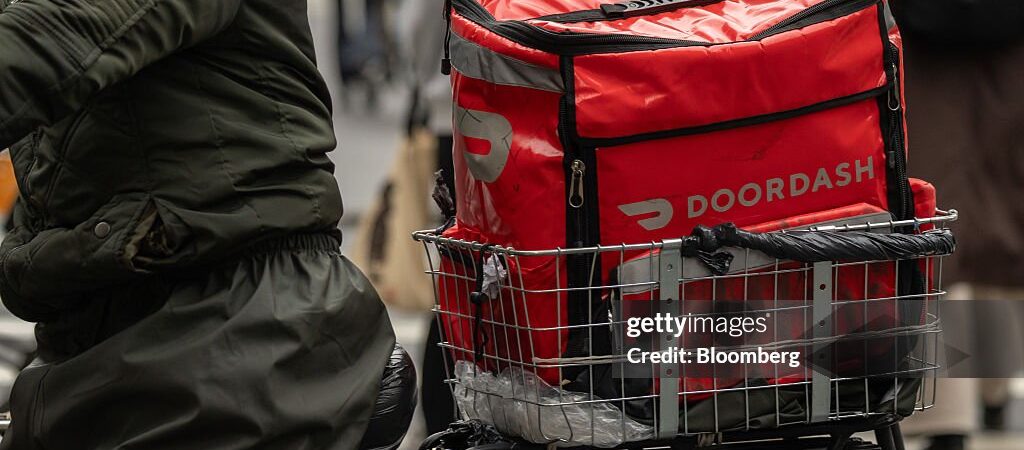

Night shift delivery driving has become the backbone of the gig economy. Whether you are delivering for DoorDash, Uber Eats, Spark, Instacart, or Amazon Flex, working after dark comes with its own set of risks and rewards. In 2026, more drivers than ever are choosing night shifts to maximize earnings, avoid traffic, and take advantage of peak pay and surge pricing. But with higher pay comes higher responsibility. This comprehensive guide covers every safety tip you need to know to stay protected while earning at night in major US cities like Houston, Dallas, Austin, New York City, Chicago, and Los Angeles.
Why Night Shift Delivery Driving Is Growing in 2026
The gig economy continues to expand, and night shift delivery is a major growth area. DoorDash reported that late-night orders (10 PM to 2 AM) grew by over 40% between 2024 and 2026. Uber Eats saw similar numbers, especially in urban markets like NYC and Chicago where the nightlife economy is thriving. For drivers, this means more opportunities to earn — but also more exposure to risks that daytime drivers simply do not face.
According to the Bureau of Labor Statistics, delivery drivers working between 8 PM and 4 AM face higher rates of vehicle accidents, personal safety incidents, and theft compared to their daytime counterparts. The key is not to avoid night shifts — it is to approach them with the right preparation, equipment, and mindset.
Essential Vehicle Safety for Night Delivery Drivers
Your car is your office, and at night, it is also your shelter. Keeping it in top condition is the single most important thing you can do to stay safe.
Headlights and Visibility
Check your headlights every week. Dim or misaligned headlights cut your reaction time in half. Replace bulbs at the first sign of dimming — do not wait for them to burn out. Consider upgrading to LED or high-quality halogen bulbs that provide better illumination on dark streets in cities like Houston and Dallas where street lighting can be inconsistent. Clean your headlights regularly; road grime can reduce brightness by up to 30%.
Tire Condition
Worn tires are dangerous at any time, but at night, when you cannot see potholes, debris, or slick patches as easily, they become a critical hazard. Check your tire pressure weekly and inspect tread depth monthly. The penny test still works: insert a penny into the tread with Lincoln’s head down. If you can see the top of his head, it is time for new tires. For night drivers, consider all-season tires with good wet traction ratings — they make a real difference when you hit an unexpected puddle in a dark parking lot.
Emergency Kit
Every night shift driver should carry a well-stocked emergency kit. Include a flashlight with extra batteries, a first aid kit, jumper cables, a portable phone charger (power bank), a reflective vest, road flares or reflective triangles, a basic tool kit, and bottled water. In colder cities like Chicago, add a blanket and an ice scraper. Store the kit in your trunk but keep the flashlight and phone charger within arm’s reach of the driver’s seat.
Personal Safety Strategies for Late-Night Deliveries
Your personal safety while making drop-offs at night is just as important as vehicular safety. Here are proven strategies used by experienced delivery drivers in major US markets.
Trust Your Gut
If a delivery location feels wrong — dark alleyway, suspicious individuals, poorly lit apartment complex — trust your instinct. Uber Eats and DoorDash both allow you to mark an order as unsafe or request assistance. Do not feel pressured to complete a delivery if your safety is at risk. Contact support, explain the situation, and they will typically remove the order from your queue without penalty. Your safety is worth more than any single delivery fee.
Use Drop-Off Mode Whenever Possible
In 2026, every major delivery app offers contactless drop-off as the default option. Use it. Leave the order at the door, take a photo, and leave. This minimizes face-to-face interaction with customers, which is especially important at night when visibility is low and you cannot assess a situation as easily as you could during the day.
Park Strategically
Never park in a dark, isolated spot. Choose well-lit areas close to the delivery address. If parking on the street, keep your hazard lights on so your vehicle remains visible. For apartment deliveries in cities like Los Angeles or Austin, park under a streetlight or near the building’s entrance lighting. Lock your car and take your keys even if you are only running to a door 20 feet away.
Share Your Location
Set up location sharing with a trusted friend or family member while you work. Both iPhone (Find My) and Android (Google Location Sharing) make this easy. Let someone know when you start your shift and when you finish. Some drivers in NYC use dedicated safety apps like Noonlight that connect to emergency services with a single tap.
Technology Tools That Improve Night Safety
Technology is your ally when driving at night. Here are the tools every delivery driver should use.
Dash Cameras
A dash cam is the single best investment a night shift driver can make. It protects you in accidents, acts as a deterrent against theft, and provides evidence if a customer falsely claims they never received their order. Look for a model with good night vision capability — the Vantrue N4 or the Garmin Dash Cam Mini 2 both perform well in low light. A dash cam costing $100 to $200 can save you thousands in disputes and insurance claims.
Phone Mount and Charging
Never hold your phone while driving. Use a sturdy dashboard or vent mount that keeps your phone at eye level. A magnetic mount allows for quick one-handed placement and removal. Carry a high-capacity power bank (20,000 mAh or more) to keep your phone charged through a long night shift — nothing is more dangerous than a dead phone when you need GPS navigation or need to call for help.
GPS Navigation with Safety Features
Google Maps and Waze both offer features that help night drivers. Waze alerts you to hazards on the road, including debris, stopped vehicles, and police presence. Google Maps now includes well-lit route suggestions in some cities. Use these features to plan routes that avoid poorly lit or high-crime areas. In cities like Chicago and Houston, knowing which neighborhoods to avoid at 2 AM can make all the difference.
Handling Difficult Situations at Night
Even with the best preparation, you will eventually face a challenging situation. Here is how experienced drivers handle them.
Car Trouble After Dark
If your car breaks down at night, stay inside with the doors locked. Call roadside assistance immediately — both AAA and your auto insurance provider offer 24/7 service. DoorDash and Uber Eats also provide roadside assistance benefits to active drivers in 2026. Do not accept help from strangers. If you must exit the vehicle, use a reflective vest and stay well away from traffic.
Suspicious Customers or Locations
If a customer asks you to come inside or meet them in a secluded area, decline politely and mark the order as delivered at the safest nearby spot. Document the situation with screenshots of the delivery instructions and any communications. Report the incident to the platform’s safety team. In major cities like Dallas and Los Angeles, delivery platforms have dedicated safety teams that respond 24/7.
Navigating Unsafe Neighborhoods
Every city has neighborhoods that are safer to avoid late at night. In Chicago, parts of the South Side can be risky after midnight. In Los Angeles, some areas of Skid Row and South Central require extra caution. In Houston, certain sections of the Southwest Freeway corridor are best avoided after dark. Learn your city’s risk map. Experienced drivers in NYC recommend avoiding isolated areas of Queens and the Bronx late at night. Do not let a $7 delivery fee put you in a genuinely dangerous situation.
Health and Wellness for Night Shift Drivers
Night shift work takes a toll on your body. Staying healthy is a safety issue — a tired driver is a dangerous driver.
Sleep Schedule
If you drive night shifts regularly, establish a consistent sleep schedule. Your body needs 7 to 8 hours of quality sleep, even if it is during the day. Use blackout curtains, a white noise machine, and avoid caffeine four hours before you plan to sleep. Drivers who work night shifts three or more times per week should treat their sleep schedule as seriously as any safety equipment.
Eating Right
It is tempting to grab fast food between deliveries, but a diet of gas station snacks will drain your energy and affect your alertness. Pack healthy snacks like protein bars, nuts, fruit, and water. Avoid heavy meals that cause drowsiness. In cities like Austin with abundant healthy food options, plan a proper meal break at a sit-down restaurant rather than eating in your car between deliveries.
Exercise and Stretching
Sitting for 6 to 8 hours is hard on your body. Take a five-minute stretch break every two hours. Simple stretches — neck rolls, shoulder shrugs, hamstring stretches, and walking in place — improve circulation and keep you alert. Many experienced drivers in Los Angeles and New York City incorporate short walks into their routine, parking and walking a block or two between deliveries to stay limber and awake.
Insurance and Legal Protection for Night Drivers
Standard personal auto insurance policies often exclude commercial delivery activity. Driving for DoorDash, Uber Eats, or Amazon Flex without proper coverage is risky — if you are in an accident, your claim could be denied.
Rideshare and Delivery Insurance
In 2026, major insurers like Progressive, Allstate, GEICO, and State Farm offer rideshare and delivery add-ons for most policies. These endorsements typically cost $15 to $30 per month extra and cover the gap between your personal policy and the platform’s commercial coverage. This is especially important for night drivers, who statistically have more accidents per mile driven.
What to Do After an Accident
If you are in an accident at night, follow these steps: stay calm, check for injuries, call 911 if anyone is hurt, move to a safe location if possible, exchange insurance information, and contact the delivery platform’s safety line. Do not admit fault. Take photos of the scene, the other vehicle, and your vehicle. Your dash cam footage will be your best evidence. In cities like Houston, where accident rates are higher than the national average, having a clear post-accident protocol is essential.
Multi-Apping Safely at Night
Multi-apping — running multiple delivery apps simultaneously — is a popular way to maximize earnings. But it adds complexity and risk, especially at night.
Set Hard Boundaries
When multi-apping after dark, never accept orders from two apps that take you in opposite directions or to unsafe neighborhoods. Use one app as your primary (typically DoorDash or Uber Eats) and only accept orders from the secondary app that are on your primary route. Drivers in Dallas and Austin who multi-app successfully follow this rule strictly at night to avoid confusion, missed deadlines, and acceptance rate penalties.
Know Your Limits
Night vision is limited. Reaction time is slower. Do not push yourself to accept every order. If you feel overwhelmed, pause one app and focus on the other. Experienced night drivers in Chicago and NYC report that running two apps at night is the maximum — three apps is too distracting and increases accident risk significantly.
Building a Night Shift Safety Routine
Consistency is the foundation of night shift safety. Build a pre-shift checklist and follow it every time.
Pre-Shift Checklist
- Check all lights: headlights, brake lights, turn signals
- Verify tire pressure and condition
- Charge phone and power bank to 100%
- Ensure dash cam is working and memory card has free space
- Fill gas tank or check EV charge level
- Pack emergency kit and water
- Share your location with a trusted contact
- Set navigation to avoid known high-risk areas
- Review the weather forecast — night rain or fog changes everything
- Tell someone when you plan to end your shift
During-Shift Safety Habits
- Lock your doors between deliveries
- Keep your phone within reach at all times
- Park under lights whenever possible
- Use contactless drop-off as the default
- Take a five-minute break every two hours
- Stay hydrated — fatigue often starts with dehydration
- Trust your gut — cancel any order that feels unsafe
- Keep valuables out of sight in your car
- Vary your route home each night to avoid being followed
- End your shift early if you feel unusually tired or distracted
Night Safety Tips by City
Different cities present different challenges for night shift drivers. Here are location-specific tips for major US markets.
Houston, Texas
Houston’s sprawl means long drives between deliveries. Stick to well-lit major roads like I-10, I-45, and the Sam Houston Tollway. Avoid residential streets in less developed areas after midnight. The 610 Loop area has dense delivery opportunities but also higher crime rates at night. Park in visible spots and keep your doors locked.
Dallas, Texas
Dallas night driving is dominated by highway deliveries between suburbs. The DART rail corridor and Deep Ellum offer busy late-night delivery zones. Be cautious in parking lots of large apartment complexes — they are often poorly lit. Downtown Dallas has good street lighting, but the surrounding neighborhood blocks can be dark and unpredictable after 11 PM.
Austin, Texas
Austin’s nightlife district on 6th Street and the Rainey Street area are high-volume delivery zones. Watch for pedestrians and cyclists — they are everywhere on weekend nights. The South Congress area has heavy late-night restaurant traffic. Stick to main roads and avoid the dark side streets in East Austin after dark.
New York City, New York
NYC night delivery is a different world. Bicycle and scooter delivery drivers dominate late-night food delivery. If you drive a car, be extremely cautious of cyclists, pedestrians, and other drivers. Double-parking for deliveries is common but risky at night — use hazard lights and keep deliveries quick. Avoid the outer boroughs late at night if you are not familiar with the area.
Chicago, Illinois
Chicago’s winter nights are especially challenging. Ice, snow, and reduced visibility make driving hazardous. Downtown Chicago and the North Side (Lincoln Park, Lakeview) are the safest late-night delivery zones. Be extremely cautious on the South and West Sides after dark. The Dan Ryan Expressway and the Kennedy Expressway have heavy late-night truck traffic that requires extra attention.
Los Angeles, California
LA’s sprawl and traffic create unique night driving challenges. The beach cities (Santa Monica, Venice) and West Hollywood are busy late-night delivery zones. Avoid Downtown LA’s Skid Row area. The freeways (I-10, I-405, US-101) can be unpredictable at night with speeding drivers and occasional debris. Watch for homeless encampments near freeway on-ramps.
Final Thoughts: Your Safety Is Your Responsibility
The gig economy offers incredible flexibility and earning potential, especially for night shift drivers. In 2026, delivery drivers in major US cities can earn $25 to $40 per hour during peak night hours, far more than daytime rates. But that extra income comes with extra responsibility.
Your personal safety is not something a delivery app can guarantee. It is up to you to prepare, stay alert, and make smart decisions every time you get behind the wheel at night. The tips in this guide — from vehicle maintenance and emergency kits to dash cams and city-specific strategies — will help you stay safe while maximizing your night shift earnings.
Remember: no delivery is worth your safety. If a situation feels wrong, trust your instinct. Cancel the order. Contact support. Go home. There will always be another delivery opportunity tomorrow.
Ready to earn more with Uber in 2026?
New drivers can earn up to $2,575 after completing their first 200 trips. Whether you drive nights, weekends, or full-time, Uber offers sign-up bonuses that can make your first month incredibly profitable. Start your application today and get paid to drive on your own schedule.