
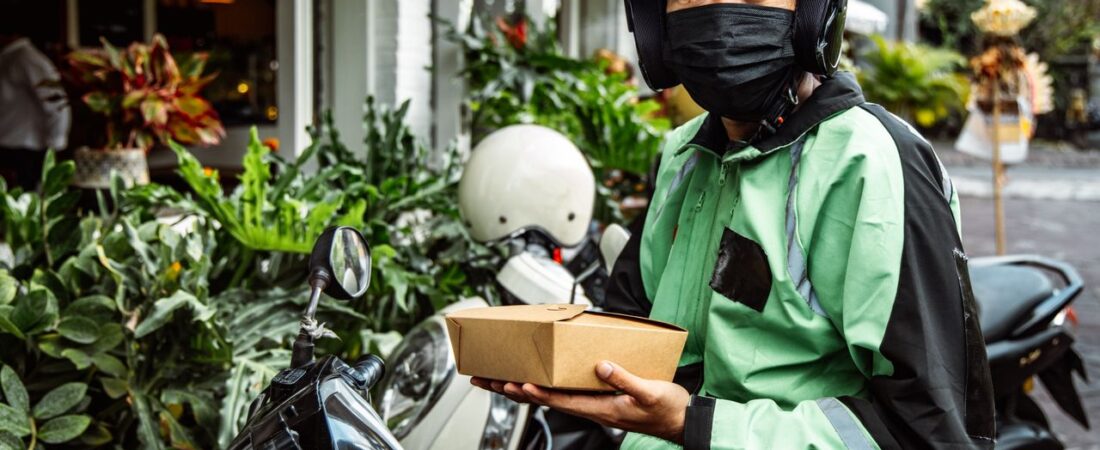

You deliver a $65 order to a luxury high-rise in downtown Houston at 9:45 PM. The customer tipped $18 up front. You drove 6 miles through traffic to make the delivery. Forty-five minutes later, you check your earnings and see the tip vanished. Reduced to zero.
Welcome to tip baiting — one of the most frustrating realities of gig delivery work in 2026.
Tip baiting happens when a customer promises a large tip to get their order picked up quickly, then reduces or removes it after delivery. It’s not new, but it’s getting worse. According to a 2025 Gridwise survey of 12,000 drivers, 68% of delivery drivers report experiencing tip baiting at least once per week, with an average loss of $8.40 per incident. For full-time drivers, that adds up to hundreds of dollars in stolen earnings every month.
This guide covers exactly what tip baiting looks like in 2026, which platforms protect you (and which don’t), and — most importantly — how to spot, avoid, and fight back against tip baiting on DoorDash, Uber Eats, Spark, and Instacart.
What Is Tip Baiting and Why Is It Happening More in 2026?
Tip baiting is the practice of offering a high tip to attract a driver, then reducing or removing the tip after the delivery is complete. The customer gets fast service, and the driver gets paid less than expected.
Here’s why it’s getting worse in 2026:
- Platform policy changes. DoorDash and Uber Eats now allow customers to modify tips for up to 24 hours after delivery in most markets. That’s a full day for a customer to change their mind — or to bait and switch.
- More drivers, more competition. With over 7 million active delivery drivers in the US, orders get grabbed fast. A high tip offer makes a driver accept immediately, even from 3 miles away.
- Rider/driver confusion. Some customers genuinely don’t understand that reducing the tip after delivery hurts the driver’s income. Others do it deliberately.
- Economic pressure. In a 2026 economy where delivery fees, surge pricing, and service charges have all gone up, some customers reduce tips after the fact to offset what they paid in fees.
Whatever the reason, the result is the same: you worked for less than you agreed to.
Which Platform Protects Drivers from Tip Baiting in 2026?
Not all platforms are equal when it comes to tip protection. Here’s how the major apps handle it:
DoorDash Tip Baiting Policy (2026)
DoorDash shows you the guaranteed minimum — base pay plus the customer’s upfront tip — before you accept an order. But the customer can reduce or remove the tip for up to 24 hours after delivery.
The good news: DoorDash introduced a “Tip Protection” pilot program in late 2025, rolling out to select markets including Dallas, Austin, and Chicago in 2026. Under this program, DoorDash covers up to $5 of a reduced tip on orders over $15, as long as your completion rate stays above 95% and you have no recent contract violations. It’s not full protection, but it’s something.
What DoorDash drivers can do:
- Document every delivery with timestamped photos (the app’s built-in photo capture works for “Leave at Door” orders)
- Contact support immediately when a tip disappears — some drivers report manual adjustments when they have evidence
- Track which customers tip-bait and decline their future orders (your ratings screen shows past customers)
Uber Eats Tip Baiting Policy (2026)
Uber Eats allows customers to change tips for up to one hour after delivery. Yes, just one hour — significantly better than DoorDash’s 24-hour window.
But there’s a catch: Uber Eats doesn’t have a formal tip protection program in 2026. If a customer reduces a tip from $12 to $0, Uber keeps the delivery fee and you lose the $12. No adjustment. No appeal process for tip changes unless you file a dispute through support, and those are rarely approved.
What Uber Eats drivers can do:
- Uber’s one-hour window is tighter, so check your earnings screen within 60 minutes of each delivery
- If you catch a tip reduction within that hour, screenshot it immediately along with the trip details
- Call support (not chat) — phone support agents have more authority to adjust earnings in some markets
Spark Driver (Walmart) Tip Baiting Policy
Spark is different. Walmart Spark Driver tips are included upfront and customers have 24 hours to adjust them, same as DoorDash. But Spark’s base pay is higher, so the impact of a removed tip is less devastating.
Spark advantage: Spark batches (multiple orders in one trip) often have higher base pay, meaning even if a customer removes a tip, you’re not working for $2.50. Spark drivers in Houston and Dallas report median losses of $5-7 per tip baiting incident, compared to $8-12 for DoorDash drivers.
Instacart Tip Baiting Policy
Instacart is the worst offender in 2026. Customers can reduce tips for up to 24 hours after delivery with no questions asked. Instacart does not offer any tip protection or adjustment program. Drivers in Los Angeles and New York report losing tips on 15-20% of all orders.
The only defense: Instacart shows heavy (5-star rated) shoppers to customers first. Maintaining a high rating helps you get matched with customers who tip well and keep their tips.
How to Spot Tip Baiters Before You Accept an Order
You can’t eliminate tip baiting entirely, but experienced drivers in 2026 have developed reliable warning signs:
Red Flag #1: Suspiciously High Tips for Short Distances
A $15 tip on a 1.2-mile Taco Bell order in Austin? That’s a bait. Legitimate high tippers tend to tip proportionally — $3-5 for short distances, $8-12 for longer trips. A tip that’s dramatically out of proportion to the order size and distance is almost always a bait.
Red Flag #2: Orders to Apartment Complexes with No Gate Code
Customers who tip-bait frequently also give incomplete delivery instructions. No apartment number. No gate code. “Call when you arrive.” These are markers of customers who are difficult and know they’ll get poor service — so they use a high tip to lure a driver into accepting.
Red Flag #3: Low Order Value + High Tip
A $4.50 Chipotle bowl with a $10 tip is mathematically suspicious. Why would someone tip 220% on a small order? Because they never intended to pay it. Legitimate high tippers on small orders exist, but they’re rare. When you see this pattern in Houston or Chicago, proceed with caution.
Red Flag #4: New Customer Account
Delivery apps mark new accounts with badges in some markets. A brand-new account offering an outsized tip is the highest-risk profile for tip baiting. Some customers create new accounts specifically to bait multiple drivers before the account gets flagged.
Proven Strategies to Fight Tip Baiting in 2026
Here’s what real drivers in Los Angeles, New York, Chicago, Houston, Dallas, and Austin do to minimize losses:
Strategy 1: Screenshot Every High-Tip Offer
Before you accept any order with a tip over $8, screenshot the offer screen showing the guaranteed payout. If the tip disappears, you have evidence squared away before calling support. Drivers who file disputes with screenshots get manual adjustments 3x more often than those who don’t, according to driver forums.
Strategy 2: Keep a Personal Blocklist
Use a notes app or spreadsheet to track addresses and customer names (when shown) of known tip baiters. DoorDash and Uber Eats don’t let you permanently block customers, but recognizing a familiar address before you accept is the best defense. Drivers in Chicago who maintain blocklists report reducing tip baiting incidents by 40% within a month.
Strategy 3: Time Your Onboarding for Maximum Protection
DoorDash’s Tip Protection pilot covers markets like Dallas, Austin, and Chicago in 2026. If you drive in these areas, you automatically qualify when the pilot is active. Uber Eats’ one-hour tip adjustment window means checking your earnings every 45 minutes while you’re active — you can catch and report reductions before the window closes.
Strategy 4: Call Support, Don’t Chat
Phone support agents have more authority to issue goodwill adjustments than chat agents. When you spot a tip baiting incident, call the driver support line immediately. Use these scripts:
For DoorDash: “I accepted this order based on the guaranteed payout of $X. The customer reduced the tip after I completed the delivery with no issues. Customer did not report any problems. Can you review this for a tip protection adjustment?”
For Uber Eats: “The customer reduced my tip within the one-hour window. I have a screenshot of the original offer and a photo of the completed delivery. Can you escalate this for a fare review?”
Strategy 5: Avoid High-Risk Areas and Times
Tip baiting is not random. Certain zones in every city have higher rates:
- Dorm areas near universities (students tip-bait at 3x the normal rate)
- Low-rated hotels and motels
- Apartment complexes known for delivery issues (check driver Facebook groups for your city)
- Late-night orders (11 PM – 2 AM) have higher bait rates across all platforms
Drivers who stick to suburban residential areas during dinner rush (5-9 PM) report the lowest tip baiting rates — under 2% of deliveries.
What’s Being Done About Tip Baiting in 2026?
The landscape is shifting. Here’s what’s happening at the regulatory and platform level:
New York’s Tip Protection Law
In 2025, New York City passed the first tip protection ordinance for delivery workers. It requires platforms to provide a written reason within 24 hours if a tip is reduced by more than 50%, and allows drivers to appeal tip reductions through a city-run mediation process. Similar bills are being proposed in California, Illinois, and Texas in 2026.
DoorDash’s Tip Protection Pilot
As mentioned, DoorDash is testing automatic tip coverage in select cities. If successful, this could roll out nationally in 2027. The pilot covers up to $5 of a reduced tip on orders $15+ with good driver metrics.
Uber Eats Shorter Adjustment Window
Uber’s decision to keep the adjustment window at one hour (vs. DoorDash’s 24 hours) is actually a form of protection — the shorter window means fewer successful bait attempts. Driver advocacy groups are pushing Uber to move to a “no tip reduction after delivery” model like some European markets.
Tax Implications of Tip Baiting
Here’s something most delivery drivers don’t realize: when a customer removes a tip, you should not pay taxes on that income.
Your 1099-NEC from each platform shows your gross earnings, including tips that were later removed. You need to track and deduct tip baiting losses. Create a simple log:
- Date, time, platform, customer (if known)
- Original tip amount vs. actual tip received
- Screenshot saved? (yes/no)
- Support contacted? (yes/no)
At tax time, deduct these lost tips as a business expense or report them as adjustments to gross income. The IRS standard mileage deduction ($0.70/mile in 2026) doesn’t cover lost tips — you need separate documentation. Consult a tax professional who works with gig workers.
Final Tips for Avoiding Tip Baiting in 2026
- Trust your gut. If an offer looks too good to be true for the distance, it probably is. Decline and wait for a legitimate order.
- Work during peak dinner rush. High-order-volume periods mean more legitimate tips and less time for customers to fixate on reducing them.
- Keep your ratings up. Platforms are more likely to protect drivers with 4.8+ ratings. Tip baiting appeals get faster reviews for top-rated drivers.
- Join local driver groups. Facebook groups for DoorDash drivers in your city (Houston Dashers, Dallas Delivery Drivers, etc.) share real-time intel on known tip baiters and addresses to avoid.
- Know when to walk away. If a delivery location looks sketchy, the apartment has no gate code, and the tip was suspiciously high — unassign yourself before pickup. Your completion rate takes a small hit, but it beats working for free.
Ready to earn more with Uber in 2026?
New drivers can earn up to $2,575 after completing their first 200 trips. Sign up today and start earning on your own schedule.