

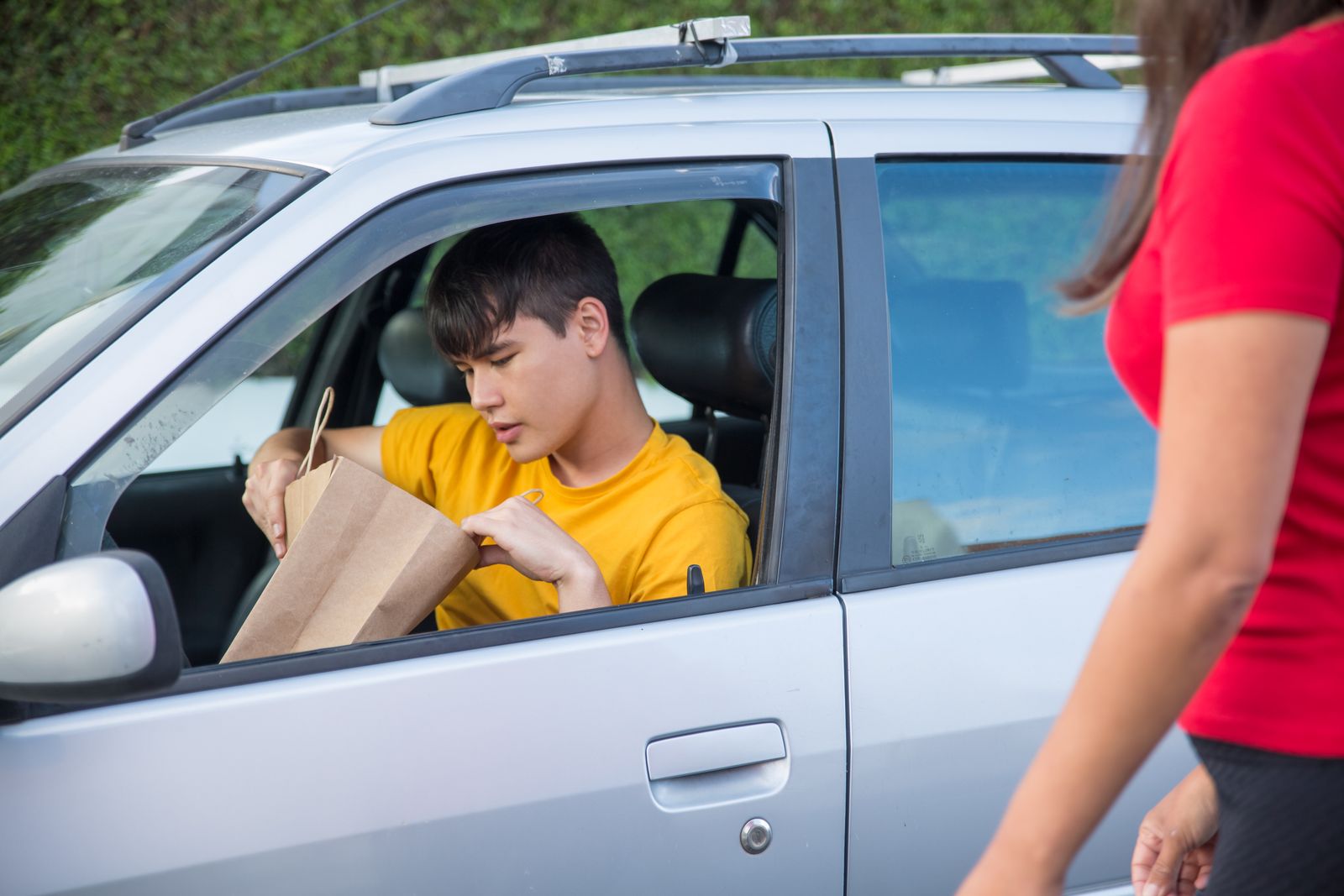
If you have been driving for DoorDash, Uber Eats, Instacart, or Spark for more than a week, you have already run into a canceled order. Maybe the restaurant ran out of items, or a customer changed their mind at the last minute, or the app glitched out and left you holding a bag you could not deliver. Whatever the reason, canceled orders are part of the gig — but how you handle them makes all the difference between protecting your earnings and tanking your account stats.
This guide breaks down exactly what to do when an order gets canceled on each platform, how redeliveries work, and how to keep your account in good standing whether you are running routes in Houston, Dallas, Austin, NYC, Chicago, LA, or Atlanta. Let us get into it.
Why Orders Get Canceled in the First Place
Not all cancellations are created equal, and knowing who triggered the cancellation helps you respond faster, get paid faster, and protect your stats. There are three main sources of cancellations you will encounter as a delivery driver, and each one calls for a slightly different response.
Restaurant-Side Cancellations
This is probably the most frustrating type. You drive to the restaurant, wait in line, and the staff tells you the order has been canceled — maybe they ran out of ingredients, their tablet went offline, or the order never came through on their end. This happens constantly at busy spots in downtown Chicago, the LA food scene on a Friday night, or during rush hour in Atlanta. When the restaurant is the cause, the cancellation is not your fault, and most platforms have specific policies to protect you. The key is knowing how to invoke those protections the right way.
Customer-Initiated Cancellations
Customers can cancel orders, but only within a short window — usually before you have picked up the food. After pickup, the order is typically locked in on most platforms. If a customer cancels before you have picked up the order, you usually will not see pay for it unless platform policies specify otherwise. If they somehow cancel after pickup, read on — we cover exactly what to do in that situation below.
App or System Cancellations
Sometimes the platform itself kills an order — due to a technical glitch, a long wait time trigger, a GPS mismatch, or a backend error. This is especially common in high-demand areas like NYC or Austin where server traffic peaks hard during lunch and dinner rushes. These are almost never your fault, and disputing them through support usually results in some form of compensation or stat protection, as long as you report them correctly and promptly.
How Each Platform Handles Canceled Orders
Every app has its own rules for cancellations. Knowing the specifics for each platform you work on is not optional — it is essential to protecting your time and your money. Here is what you need to know for each one.
DoorDash Canceled Orders
On DoorDash, if an order is canceled after you have already picked it up, you are eligible for partial — and often full — delivery pay. The moment you realize you have food in hand and no active order, contact DoorDash support through the Dasher app immediately. Their policy is to compensate drivers who have picked up food and cannot return it to the restaurant.
If the order cancels before pickup, you typically get nothing unless you documented a significant wait at the restaurant. In those cases, reporting the extended wait through the app can earn you a small wait time credit. Knowing how to work with DoorDash support efficiently is a skill every serious driver needs — check out this complete delivery driver customer support guide for step-by-step escalation strategies that actually work and get your issues resolved faster.
Your DoorDash completion rate matters a lot. Falling below 80% puts your account at risk of deactivation. The good news is that cancellations clearly not your fault — like a restaurant refusing to prepare an order — can often be disputed and removed from your stat count if you handle the dispute correctly and document everything in real time.
Uber Eats Canceled Orders
Uber Eats is more driver-friendly when it comes to cancellation pay. Once you have picked up the food and the order gets canceled for any reason, you should receive the full delivery fee. Uber’s in-app support and help center are your go-to options, and they are generally responsive and fair about post-pickup cancellation situations.
One important thing to watch: Uber Eats tracks your cancellation rate, and if it spikes, your account can get flagged for review. If you are multi-apping and an Uber order sits idle while you finish a DoorDash run, update your status in the Uber app rather than letting the order time out and trigger a system cancellation. Managing multiple delivery apps without letting any single platform’s stats suffer is a real skill — this guide on multi-apping in 2026 breaks down exactly how experienced drivers juggle platforms without hurting their standing on any of them.
Not driving for Uber Eats yet? Now is a great time to add it to your rotation. Sign up through this link and earn a bonus when you complete your first deliveries: Start driving for Uber Eats and claim your signup bonus.
Instacart Canceled Orders
Instacart works differently because you are shopping, not just picking up a completed order. If an order gets canceled mid-shop, Instacart compensates you based on how far along you were in the process. If you have finished shopping and are heading to the customer — or are already at the delivery address — you are in the strongest position to receive full batch pay. A cancellation while you are five minutes into a ninety-item shop is a different story.
The biggest cancellation risk on Instacart is the substitution game. When items are out of stock and the customer rejects your replacement suggestions, it can spiral into a partial or full cancellation that costs you time and money. Your best defense is early, proactive communication — message the customer the moment you spot an issue, send photos of alternative products, and document your substitution decisions in the app. Instacart’s shopper support line runs around the clock and is usually helpful when you have followed the proper steps.
In competitive markets like Houston and Dallas, Instacart shoppers who protect their account health earn more consistent and higher-value batch offers. Do not let disputed cancellations sit unresolved — appeal them every time.
Spark Driver Canceled Orders
Spark — Walmart’s delivery platform — handles cancellations on a case-by-case basis. If an order cancels at the store level because of item availability issues or a system failure, you are usually released from the batch without a hit to your stats, but you need to report it through the Spark Driver app and receive written confirmation before you leave the store. Do not just walk out assuming everything will sort itself out.
Spark support response times vary significantly by market. Drivers in smaller markets sometimes wait considerably longer for resolution compared to those in high-volume cities like Dallas or Chicago. The golden rule on Spark is simple: screenshot everything, report immediately through the app, and follow the in-app instructions exactly as written.
Getting Paid When an Order Gets Canceled
Let us talk about the real bottom line — whether you actually receive money when things go sideways. Here is a clear breakdown of cancellation pay by platform.
DoorDash Cancellation Pay
If you have not picked up the food, you typically will not receive pay for a canceled DoorDash order. If you have already picked up the food and the order cancels, DoorDash should compensate you — often the full delivery fee. The critical move is to contact support in real time, follow their instructions about what to do with the food (sometimes they say keep it, sometimes dispose of it), and document the entire interaction. If you get a rep who tries to deny your pay, escalate. DoorDash has a review process and most legitimate post-pickup cancellation claims are resolved in the driver’s favor.
Uber Eats Cancellation Pay
Post-pickup cancellations on Uber Eats almost always result in full delivery pay. Additionally, Uber has a built-in wait time pay that starts accumulating after you have been sitting at a restaurant for a set period — usually five to eight minutes depending on the order type. If you have been waiting at a restaurant in NYC or LA for twenty-five minutes while the kitchen scrambles with a massive order, that wait time pay adds real money to your weekly total. Do not forget to claim it by using the correct flow in the app.
Instacart and Spark Cancellation Compensation
Instacart pays based on completion level — a fully shopped and delivered order gets you the most, a partial shop gets you partial pay. Spark operates similarly, with compensation tied to how far along you were in the fulfillment process when the cancellation occurred.
Want to see how cancellation scenarios play out against real weekly income numbers? This honest breakdown of real delivery driver earnings in 2026 gives you the full picture of what full-time and part-time drivers are actually taking home across all major platforms — including how much canceled orders can realistically cost you per week if you are not managing them correctly.
How to Handle Redeliveries Without Losing Money
Redeliveries are less common than straight cancellations, but they do happen — especially on Instacart and Spark. Knowing how to approach them ensures you do not end up absorbing extra time and mileage without compensation.
What a Redelivery Actually Means
A redelivery is a second attempt to complete a delivery after the first attempt failed. The failure might be because the customer was not home, the address was incomplete or incorrect, there was a locked gate with no code provided, or the customer became unreachable after you arrived. How each platform compensates for redeliveries varies significantly, and understanding the difference can save you from making a costly mistake.
On Instacart, redeliveries are sometimes offered as a new batch at a separate pay rate. On DoorDash and Uber Eats, formal redeliveries are rare — failed deliveries are handled through the in-app flow, and you receive pay for the original delivery attempt regardless of whether the customer was home.
Redelivery Strategies by Platform
On DoorDash: Use the customer not available or delivery issue options in the Dasher app. Take a clear photo documenting your delivery attempt — the front door, the building entrance, or wherever shows you made a genuine effort. Support will guide you on what to do with the food, and you will typically receive your full delivery pay for the attempt.
On Uber Eats: Tap the help button in the delivery screen and follow the delivery issue flow. Photo documentation is required and is taken seriously. Uber is particularly thorough about this in dense urban areas like NYC and Chicago, where wrong apartment numbers, gated buildings, and unreachable customers are everyday occurrences for drivers.
On Instacart: If a customer is unreachable at the delivery address, follow the app’s contact protocol first — it will prompt you to wait, then attempt a call, then escalate to support. Do not leave the delivery location without completing the full in-app process, or your batch pay could be withheld. This is one area where cutting corners always costs you money.
On Spark: Follow Walmart’s specific protocol for undeliverable orders, which is outlined step by step in the Spark Driver app. Spark is more procedurally rigid than the other platforms, and improvising outside of the stated process can result in complications with your pay and your account standing.
Protecting Your Account Stats During Cancellations
Your completion rate, acceptance rate, and customer ratings are your professional reputation on every platform. One rough week of cancellations without proper dispute management can set your account back significantly and cost you access to better orders. Here is how to stay ahead of the damage.
Completion Rate: What It Means on Each Platform
DoorDash requires an 80% completion rate minimum to stay active as a Dasher. Uber Eats, Instacart, and Spark all track completion and cancellation metrics with similar consequences for drivers who fall short. What most new drivers do not realize is that cancellations fall into two very different categories in platform systems: driver-initiated and non-driver-initiated. Cancellations you trigger by unassigning or canceling an accepted order almost always count against you. Cancellations triggered by the restaurant, the customer, or a system error can often be disputed and removed from your stats entirely.
How to Dispute a Cancellation That Was Not Your Fault
Here is the dispute process that works consistently across all four platforms:
- Screenshot everything immediately. Capture the order screen, any messages from the customer or restaurant, your GPS location at the time, and any error messages from the app. Do this before you do anything else.
- Contact support in real time, not hours later. The faster you report a problem, the more credible your account and the faster the resolution.
- Be factual, calm, and specific. Tell support exactly what happened, when it happened, and why you were not at fault. No venting, no exaggerating. Just the facts.
- Follow up if the first response does not resolve it. Every major platform has an escalation path for account disputes. Use it. Most legitimate disputes are resolved in the driver’s favor when handled through the right channels.
For a full playbook on protecting your account across platforms — including how to handle bad ratings, false complaints, and policy violations you did not commit — the guide on handling customer complaints and protecting your driver account in 2026 is one of the most practical resources any gig driver can read.
Pro Tips to Minimize Cancellations and Keep Your Earnings Strong
The best cancellation is the one that never happens. These are the real-world habits that experienced drivers across Houston, Dallas, Austin, NYC, Chicago, LA, and Atlanta use to keep their completion rates high and their income consistent week after week.
- Know which restaurants to avoid. Every driver in your city has a mental list of spots that are always behind schedule, always out of stock, or always causing platform issues. Build yours and stop accepting orders from them. Your time is worth too much.
- Check restaurant wait times before accepting. Long waits increase the risk of stale-order complaints, system-triggered cancellations, and wasted fuel. If an order shows a 30-minute restaurant wait on a slow Tuesday afternoon, pass on it.
- Communicate early on Instacart. Message customers the moment you spot a substitution situation. A quick photo message and a friendly question prevents a cancellation the majority of the time.
- Decline instead of canceling. Declining an offer before you accept it does not hurt your completion rate on any platform. Canceling an accepted order almost always does. Be selective upfront — not reactive after the fact.
- Get support on the line before things escalate. If a delivery is going sideways — restaurant will not prepare the order, customer address is wrong, you cannot locate the entrance — contact support immediately. The earlier you loop them in, the more protection you have.
- Track your metrics weekly. Know your completion rate, your cancellation rate, and your standing on every app you use. Catching a downward trend early gives you time to correct course before it becomes a deactivation conversation.
Drivers who treat their gig work like a real business — managing their platforms, tracking their metrics, and handling setbacks strategically — consistently outperform those who just wing it. That discipline compounds over time. The drivers making the best money in Houston, Dallas, and Atlanta are not the ones who got lucky with good orders. They are the ones who know exactly what to do when things go wrong, and they do it every single time.
Ready to Earn More as a Delivery Driver?
Sign up for Uber Eats today and earn a $2,575 guaranteed bonus after completing your first 200 deliveries in select US cities.