
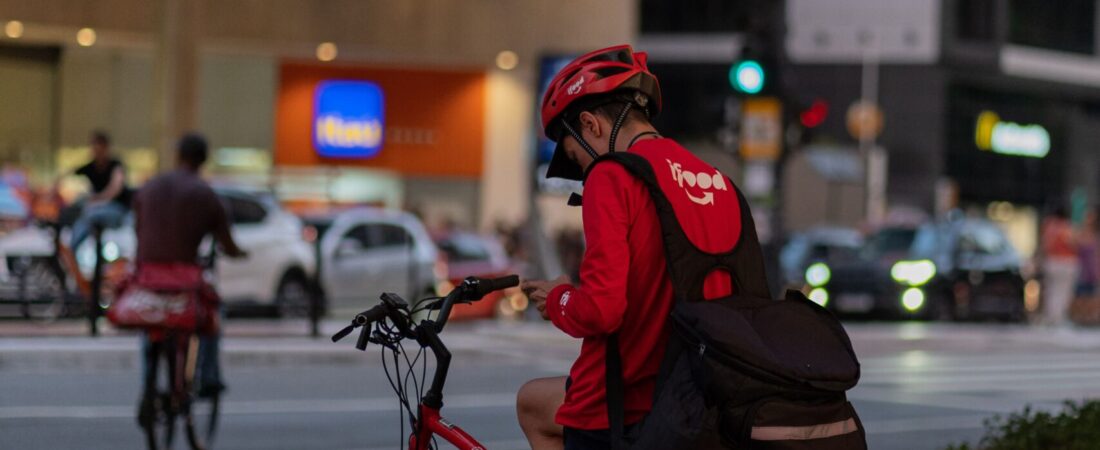

Your rating on delivery apps like DoorDash, Uber Eats, and Spark is worth more than you think. A single drop from 4.8 to 4.6 can mean losing access to high-value orders, priority scheduling, and in some cases, deactivation. In 2026, the competition among US delivery drivers in cities like Houston, Dallas, Austin, New York City, Chicago, and Los Angeles is fiercer than ever. Maintaining a high rating isn’t just about pride — it’s about maximizing your income and keeping your account active.
This guide covers everything you need to know about how to maintain high ratings on DoorDash and Uber Eats, plus Spark and Instacart. We’ll walk through the specific behaviors that affect your score, the things that get you thumbs-down, and the strategies that top-rated drivers use every shift.
How Ratings Work on Each Platform
Before you can protect your rating, you need to understand how each platform calculates it. They’re not all the same.
DoorDash Customer Rating System
DoorDash uses a five-star system based on customer feedback. Your rating appears on your Dashboard as a rolling average of your last 100 ratings. Key things to know:
- Ratings below 4.2 can trigger a deactivation review
- Only the last 100 rated deliveries count
- Customers rate you on a 1-5 scale after each delivery
- You can’t see who left which rating
DoorDash also tracks your completion rate and acceptance rate. While your customer rating is the most visible metric, a completion rate below 80% can also lead to deactivation regardless of your star rating.
Uber Eats Satisfaction Rate
Uber Eats uses a thumbs-up / thumbs-down system that converts to a percentage. Your satisfaction rate appears on your profile. If it drops below 85%, you risk losing your Uber Pro status and access to premium delivery opportunities.
- Thumbs-up and thumbs-down are tracked separately
- Uber removes the lowest 2% of ratings automatically
- Your satisfaction rate is updated daily
- Uber Pro Gold, Platinum, and Diamond tiers require minimum satisfaction rates
Spark Driver Ratings
Spark uses a five-star rating system similar to DoorDash, with an additional focus on order accuracy and delivery time compliance. Walmart Spark customers can rate you on:
- Delivery time accuracy
- Item handling and condition
- Communication
- Professionalism
A Spark rating below 4.0 can result in reduced order offers and eventual deactivation.
Why Ratings Matter More in 2026
The gig delivery market has matured. In 2026, there are more drivers competing for the same orders than ever before. Platforms are using ratings more aggressively to determine who gets the best offers. Here’s what’s at stake:
- Priority access to high-value orders: DoorDash’s Top Dasher and Uber’s Pro tiers both require minimum ratings. A 4.7+ on DoorDash or 95%+ on Uber Eats unlocks better order queues.
- Deactivation thresholds are tightening: Multiple drivers in Houston and Dallas have reported deactivation notices for ratings that would have been acceptable in 2023 or 2024.
- Multi-app compatibility: If you run DoorDash and Uber Eats simultaneously, a deactivation on one platform means lost income you can’t easily replace with the other. Maintaining high ratings across all platforms is essential for long-term stability.
10 Proven Strategies to Maintain High Ratings
1. Check the Order Before You Accept
This sounds obvious, but many drivers in cities like Chicago and NYC accept orders without reviewing the item count, total mileage, or the drop-off location. A $5 order for 20 items from a grocery store is a trap — low pay and high risk of a missing item complaint. Use the offer screen to decide whether the delivery is worth your rating.
2. Use a Hot Bag and Insulated Carriers
Temperature complaints are one of the most common reasons for thumbs-down on Uber Eats. If a customer’s food arrives cold, they will rate you negatively even if the restaurant was slow. Invest in a quality hot bag from Amazon or a restaurant supply store. For Spark and Instacart, use insulated coolers for cold and frozen items.
3. Communicate Before You Arrive
Top-rated drivers send a quick message when they’re 2-3 minutes away. For DoorDash, use the pre-set arrival notification. For Uber Eats, a simple text saying “I’m on my way with your order, ETA 3 minutes” takes five seconds and dramatically reduces the chance of a thumbs-down. For Spark, confirm the delivery time and ask if there are any special instructions.
4. Take a Photo of Every Delivery
On DoorDash, Uber Eats, and Spark, always take a photo even when the instructions say “hand it to me.” If the customer is present, take a photo of the food at their doorstep after handing it to them. This protects you if they later claim the food never arrived. Customers who report “order not received” can tank your rating with a single negative review.
5. Avoid Apartments and Dorms During Peak Hours
Deliveries to apartment complexes in Austin, Los Angeles, and other major cities are a leading cause of low ratings. Parking is difficult, building access codes are often wrong, and elevators take too long. If you accept an apartment delivery, call the customer immediately for directions and parking advice. Consider avoiding apartment-heavy zones during dinner rush when every minute counts.
6. Watch Your On-Time Performance
Spark Driver in particular penalizes late deliveries. If you’re running multiple apps simultaneously, don’t accept orders from two platforms at the same time if you can’t deliver both on schedule. Use the restaurant wait time feature in DoorDash and Uber Eats to report when a restaurant is slow — this protects your on-time rate from being dinged for factors outside your control.
7. Handle Missing Items Professionally
When a restaurant forgets an item, you have two choices: (a) deliver what you have and risk the customer blaming you, or (b) contact support and let them handle the issue. Option B is always better. On DoorDash, you can mark items as unavailable before you leave the restaurant. On Uber Eats, use the “issue with order” option. This creates a record that the problem was at the restaurant level, not driver error.
8. Don’t Take Low-Rating Orders
Some orders come with a warning. If you see a delivery going to a known problem address — a customer who has complained before, a location with difficult parking, or a store notorious for long wait times — decline it. Your acceptance rate matters less than your customer rating on most platforms. DoorDash allows you to see the customer’s previous ratings if you pay attention to the offer screen.
9. Check Your Vehicle and Appearance
When delivering for Uber Eats in particular, your vehicle condition and personal appearance affect customer perception. A clean car with a visible delivery sign, a polite greeting, and professional presentation all contribute to higher satisfaction scores. Drivers in Los Angeles and New York City report that a simple branded delivery bag visible during handoff increases the likelihood of a thumbs-up.
10. Monitor Your Ratings Weekly
Don’t wait for a deactivation notice. Check your DoorDash ratings, Uber Eats satisfaction rate, and Spark star rating at least once a week. If you see a drop, review your recent deliveries for patterns. Was it a busy Friday night with multiple late orders? A string of breakfast deliveries to difficult locations? Identifying the pattern lets you adjust your strategy before the problem compounds.
What to Do If Your Rating Drops
Even the best drivers have bad weeks. Here’s how to recover:
- DoorDash: Take 50-100 small, straightforward deliveries. Pick short-distance, high-tip orders from restaurants you know are reliable. Stack positive interactions to push old low ratings out of your rolling window.
- Uber Eats: Focus on deliveries with the highest satisfaction potential — short ETA, well-reviewed restaurants, easy drop-off locations. Avoid double orders and high-mileage deliveries until your percentage recovers.
- Spark: Focus on small grocery orders where you can personally check every item. Communicate with every customer. Aim for 20-30 perfect deliveries to reset your average.
You can also request a one-time rating forgiveness from DoorDash through their support system. This isn’t guaranteed, but it’s worth asking if a single unfair rating pulled you down.
Common Rating Killers to Avoid
Missing or Damaged Items
This is the single biggest cause of low ratings across all three platforms. The solution: check the order before you leave the restaurant or store. For Spark, verify every bag against the order list. For DoorDash, make sure drinks are secured in cup holders. For Uber Eats, check that sealed bags don’t have visible leaks.
Late Deliveries
Multi-apping is the leading cause of late deliveries in 2026. If you run DoorDash alongside Uber Eats, set limits. Don’t accept a DoorDash order if you’re already carrying an Uber Eats delivery. Use the “pause” feature on the app you’re not actively driving for. Drivers in Houston and Dallas report that alternating 30-minute blocks per app works better than trying to manage both simultaneously.
Poor Communication
Customers who don’t hear from you assume the worst. A simple “I’m on my way” message eliminates the uncertainty that drives negative ratings. Use platform messaging — it’s tracked and can be reviewed if a customer files a false complaint.
Why High Ratings Mean Higher Pay
There’s a direct correlation between ratings and earnings. Drivers with a 4.9 DoorDash rating report seeing higher-value offers first. Uber Pro Platinum drivers with 98%+ satisfaction rates get priority delivery requests. Spark drivers with 4.8+ ratings receive more batch offers with higher tips.
In practical terms: a 4.8-rated driver in Chicago might earn $22-25 per active hour, while a 4.2-rated driver in the same market sees $16-18 per hour. That difference adds up to $100+ per week, or more than $5,000 per year. Maintaining high ratings isn’t just about job security — it’s a direct income strategy.
Final Thoughts on Ratings Management
Keeping your ratings high on DoorDash, Uber Eats, and Spark comes down to consistency. Check every order, communicate with every customer, take a photo of every delivery, and review your performance weekly. These habits don’t add more than a minute to each delivery, but they compound into a 4.9-star reputation that keeps your account active and your earnings high.
The best drivers in Austin, New York City, Los Angeles, Houston, Dallas, and Chicago all follow the same playbook: be professional, be prompt, and be proactive about communication. Do that consistently, and your ratings will take care of themselves.
Ready to earn more with Uber in 2026?
New drivers can earn up to $2,575 after completing their first 200 trips in select cities. Whether you’re just starting out or looking to add another platform to your multi-app strategy, Uber offers competitive pay, flexible scheduling, and a simple onboarding process. Sign up today and start earning.