
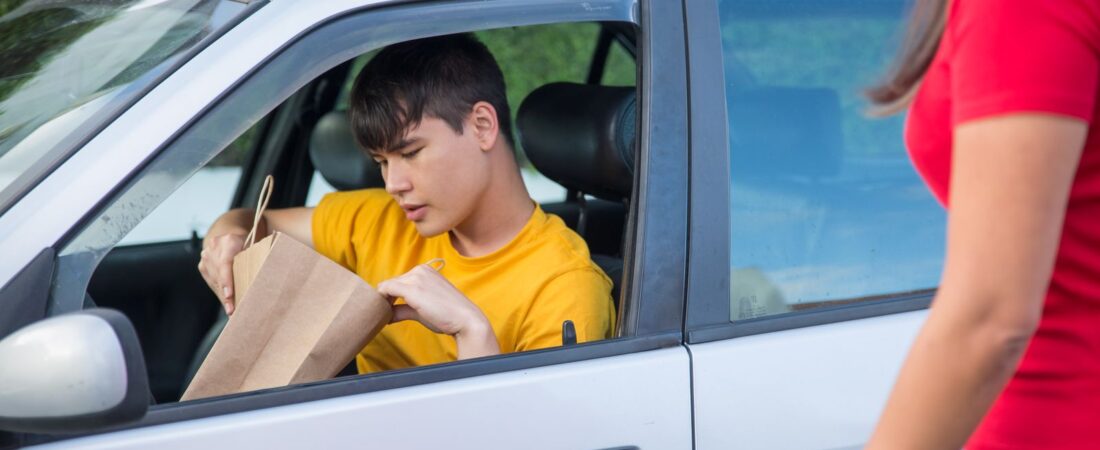

An ice storm doesn’t announce itself the way a blizzard does. One hour you’re doing a quick Wendy’s run, the next you’re white-knuckling a turn that looked completely normal at 5 PM. For delivery drivers on Uber Eats, DoorDash, Instacart, Amazon Flex, and Spark, freezing rain events are the most deceptive conditions of the year — they look driveable, they feel driveable, and then very suddenly they are not. This guide is for drivers who want real information: when the surge is worth it, when to stay parked, and how to protect your earnings, your car, and your body when the temperature drops below 32°F and the sky starts dripping ice.
Driver Opportunity
Want to Earn While You Read?
Join as a new driver and get up to a $2,575 guaranteed bonus after completing your first 200 deliveries in select US cities.
Start Earning Now →New drivers only · Terms apply · Available in select cities
Reading Forecasts and Road-Condition Apps Before You Log On
The first mistake drivers make during winter weather is opening their delivery app before opening a weather app. If you’re planning a shift during a potential ice event, start your prep at least two to three hours early — not thirty minutes before you log on.
The apps that matter most:
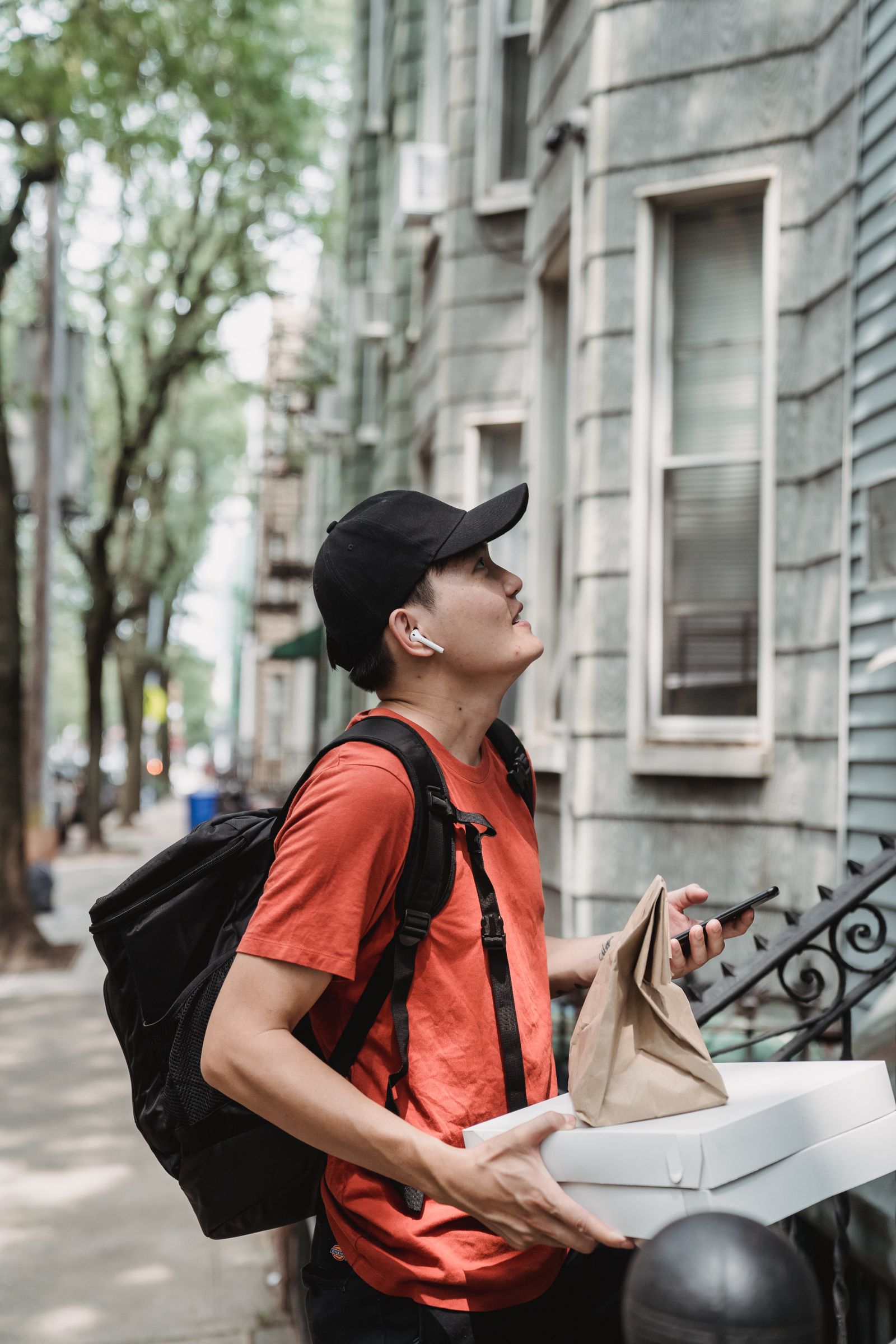
- National Weather Service (weather.gov): Free, government-sourced, and hyperlocal. Use the “Hourly Graph” for your zip code to see when precipitation type shifts from rain to freezing rain or sleet. This is your primary source — not The Weather Channel or a news broadcast approximating conditions for an entire metro area.
- Weather Underground: Aggregates personal weather station data, so you can see what roads in specific neighborhoods actually read rather than airport-level averages. Especially useful when your city spans significant elevation changes.
- 511 State Traffic Apps: Every U.S. state has a 511 phone line and usually a companion app or website — 511PA, 511TX, Drive511 in Virginia, and similar — that shows real-time road closures, plow locations, and road-condition classifications (dry, wet, icy, snow-covered).
- Waze: Community-sourced reports of ice patches, accidents, and road closures. Best used in real-time once you’re already on shift since conditions during ice events update faster than any pre-shift check can capture.
- Google Maps and Apple Maps Live Traffic: Check incident overlays in your planned delivery zones. Clusters of accident reports before you’ve even started are the market telling you something important.
Understand the difference between a Winter Storm Watch, a Winter Storm Warning, and a Freezing Rain Advisory. An Advisory means conditions are possible but not necessarily severe for experienced drivers. A Warning means road conditions are expected to be significantly impaired and travel is officially discouraged. A Freezing Rain Warning or Ice Storm Warning is the category that should stop most delivery drivers entirely — this is when roads ice over faster than treatment trucks can run, bridges become unpassable, and accident rates spike across the board within a matter of minutes.
Check conditions the night before, once more in the morning, and again 60 to 90 minutes before your planned start. Ice forecasts have short windows of accuracy because a few degrees of temperature difference changes everything about what falls out of the sky and whether it stays liquid or freezes on contact with road surfaces.
Ice Storm Pay Surges vs. Genuine Danger — Don’t Get Fooled by the Multiplier
Yes, surge pay is real during ice events. And yes, some drivers make very good money on ice days. But the relationship between high surge and high risk is not coincidental — the surge exists precisely because the conditions have scared most drivers off the road. That is the math you have to do honestly before you log on.
Delivery platforms calculate dynamic pricing based on driver supply relative to order demand. When an ice storm hits and 60 percent of drivers park their cars, the remaining drivers see multipliers and “Busy” or “High Demand” labels jump significantly. DoorDash Peak Pay bonuses can appear as high as $4–$7 per delivery in extreme weather events in markets like Chicago, Kansas City, or Dallas. Uber Eats surge multipliers have been reported above 1.5x to 2x during major winter events. Instacart batch earnings can spike meaningfully as shoppers exit the platform and homebound customers flood in.
The problem is that high surge often coincides with the most dangerous road windows. That 1.8x Uber Eats surge at 7 PM might correspond exactly to the two-hour window where temperatures drop just below freezing and untreated roads are turning to glass. The platforms are not adjusting surge to pay you a danger premium — they are rebalancing supply and demand. They have no visibility into how icy your specific street is.
The drivers who come out ahead on ice event days generally follow one of two patterns: they drive in the early hours of a developing ice event when temperatures are borderline and roads haven’t fully glazed, or they drive after treatment trucks have made significant passes — often the following morning when demand is still elevated but conditions are more passable. Mid-event driving in a full ice storm is where the profit calculation breaks down fastest, because one accident wipes out every surge dollar you earned for the week.
If you’re new to gig driving and considering adding Uber Eats to your platform mix, build your area knowledge on clear-weather days before you tackle ice conditions. You can get started and earn a sign-on bonus in many markets through this Uber Eats driver referral link.
It’s also worth noting that the future of last-mile delivery includes drone and autonomous pilots in select regions. Uber Eats drone delivery pilots operating in Texas ground out in ice events too — which means human drivers absorb even more concentrated demand when weather hits those zones. That dynamic will likely intensify as drone coverage expands.
Vehicle Prep for Ice Events: What Actually Matters
You don’t need a 4WD truck to deliver in winter, but you do need a vehicle that is properly prepped. Here’s what moves the needle most:
Tires
All-season tires are adequate for mild winter weather. For consistent ice-state driving — meaning you’re regularly working in regions that see multiple ice storms per winter — dedicated winter tires with a 3-Peak Mountain Snowflake (3PMSF) rating make a measurable difference in stopping distance and cornering stability on ice. If you’re staying on all-seasons, check your tread depth and make sure your pressure is correct. Cold air contracts and tire pressure drops roughly 1 PSI for every 10°F temperature drop — an underinflated tire reduces your contact patch precisely when you need maximum grip.
Washer Fluid and Windshield
Use winter-rated washer fluid rated to at least -20°F. Regular blue washer fluid freezes on your windshield at temperatures where you’re still delivering. Carry a secondary jug in your trunk. Replace worn wiper blades before winter season — winter blades with a rubber boot over the frame prevent snow and ice accumulation on the blade arm. Keep an ice scraper and a de-icer spray in the cabin, not the trunk, so you can reach them without fully exiting the vehicle.
Battery
Cold weather is a battery killer. If your battery is older than three years, have it load-tested before winter hits. A battery that starts fine in October can fail completely at 10°F in January. Keep jumper cables or a portable jump-starter pack in the car at all times during winter months.
Emergency Kit
Every delivery driver working in winter should carry: a small bag of cat litter or sand for traction if you get stuck, a folding shovel, a blanket, water, and a fully charged portable battery for your phone. If you run insulated hot bags, they take up cargo space — make sure your emergency kit doesn’t get left at home to make room for delivery gear. The kit you need most is the one you have when you need it.
Delivery Demand, Tips, and How Each App Behaves During Ice Events
Each platform behaves differently during winter weather, and knowing the specifics helps you plan which apps to prioritize and which to monitor.
Uber Eats
Uber Eats surfaces surge pricing as a multiplier on your base rate. During ice events, the app may display “High Demand” overlays in specific zones. Restaurant closures generate automatic cancellations, and you’ll receive a cancellation credit in most cases — Uber Eats has improved this policy significantly. Watch for restaurants that remain marked available in the app but are actually closed when you arrive. The first closed-store run on a storm night is usually no issue with support. A string of them requires you to contact support proactively to protect your order-completion metrics.
DoorDash
DoorDash adds Peak Pay bonuses as fixed dollar amounts on top of base pay during surge windows, displayed in the app before you accept an order. Closed-store situations during ice events are classified as “undeliverable” and do not count against your completion rate if you report correctly through the app workflow. Wait time pay applies if you’re held at a merchant beyond the threshold — this matters on ice days when restaurants are running skeleton crews and prep times are running long.
Instacart
Instacart batch earnings can jump significantly during ice events because demand from customers who don’t want to drive to the store spikes at exactly the moment shopper supply drops. Heavy and bulky batch orders become more common as customers stock up. Tip behavior shifts too — customers ordering during an active ice storm tend to tip higher than average because they know conditions are bad and they appreciate the effort. The key variable is store closures; if your anchor stores close early, your batch availability dries up fast. The DoorDash-Instacart merger discussions in 2026 have implications for how surge and batch pricing may work going forward — keeping an eye on how the platform landscape consolidates is worth your time as a multi-apper.
Amazon Flex and Spark
Amazon Flex blocks are pre-scheduled, which means you need to make your go/no-go decision before the shift starts rather than in real time. Cancellation within your threshold window is usually a one-time forgiveness event, but repeated last-minute block drops will hurt your standing. Walmart Spark behaves similarly. For both, review your cancellation policy terms before winter season so you’re not making that call under pressure at 6 AM when ice is actively forming on your driveway.
Unsafe Drop-Offs, Customer Instructions, and What You Can Actually Do
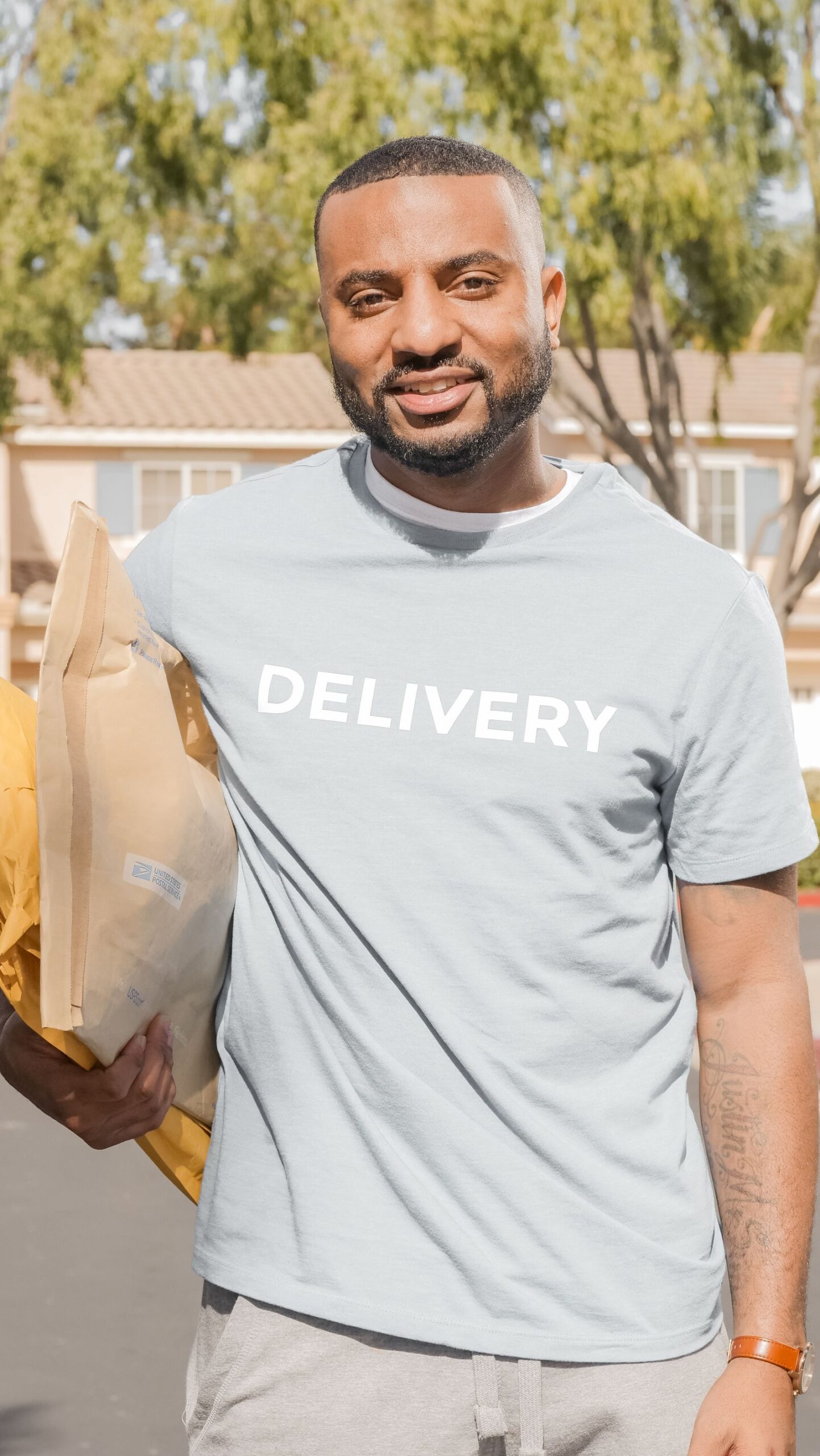
The worst physical risk during ice delivery isn’t usually the driving itself — it’s walking. Icy driveways, unsalted apartment steps, and steep walkways cause slip-and-fall injuries that can sideline a driver for weeks and generate medical bills that make the surge pay look trivial. You have the right to leave a delivery at a safe accessible location rather than risk injury navigating an unsalted path.
All major platforms allow photo-confirmation drop-off with a customer note. Use it. Photograph the drop location, note in the delivery comments that you dropped at the safest accessible point due to hazardous conditions, and submit. Customers who have requested hand-to-me delivery during an active ice event can either meet you at a safer spot or accept a photo drop. No tip amount justifies a slip-and-fall claim.
Customer delivery instructions sometimes include directions that are unsafe in ice conditions — “park on the lower driveway slope,” “come around back down the alley,” “bring it up the stairs to the third floor.” You are not obligated to follow instructions that create unreasonable physical risk. Use your judgment, document with a photo, and contact support if you think the delivery note will be disputed.
Know your rights if a customer complaint hits your account because you dropped at the door rather than navigating an icy path. You have grounds to dispute it through platform support with photo documentation. Gig driver deactivation laws and state-level rights in 2026 vary significantly, but documentation is your primary protection in every state — photograph every drop during winter weather conditions, not just the ones that feel contested.
Long ice-event shifts also introduce fatigue risk that drivers underestimate. Cold weather, sustained heightened alertness, and the constant low-level tension of difficult road conditions are mentally exhausting in ways a normal four-hour shift is not. Build rest breaks into your plan, keep your cabin warm enough to avoid shivering, and think carefully about your caffeine strategy on long gig driver shifts — over-caffeinating during a stressful ice shift can amplify anxiety and subtly impair the fine motor coordination you’re relying on most.
Insurance and Liability Basics for 1099 Winter Drivers
This section doesn’t replace talking to your insurance agent. What it does is make sure you go into that conversation asking the right questions.
As a 1099 gig driver, you operate in a coverage gap: your personal auto insurance policy very likely excludes coverage during commercial use — meaning while you’re active on a delivery app — and the platform’s own insurance coverage varies significantly by state and by which phase of a delivery you’re in.
Uber Eats and DoorDash both maintain third-party liability coverage during Phases 2 and 3 of a delivery (order accepted and order in transit). But during Phase 1 — app on, waiting for a request — platform coverage is limited and your personal policy exclusion may already apply. This is the coverage gap that most drivers don’t discover until they file a claim. A rideshare and delivery endorsement added to your personal auto policy fills it. Costs vary but typically run $10–$30 per month depending on your insurer and state.
In an ice storm scenario, the liability question becomes sharper. If you’re in an at-fault accident while delivering and your personal policy denies the commercial-use claim, you are personally liable. A winter weather accident at 25 MPH on glare ice can cause thousands of dollars in vehicle damage and injury claims. Know exactly which phase coverage applies and what your deductible exposure is before you drive in ice conditions — not after.
Renters insurance is a separate but related consideration for drivers who store delivery equipment, insulated bags, or phone mounts at home. Renters insurance for delivery drivers in 2026 covers what’s typically included and excluded when your gear gets damaged or stolen, including whether business-use equipment qualifies under a standard policy.
The Go/No-Go Decision Checklist Before Every Ice-Day Shift
Save this to your phone or print it out. Run through it before every shift during a winter weather event. The goal is to make your decision with a clear head before conditions deteriorate — not in the moment when financial pressure and sunk-cost thinking cloud your judgment.
- Weather check complete? NWS hourly graph reviewed for your zip code, 511 app checked for active road closures, local storm track confirmed in the last 90 minutes.
- Forecast type confirmed? Freezing Rain Advisory means use caution and monitor closely. Freezing Rain Warning or Ice Storm Warning means the default is to park unless you have a specific, well-reasoned case to drive.
- Temperature window mapped? If road temps are forecast to drop below 32°F during your planned shift, your end time should come before that freeze window, not after.
- Tire condition checked? Adequate tread depth, pressure adjusted for cold-weather contraction.
- Washer fluid and wipers ready? Winter-rated fluid in the reservoir, blades in functional condition, scraper and de-icer in the cabin.
- Battery status known? If over three years old, test before the season. If not recently tested, carry jump cables or a jump-starter pack.
- Emergency kit in the car? Shovel, traction material, blanket, backup phone battery, jumper cables — all present and accessible.
- Insurance gap addressed? You have a rideshare/delivery endorsement or you know exactly what your platform coverage covers in each phase.
- Platform cancellation policies confirmed? You know the correct workflow for closed-store cancellations and unsafe drop-offs on each active app without triggering metric penalties.
- Exit threshold set? You’ve decided in advance what conditions will end your shift — a specific weather alert, a specific road-condition report, or a specific time — before you start, not in the moment.
- Rest and nutrition in order? You’re rested, you’ve eaten, and you have a plan to manage alertness across the shift without over-relying on stimulants.
Driver Opportunity
Ready to Start?
Turn This Guide Into Real Income — join as a new driver and get up to a $2,575 guaranteed bonus after completing your first 200 deliveries in select US cities.
Sign Up & Start Delivering →New drivers only · Terms apply · Available in select cities
The drivers who come out ahead during ice events aren’t the most fearless. They’re the most prepared. They know their local road network, they know their vehicle’s limits, and they know exactly the conditions under which they’ll stop — and they set that threshold before financial pressure clouds the decision. Build that framework before the first ice storm of the season hits and you’ll be one of the few drivers on the road who consistently comes out ahead when the weather turns against everyone else.