
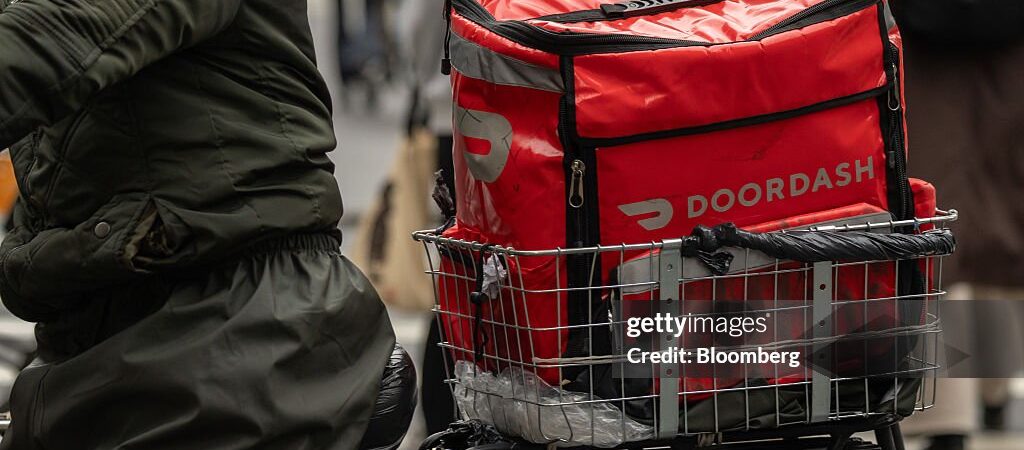

If you’re a delivery driver in the US right now, you already know the game changed. A couple years ago, you could turn on one app and stay busy all night. These days? Most drivers I talk to are running two, three, sometimes four apps at once just to keep the offers coming.
The drivers who are actually making money in 2026 — I’m talking $25-$35/hour after expenses — aren’t the ones who grind the hardest. They’re the ones who work smarter. Here’s what’s actually working right now.
Stop Relying on One App
This is the single biggest mistake I see new drivers make. You sign up for DoorDash, wait around during slow hours, and wonder why your hourly rate stinks. Meanwhile, the driver next to you is running DoorDash, Uber Eats, and Spark simultaneously, cherry-picking the best offers from each.
Multi-apping isn’t just a hack anymore — it’s the baseline for anyone serious about delivery driver income. When your DoorDash orders slow down, you flip over to Uber Eats. When Uber goes quiet, Spark is still rolling. You’re never waiting, and that alone can boost your hourly pay by 30-50%.
Quick tip: If you haven’t tried Uber Eats yet, you can use this referral link to get started. Having a backup app ready to go is the difference between a $12 hour and a $28 hour.
Know Your Numbers — Not Just What You Made, but What You Kept
Here’s something most drivers don’t do but should: track everything. Not just what you earned, but what you spent. Gas, maintenance, tolls, that parking ticket in the city. It adds up fast, and if you’re not deducting every legitimate mile on your taxes, you’re leaving money on the table.
The standard mileage deduction for 2026 lets you deduct around 70 cents per mile driven for business. If you drive 200 miles during a shift, that’s $140 in deductions. It makes a massive difference come tax time.
This is the stuff nobody tells you when you’re starting out. They just say “go deliver food, it’s easy money.” And sure, it looks easy — until April 15th rolls around and you owe more than you expected.
The Best Times to Drive (and When to Stay Home)
Not all hours pay the same. If you’re sitting in your car at 2 PM on a Tuesday waiting for a $4 DoorDash order, you’re doing it wrong. Here’s the sweet spots most experienced drivers aim for:
- Friday-Sunday dinner rush (5-9 PM): Peak pay on every platform. This is where you make the bulk of your weekly earnings.
- Lunch rush (11 AM-1 PM): Solid secondary window, especially in business districts during the work week.
- Late night (10 PM-midnight): Fewer drivers, higher tips, and late night munchies mean consistent orders.
- Rainy days: More people order in, and the pay bumps kick in. If it’s raining, drive.
Everything else? Feel free to take the day off. Burnout is real, and grinding through dead hours just kills your per-mile earnings.
Optimize Your Routes, Not Just Your Apps
You can run four apps at once and still lose money if you’re driving in circles. Smart drivers plan around their home base. Pick a zone with 3-4 good restaurants clustered close together. Don’t accept orders that take you more than 5 miles from your zone unless the pay makes it worth your while.
Another thing nobody mentions: apartment deliveries eat your time. If you’re delivering to a third-floor walkup, a college dorm, or a sprawling apartment complex where you spend 10 minutes just finding the right building — that order needs to pay significantly more to be worth it. Don’t be afraid to decline.
Cash Out Smart — Avoid Unnecessary Fees
Almost every delivery app offers instant cash out now. And almost all of them charge you $1.99 or more every time you use it. If you’re cashing out after every shift, that’s $40-$60 a month straight into the app’s pocket. Set up weekly transfers instead, or use a debit card that supports instant deposits without the fee. Your delivery driver income shouldn’t be eaten up by withdrawal charges.
Don’t Sleep on Non-Food Delivery
Spark (Walmart), Amazon Flex, and even package delivery services can fill gaps that food apps can’t. These tend to pay better per hour and have more predictable scheduling. The downside? Less flexibility — you generally commit to a block of time rather than jumping in and out whenever you want. But for consistent delivery driver income, they’re hard to beat.
Protect Your Car and Your Health
Your car is your office. Skip an oil change to save $50 and you could be looking at a $3,000 repair bill down the road. Same goes for tires, brakes, and basic maintenance. Set aside a percentage of every shift for car upkeep — I’d say 15-20% is about right for most drivers.
And while we’re being real with each other — take care of yourself too. This job is surprisingly physical. Getting in and out of the car 30-40 times a shift, carrying heavy orders, running up stairs. Your knees and back will thank you if you stretch, stay hydrated, and don’t eat gas station food for every meal.
The Bottom Line on Delivery Driver Income in 2026
Is delivery driving worth it in 2026? Honestly, it depends. If you treat it like a side gig and just wing it, you’ll probably make minimum wage after expenses. But if you plan your hours, run multiple apps, track your deductions, and take care of your car — you can absolutely clear $800-$1,200 a week in most markets.
The drivers who treat this like a real business are the ones who stick around. The ones who treat it like easy money? They burn out in three months. Be the first kind.
If you’re just getting started, sign up for Uber Eats here and add it to your rotation. Every app matters when you’re building your delivery driver income.