

If you’re still running just one delivery app in 2026, you’re leaving serious money on the table. The average single-platform driver spends more than 40% of their time on the road waiting — waiting for a ping, waiting at a restaurant, waiting for a batch to appear. That dead time is costing you. Multi-apping, the practice of running two or three delivery platforms simultaneously, is the single most effective way to plug those gaps and pad your weekly paycheck. Drivers who do it right are pulling in 30 to 50% more per hour than those riding a single app. This guide breaks down exactly how to stack DoorDash, Uber Eats, Instacart, Spark, and other platforms in 2026 so you can work smarter, not harder.
Why Multi-Apping Is More Important Than Ever in 2026
The math is simple but brutal. According to Gridwise’s 2026 Gig Mobility Report, the average delivery driver’s active utilization rate sits at just under 59%. That means roughly four out of every ten minutes you are on the clock, you are not actually delivering anything. You’re idling — and idling costs you in more ways than one.
Tips have been squeezed down to an average of $4.16 per trip, near a record low. Meanwhile, gas prices, insurance, and vehicle wear are eating 35 to 45 cents of every dollar you gross. The new IRS mileage rate of $0.76 per mile effective July 1, 2026 helps at tax time, but it doesn’t pay your rent today. The platforms aren’t going to fix this for you. You have to engineer your own raise — and multi-apping is how you do it.
When you have two apps running, every minute a restaurant is slow on DoorDash is a minute Uber Eats can fill with a fresh order. That 40% idle time shrinks dramatically, and your effective hourly rate climbs. It’s not complicated, but there are right ways and wrong ways to pull it off.
The Best App Combinations for Multi-Apping in 2026
Not every pairing makes sense. You want platforms that complement each other — different restaurant pools, different customer bases, or different delivery types — so you aren’t fighting yourself for the same orders.
- DoorDash + Uber Eats: The gold standard pairing. DoorDash owns roughly 67% of the US food delivery market, so you’ll get the most volume from them. Uber Eats fills in the gaps, especially during early evenings and in urban cores. Both apps allow simultaneous use and neither has a formal policy against it.
- DoorDash + Spark: If you’re in a Walmart Spark market — and Spark is expanding fast in suburban and rural areas — this combo is exceptional. Spark orders cluster in late morning and early afternoon while DoorDash heats up at lunch and dinner. Very little overlap, very little dead time.
- Uber Eats + Instacart: A smart pairing for drivers who want to mix food delivery with grocery runs. Instacart batches are predictable and can anchor your earnings while Uber Eats fills in the gaps. For a deeper look at what Instacart actually pays, check out our Instacart Shopper Guide 2026 — the real earnings numbers might surprise you.
- Triple-app stack (DoorDash + Uber Eats + Spark or Instacart): Advanced move. Requires focus and a clean dual-mount setup. Best reserved for Friday and Saturday dinner rushes when all three platforms are firing hard. Drivers who master it report hitting $25 to $35 per active hour during peak windows.
How to Multi-App Without Getting Deactivated
Here’s the worry every driver has when they first hear about multi-apping: Will doing this get me kicked off a platform? The short answer is no — as long as you execute correctly. No major gig platform explicitly bans running competing apps at the same time. What they do care about deeply is your on-time delivery rate, your completion rate, and your customer satisfaction score. If multi-apping causes you to run late, cancel orders, or deliver cold food, that’s when you’re in real trouble.
Stick to these golden rules and you’ll stay in good standing on every platform:
- Never accept a new order if your current one is already running behind. Finish what you started before you layer in a second job. One late delivery that tanks your rating costs more than any second order would have earned you.
- Be smart about double-stacking restaurant waits. Sitting at a restaurant for 10 minutes while your food is being prepared? That’s a good window to accept a quick nearby order. Don’t accept something across town that pulls you away from your current pickup.
- Watch your acceptance rate on platforms where it unlocks perks. On DoorDash, Top Dasher status requires a 70% acceptance rate. Heavy cherry-picking while multi-apping can drop you below that threshold and cost you priority access to better orders.
- Communicate with customers proactively. If you’re running two deliveries and one is going to run a few minutes late, a quick in-app message protects your rating and usually prevents a bad review.
- Treat Instacart batches separately. A 20-item grocery shop can stretch to 40 or 50 minutes. Don’t accept one while you have a DoorDash order waiting at a restaurant. Grocery and food delivery work best when you block time for each, or pair Instacart only with apps that have long natural gaps.
The Tech Setup Every Serious Multi-App Driver Needs
Running multiple apps efficiently is partly a hardware game. If you’re squinting at a small phone screen and fumbling between apps with one hand while driving, you’ll make mistakes that cost you ratings and orders. Here’s the setup serious multi-app drivers are running in 2026:
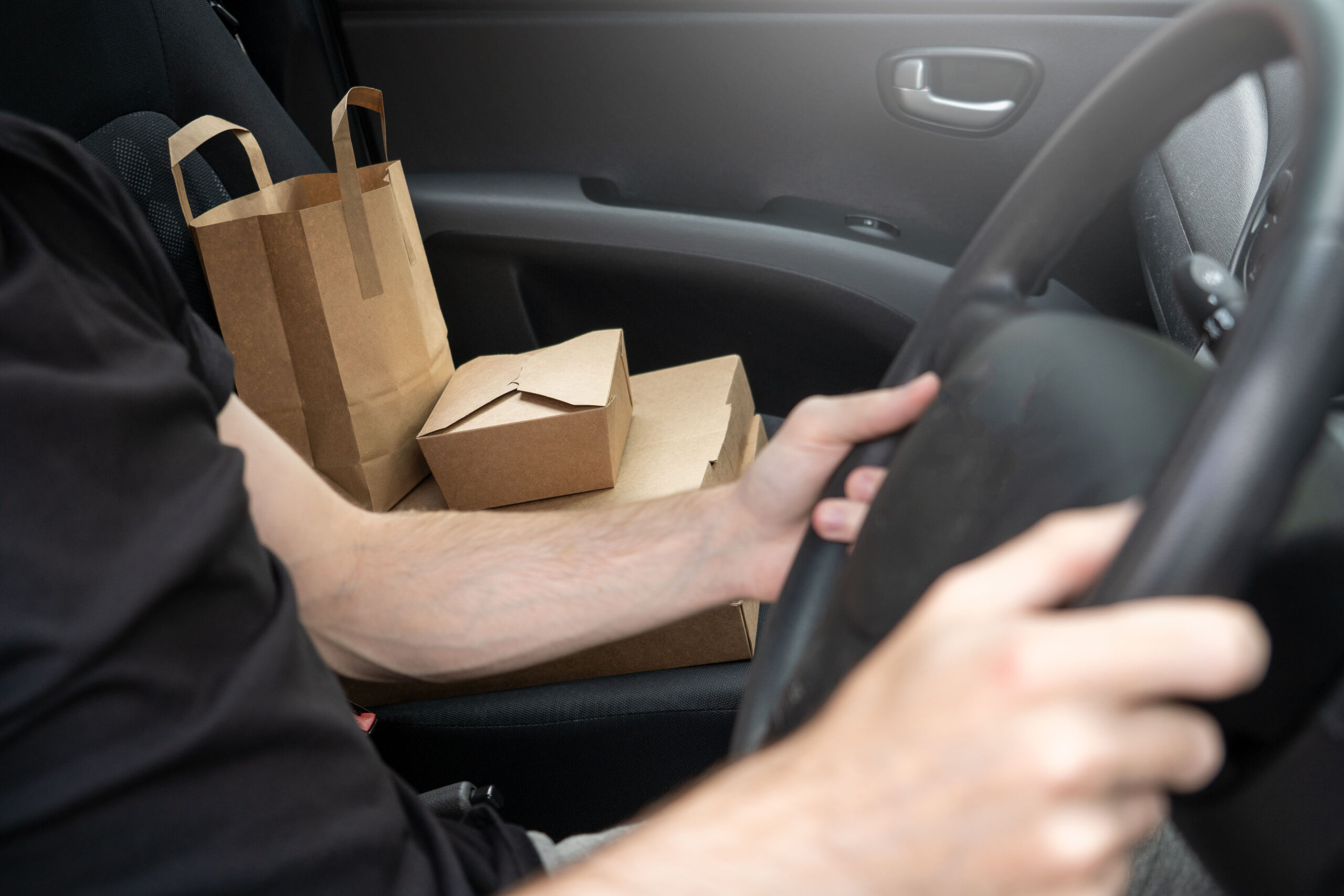
- A quality phone mount: Magnetic dashboard mounts or windshield mounts with secure grips keep your screen front and center. Don’t cheap out here — a phone that falls off the mount in the middle of a delivery run is a real problem.
- A second device: This is the biggest upgrade you can make. Many experienced multi-app drivers run a dedicated tablet or second phone mounted alongside their primary device so each platform has its own screen. No fumbling between apps, no missed pings. A refurbished Android tablet runs under $60 and pays for itself in the first week.
- A powerful car charger: Two screens running GPS and data will drain a battery fast. A dual-port USB-C charger rated at 30W or higher keeps everything alive through a six-hour shift.
- Offline maps ready to go: In areas with spotty coverage, having Google Maps or Waze downloaded for offline use saves you from a spinning loading screen mid-delivery in a dead zone.
- An unlimited data plan: Running two or three apps with constant GPS burns through a data cap quickly. The extra $10 to $15 a month for a true unlimited plan is worth it the moment you avoid a single dropped order due to throttled data.
While you’re tightening up your setup, it’s also worth knowing exactly what your car is costing you between orders. Our detailed breakdown of the true cost of idling for delivery drivers in 2026 puts hard numbers on how much those restaurant wait times are bleeding your profits — which is exactly why cutting that idle time through multi-apping is so powerful.
Real Numbers: What Multi-Apping Adds to Your Weekly Paycheck
Let’s put real math on this. Say you’re driving 30 hours per week on a single platform and averaging $18 per hour gross. That’s $540 per week before expenses. After gas, depreciation, and self-employment tax, you’re likely netting somewhere between $350 and $380 per week.
Now you add a second app and eliminate most of that 40% idle time. Your per-order rate stays the same, but you’re earning during more minutes of each hour. Your effective hourly rate climbs to $24 to $26. Over the same 30 hours, that’s $720 to $780 gross per week — a bump of $180 to $240 weekly just from plugging dead time. Over a full month, that’s $720 to $960 in additional income. From zero additional hours.
The delivery landscape in 2026 has also expanded well beyond restaurant food. Retail delivery — same-day shipping from clothing stores, hardware shops, and big-box retailers — is booming, and DoorDash, Uber Eats, and Instacart are all fighting for a piece of it. Our guide to profiting from the retail delivery boom in 2026 covers which order types pay best and how to position yourself to grab them regularly as part of your multi-app rotation.
How to Get Signed Up on Every Major Platform Right Now
If you’re only on one or two apps today, the single fastest ROI you can get is spending 20 minutes signing up for the platforms you’re missing. Here’s the rundown:
- DoorDash: Apply at dasher.doordash.com. You’ll need a valid driver’s license, proof of auto insurance, and to pass a background check. Most drivers are activated within 3 to 7 days.
- Uber Eats: Sign up through Uber’s driver portal. When you register, enter a referral code — for example, referral code vuccxew — to be eligible for a guaranteed earnings bonus during your first set of deliveries. Uber Eats is one of the fastest platforms to go live on, often 24 to 48 hours after submitting your documents.
- Instacart: Apply through the Instacart Shoppers portal. Background check required. You’ll need an insulated delivery bag, which you can grab on Amazon for under $20.
- Walmart Spark: Apply through the Spark Driver app. Availability is market-dependent, but Spark is expanding rapidly in suburban and rural areas. If your market shows as full, check back weekly — spots open up regularly as drivers cycle out.
- Amazon Flex: Perfect as a morning anchor. Flex blocks are scheduled delivery windows, typically 3 to 4 hours, that pair well with afternoon food delivery shifts on other platforms. Apply through the Amazon Flex app.
Getting approved on three or four platforms costs you nothing upfront and gives you maximum strategic flexibility. Each day, you can choose the combination that fits your market conditions, the weather, and the time of day rather than being locked into whatever a single app throws at you.
August Is the Perfect Month to Lock In Your Multi-App Routine
August 2026 is an ideal window to build your multi-app rhythm before the fall rush hits. Back-to-school season means more families ordering delivery — parents juggling school supply runs, packed schedules, and tired kids are leaning hard on apps right now. College campuses are lighting up again as students return, and university neighborhoods are some of the densest, most tip-friendly delivery zones on any platform. Those zones go from quiet to explosive in mid-August and stay hot through October.
The play for August: run your DoorDash and Uber Eats pairing for dinner rushes Thursday through Saturday. Work Instacart or Spark in the mid-morning and early afternoon windows when grocery and retail demand is strong but food delivery is still warming up. If you’re near a campus, position yourself in that radius during the first few weeks of August through early September. Returning students who just moved into their apartments and don’t have their kitchens stocked yet are ordering constantly, and they tip well.
Get your tech setup dialed in this week, activate every platform that makes sense for your market, and start using those dead minutes to stack income instead of burning fuel sitting still. The drivers who build this habit in August are the ones running at full speed when the holiday surge kicks off in November.
Ready to Earn More as a Delivery Driver?
Sign up for Uber Eats today and earn a $2,575 guaranteed bonus after completing your first 200 deliveries in select US cities.