
# Multi-App Delivery Strategy 2026: How Drivers Are Earning $25+ an Hour
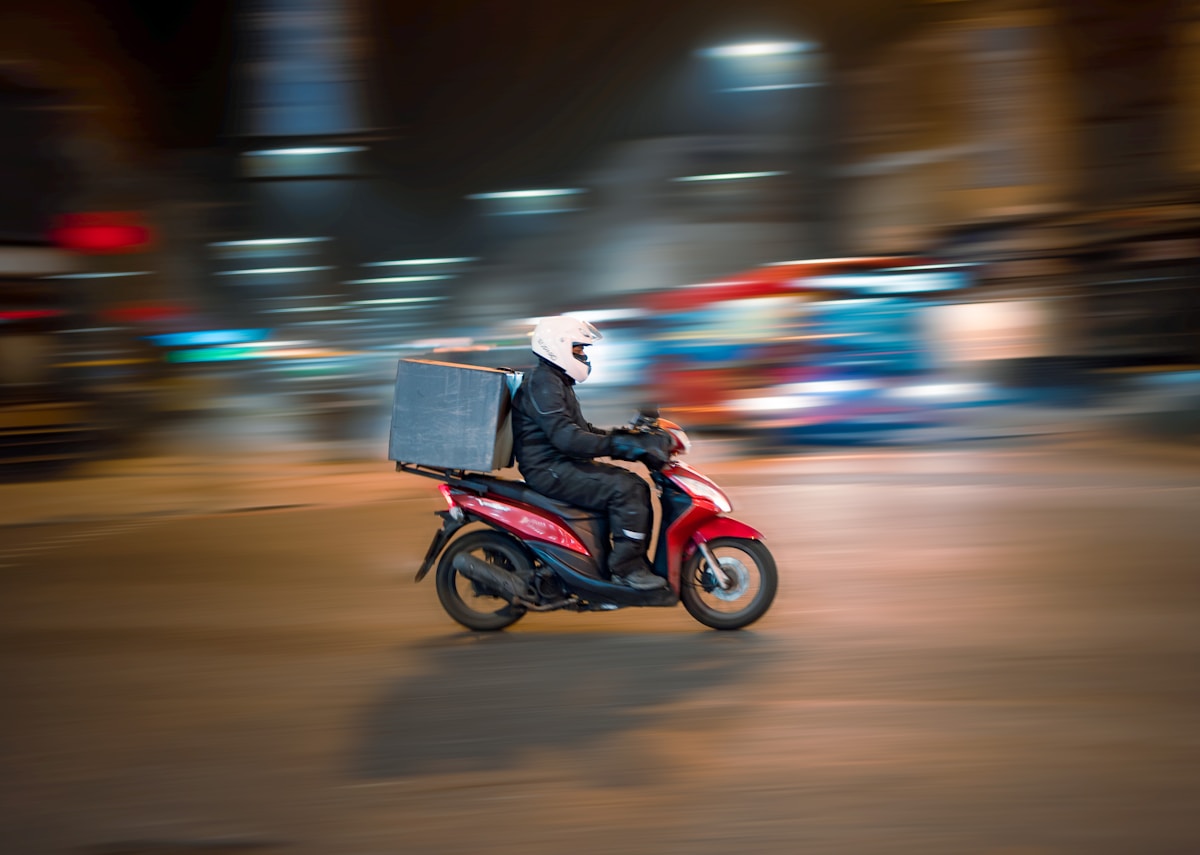
Real delivery driver heading to a pickup. Stacking apps is how you stack cash. Photo by Iyad Al Fahl on Unsplash.
If you’ve been driving for DoorDash all year and feel like your earnings have hit a wall, you’re not wrong. According to the 2026 Gridwise Gig Mobility Report, customer prices on delivery apps rose nearly 10% in 2025 — but driver pay grew less than half as fast. The platform is making more. You’re making barely more.
So what’s the fix?
Drivers pulling $25 to $30 an hour aren’t luckier than you. They’re running a multi-app delivery strategy — and 2026 is the year that strategy finally pays off big.
In this guide, you’ll learn exactly which apps to stack, how to schedule your day for peak pay, and the real earnings numbers drivers are seeing across DoorDash, Uber Eats, Instacart, Walmart Spark, and Amazon Flex.
What Is Multi-Apping (And Why It Works in 2026)
Multi-apping simply means running two or more delivery apps at the same time and cherry-picking only the best offers. Instead of sitting in a parking lot waiting for your next DoorDash ping, you keep Uber Eats, Grubhub, and Spark open in the background.
The biggest problem with a single app is idle time. According to data from ShiftTracker, the typical single-app driver averages two deliveries per hour at around $9 per delivery — about $18 an hour before expenses. A multi-app driver doing 2.5 deliveries an hour at $11 each clears $27.50 an hour before gas and maintenance. That’s an extra $380 a week if you drive 40 hours.
In 2026, with inflation still squeezing household budgets and base pay per delivery rising just 1.3% year-over-year (to $9.39), eliminating idle time is the single biggest lever you control.
The Best Apps to Stack in 2026
Not all delivery apps pay the same. Here’s the real breakdown by platform:
DoorDash
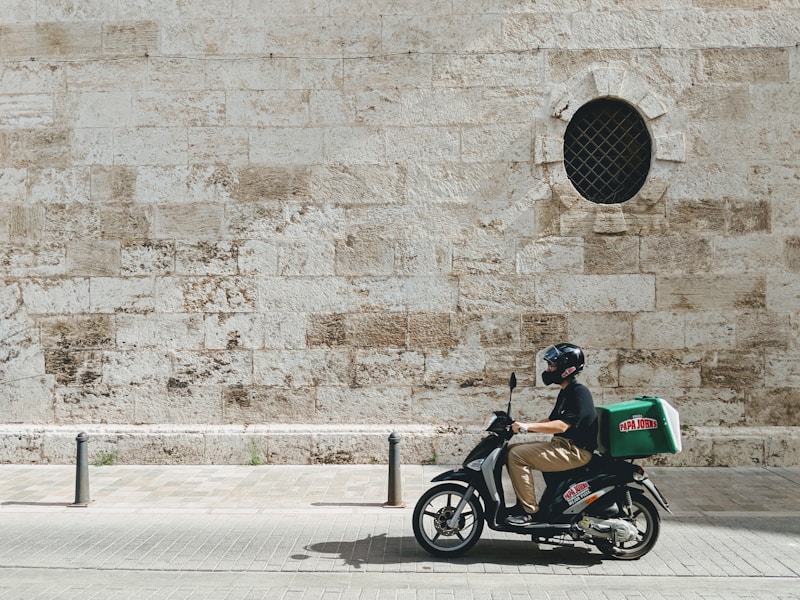
Instacart shoppers earn more per batch but need to factor in shopping time. Photo by Siora Photography on Unsplash.
Uber Eats
Instacart
Walmart Spark Driver
Amazon Flex
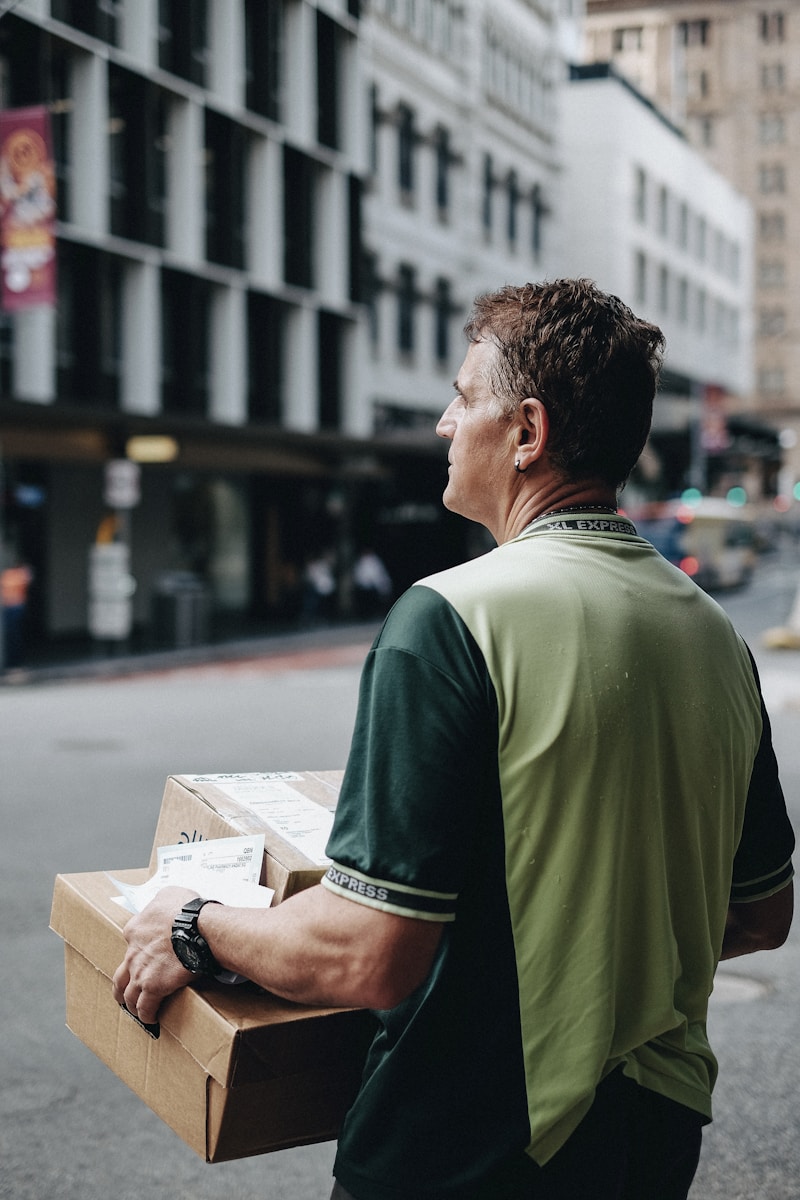
Amazon Flex drivers know their pay upfront — but be aware of the miles. Photo by Robert Bye on Unsplash.
The Smart Multi-App Schedule (Proven by Top Earners)
The drivers making $50,000+ a year on delivery apps aren’t driving randomly. They follow a schedule that matches demand peaks across platforms.
Pro tip: Never accept a second order if it pushes your first delivery past the estimated time. One late delivery costs more in ratings than a second order earns.
Real Numbers: What Multi-Apping Actually Pays
Here’s what top earners are seeing across different US metros in mid-2026, based on driver-reported data from ShiftTracker and Gridwise:
Remember: these are gross figures. The UC Berkeley Labor Center’s 2024 study found that after expenses, the typical driver nets less than minimum wage in most metros. The difference between gross and net is why a multi-app strategy matters — it lets you decline the low-paying offers and only take trips that actually make sense per mile.
5 Multi-Apping Tips That Actually Work
1. Use a Phone Mount + Second Device (If You Can)
The safest way to multi-app is with a phone mount on your dashboard and a second phone or tablet for the secondary app. Many pro drivers use an old phone on a mobile hotspot. This lets you glance at offers without juggling apps while driving.
2. Know Your “$ Per Mile” Floor
Never accept an offer below $1 per mile (total miles: pickup + delivery + return to zone). For multi-apping, bump that floor to $1.50/mile because you’re being more selective. Below that, you’re effectively paying to deliver.
3. Stack Lunch and Dinner Back-to-Back
The lunch window (11:30 AM – 1:30 PM) and dinner window (5:00 PM – 8:00 PM) are where 70% of your weekly earnings should come from. If you’re not driving during these windows, you’re leaving $600+ a month on the table.
4. Pause One App When You’re On a Delivery
Nothing kills your ratings like a cold pizza. When you accept an order on DoorDash, pause Uber Eats until you’re within a block of drop-off. Resume when you’re about to mark delivered. This keeps offers coming without overlapping.
5. Claim DashPass/Courier Promos Strategically
Each platform pushes promotions (Peak Pay, Boost+, Quest Bonuses). Don’t chase them blindly. A $3 Peak Pay bonus on a 12-mile delivery is still $0.25/mile — pass. A $2 bonus on a 3-mile delivery during dinner rush? Take it.
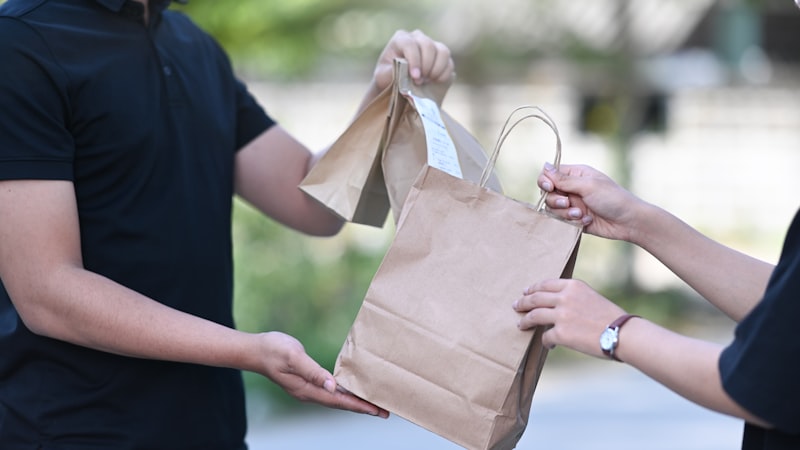
Handing off orders on time keeps your ratings high and tips coming. Photo by RDNE Stock Project on Unsplash.
The Hidden Costs Most Drivers Ignore
Let’s be real about the expense side. The IRS mileage deduction for 2026 is projected at around $0.70 per mile (up from $0.67 in 2024). That number isn’t random — it reflects the true cost of operating a vehicle.
Here’s what your actual expenses look like as a delivery driver:
If you drive 200 miles in a 6-hour shift, your vehicle costs are roughly $50–$70 — before you take a single dollar home. That 6-hour shift earning $24/hr gross ($144) is really $74–$94 net.
This is why multi-apping is not optional if you want this to be a real income. Running a single app, you accept whatever comes your way. Running three, you wait for the offers that pay $2/mile.
Is Multi-Apping Against the Rules?
Drivers ask this all the time. The short answer: it’s not explicitly forbidden by most platforms, but you need to be smart about it.
The key is don’t accept more than you can deliver on time. Multi-app to get better offers, not more offers.
What’s Coming Next? Delivery Trends to Watch
The gig economy is evolving fast. Here’s what industry analysts are watching for the rest of 2026:
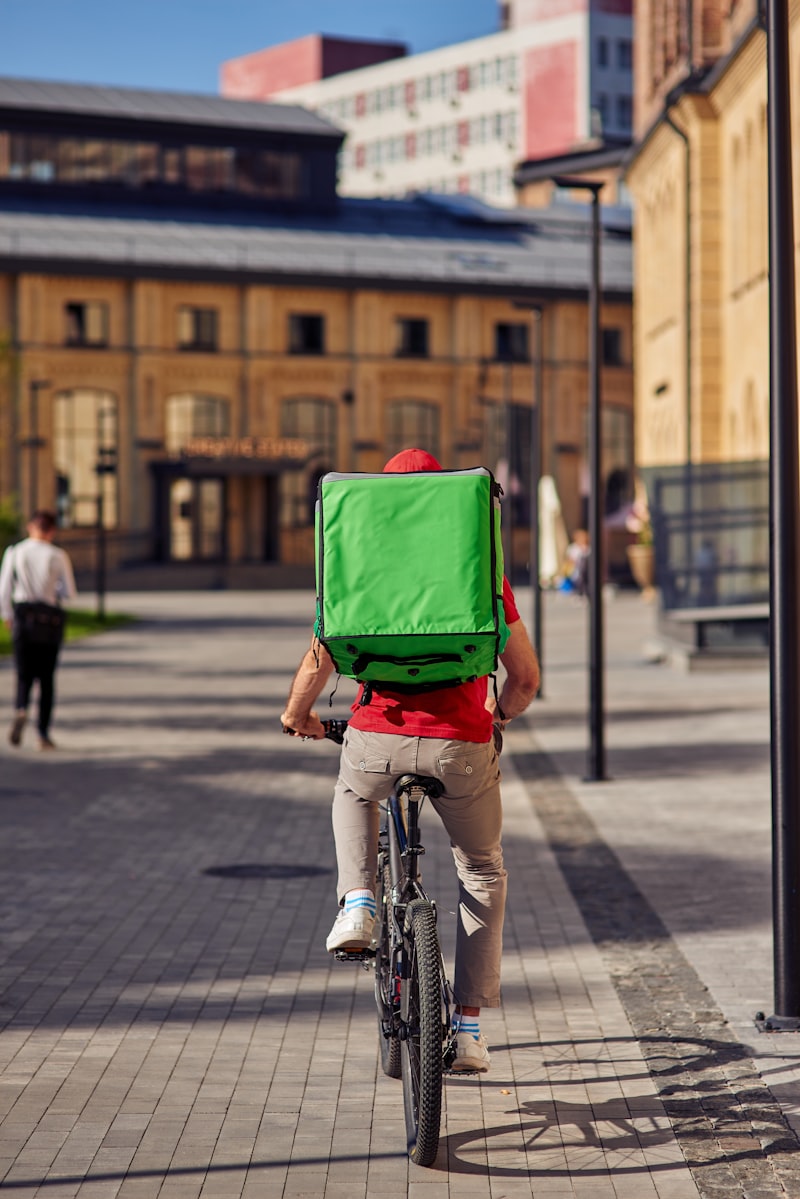
Bike couriers in dense metro areas are seeing $26–$35/hour with zero fuel costs. Photo by RDNE Stock Project on Unsplash.
Ready to Start Multi-Apping?
Here’s your action plan for this week:
FAQs About Multi-App Delivery
How many apps should I run at once?
Start with two. Three if you’re experienced. Running more than three at once is counterproductive — you’ll miss delivery windows and hurt your ratings.
What if I get deactivated on one platform?
It happens. That’s the whole point of multi-apping — you’re never dependent on a single income stream. If DoorDash deactivates you, you still have Uber Eats and Spark.
Can I multi-app with a bike?
Absolutely. In dense metros like NYC, San Francisco, and DC, bike couriers actually earn more per hour because they have zero fuel costs and can navigate traffic faster. Bike multi-apping is especially strong on Uber Eats + DoorDash.
Is the IRS mileage deduction still worth it in 2026?
Yes. At $0.70/mile projected, it’s one of the most generous deductions available to gig workers. Track every mile with an app like Stride or Gridwise.
Do I need commercial insurance?
Your personal auto policy likely won’t cover delivery. Most platforms provide liability coverage while you’re on an active delivery, but gaps exist. Talk to your insurer about a rideshare/delivery endorsement — it costs about $15–$30/month extra and can save you thousands if you’re in an accident.
This article contains referral links. When you sign up for Uber through our link, we may earn a small commission at no extra cost to you. All earnings data is sourced from driver reports and third-party analytics as of mid-2026.