
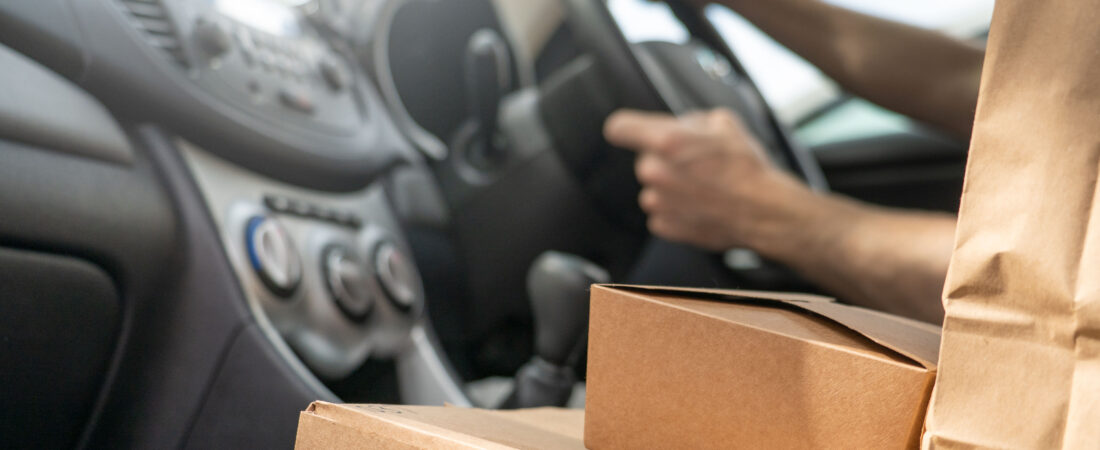

If you deliver food or packages for a living, you already know the painful truth: gas is one of your biggest expenses. Whether you drive for DoorDash, Uber Eats, Spark, Instacart, or Amazon Flex, fuel costs can eat up 20 to 30 percent of your gross earnings. With gas prices fluctuating wildly across cities like Houston, Dallas, Austin, NYC, Chicago, and Los Angeles, finding ways to save on fuel isn’t just a nice trick — it’s essential for your bottom line.
In this complete guide, we’ll cover 11 proven strategies that real delivery drivers use to slash their gas bills. From choosing the right vehicle and using cashback apps to timing your shifts around traffic and maximizing fuel economy with simple driving habits, these tips will put real money back in your pocket. Let’s get started.
Why Gas Costs Matter More for Delivery Drivers in 2026
Delivery driving is unique because your vehicle is your office. Unlike a commute where you drive to work and back, delivery drivers are constantly moving — picking up orders, dropping off, waiting, and driving to the next hotspot. A typical DoorDash or Uber Eats driver in a busy metro area like Austin or Dallas can easily drive 100 to 150 miles per shift. Over a 5-day work week, that adds up to 500 to 750 miles. At current gas prices, that’s roughly $80 to $120 per week just in fuel.
Now multiply that by 52 weeks: you’re looking at $4,000 to $6,000 per year in gas alone. That’s money that could go toward savings, insurance, or vehicle maintenance. Every penny you save on gas is a penny that goes straight into your pocket as increased profit.
1. Choose the Right Vehicle for Maximum Fuel Economy
Your vehicle choice is the single biggest factor in your fuel costs. If you’re buying a car specifically for delivery work, prioritize fuel efficiency above all else. The best cars for delivery driving in 2026 include hybrid and fuel-efficient models that can cut your gas bill by 40 to 50 percent compared to a standard sedan or SUV.
Hybrid and Electric Vehicles
Hybrids are the sweet spot for delivery drivers. A Toyota Prius or Hyundai Ioniq can achieve 50+ miles per gallon in city driving — which is exactly what delivery drivers do most of the time. Stop-and-go traffic, idling at restaurants, and short trips between deliveries are where hybrids shine because their electric motors handle the low-speed work.
Electric vehicles like the Chevrolet Bolt or Tesla Model 3 offer even lower per-mile costs, but they require access to charging infrastructure. If you live in a city like Los Angeles or Chicago with good charging networks, an EV could be a smart long-term investment. Just keep in mind that charging takes time, and time is money when you’re delivering.
Fuel-Efficient Gas Cars
If a hybrid isn’t in your budget, look at compact cars with good highway and city mileage. The Honda Civic, Toyota Corolla, and Mazda3 all deliver 30 to 40 mpg combined. Avoid large SUVs and trucks — a Ford F-150 getting 18 mpg will cost you more than double what a Corolla costs per mile in gas.
2. Use Gas Cashback and Rewards Apps
Real delivery drivers in cities like Houston and Dallas rely on gas rewards apps to save 5 to 25 cents per gallon. These apps stack with your existing credit card rewards for even bigger savings:
- Upside: This is the most popular app among gig workers. You claim offers before filling up, upload your receipt, and get cash back. Users report saving $10 to $20 per month with consistent use.
- GetUpside (formerly just Upside): Works with Shell, Exxon, BP, and many independent stations. Cash out via PayPal or bank transfer.
- GasBuddy: Their Pay with GasBuddy card offers up to 25 cents per gallon savings at participating stations. It also shows you the cheapest gas near your current location.
- Shell Fuel Rewards: If you fill up at Shell, their loyalty program gives you 3 to 5 cents off per gallon, with bonus offers during promotional periods.
- Credit Card Rewards: Cards like the Citi Custom Cash (5% back on your top spending category) or the Chase Freedom Flex (5% on rotating categories including gas) can save you significant money. The Wells Fargo Autograph card offers 3x points on gas year-round.
3. Track Your Mileage for Tax Deductions
Here’s a gas-saving strategy that pays double: tracking your mileage for tax deductions. The IRS mileage rate for 2026 is projected at 72.5 cents per mile. Every mile you drive for delivery work is tax-deductible, which directly reduces your taxable income.
But here’s the part many drivers miss: tracking mileage also helps you understand your actual fuel costs per mile. Apps like Stride, Everlance, and MileIQ automatically log your trips and calculate your deductible mileage. When you see exactly how much you’re spending on gas per mile, it becomes easier to identify waste and cut back.
For example, if you drive 30,000 delivery miles per year at 72.5 cents per mile, that’s a $21,750 deduction. In the 22% tax bracket, that saves you about $4,785 in taxes — far more than the gas itself costs. Proper mileage tracking is the most powerful financial tool available to delivery drivers.
4. Drive Smarter, Not Harder
Your driving habits have a huge impact on fuel economy. Aggressive driving — rapid acceleration, hard braking, and speeding — can lower your gas mileage by 15 to 30 percent at highway speeds and 10 to 40 percent in stop-and-go traffic, according to the U.S. Department of Energy.
Smooth Acceleration and Braking
Instead of flooring it when the light turns green, accelerate gradually. Pretend there’s an egg between your foot and the gas pedal. Anticipate traffic lights and coast to stops instead of braking hard at the last second. These small changes can improve your mpg by 10 to 15 percent in city driving.
Maintain a Steady Speed
On highways and freeways, use cruise control whenever possible. Every 5 mph you drive over 50 mph is like paying an extra $0.30 per gallon of gas. In cities like Los Angeles where highway driving is unavoidable, stick to the speed limit and avoid unnecessary lane changes.
Reduce Idling
Idling is a silent gas killer. If you’re waiting at a restaurant for an order that’s not ready yet, turn off your engine. Idling for 10 minutes burns through about a third of a gallon of gas. Over a week of deliveries, that could be 2 to 3 gallons burned for absolutely nothing.
5. Plan Your Routes Strategically
Smart route planning isn’t just about getting to customers faster — it’s about burning less fuel. Drivers in Dallas and Houston know that inefficient routing can add 10 to 20 miles per shift for no extra pay.
Use Navigation Apps Wisely
Google Maps, Waze, and Apple Maps all let you optimize for fuel efficiency, not just shortest time. Enable the fuel-efficient route option when available. These routes avoid steep hills, heavy traffic, and excessive stoplights.
Cluster Your Deliveries
If you’re multi-apping with DoorDash and Uber Eats simultaneously, try to accept orders that are geographically close. Taking a delivery 5 miles east and another 6 miles south wastes less gas than two deliveries in opposite directions. Learn the layout of your city and memorize the high-density restaurant zones.
Know Your City’s Traffic Patterns
Every city has predictable traffic patterns. In Austin, rush hour on I-35 can turn a 10-minute drive into a 40-minute crawl. In Chicago, the Kennedy Expressway is brutal between 4 PM and 6 PM. Work during off-peak hours to minimize stop-and-go driving, which burns more gas per mile than steady traffic.
6. Keep Your Vehicle Properly Maintained
A well-maintained car is a fuel-efficient car. Many delivery drivers neglect maintenance because they’re focused on earning, but every maintenance skip costs you at the pump.
Tire Pressure
Under-inflated tires can lower gas mileage by 0.2% for every 1 PSI drop in pressure. Check your tire pressure once a week. Properly inflated tires improve safety, extend tire life, and save you money on gas. The recommended pressure is usually listed on a sticker inside the driver’s door frame.
Air Filters
A clogged air filter reduces engine efficiency. Replace your engine air filter every 12,000 to 15,000 miles or as recommended by your manufacturer. It costs about $20 and takes 5 minutes to swap, but it can improve your mpg by up to 10 percent in older vehicles.
Oil Changes
Use the manufacturer-recommended oil viscosity. Using the wrong oil can reduce fuel economy by 1 to 2 percent. Stick to synthetic oil when recommended — it reduces engine friction and can improve mpg slightly.
Spark Plugs and Oxygen Sensors
A misfiring spark plug or a failing oxygen sensor can drop your fuel economy by 20 percent or more. If you notice a sudden drop in mpg, get your car diagnosed before continuing to waste gas on inefficient driving.
7. Buy Gas at the Right Time and Place
Gas prices vary by neighborhood, time of day, and day of the week. Smart delivery drivers plan their fill-ups just like they plan their delivery routes.
Use Price Comparison Apps
GasBuddy is the gold standard for finding cheap gas near you. Before filling up, check the app for stations within a 2-mile radius. In cities like Houston, the difference between the cheapest and most expensive station on the same street can be $0.50 per gallon or more. On a 12-gallon fill-up, that’s a $6 difference for 30 seconds of app-checking.
Buy on Mondays or Tuesdays
Gas prices tend to rise on Thursdays and Fridays as weekend travel begins. Fill up on Monday or Tuesday for the cheapest prices of the week. This is especially true in cities like Chicago and Los Angeles where weekend demand spikes significantly.
Avoid Gas Stations Near Highways
Stations located directly off highway exits charge a premium. Drive a mile into the neighborhood and you’ll find the same gas for 10 to 20 cents less per gallon. Warehouse clubs like Costco and Sam’s Club also offer significantly cheaper gas if you’re a member.
8. Reduce Your Vehicle’s Weight
Extra weight equals extra fuel consumption. Every 100 pounds of unnecessary weight reduces your mpg by about 1 percent. Delivery drivers often carry years of accumulated junk in their trunks: old delivery bags, random equipment, winter gear in summer, and personal items.
Go through your car and remove anything you don’t need for delivery work. Keep only the essentials: a couple of insulated delivery bags, phone mounts, chargers, and a small emergency kit. Remove roof racks and cargo carriers when you’re not actively using them — they create aerodynamic drag that reduces highway mpg by 5 to 15 percent.
9. Use the Right Fuel Grade
Unless your vehicle specifically requires premium fuel, stop buying it. Using premium gas in an engine designed for regular does absolutely nothing for performance or fuel economy. It’s simply wasted money. Check your owner’s manual and use the minimum octane rating recommended.
However, if your car does require premium (common in turbocharged engines like those in the Hyundai Elantra N-Line or some Mazda models), stick with it. Using regular in a premium-required engine can cause knocking and reduced efficiency that costs you more in repairs than you save at the pump.
10. Consider Fuel-Efficient Driving Modes
Most modern cars have selectable driving modes — Eco, Normal, Sport, etc. For delivery driving, leave your car in Eco mode at all times. Eco mode dulls throttle response, adjusts shift points, and reduces air conditioning usage to maximize fuel economy.
In cities like NYC and Chicago where stop-and-go traffic is the norm, Eco mode can improve your mpg by 5 to 10 percent. Yes, the car feels slightly less responsive, but when you’re delivering food, speed off the line doesn’t earn you more money — arriving safely and efficiently does.
11. Partner Up with a Fuel Rewards Program from Your Delivery App
Some gig platforms are starting to offer driver perks that include fuel discounts. DoorDash has partnered with various gas stations for Dasher rewards programs. Uber has made fuel discounts available through Uber Pro Rewards in some markets. Check your app’s earnings or perks section regularly for fuel-related offers.
Amazon Flex drivers in cities like Houston and Dallas can sometimes access partner discounts through the Amazon Flex rewards portal. Spark drivers should check the Spark Driver app for any active fuel promotions. These programs change frequently, so checking weekly can uncover savings you didn’t know existed.
Final Thought: Every Dollar Saved on Gas Is a Dollar Earned
Gas is the single biggest variable expense for delivery drivers. Unlike insurance, which is fixed, or vehicle payments, which are predictable, gas costs change every week. By implementing even half of the strategies above, the average DoorDash, Uber Eats, Spark, or Instacart driver can save $80 to $150 per month on fuel.
That’s $960 to $1,800 per year — real money that goes directly to your bottom line. Combine gas savings with proper mileage tracking for tax deductions, and you’re looking at a total tax and fuel savings of $3,000 to $6,000 annually. For delivery drivers in competitive markets like Austin, Dallas, Chicago, and Los Angeles, these savings can mean the difference between barely breaking even and building real financial momentum.
Start with the easiest changes first: check your tire pressure weekly, use a gas rewards app, and drive in Eco mode. Then work your way up to bigger changes like route planning and vehicle choice. Your wallet will thank you.
Ready to earn more with Uber in 2026?
New drivers can earn up to $2,575 after completing their first 200 trips in select cities. Put that extra cash toward your gas budget and start driving with Uber today.