
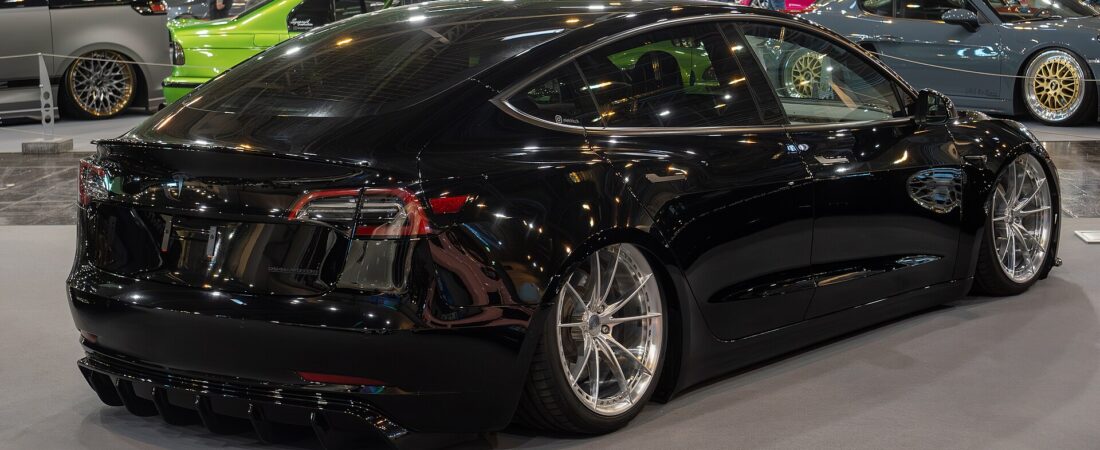

Tesla’s Full Self-Driving (Supervised) system runs on the same underlying software whether the car under you is a compact sedan, a family crossover, or a full-size electric pickup — but the experience, the practicality, and the value proposition shift meaningfully depending on which body style you choose. If you are weighing a 2026 Model 3, a Model Y, or a Cybertruck and FSD is a serious part of your decision, this guide breaks down the differences that actually matter. Before anything else: FSD (Supervised) is a Level 2 driver-assistance system — you must keep your hands on the wheel and your eyes on the road at all times, and you remain legally responsible for the vehicle’s actions.
Disclosure: This post contains a referral link. If you order a Tesla using it, the author may receive referral benefits at no extra cost to you.
Tesla Referral Offer
Get One Month of Full Self-Driving Free
Order a new Tesla through this referral link and get one month of FSD (Supervised) at no cost. Referral code: willy327274
Claim Free FSD Month →New orders only · Terms apply · Offer availability varies by region
What Tesla FSD (Supervised) Is — and What It Is Not
Tesla markets Full Self-Driving (Supervised) as an advanced driver-assistance package that handles steering, acceleration, and braking on city streets and highways. It can navigate on-ramp to off-ramp, respond to traffic lights and stop signs, and change lanes with a driver-initiated request. That is genuinely capable technology by 2026 standards. But the name is frequently misunderstood, so this needs to be said plainly: FSD (Supervised) does not make your Tesla a self-driving car. It is a Level 2 system under the SAE autonomy scale — the same level classification as a lane-keeping system paired with adaptive cruise control, just significantly more capable in scope.

What Level 2 means in practice: you are required to keep your hands on the steering wheel and your eyes on the road the entire time FSD is active. Tesla uses a torque sensor and a cabin-facing camera to monitor driver attentiveness. If you look away too long or remove your hands, the car will warn you and eventually pull over and unlock the doors. In the United States, NHTSA has scrutinized Tesla’s FSD data extensively, and in Canada every provincial highway traffic act places full legal responsibility for vehicle control on the driver. Neither country treats FSD as hands-free or eyes-off technology — and Tesla itself does not claim otherwise in its current documentation.
How FSD Differs from Autopilot and Traffic-Aware Cruise Control
All 2026 Tesla models include Autopilot — basic lane centering plus Traffic-Aware Cruise Control — at no extra cost. FSD is a paid upgrade that adds city-street navigation, automatic lane changes, auto-parking, and the Summon and Smart Summon features. If you are unsure whether you need FSD or whether standard Autopilot covers your use case, the detailed breakdown at Tesla FSD vs Autopilot vs Traffic-Aware Cruise Control explained for 2026 walks through the feature-by-feature comparison. The short version: for highway driving alone, standard Autopilot covers most of what most drivers want; FSD earns its subscription cost primarily on mixed city and suburban routes where the full navigation stack is engaged.
The Hardware Behind FSD: AI4 on All Current Builds
All three models — Model 3, Model Y, and Cybertruck — currently ship from the factory with Tesla’s AI4 (also referred to as Hardware 4) Full Self-Driving computer. AI4 replaces the older HW3 chip and delivers substantially more raw compute for Tesla’s neural-network-based vision processing. For buyers purchasing new in 2026, AI4 is standard across the lineup, and there is nothing to verify or upgrade at the point of sale.
The hardware caveat applies primarily to the used market. HW3-equipped Teslas — which span a large portion of used inventory, particularly older Model 3 and Model Y units — still run FSD (Supervised), but Tesla has stated publicly that HW3 faces compute limitations for some future FSD feature releases. If you are considering a used Model 3, used Model Y, or an early Cybertruck, confirm the installed FSD computer generation before you finalize any purchase. The vehicle’s software settings screen and Tesla’s account portal both display the hardware version. This is worth five minutes of due diligence that could meaningfully affect long-term FSD capability.
Camera Placement and Sensor Coverage Across the Three Bodies
Tesla uses a pure-vision approach — no radar, no lidar — across all three current models. Each vehicle carries eight cameras covering a 360-degree field of view: three forward-facing units (narrow, main, and wide focal lengths), one rearward camera, and two sets of side-pillar cameras. The camera positions are physically similar across Model 3, Model Y, and Cybertruck, but vehicle dimensions change how those cameras interact with the driving environment around them.
The Model 3’s lower ride height means its forward cameras sit closer to road level, which some owners find produces clean close-range road-marking detection in tight city environments. The Model Y’s slightly higher seating position gives occupants better sightlines, but the cameras themselves see a largely comparable picture to the Model 3. The Cybertruck, being both taller and significantly wider than either car, presents a more demanding task for the rear and side cameras when navigating parking structures or narrow urban lanes. Camera coverage specifications are the same across all three, but the larger vehicle footprint requires more precision from the system and more attentive driver oversight in confined spaces.
Model 3 and FSD: The Case for the Sedan
The 2026 Model 3 starts at US$36,990 for the Standard RWD before destination charges. Add the roughly US$1,640 destination and order fee and the delivered price is approximately US$38,630. The Premium RWD is priced at US$42,490 and delivers 363 miles of EPA-rated range; the base Standard RWD is rated at 321 miles. The Performance version is US$54,990. In Canada, the Premium RWD opens at C$39,490, the Premium AWD at C$49,990, and the Performance at C$74,990, with roughly C$2,500 in freight and PDI on top of each.
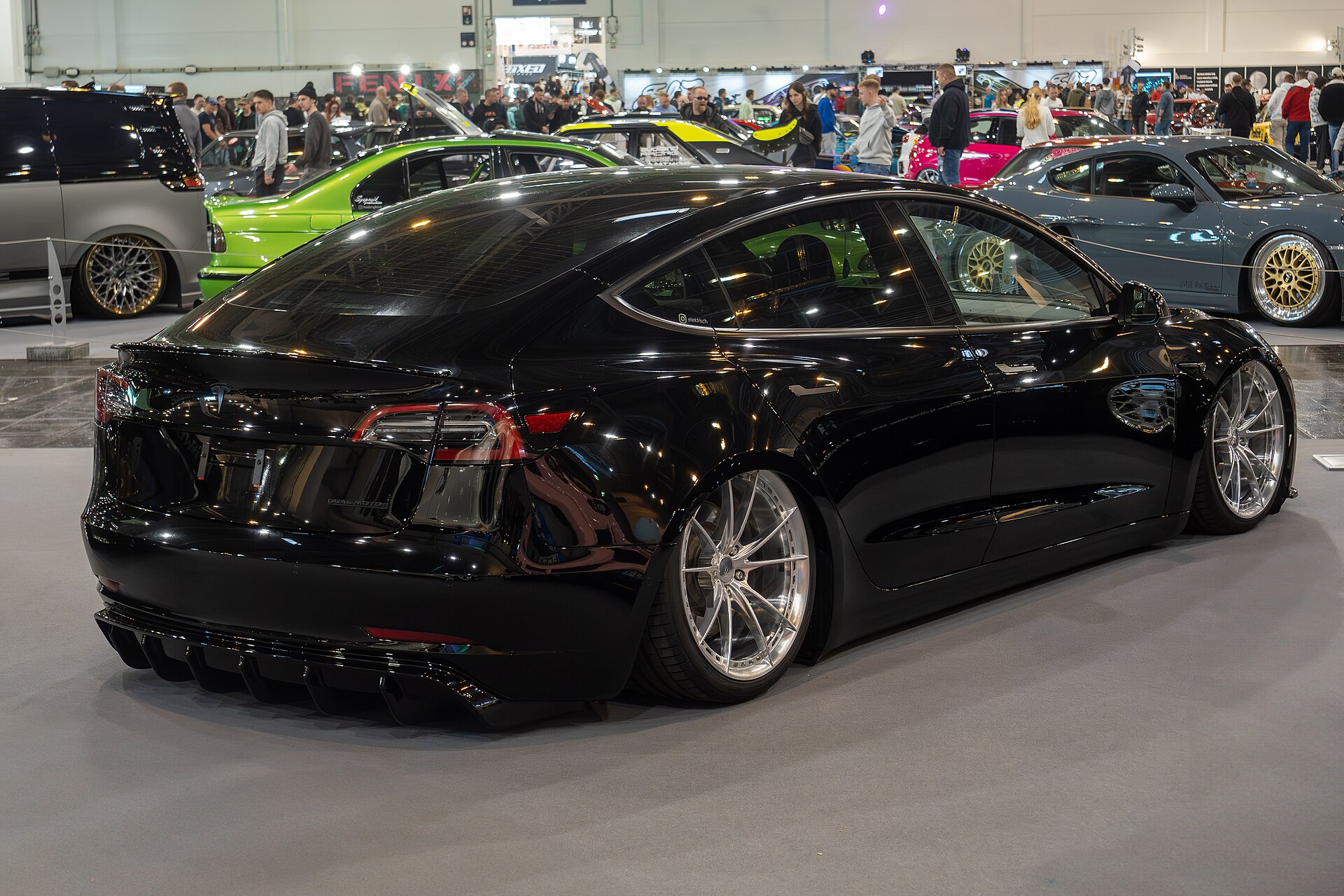
The Model 3 is the entry point into the Tesla lineup, and that lower price ceiling matters when you layer FSD onto your total monthly cost of ownership. At approximately US$99 per month for the FSD subscription, the charge represents a larger share of a Model 3 owner’s payment than it does for a Cybertruck buyer — but the arithmetic cuts the other way, too. For a buyer who is specifically value-conscious about FSD, the Model 3 provides the lowest all-in entry cost and the longest EPA range per dollar in the current Tesla lineup. The 363-mile Premium RWD is a particularly strong road-trip platform, and FSD on extended highway segments is where many owners find the most consistent, lowest-stress use of the system day to day.
Who Gets the Most from FSD in a Model 3
Urban commuters, long-distance travelers, and anyone spending significant daily time on mixed highway-and-city routes tend to extract the most value from FSD in the Model 3. The sedan’s narrower vehicle footprint makes city-street FSD navigation feel less intrusive — lane changes in traffic feel tighter and more precise in a narrower body. For gig economy drivers and delivery workers evaluating the Model 3 as a working vehicle, FSD utility and running costs are closely linked considerations; for a detailed look at that specific use case, see how Tesla FSD (Supervised) works for rideshare and delivery drivers in 2026.
Model Y and FSD: The Crossover That Sells the System
The Model Y is Tesla’s best-selling vehicle globally and the most common platform on which buyers actually use FSD as part of their daily driving. Its 2026 Canada starting price is C$49,990; US pricing has shifted during recent production cycles, so check the current Tesla configurator for exact US figures before budgeting. The Model Y’s combination of cargo space, ground clearance, a higher seating position, and available third-row seating makes it the default Tesla choice for families and for buyers who want more practical room than the Model 3 provides without stepping up to the Cybertruck’s size and price point.
From an FSD perspective, the Model Y and Model 3 share the same AI4 compute platform and the same camera layout philosophy. The behavioral differences between the two are subtle rather than fundamental — the neural network models underlying both are identical, updated over the air on the same cadence. The Model Y’s additional height does not meaningfully change how FSD handles highway navigation, traffic-light response, or automatic lane changes. Where body dimensions start to matter is in tight parking maneuvers and in Auto Lane Change execution on congested urban expressways: the Model 3’s narrower profile provides a small additional margin of comfort in lane-tight situations, but this distinction is minor in everyday use for most drivers.
Family Use Cases and FSD Utility in the Model Y
The Model Y’s larger cabin makes it the more practical FSD platform for families. Longer trips with children in the rear seats — where parents are actively managing backseat logistics — are precisely the scenario where a capable Level 2 system reduces driver fatigue without removing driver responsibility. It is worth repeating clearly: FSD (Supervised) still requires the driver’s full attention at all times regardless of which Tesla model you are in. The system is not a substitute for a rested, engaged driver, but it does meaningfully reduce physical and cognitive workload on extended highway segments. Canadian buyers managing long inter-city drives should also familiarize themselves with their province’s specific requirements: the 2026 Canadian guide to Tesla FSD (Supervised) and provincial highway rules covers what each province actually requires from the driver seat and where the legal lines are drawn.
Cybertruck and FSD: The Pickup Argument
The Cybertruck is Tesla’s most distinctive vehicle and occupies a different market segment from the Model 3 or Model Y entirely. As a full-size electric pickup truck, it attracts buyers with specific use cases — contractors, outdoor enthusiasts, buyers replacing a diesel pickup — and many of those use cases put the driver on routes where FSD’s city-driving capabilities are less frequently relevant than they would be for a suburban commuter. The Cybertruck’s stainless-steel body, air suspension, and substantial towing capacity are the primary reasons people buy it; FSD is a secondary consideration for most Cybertruck buyers.
That said, Cybertruck owners who commute daily to urban or suburban workplaces find that FSD handles stop-and-go traffic and highway navigation identically to the Model 3 and Model Y, because the software stack is the same across all three. The meaningful Cybertruck-specific FSD considerations are physical: the vehicle is wider and taller than either car, which affects how comfortable drivers feel relying on FSD in tight urban situations. Multi-story parking garages with standard clearance heights require care, and lane widths on older city streets that cause no concern in a Model 3 may require more driver intervention in the Cybertruck. Auto Lane Change on wide suburban highways, conversely, can feel particularly smooth in the Cybertruck — the vehicle’s size tends to discourage nearby traffic from cutting aggressively into its lane.
Cybertruck FSD Pricing Context
The Cybertruck occupies Tesla’s higher price tiers, which shifts the FSD cost-benefit calculation significantly. Buyers spending more on the base vehicle tend to find the approximately US$99 per month subscription a smaller proportional cost relative to their overall payment. The outright purchase price for FSD has historically been around US$8,000, but Tesla has changed how it offers outright FSD purchases multiple times over the years — treat that figure as a historical reference point, not a confirmed current price. The subscription is the consistently available option in 2026; confirm any outright-purchase availability directly in the Tesla app or vehicle configurator at the time of your order. For a clear analysis of when the subscription versus a lump-sum purchase makes financial sense over a typical ownership period, the break-even analysis for the $99/month FSD subscription vs. outright purchase breaks down the maths in detail.
FSD Across All Three Models: Side-by-Side Comparison
The table below summarizes the FSD-relevant attributes for each of the three models, based on verified 2026 information. Where pricing is not confirmed in the verified fact set, the table directs you to check the configurator, as Tesla adjusts prices more frequently than most automakers.
| Attribute | Model 3 (2026) | Model Y (2026) | Cybertruck (2026) |
|---|---|---|---|
| FSD Computer | AI4 / HW4 | AI4 / HW4 | AI4 / HW4 |
| Camera Count | 8 cameras, 360° | 8 cameras, 360° | 8 cameras, 360° |
| FSD Software | Same as Model Y and Cybertruck | Same as Model 3 and Cybertruck | Same as Model 3 and Model Y |
| SAE Autonomy Level | Level 2 — driver responsible at all times | Level 2 — driver responsible at all times | Level 2 — driver responsible at all times |
| US Entry MSRP (before dest.) | US$36,990 (Standard RWD) | Check Tesla configurator | Check Tesla configurator |
| Canada Entry Price (approx.) | C$39,490 + ~C$2,500 freight/PDI | C$49,990 + fees | Check Tesla configurator |
| FSD Subscription (US) | ~US$99/month | ~US$99/month | ~US$99/month |
| Vehicle Body Width | Narrow sedan | Mid-size crossover | Full-size pickup — wide |
| Tight-Urban FSD Comfort | High | High to Medium | Medium to Low |
| Highway FSD Comfort | High | High | High |
| Primary FSD Strength | City commute and long-distance | Mixed family and suburban routes | Highway and open suburban roads |
| EPA Range (base trim) | 321 mi (Standard RWD) | Check configurator | Check configurator |
FSD Pricing, the Subscription, and the Referral Free Month
In the United States in 2026, Tesla offers FSD (Supervised) primarily as a monthly subscription at approximately US$99. This is the standard access method for buyers who want to try FSD without committing upfront. Tesla has historically offered an outright FSD purchase — most recently at a price of around US$8,000 — but availability of that option has changed multiple times. Treat US$8,000 as a historical data point, not a confirmed current option; verify the outright-purchase status in the Tesla app or configurator at the time you place your order, as this can vary by region and change without notice.
Canadian pricing for the FSD subscription tracks the US price in Canadian dollar terms, but verify in the Canadian configurator since currency-adjusted pricing is not always a direct conversion. Canadian buyers should also keep in mind that FSD (Supervised) is sold as a driver-assistance product subject to all provincial motor vehicle laws. Using FSD in Ontario, British Columbia, Quebec, or any other province does not alter your legal obligations as the driver — you remain fully responsible for the vehicle at all times.
The Referral Free Month: What It Actually Gives You
Tesla’s current referral program includes one free month of FSD (Supervised) for new buyers who place their order using a qualifying referral link. If you use referral code willy327274 when ordering your new Tesla, you will receive that free month automatically applied to your new order. The referral benefit does not change the vehicle’s purchase price — it is a one-month FSD subscription credit applied after delivery. Terms vary by region and are set by Tesla, so confirm the current referral terms in the Tesla app before you place your order.
This free trial month has genuine evaluation value that goes beyond a marketing gesture. FSD performance varies significantly by geography: a buyer in suburban Phoenix driving wide, well-marked arterials will have a meaningfully different experience than a buyer in Montreal navigating narrow streets, construction zones, and winter precipitation. Using that free month to drive your actual commute — not just one clean highway segment — gives you real data on whether the system earns its subscription fee in your specific environment and with your specific daily route mix. If FSD saves you meaningful fatigue on a sixty-minute commute five days a week, the US$99 monthly math looks very different than it does for someone who drives mostly short local errands.
Incentives in the US and Canada in 2026
US buyers should note that the federal Clean Vehicle Credit (IRS Section 30D, up to US$7,500) is not available for vehicles acquired after September 30, 2025. That means in 2026 there is no federal EV purchase credit to stack with Tesla’s referral free month or any other Tesla promotion. Some state-level incentives remain available depending on your location — check your state’s energy office and the IRS directly for currently active programs, as state incentives change independently of federal policy.
Canadian buyers face a different incentive landscape. The federal iZEV program has ended. The Electric Vehicle Affordability Program (EVAP) — offering up to C$5,000 — applies to transactions on or after February 16, 2026, subject to a final transaction value cap of C$50,000. That cap does not apply to vehicles manufactured in Canada. Whether any specific Tesla model and trim qualifies for EVAP is model-specific and production-origin-specific, and Transport Canada’s eligible-vehicle list changes. Do not assume eligibility based on past lists or general online reports; check Transport Canada’s current EVAP eligible-vehicle page before you purchase. The Model 3 Premium RWD at C$39,490 (before freight and PDI) could potentially fall within the C$50,000 final transaction cap, but it is the delivered transaction value — including options, freight, and PDI — that determines eligibility, not the base MSRP alone.
Who Should Buy Which Tesla for FSD: A Practical Framework
If FSD utility is your primary organizing lens, the choice between these three vehicles comes down to your driving environment, your budget, and what the vehicle needs to do beyond running driver assistance software. The bodies are different; the software is the same.
Choose the Model 3 if your routes are predominantly urban or mixed highway-urban, if keeping the total purchase price down matters, and if cargo capacity and towing are not priorities. The sedan’s lower footprint makes it the most comfortable of the three in tight city-street FSD situations, and the Premium RWD’s 363-mile EPA range makes it a compelling long-distance platform in its price class. For buyers thinking about whether the Model 3 makes economic sense as a vehicle for driving-intensive work, the analysis at choosing the right EV, hybrid, or gas car for delivery and driving work in 2026 gives useful context on total cost of ownership across vehicle types.
Choose the Model Y if you need the crossover’s additional cargo room, regularly carry passengers in the rear seats, or want a larger Tesla footprint without the Cybertruck’s size and price premium. FSD performance in the Model Y is essentially identical to the Model 3 on shared road types, and the Model Y’s market dominance means Tesla’s fleet training data for the Model Y platform is the most extensive in the lineup. It is the safest middle-ground choice for a buyer who wants FSD to be a genuinely daily-use feature across a wide variety of routes and conditions.
Choose the Cybertruck if your primary use case requires pickup-truck capability — towing, bed payload, serious off-road ground clearance — and you want FSD as a secondary benefit rather than the organizing reason for the purchase. FSD works well in the Cybertruck on highways and open suburban arterials; it requires more attentive driver oversight in tight urban environments simply because the vehicle is physically larger. If the Cybertruck is the right truck for your work and lifestyle needs, adding FSD is a worthwhile option. If you are buying a Cybertruck primarily to access FSD, you are paying a large price premium for a capability that the Model 3 or Model Y delivers just as effectively at substantially lower cost.
Using the Referral Free Month to Validate Your Choice Before Committing
Regardless of which model you are leaning toward, the free month of FSD (Supervised) available through Tesla’s referral program is a no-cost way to validate your choice before committing to an ongoing monthly subscription. When you place a new order using the Tesla referral link with code willy327274, that free month activates on delivery and gives you thirty days to test FSD on your actual routes in your actual vehicle. Drive your commute, your grocery run, your highway segments. Check whether the system handles the specific intersections and road conditions you encounter every week. The subscription at approximately US$99 per month is a meaningful ongoing cost, and that free trial month is the most direct way to evaluate whether it delivers enough practical value in your use case to justify continued payment.
Try It Yourself
Ready to Try Full Self-Driving?
See what FSD (Supervised) actually feels like on your own commute. New Tesla orders through this referral get one free month of FSD.
Claim Your Free Month →New orders only · Terms apply · Offer availability varies by region
Through all of that evaluation, the one constant across the Model 3, the Model Y, and the Cybertruck remains unchanged: FSD (Supervised) is a Level 2 driver-assistance system in every Tesla model in every market. Your hands stay on the wheel, your eyes stay on the road, and the legal responsibility for the vehicle never transfers from you to the software — regardless of which body is around you, which route you are on, or which country you are driving in. That is the foundation on which every FSD buying decision should be built.
Driver Opportunity
Ready to Start?
Turn This Guide Into Real Income. Join as a new driver and get up to a $2,575 guaranteed bonus after completing your first 200 deliveries in select US cities.
Sign Up & Start Delivering →New drivers only · Terms apply · Available in select cities