
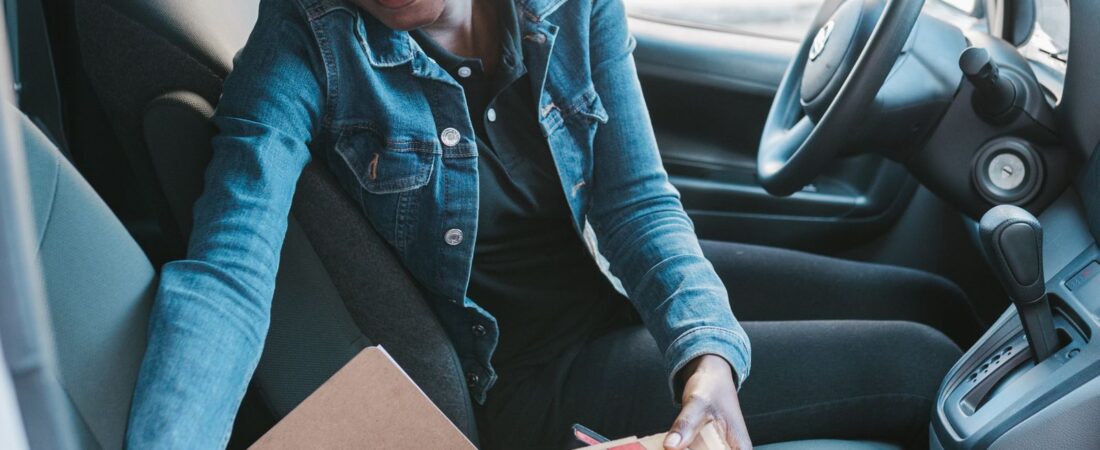

Every Saturday from May through October, millions of couples across the country are trying to get their wedding cake to the venue in one piece. They need their flowers fresh before the ceremony starts. They need catering trays at the right temperature, their rentals set up hours in advance, and their last-minute supplies handled without drama. The US wedding industry is worth $70.3 billion in 2026, with an estimated 2.1 million weddings expected to take place this year. Every single one of those events involves multiple time-sensitive deliveries — and somebody has to make them.
If you’re already behind the wheel for DoorDash, Uber Eats, Spark, Instacart, or Amazon Flex, wedding season is one of the cleanest side-income opportunities you’re probably not tapping. Cake delivery drivers are listed at $16–$43/hr on ZipRecruiter as of July 2026. Catering delivery roles average $14–$28/hr. And unlike a typical delivery-app order where you’re racing to hit a 30-minute window for a $3 tip, wedding vendors pay in advance, tip generously, and book you again if you do the job right.
Peak US wedding season runs August through October. That means right now — this month — is one of the most active windows for vendor deliveries, last-minute scrambles, and vendor relationships to build. Here’s how to position yourself to get paid before the season ends.
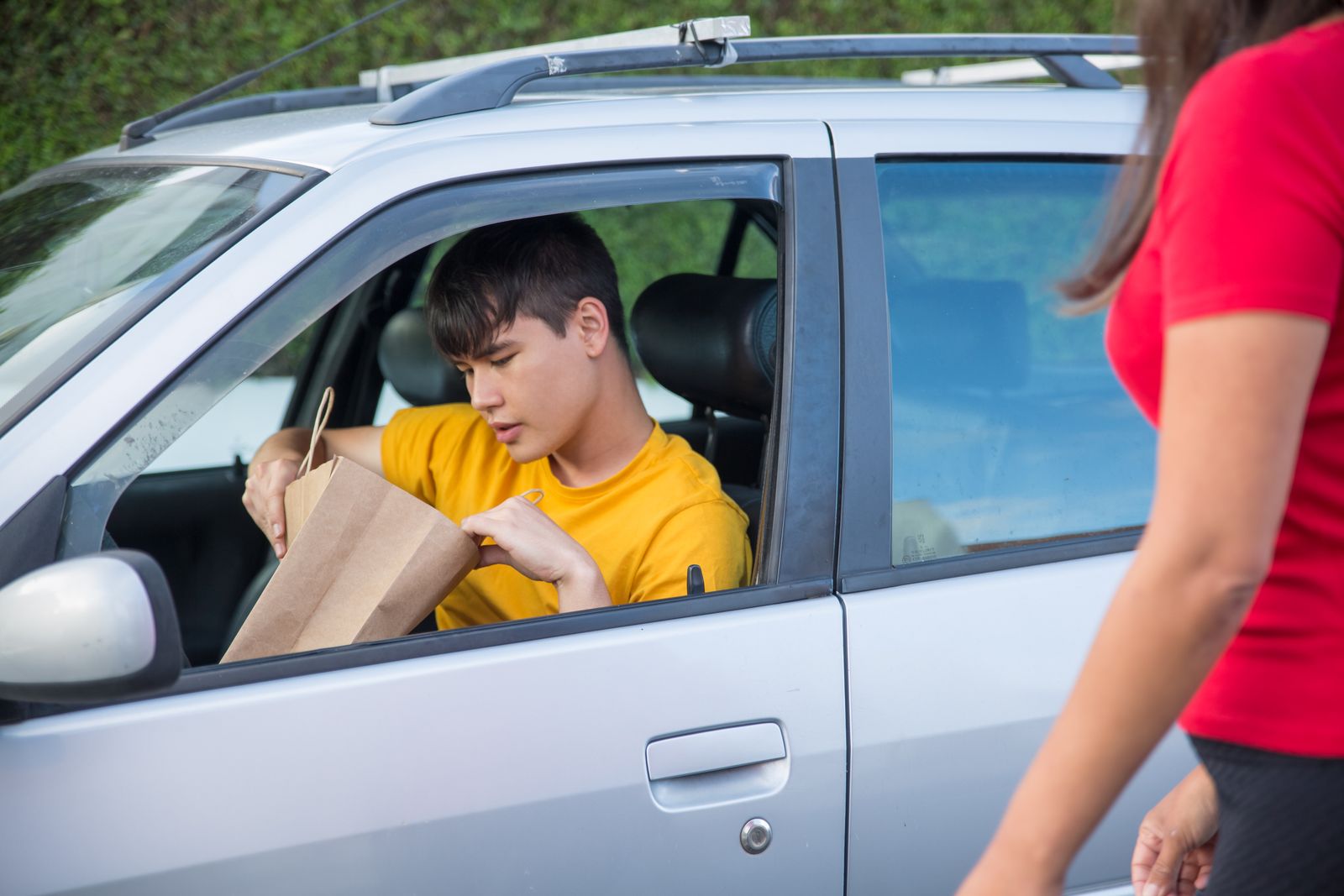
Why Wedding Season Is One of the Best Gig Opportunities Left in 2026
The regular food delivery grind has gotten harder to justify. According to Gridwise’s 2026 Annual Gig Mobility Report, the average tip per delivery trip slipped to $4.16 in Q4 2025 — near an all-time low. Platforms have squeezed base pay while their own fees to customers jumped over 33%, but driver gross pay per trip grew just 3.6%. A lot of drivers are working more hours and taking home less.
Wedding deliveries flip that dynamic. When someone is spending an average of $35,000 on their wedding day — and $7,000 of that just on catering — a generous tip on a cake delivery isn’t a stretch. The emotional stakes are high, and vendors who rely on outside drivers know that reliable help is worth paying for. The people booking you aren’t anonymous customers swiping through an app; they’re business owners whose reputation depends on your performance.
The other big advantage is predictability. Wedding vendors — bakeries, florists, caterers, rental companies — know their schedule weeks out. They can book you on a Tuesday for the next three Saturdays. That means you can plan your weekends instead of sitting in a parking lot hoping orders pop. For a lot of drivers, that stability alone is worth pursuing this market.
Here’s a number that puts the opportunity in context: couples hire an average of 10.5 vendors per wedding. That’s 10.5 local businesses in your area that potentially need delivery help — every single weekend through October. The market is fragmented and hyper-local, which works in your favor. You don’t need to compete on a national platform. You just need to be the most reliable driver the florist three blocks away has ever worked with.
What Types of Wedding Deliveries Pay Best
Not all wedding delivery work is equal. Here’s a breakdown by category so you know where to put your energy:
Wedding Cake Delivery
This is the highest-stakes delivery in the wedding world, and vendors price it accordingly. Bakeries typically contract directly with drivers or post on job boards, and rates ranged $16–$43/hr on ZipRecruiter as of July 2026 — well above what most food delivery apps are paying right now. Many bakeries charge the client a separate delivery fee ($50–$200 depending on distance and complexity) and pass a cut to the driver on top of an hourly rate. Tips are common and often generous, because the couple’s family just watched you carry a four-tier fondant cake up a gravel path without flinching. Bakeries that trust you once will call you every Saturday for the rest of the season.
Floral Delivery to Wedding Venues
Florists need their arrangements at venues hours before ceremonies — often before 10 AM on Saturdays. That means early starts (6–7 AM pickups in many markets), but your afternoon is free and you’ve already pocketed $80–$150 before most drivers have left their driveway. You’re doing fewer stops with larger, more valuable loads rather than a dozen small restaurant pickups. For everything you need to know about keeping arrangements upright and fresh in transit, the site’s complete flower delivery handling guide covers vase stability, temperature management, and handoff best practices before your first floral run.
Catering and Food Delivery to Reception Venues
Catering companies delivering to wedding venues need reliable drivers with larger vehicles or sufficient cargo space. Per ZipRecruiter data from June 2026, catering delivery roles average $18.97/hr nationally. These loads aren’t as fragile as cakes, but they’re heavy — chafing dishes, hotel pans, beverage setups, and serving equipment. Catering runs often involve multi-stop routes: commercial kitchen to venue, sometimes venue to storage or rental return after the event. If you have a cargo van, this is where to focus first.
Wedding Decor and Rental Items
Tables, chairs, linens, lighting rigs, photo booth hardware, arbors — rental companies serving weddings need drivers with trucks or vans every weekend from spring through fall. This work overlaps directly with large item delivery platforms like Dolly and GoShare. If you have the right vehicle, signing up now puts you in front of rental companies actively looking for weekend drivers through October.
Platforms and Apps That Connect You to Wedding Work
Your existing gig apps can get you into wedding-adjacent deliveries — you just need to know how to use them strategically:
DoorDash and Uber Eats: Bakeries and some catering operations use these platforms for same-day orders. You won’t see anything labeled "wedding cake," but dashing Saturday mornings from 6–11 AM in neighborhoods with a high density of bakeries puts you in position to naturally pick up wedding-related orders. Pair this with a solid multi-apping strategy to fill gaps between any pre-scheduled vendor pickups you land.
Spark (Walmart GoLocal): Spark drivers occasionally pick up large supply orders for DIY wedding receptions — guests stocking beverage stations, dessert tables, and last-minute needs from Walmart. Not a primary wedding source, but a useful way to fill dead time on weekend mornings.
Shipt and Instacart: These platforms see elevated weekend orders from wedding planners and hosts buying supplies in bulk. The 2026 Shipt shopper guide covers how to maximize large batch orders, which applies directly to event supply runs where order size and tip potential are both higher.
Dolly and GoShare: Purpose-built for large and specialty deliveries. If you have a pickup truck or cargo van, these platforms connect you directly with event rental companies that serve weddings every weekend. Sign up, list your weekend availability, and you’ll start seeing relevant job posts almost immediately in most major markets.
Direct vendor contracts: This is where the highest and most consistent pay lives. The next section covers exactly how to get there.
How to Land Direct Contracts with Wedding Vendors
The best wedding-season income doesn’t flow through an app. It comes from a text at 7:30 AM on a Saturday from a bakery owner who already knows you’ll be on time. Wedding vendors who’ve been burned by no-shows, drivers who mishandled fragile items, or app workers who left a cake in direct sun at the pickup curb will pay a serious premium for someone who shows up, communicates, and handles product like it matters.
Walk in during the week. The worst time to pitch a bakery or florist is Friday afternoon or Saturday. Go on Tuesday or Wednesday, after the weekend is behind them and before the next one is pressing. Ask for the owner or manager, keep it brief, and lead with competence: "I’m a local driver with a clean vehicle and experience handling fragile deliveries. Do you ever bring in outside help for Saturday runs?" Most vendors hear this pitch once a year, if that.
Bring a simple one-pager. A printed card or sheet with your name, phone number, vehicle type and year, weekend availability, and one line of relevant experience. A photo of your clean cargo area helps. Coming prepared signals that you’re operating as a contractor — not someone looking for odd jobs between shifts.
Start with florists. Florists are typically the most receptive to independent driver relationships. Their product is fragile, their delivery windows are tight, and they often don’t have dedicated delivery staff. In most US markets, a florist delivering to three venues on a Saturday morning pays $100–$200 total in driver fees plus tips — a solid two-hour window before the rest of your day starts.
Join local wedding vendor groups on Facebook. Search "[your city] wedding vendors" or "[your city] event professionals." These private groups are where planners, florists, and caterers ask for last-minute referrals and vent about unreliable vendors. A brief intro post saying you’re a reliable driver available for weekend deliveries can generate real leads within 48 hours. Be specific about your vehicle type — vendors want to know if you can fit a 60-inch centerpiece arrangement or a full rack of chafing dishes.
Price yourself clearly from day one. Don’t make vendors guess or negotiate your worth out of you. A reasonable starting rate for direct contracts: $1.25–$1.75 per mile (portal to portal), or flat rates of $50–$120 per venue drop depending on distance and order complexity. Quote before you accept, invoice after delivery, and raise rates after your first successful run. Vendors who trust you don’t negotiate on price — they negotiate on availability.

Peak Wedding Weekends Left in 2026 — Why You Need to Move Now
If you’re reading this in August, you’re at the front edge of the two busiest wedding months of the year. September and October together represent roughly 32% of all annual US weddings — nearly a third of the entire country’s wedding activity crammed into eight weeks. October alone accounts for about 16% of weddings, the same share as June, which is historically considered the top wedding month.
In most US markets, the highest-volume weekends are:
- Every Saturday in September — the first and last weekends of the month tend to be the most booked
- The first two weekends of October, before weather unpredictability creeps in across northern markets
- Columbus Day weekend — historically one of the most popular destination wedding windows of the year
Start reaching out to bakeries, florists, and caterers in your area right now, before the September rush hits. Vendors who plan ahead will have their go-to drivers confirmed by Labor Day. If you wait until mid-September, you’ll be competing for scraps from vendors whose first-choice driver wasn’t available.
Once the wedding season winds down in November, the pivot is to Q4 delivery volume. The holiday peak season guide covers exactly how to shift from event-based fall work into the delivery surge that runs through December and the package return wave in January.
What to Know Before You Touch a Wedding Cake or Floral Arrangement
Wedding deliveries are not DoorDash deliveries. The stakes are higher, the clients are under real pressure, and one mistake with a three-tier cake can end your relationship with a vendor for good. Here’s what experienced wedding delivery drivers know before their first run:
Your vehicle is your first impression. A clean, climate-controlled car or van is non-negotiable for cakes and flowers. Cakes need a flat, stable surface — a sloped backseat or uneven cargo floor is a disaster waiting to happen. Pick up a non-slip cargo mat before your first pickup. In hot markets like Phoenix, Houston, or Miami, interior temperature management is part of the job. Buttercream frosting doesn’t recover from a hot car, and neither does a wilted centerpiece arrangement.
Confirm every detail before you leave the pickup. Know the venue address, the on-site contact’s name and cell number, and the exact time the delivery needs to arrive. Get the vendor’s number too, so you can reach both ends of the chain if something changes in transit. Assumptions create problems on wedding days.
Photograph every handoff. Before you pick up, photograph the item’s condition. Before you hand it off at the venue, photograph it in place. This protects you legally and reputationally if the client later claims something arrived damaged. Professional drivers do this automatically — it signals to vendors that you’ve done this before.
Drive like the cargo matters — because it does. On a standard delivery, speed helps your rating. On a wedding cake, speed is your enemy. Take corners slowly. Brake well ahead of stops. Leave twice the following distance you normally would. A 30-second delay is nothing. A toppled tier is unfixable on a Saturday morning, and that story will spread through local vendor networks fast.
Communicate before problems become crises. Running five minutes late? Text the vendor the moment you know — not when you arrive. Wedding timelines are tight and interdependent. A heads-up is worth ten minutes of scrambling on their end, and it’s the single biggest factor separating drivers vendors call back from drivers they quietly stop contacting.
The Tax Math on Wedding Delivery Side Income
Any income you earn from wedding delivery work — through a platform or direct vendor contracts — is self-employment income. You owe self-employment tax on it, but you also get to deduct every business mile you drive. At the 2026 IRS mileage rate of $0.76 per mile (effective July 1, 2026, up from the prior rate), a 40-mile round-trip cake delivery deducts $30.40 directly from your taxable income. Run that every Saturday through October and you’ve knocked over $360 off your tax bill from mileage alone — before any other deductions. The full breakdown of how this layers with your gig earnings is in the 2026 IRS mileage rate guide.
Also deductible for wedding delivery work: non-slip cargo mats, insulated carriers, your prorated cell phone bill, and any mileage tracking app subscription. If you’re running direct vendor contracts across multiple clients, you’re now a self-employed contractor with multiple income streams — which makes organized tracking essential and opens up additional deductions. Gridwise, Stride, or even a basic spreadsheet will do the job. The point is to track from day one, not scramble at tax time.
The real earnings picture from wedding delivery work — base rate, tips, and tax deduction value combined — consistently outperforms what most drivers are netting per hour on standard food delivery apps right now. The work takes more effort to set up than logging into DoorDash, but once you have two or three regular vendor relationships locked in for the fall, you’ve built income that doesn’t depend on an algorithm deciding whether to show you orders.
Ready to Earn More as a Delivery Driver?
Sign up for Uber Eats today and earn a $2,575 guaranteed bonus after completing your first 200 deliveries in select US cities.