


September is slipping away and the first hard freeze of 2026-27 is already locked in for most of the northern US. The NOAA outlook for this winter shows above-normal cold probability across the Great Lakes, Upper Midwest, and New England. For DoorDash, Uber Eats, Spark, and Amazon Flex drivers, that means one thing: your car is your paycheck, and a car that will not start at 6 a.m. in Minneapolis or Cleveland is money you will never get back.
This guide covers everything you need to do before temperatures drop — not as a vague to-do list, but as a dollar-and-cents roadmap with a timing calendar built for gig drivers. Handle these items before the first hard freeze and you will pay significantly less and wait far less time at the shop than drivers who scramble in November. The window is right now — and it is closing faster than you think.
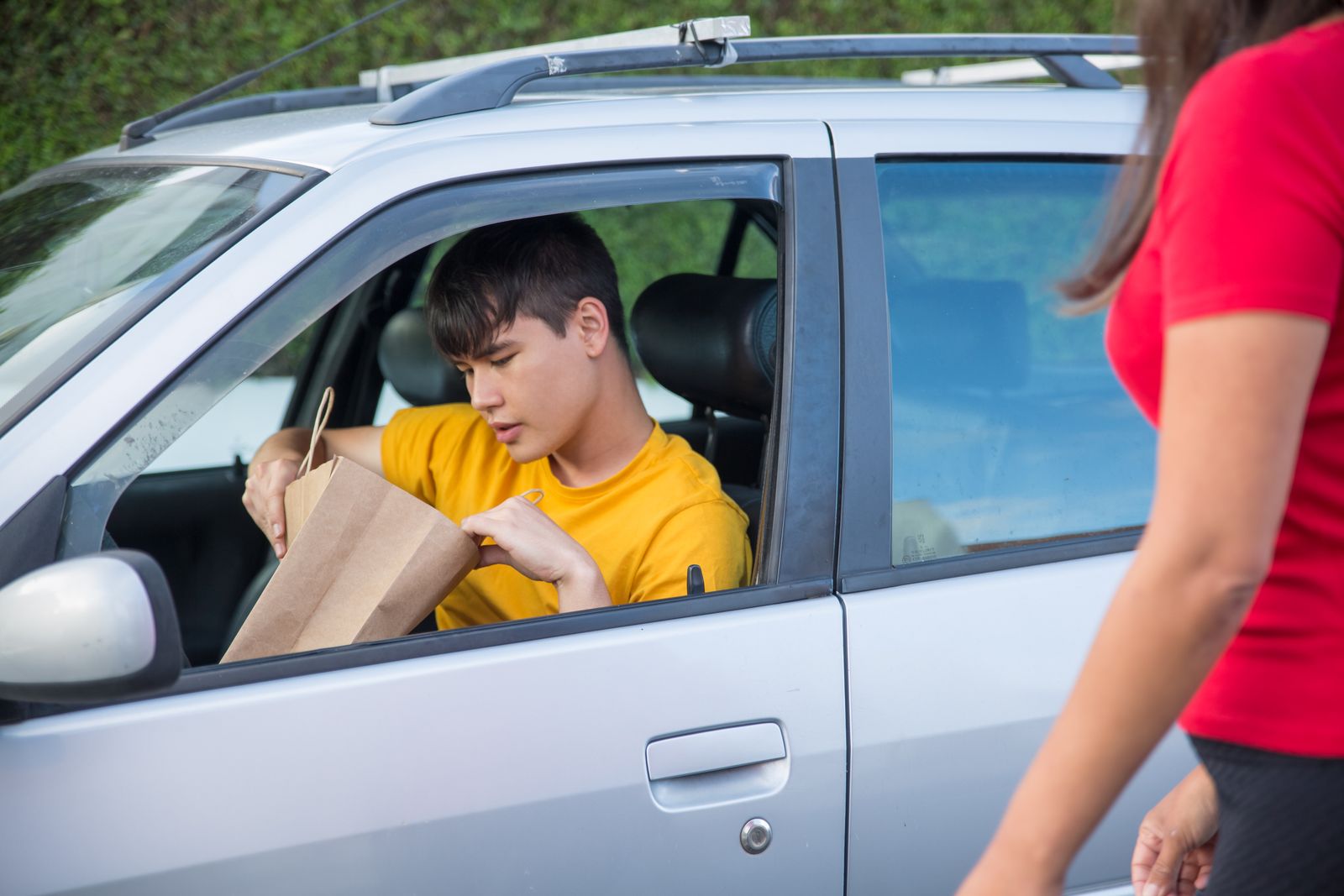
Why October Is the Cheapest Window to Winterize Your Delivery Car
This is not a soft suggestion — it is straight-up supply and demand. Every auto shop in a cold-weather market sees a surge of last-minute winterization jobs the week after the first hard freeze. Techs get backlogged, appointment wait times stretch to 5-7 days, and some shops quietly build extra labor time into their tickets. A battery that costs $160 installed in October can run $200 or more in late November when your local shop is slammed and parts suppliers are back-ordered on popular group sizes.
Beyond price, there is the risk math. Cold weather cuts a car battery’s available cranking power by up to 60% at 0°F. A battery that tests at “weak” in October will almost certainly fail to start your car on a 10°F morning in January — right in the middle of a $22-per-hour Spark grocery rush or a DoorDash holiday bonus window. Tire shops in popular winter-tire sizes (215/60R16, 225/65R17) run out of stock by mid-October in markets like Denver, Milwaukee, and Pittsburgh. Order or swap early.
The shop slowdown in late September and early October is real. Use it. You will get faster appointments, more attentive service, and better prices on tires and batteries that shops are still trying to move before they stock their winter inventory. This is also the point on the calendar when you have the most lead time to comparison-shop parts prices and book the appointment at your preferred shop rather than whoever can take you on short notice.
The Complete 2026-27 Pre-Freeze Checklist
1. Battery Load Test and Replacement
This is the single most important item on the list. Cold cranking amps (CCA) — the rating of how much power your battery delivers at 0°F — determine whether your car starts on the coldest delivery mornings. AutoZone, O’Reilly Auto Parts, and Advance Auto Parts all load-test batteries for free, no appointment needed. If your battery tests below 75% of its rated CCA, replace it before winter. Do not let a tech talk you into “waiting to see how it does” — you are not driving a daily commuter, you are running a vehicle 200-plus miles a day and cannot afford a no-start situation.
Most batteries last 3-5 years, but gig drivers who run accessories heavily — phone chargers, dash cams, heated seats, inverters — often see that lifespan at the shorter end. If your battery is 3 or more years old and you are driving hard daily mileage, replace it proactively. Standard replacement batteries run $120-$200 installed; AGM (Absorbent Glass Mat) batteries for newer vehicles with start-stop systems run $200-$350 installed. In northern states — Minnesota, Wisconsin, Michigan, Montana, upstate New York — look for a battery rated at 750 CCA or higher. Our full breakdown of signs, costs, and model-specific recommendations is at Car Battery Guide for Delivery Drivers 2026.
2. Coolant and Antifreeze Check and Flush
Coolant does two jobs: it keeps your engine from overheating in summer and from freezing in winter. Over time it degrades and loses its freeze-point protection. Most vehicles need a coolant flush every 2-3 years or 30,000-50,000 miles — and delivery drivers hit mileage thresholds fast. A driver doing 200 miles a day accumulates 50,000 miles in roughly 8-9 months of full-time delivering.
Coolant test strips (about $5 at any parts store) tell you the current freeze-point protection of your coolant in about 30 seconds. You want protection to at least -34°F; if you operate in the Upper Midwest or northern Rockies, aim for -50°F. A professional coolant flush and refill costs $100-$150 at most shops. If your coolant tests fine, topping it off is a few dollars. One critical rule: do not mix orange (HOAT) and green (IAT) coolants — always check your owner’s manual for the correct type for your vehicle. For more on protecting your cooling system, see Coolant and Overheating Prevention for Delivery Drivers 2026.
3. Winter Wiper Blades and -20°F Washer Fluid
Standard wiper blades ice up and smear in freezing conditions. Winter-specific blades have a rubber boot that keeps the frame from collecting ice and snow, and a more aggressive rubber compound that stays pliable in the cold. A set of winter wipers runs $25-$50 depending on your vehicle. Install them when nighttime temps are consistently below 40°F — swap too early and you wear them out on dry fall roads; too late and you are fighting a snowstorm on streaky blades.
Equally important: drain your current washer fluid and replace it with fluid rated to at least -20°F (about $6-$8 a gallon). Standard summer washer fluid freezes solid in your reservoir and on your windshield the moment it contacts cold glass — an instant visibility hazard at highway speed. In Minnesota, Wisconsin, or northern Michigan, go with -32°F or -40°F fluid. Road salt spray on delivery routes is relentless and you will burn through a gallon fast, so keep a spare jug in your trunk. Full guidance at Windshield Wipers and Visibility Guide for Delivery Drivers 2026.
4. Tires: Pressure, Tread Depth, and When to Mount Winter Tires
Tire pressure drops roughly 1 PSI for every 10°F drop in ambient temperature. A tire at 35 PSI on a 70°F October day can be down to 29-30 PSI on a 10°F January morning — technically under-inflated, which increases rolling resistance, hurts fuel economy by 1-3%, and accelerates uneven wear. Check tire pressure every week in winter and every time there is a large temperature swing. Keep a quality digital gauge in your glovebox.
Tread depth matters even more in winter. The legal minimum is 2/32″, but 4/32″ is the practical safe minimum for wet roads and 6/32″ for snow. Use the quarter test: insert a quarter upside down into a tread groove — if you can see all of Washington’s head, you are at or below 4/32″ and should be shopping tires immediately. If you operate in a market that sees regular snow and ice (Minneapolis, Denver, Cleveland, Pittsburgh, Portland OR, Boise), dedicated winter tires are worth the investment. A set of four winter tires mounted on steel rims runs $500-$900, but on snowy nights they mean you keep earning when all-season drivers are sliding off roads and canceling orders. See Winter Tires for Delivery Drivers 2026 for the economics of a second set of rims versus annual seasonal swaps.
5. Brake Inspection
Wet and icy roads demand maximum stopping performance. If your brake pads are at 3mm of material or less, get them replaced before winter. Brake pad replacement runs $150-$300 per axle at most shops. Listen for squealing (wear indicator touching the rotor — a warning sign) or grinding (metal on metal — replace immediately). Brakes that are “okay for now” in October can become a liability on a December black-ice situation in Columbus or Cincinnati. Rotors that are warped or below minimum thickness should be replaced at the same time; turning rotors saves money in the short term but leaves you with thinner material heading into the hardest driving months of the year.
6. Heater, Defroster, and Cabin Air Filter
If your heater is blowing lukewarm air or your front defroster takes 20 minutes to clear the windshield, get it diagnosed now while shops have availability. Common culprits are a stuck thermostat ($20-$80 part plus labor), low coolant, a failing blend door actuator, or a partially clogged heater core. A heater core flush costs $100-$150; full replacement is a larger job ($500-$900 on most vehicles). Better to know now than at 5 a.m. in a January blizzard when every shop has a five-day backlog.
Cabin air filters are the overlooked item on almost every winterization list. A clogged cabin filter reduces airflow to your defroster and heating vents — meaning foggy windows, slower defrost times, and reduced heat output inside the cabin. Replacing a cabin filter is a $15-$25 DIY job on most vehicles (typically behind the glove box), takes 10 minutes, and makes a noticeable difference in defroster performance. Do this one yourself before you pay a shop to include it in a service visit.
7. Block Heater (Essential in Northern States)
If you are delivering in Minnesota, North Dakota, Montana, Wisconsin, or Michigan’s Upper Peninsula, a block heater is not optional — it is how you start your car at -20°F without thrashing the engine, battery, and starter motor. Most gasoline-powered vehicles do not come with a factory block heater, but an aftermarket unit installs for $50-$150 plus labor. Plug it in using an outdoor-rated timer set to activate 2-3 hours before your first shift. It dramatically reduces cold-start engine wear, extends battery life over winter, and gets your cabin warming up faster — which matters when you are 8 hours into a delivery shift and stepping out into 15°F temperatures between every stop.
Complete Cost Breakdown: $150 to $600
Here is a realistic line-item cost table for a typical gig driver getting most work done at a shop, with DIY options noted where applicable:
- Battery load test: Free at AutoZone, O’Reilly, Advance Auto
- Battery replacement — standard lead-acid: $120–$200 installed
- Battery replacement — AGM (start-stop vehicles): $200–$350 installed
- Coolant flush and refill: $100–$150 at shop | DIY: $20–$35
- Winter wiper blades (pair): $25–$50
- -20°F washer fluid (gallon): $6–$10
- Tire pressure check: Free at most shops and gas stations
- Tire rotation: $20–$50 | Free with many tire store accounts
- Brake inspection: Free–$30 | Pad replacement: $150–$300 per axle
- Cabin air filter (DIY): $15–$25
- Heater/defroster diagnostic: $50–$100
- Block heater — northern states only: $50–$150 + labor
- Emergency kit refresh (jump pack, ice scraper, hand warmers, mylar blanket): $40–$90
Total realistic range: $150–$600 for a driver who needs a new battery, coolant flush, winter wipers, washer fluid, cabin filter, and emergency kit refresh. Add brake work and the total can push higher. The good news: virtually all of these costs are deductible as vehicle operating expenses on your Schedule C. See the Delivery Driver Car Maintenance Costs Guide 2026 for how to document and deduct these expenses correctly.
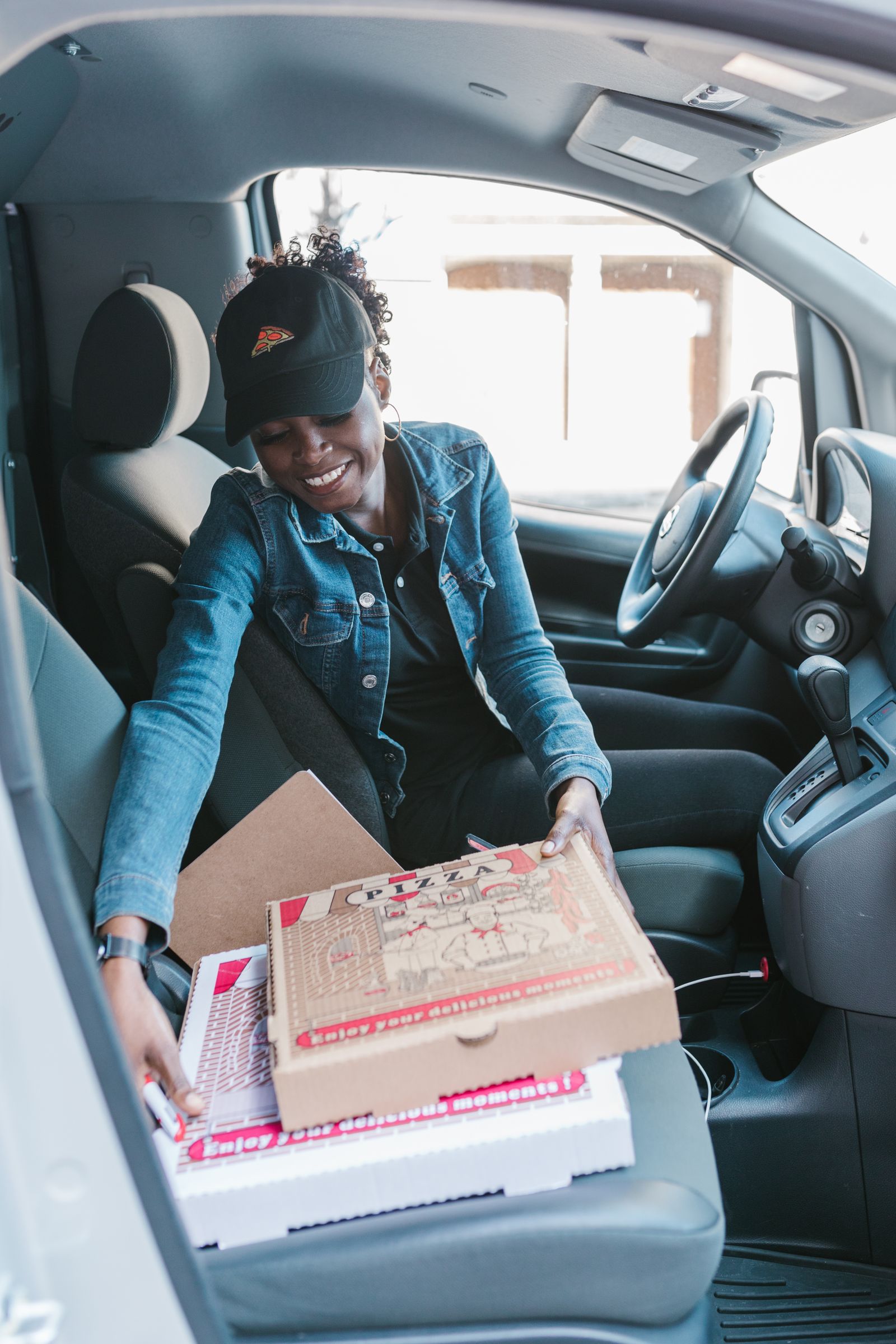
Month-by-Month Timing Calendar: September Through December
You do not have to tackle everything in one weekend — and most drivers’ budgets work better spread out over a few weeks. Here is when to do what:
September — Right Now
- Get a free battery load test. If it is 3+ years old or tests below 75% CCA, replace it now before the October rush hits shops.
- Check coolant freeze-point with test strips. Schedule a flush if protection is above -20°F.
- Inspect tread depth on all four tires. If you plan to buy winter tires, order them now — popular sizes sell out by mid-October in northern markets.
- Pull out your cabin air filter and check it. If it is gray and clogged, replace it yourself for $15-$25 before your next service visit.
October — The Sweet Spot
- Install winter wiper blades once overnight temps are consistently below 40°F.
- Drain summer washer fluid and refill with -20°F or colder rated fluid. Keep a spare gallon in the trunk.
- Get brakes inspected if you have not done it in the past 12 months.
- Mount winter tires — most northern shops recommend switching when temperatures stay below 45°F consistently.
- Test your heater and front defroster on a cold morning. Book a diagnostic appointment now if it is underperforming.
- Install a block heater if you are in a hard-freeze market and do not already have one.
November — Lock It Down
- Refresh the emergency kit in your trunk: portable jump pack, long-handled ice scraper and brush, mylar emergency blanket, hand warmers, and a small bag of kitty litter for traction.
- Start checking tire pressure weekly — temperature swings between day and night will cause consistent pressure drops now.
- Confirm your roadside assistance plan is active and you have the number saved in your phone. Our Roadside Assistance and Breakdown Guide for Delivery Drivers 2026 breaks down the best plans for gig workers by cost and coverage.
December — Final Check Before Peak Season
- Top off washer fluid, confirm tires are at correct PSI, make sure the jump pack is charged.
- Move the emergency kit from the garage into the car permanently for winter. A breakdown during a Christmas week surge shift is a serious income hit — Holiday Peak Season Delivery Jobs 2026 shows just how much money is on the table during those weeks.
- Review your cold-start habits. Modern fuel-injected engines do not need a 10-minute warm-up, but there is a right and wrong way to drive cold in the first few minutes. See Cold Start and Engine Warm-Up Guide for Delivery Drivers 2026 for the full picture.
Emergency Kit and Jump Pack: Your Last Line of Defense
Even a well-maintained, freshly winterized car can have a bad night. A loose connection, a light left on, a door that did not latch fully — any of these can leave you with a dead battery in a dark parking lot at 11 p.m. in December. Roadside assistance through your insurance or AAA typically means a 20-60 minute wait. A portable lithium jump pack means you are back delivering in 10 minutes.
The NOCO Boost Plus GB40 ($70-$100) is the go-to recommendation among gig drivers — it fits in a glove box, jumps a dead V6 or V8 with no problem, doubles as a USB power bank for your phone, and recharges from a standard outlet. The Hulkman Alpha 85 ($80-$110) is another strong option with a built-in air compressor for tire pressure emergencies.
Your full winter trunk kit should also include:
- Long-handled snow brush with a foam grip ice scraper
- Mylar emergency blanket (under $5, takes up almost no space)
- Hand warmers — a 10-pack costs about $8 and lasts hours
- Small bag of kitty litter for traction if you get stuck
- Waterproof flashlight with fresh batteries
- Backup pair of gloves and a hat stored in the car
See the full breakdown at Delivery Driver Emergency Kit and Roadside Guide 2026, which covers what to do after a breakdown, how to handle a tow, and what to keep in the car year-round.
A Winterized Car Is a Money-Making Car
Drivers who treat their vehicle like a business asset consistently out-earn drivers who do not. A winterized car means fewer missed shifts, lower emergency repair bills — a $160 preventive battery swap beats a $300 tow plus emergency battery job — and the ability to work through November and December when surge pricing and holiday bonuses are at their peak. The math on a single missed holiday weekend shift can easily exceed the entire cost of October winterization.
Use the October window. Get the battery load-tested and replaced if it is borderline. Flush the coolant if it is due. Put winter wipers and cold-rated washer fluid in today. Check your tires and book a brake inspection if you are overdue. The whole job, done right and done now, runs $150-$600 depending on your vehicle’s needs. Your car is your business. Protect it before the freeze — your January earnings depend on decisions you make in the next four weeks.
Ready to Start Delivering and Cash In?
Join thousands of drivers already earning — and get a $2,575 guaranteed bonus after completing your first 200 deliveries in select US cities.
New drivers: Sign up through our partner link and start earning today!
Sign Up for Uber Eats and Start Delivering →
Must be 18+. Background check required. Terms apply.