
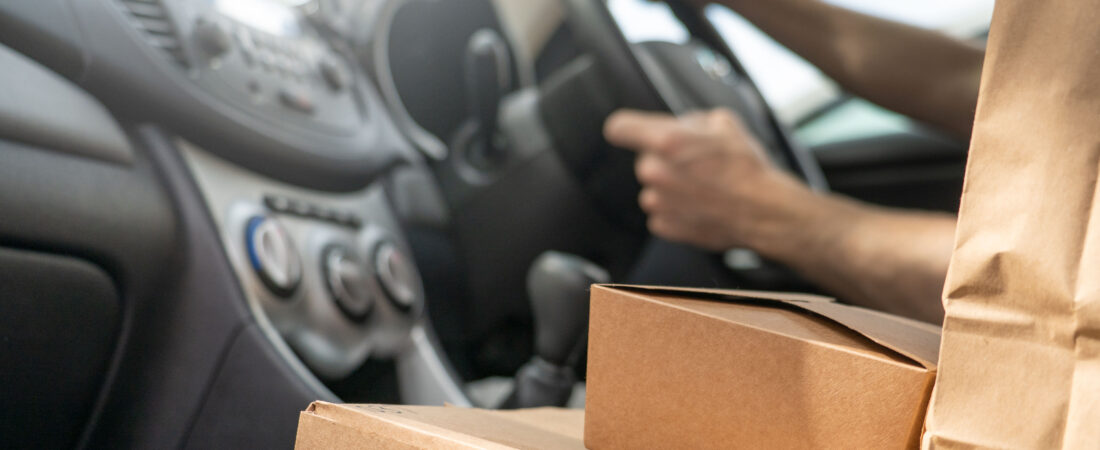

You know the feeling. It's 9 PM on a Tuesday. You've been in the car since 11 AM. Your back hurts, your phone battery is at 12%, and you're staring at one more DoorDash order that pays $4.50 for 22 minutes of driving. Do you take it? Do you call it a night? Or do you keep going until the surge pricing kicks in at midnight?
If you're a delivery driver in the US, this is your daily reality. The gig economy promises flexibility — be your own boss, work when you want. But the truth is, that same flexibility can turn into 60-hour weeks, skipped meals, and burnout before you even hit your six-month mark.
Work-life balance is the number one challenge nobody talks about in the gig world. The apps don't remind you to take a day off. There's no HR department checking in on your mental health. And when every rejected order feels like leaving money on the table, it's easy to forget you're a human being, not a delivery machine.
This guide is for every DoorDash dasher, Uber Eats driver, Spark delivery partner, and Amazon Flex driver who wants to make good money without losing themselves in the process. Let's talk about how to actually build a sustainable delivery business that works for you, not the other way around.
Why Delivery Drivers Burn Out Faster Than You Think
Burnout in the gig economy is real, and it hits delivery drivers harder than most people realize. According to a 2024 survey by the Independent Drivers Guild, 67% of gig drivers reported experiencing moderate to severe burnout within their first year. The reasons are obvious once you start logging those miles.
First, there's the financial pressure. Every hour you don't work is an hour you don't earn. Unlike a salaried job where your paycheck stays the same whether you take a long lunch or not, delivery drivers feel every minute of downtime in their wallet. This creates a psychological trap: you keep saying yes to orders because saying no feels like losing money you already had.
Second, the apps are designed to keep you driving. DoorDash and Uber Eats use gamification techniques — peak pay bonuses, challenge incentives, acceptance rate tracking — that are engineered to maximize your screen time. The algorithms know exactly how to push your buttons because they've analyzed millions of driver decisions to find what keeps you on the road.
Third, there's the physical toll. Sitting in a car for 8 to 12 hours a day is terrible for your body. Back pain, eye strain from constantly checking your phone, and poor eating habits from grabbing fast food between deliveries are all common complaints among full-time drivers. Your car takes a beating too, which means more maintenance costs and more stress.
Recognizing these patterns is the first step. The apps aren't going to protect your well-being. That part is on you.
Set Your Non-Negotiables Before You Start Your Shift
The most successful delivery drivers I've talked to have one thing in common: they set boundaries before they ever hit the road. They don't decide on the fly when to stop. They decide the night before.
Here are the non-negotiables you need to establish for yourself:
1. A Hard Stop Time
Pick a time when your shift ends, and stick to it. Maybe that's 8 PM. Maybe it's midnight. It doesn't matter what the number is as long as you respect it. When the clock hits your stop time, log off. Period. There will always be another order tomorrow. Your sleep and your mental health can't wait.
2. A Minimum Daily Income Goal
Instead of chasing unlimited earnings, set a realistic daily target. If you need $200 a day to cover your expenses and savings goals, stop when you hit $200. Anything beyond that is a bonus, not a requirement. This prevents the endless cycle of "just one more order" that keeps you on the road until 2 AM.
3. Two Guaranteed Days Off Per Week
This might sound impossible if you're used to driving seven days a week, but hear me out. Drivers who take at least two full days off per week earn more per hour on the days they do work. Why? Because they're rested, more selective about orders, and less likely to accept low-paying trips out of exhaustion. The quality of your work improves when you give yourself real time to recharge.
4. A Lunch Break That's Actually a Break
Stop eating in your car while you wait for orders. Find a spot, park, and take 20 minutes to actually eat your food without watching your phone. This small act of self-respect does wonders for your mental state.
Multi-Apping Smartly Without Burning Out
Multi-apping — running DoorDash, Uber Eats, and Spark simultaneously — can boost your earnings significantly. But it can also destroy your work-life balance if you don't approach it strategically.
The trap is thinking you need to accept orders from three apps at all times. That's a recipe for stress, mistakes, and burnout. Instead, treat each app like a different shift:
- Morning (7 AM – 11 AM): Focus on Spark or Amazon Flex. Grocery and package deliveries during these hours tend to be straightforward, and the roads are usually calmer after rush hour.
- Lunch (11 AM – 2 PM): Run DoorDash or Uber Eats for food delivery. Restaurants are busy, orders are frequent, and you can knock out 6 to 8 deliveries in three hours.
- Afternoon (2 PM – 5 PM): Take a break or run one app only. This is the slow period. Don't force it.
- Dinner (5 PM – 9 PM): Run your best-paying app exclusively. The dinner rush is where the money is, but it's also the most stressful part of the day.
By segmenting your day this way, you get the income boost of multi-apping without the constant mental load of juggling three apps at once.
Use Technology to Work Smarter, Not Longer
There are tools and strategies that can help you maximize your earnings without adding hours to your day. Here are a few that experienced drivers swear by:
Heat Map Apps
Apps like Delivery Stats, Driver Utility Helper, and Para show you real-time heat maps of where demand is highest. Instead of wandering around hoping for orders, you can position yourself in the right spot and minimize dead miles. This directly translates to higher earnings per hour, which means you hit your income goal faster and can log off earlier.
Mileage Trackers
Stride, Gridwise, and Everlance automatically log your miles for tax deductions. They run in the background and require zero effort. At the end of the year, you'll have a complete log of deductible miles worth $0.67 per mile in 2025. The standard mileage deduction alone can save you thousands on your tax bill, and these apps make it effortless.
Acceptance Rate Strategy
Stop accepting every order that comes your way. Be selective. DoorDash and Uber Eats both show you the payout and mileage before you accept. If an order pays less than $1 per mile, decline it. If it takes you to a dead zone where there are no restaurants, decline it. Selective acceptance means you spend less time driving for low pay and more time on profitable orders. Your acceptance rate might drop, but your hourly rate will go up.
Take Care of Your Body and Your Vehicle
Your body and your car are your two most valuable assets as a delivery driver. Neglect either one, and your earning potential takes a hit.
Stretching and Movement
Sitting for hours compresses your spine and tightens your hip flexors. Before your shift, spend five minutes doing basic stretches — hamstring stretches, hip openers, and shoulder rolls. During your shift, every time you get out of the car to deliver an order, take ten seconds to stretch your legs and back. It sounds small, but these micro-movements add up over an eight-hour shift.
Hydration and Snacks
Keep a water bottle in your car and refill it at every gas stop. Dehydration causes fatigue, headaches, and poor decision-making. Pack healthy snacks like nuts, protein bars, and fruit so you're not tempted to grab fast food between orders. Your body will thank you, and you'll save money too.
Vehicle Maintenance Schedule
Don't wait for the check engine light to come on. Stay on top of oil changes (every 5,000 miles if you're driving full-time), tire rotations, and brake inspections. A broken-down car means zero income for days or weeks. Set a reminder on your phone for regular maintenance intervals and stick to it.
In cities like Houston, Dallas, Austin, and Atlanta where drivers put serious miles on their vehicles, regular maintenance isn't optional. It's the difference between a reliable income stream and an expensive repair bill that wipes out a month of earnings.
How to Know When It's Time to Step Back
The hardest skill to learn as a delivery driver is knowing when to take a break. The apps don't have a "you need rest" notification, so you have to listen to your own signals.
Here are the warning signs that it's time to step back:
- You're getting irritated at small things — traffic, slow restaurants, customers who don't answer their door.
- You've stopped caring about order quality. You leave food in front of the wrong door or forget drinks.
- Your body hurts in ways that don't go away after a night's sleep.
- You can't remember the last time you did something for fun that wasn't driving.
- You're losing money on maintenance and gas because you're too tired to plan efficient routes.
If any of these sound familiar, it's time to adjust. Take a full day off. Go for a walk. Call a friend. Do literally anything that doesn't involve looking at a delivery app. Your bank account might take a small hit for one day, but your long-term earning potential will thank you.
Some drivers find it helpful to schedule a full week off every three months. Others take a more gradual approach with shorter shifts five days a week. There's no one-size-fits-all answer. The important thing is that you build a system that works for your life, not one that burns you out in six months.
Build a Delivery Business That Lasts
Work-life balance as a delivery driver isn't about working less. It's about working smarter, setting boundaries, and treating yourself like a professional instead of a cog in the gig economy machine. The drivers who last in this industry aren't the ones who drive the most hours. They're the ones who drive the right hours, take care of themselves, and know when to say no.
Start with one change this week. Pick a hard stop time. Schedule a day off. Pack a healthy snack. Whatever it is, commit to it and see how it feels. Your income, your health, and your sanity will all be better for it.
Ready to earn more with Uber in 2026?
New drivers can earn up to $2,575 after completing their first 200 trips in select cities. Set your own hours and take control of your work-life balance.