

Delivery Driver Hydration and Nutrition Guide 2026: How to Stay Energized, Save Money, and Earn More on the Road
If you drive for DoorDash, Uber Eats, Spark, or Amazon Flex, you already know the struggle. You’re racing against the clock, juggling stacked orders, and dealing with Houston heat, Chicago winter, or LA traffic. Somewhere in the middle of all that, eating and drinking become afterthoughts. A gas station energy bar here. A skipped lunch there. By hour six, you’re running on fumes — literally and figuratively.
The truth is, what you put in your body directly affects how much money you make. A dehydrated driver makes slower decisions, gets headaches behind the wheel, and burns out earlier in the shift. A hungry driver accepts bad orders because they want to finish fast. The most profitable delivery drivers treat their body like a delivery vehicle — it needs the right fuel, regular maintenance, and smart pit stops.
This guide covers everything you need to know about hydration and nutrition specifically for delivery drivers in 2026. We’ll cover what to drink, what to eat, how to prep, how to save money on food while working, and how to keep your energy stable from your first order to your last.

Why Hydration Matters More for Delivery Drivers Than Office Workers
Most adults need about half a gallon of water per day. But you’re not sitting at a desk. You’re getting in and out of your car 20 to 40 times per shift. You’re walking up apartment stairs, jogging through restaurant parking lots, and carrying heavy catering bags. If you drive in a hot city like Phoenix, Dallas, Austin, or Las Vegas during summer 2026, you’re losing water through sweat faster than you realize.
The Real Cost of Dehydration
Mild dehydration — losing just 1–2% of your body weight in water — impairs cognitive function. That means slower decision-making when you’re deciding whether to accept an offer, navigating a confusing apartment complex in Chicago, or calculating whether a $7 order for 8 miles is worth it. Dehydration also causes fatigue, which directly reduces how many hours you can work before your brain tells you to stop.
Consider this: a well-hydrated driver can comfortably work 8–10 hours. A dehydrated driver taps out at hour 5. If you make $20 per hour on average, that’s $60 to $100 in lost earnings every shift — all because you didn’t drink enough water.
Best Hydration Strategy for Delivery Drivers
Start Hydrated Before Your Shift
Don’t wait until you’re thirsty. By the time your brain signals thirst, you’re already mildly dehydrated. Drink 16–20 ounces of water 30 minutes before you start your shift. This is especially important for early morning breakfast shifts on DoorDash or Amazon Flex, where you might not naturally think about water.
Carry a Large Insulated Water Bottle
Invest in a 32-ounce or 64-ounce insulated water bottle that fits in your car’s cup holder or door pocket. The insulation matters — if you’re delivering in Houston or Dallas summer heat, a non-insulated bottle leaves you drinking warm water by hour two, and you’ll drink less because of it. Keep it within arm’s reach on the passenger seat so you sip naturally between deliveries.
Use Restaurants for Water Refills
Most fast-food and casual dining restaurants will give you a cup of water for free. When you’re waiting for an order, ask the counter staff. McDonald’s, Chick-fil-A, Chipotle, and most chain restaurants will oblige. This is especially useful if you finish your bottle mid-shift and don’t want to buy a plastic bottle from a convenience store. Restroom access for delivery drivers is a related challenge — many drivers report difficulty finding clean restrooms, but water refills are usually easier to negotiate than bathroom access.
Electrolytes, Not Just Water
If you’re working in hot weather or sweating heavily, plain water isn’t enough. You lose sodium, potassium, and magnesium through sweat, and replacing only water can actually dilute your blood electrolytes. Carry electrolyte packets — Liquid IV, DripDrop, or generic store brands. Add one to your water bottle every second refill during hot-weather shifts. Avoid sugary sports drinks like Gatorade for hydration; the sugar content causes energy crashes.
Nutrition for Energy and Focus on Long Shifts
You don’t need a complicated meal plan. You need strategies that work within the constraints of delivery driving: unpredictable schedules, limited access to healthy food, and the temptation of fast food on every corner.
Prep Your Food the Night Before
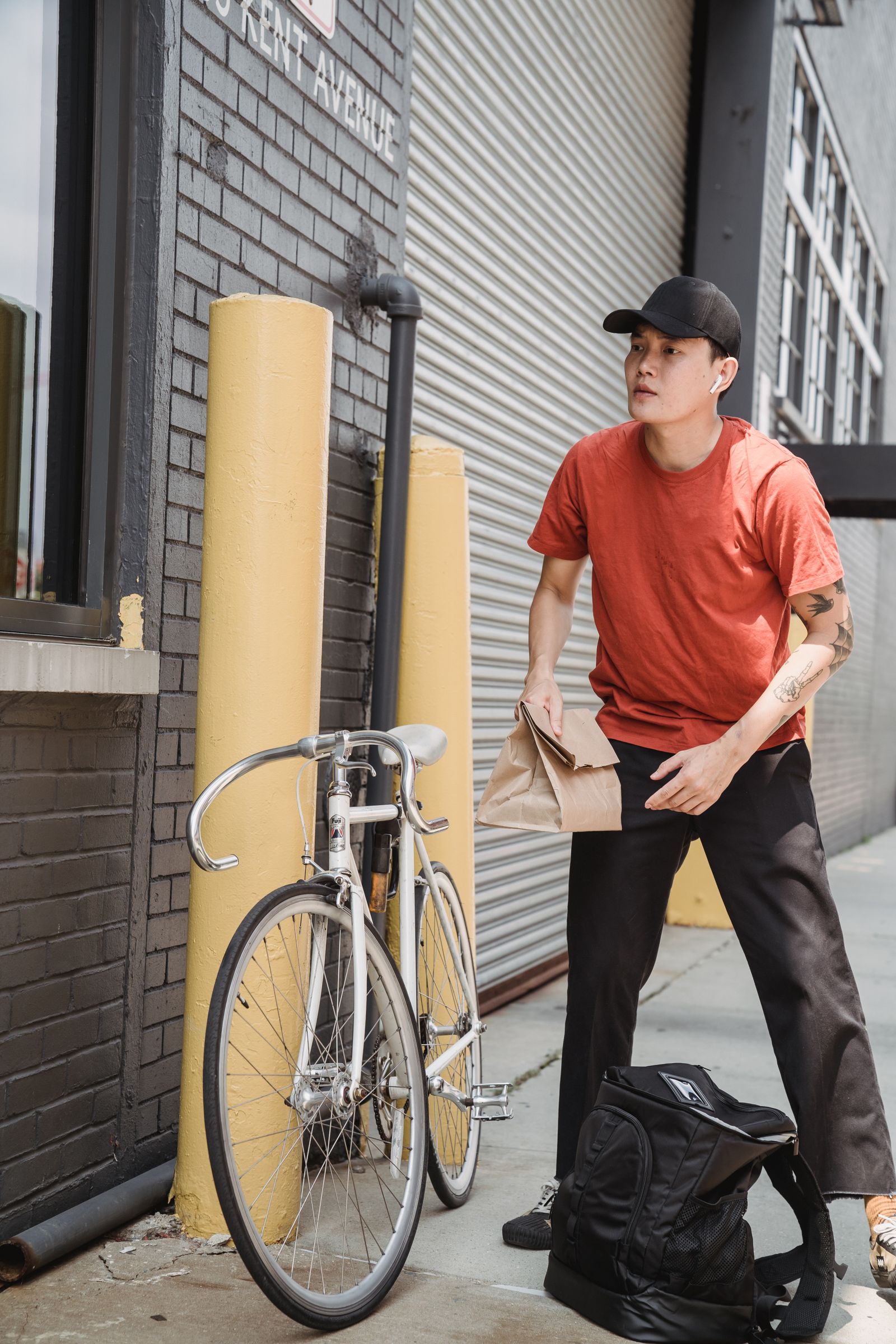
The single most effective change you can make is packing your food before your shift. When you have a lunch bag with real food ready on your passenger seat, you won’t be tempted to spend $12 on a drive-thru meal that leaves you sluggish. Here’s what experienced drivers pack:
- Sandwiches or wraps — Turkey and cheese, chicken salad, or hummus and veggie wraps. Easy to eat between orders, no reheating needed.
- Protein-rich snacks — Hard-boiled eggs, beef jerky, nuts, cheese sticks, Greek yogurt. Protein keeps your blood sugar stable and prevents the afternoon energy crash.
- Fresh fruit — Apples, bananas, and oranges travel well and don’t require prep. The natural sugar gives you quick energy without the crash of candy or soda.
- Trail mix or granola — Portion them into small bags so you grab one between orders instead of eating from the family-size bag.
What to Eat During Different Shift Types
Breakfast / Morning Shifts (6 AM – 12 PM)
Breakfast delivery shifts on DoorDash and Uber Eats are increasingly popular in 2026, especially in cities like Austin, NYC, and Chicago where coffee shop and breakfast diner orders surge before 9 AM. Start with oatmeal, eggs, or a protein smoothie before you leave. Pack a banana and a protein bar for a mid-morning refuel. Avoid heavy, greasy breakfast sandwiches — they’ll make you drowsy by 10 AM.
Lunch / Afternoon Shifts (11 AM – 4 PM)
This is the highest-volume window in most markets. You might not get a real break. Pack a sandwich, protein-packed snack, and plenty of water. Eat your main meal at your car between deliveries — park in a shady spot, eat for 10 minutes, and get back to it. Drivers who skip lunch during this window almost always end their shift early.
Dinner / Evening Shifts (4 PM – 10 PM)
Dinner rush is where most drivers make the bulk of their income, especially on DoorDash and Uber Eats. The temptation to eat fast food is strongest here because you’re delivering it. Resist the urge. Have your packed meal ready. If you absolutely must eat something from a restaurant you’re delivering from, choose grilled options over fried, and skip the soda.
Late Night Shifts (10 PM – 2 AM)
Late-night delivery is growing fast in 2026, especially in New York City, Chicago, Los Angeles, and Houston. Your body naturally wants to sleep during these hours, so fueling properly is critical. Small, frequent snacks work better than one big meal. Trail mix, protein bars, and fruit keep your energy steady without making you drowsy from a heavy meal.
How Much Money You’re Losing by Eating Fast Food on the Road
Let’s do the math. A typical fast-food lunch — burger, fries, and a soda — costs $12 to $15 in most US cities in 2026. If you work five days a week and buy lunch on the road, that’s $60 to $75 per week, or $240 to $300 per month. Over a year, that’s nearly $3,000 to $3,600 — just on lunch.
Now factor in the energy cost. Fast food high in refined carbs and unhealthy fats causes a blood sugar spike followed by a crash. That crash hits right in the middle of your afternoon shift, when dinner orders are starting to roll in. You’re tired, you’re slow, and you start declining orders because you don’t have the energy to do them. Even one declined $10 order per shift due to low energy costs you $50 per week, or $2,600 per year.
Packing your own food costs roughly $5 to $7 per day for the same calories, with better nutrition and more stable energy. That’s a savings of $1,500 to $2,000 per year on food alone, plus the $2,600 in retained earnings from staying energetic. Combined, that’s over $4,000 per year — money that stays in your pocket instead of going to drive-thru windows.
Caffeine: The Double-Edged Sword for Delivery Drivers
Coffee and energy drinks are practically part of the delivery driver uniform. And they work — in the short term. Caffeine blocks adenosine, the neurotransmitter that makes you feel tired. But there are pitfalls specific to delivery work.
Problem #1: Caffeine Dehydrates You
Caffeine is a mild diuretic. If you’re drinking coffee or energy drinks instead of water, you’re compounding your dehydration problem. The rule: one cup of coffee = one extra cup of water. For every caffeinated drink, drink an equal amount of water to compensate.
Problem #2: The Afternoon Crash Is Real
Many drivers start their morning with a large coffee, then hit an energy wall at 2 PM. That’s the caffeine leaving your system. The solution isn’t more caffeine — it’s pacing your caffeine intake. One cup in the morning, then switch to water or green tea (which has less caffeine but provides steady energy) for the rest of the shift.
Problem #3: Energy Drinks Hurt Your Bottom Line
A single 16-ounce energy drink costs $3 to $4 at a convenience store. One per shift, five days a week, is $15 to $20 per week — nearly $1,000 per year. And the sugar content in most energy drinks causes the same crash-and-burn cycle as fast food. If you need a boost, black coffee ($1 at most fast-food restaurants) or green tea is cheaper and healthier.
City-Specific Hydration and Nutrition Tips
Houston, Texas
Houston’s summer humidity makes dehydration dangerously fast. You can sweat through a shirt in 20 minutes just walking from your car to an apartment door. Carry double the water you think you need. Electrolyte packets are essential here, not optional. Avoid eating heavy Tex-Mex during your shift — save it for your post-shift meal. The heat plus heavy food equals sluggishness.
Phoenix, Arizona
Phoenix summer temperatures regularly exceed 110°F in 2026. Your car becomes an oven between deliveries. Never leave water bottles in a hot car — plastic leaches chemicals into the water, and the water itself becomes unsafe to drink. Carry your bottle with you to every delivery. Park in shade whenever possible, and use a sunshade in your windshield.
Chicago, Illinois
Chicago winters require a completely different strategy. You burn more calories in cold weather because your body works to stay warm. Your thirst response is weaker in cold weather, meaning you can get dehydrated without realizing it. Drink warm herbal tea between deliveries. Keep snacks in an inside jacket pocket so they don’t freeze in your car.
New York City, New York
NYC delivery drivers — whether on bike, e-bike, or car — burn significantly more calories than suburban drivers. If you’re biking, you need 3,000 to 4,000 calories per day. Carb-loading before shifts matters for bike couriers. Carry granola bars and bananas in your delivery bag. NYC drivers also have the best access to affordable, healthy food on the go — take advantage of $1 fruit cups and $2 yogurt parfaits from bodegas and delis.
Los Angeles, California
LA traffic means you spend more time sitting in your car than walking to doors. The boredom factor leads to mindless snacking. Pre-portion your snacks into small bags so you’re not eating from a family-size bag while stuck on the 405. Keep a water bottle within reach and sip during red lights. Prop 22 provides a minimum earnings guarantee in California, so your time sitting in traffic is partially compensated — don’t waste those earnings on expensive convenience store snacks.
Gear and Tools to Make Healthy Eating Easier
Insulated Lunch Bag
A good insulated lunch bag keeps your food fresh for 6 to 8 hours, even in summer heat. Look for one with a waterproof lining — spills happen when you’re driving. The best delivery driver insulated bags are reviewed separately, but any bag with at least 20 liters of capacity and thick insulation will work for meal prep storage.
Large Insulated Water Bottle
A 40-ounce or 64-ounce insulated bottle keeps water cold for 12+ hours in summer heat. Brands like Hydro Flask, Yeti, and Owala are popular among delivery drivers for durability and insulation. Wide-mouth bottles are easier to clean and add ice to.
Portion Control Containers
Invest in a set of small containers for pre-portioned snacks. Preparing five bags of almonds, five containers of cut vegetables, and five protein bars on Sunday takes 20 minutes and saves you $20 per week on convenience store markups.
Sample Weekly Meal Prep Plan for Delivery Drivers
This plan assumes you work lunch and dinner shifts, five days per week. Prep everything on Sunday in about one hour.
| Item | Prep Time | Cost per Week | Calories per Serving |
|---|---|---|---|
| Turkey & cheese wraps (5x) | 15 min | $10 | 350 |
| Hard-boiled eggs (10x) | 20 min | $4 | 70 each |
| Trail mix snack bags (10x) | 5 min | $8 | 200 |
| Fresh fruit (5 apples, 5 bananas) | 2 min | $5 | 100-120 |
| Greek yogurt cups (5x) | 2 min | $6 | 150 |
| Cheese sticks (10x) | 2 min | $5 | 80 each |
| Total | ~46 min | ~$38/week | ~1,500/day |
Compare $38 per week to the $60–$75 per week you’d spend on fast food. That’s a savings of $22 to $37 per week, or $1,144 to $1,924 per year — just on food. Add in the earnings benefit of staying energetic through your entire shift, and the total value of meal prepping exceeds $4,000 per year.
Common Nutrition Mistakes Delivery Drivers Make
Skipping Breakfast Before a Lunch Shift
It’s tempting to start your shift early to catch the 11 AM lunch rush and skip breakfast. Bad idea. Your body has been fasting for 8+ hours overnight. Without fuel, your blood sugar is low, your decision-making is impaired, and you’re more likely to accept the first low-paying order that comes through because you want to start earning quickly. Eat something — even just a banana and a yogurt — before you go online.
Eating One Giant Meal Instead of Small Frequent Meals
When drivers finally take a break, they often eat a massive, calorie-dense meal. This triggers a blood sugar spike followed by a deep crash. Your body directs blood flow to your digestive system, away from your brain and muscles. Result: you feel drowsy and slow for 1–2 hours after eating. Smaller, more frequent meals keep your energy steady.
Relying on Gas Station Food
Gas station food is engineered for shelf stability, not nutrition. It’s high in preservatives, unhealthy fats, and refined sugar. A gas station hot dog or packaged sandwich might fill you up temporarily, but it won’t give you sustained energy. If you absolutely must buy food on the road, choose a grocery store over a gas station — a rotisserie chicken leg, a banana, and a bottle of water from a grocery deli costs less than a gas station meal and provides real nutrition.
Staying Hydrated in Winter: The Overlooked Challenge
Drivers in Chicago, Denver, Minneapolis, New York, and Boston face a unique hydration challenge in winter months. Cold weather suppresses your thirst reflex — you don’t feel thirsty even when your body needs water. Combine that with dry winter air (which increases fluid loss through breathing) and the dehydrating effect of indoor heating, and you have a recipe for chronic low-grade dehydration.
Winter strategies for delivery drivers:
- Set a phone timer for every hour to drink 8 ounces of water, whether you feel thirsty or not.
- Carry a thermos of herbal tea or warm lemon water — warm fluids are more appealing than cold water in winter.
- Watch for the signs: dry lips, dark urine, headache, or fatigue. These mean you’re dehydrated even if you don’t feel thirsty.
- Eat water-rich foods: oranges, apples, celery, cucumbers, and soups all count toward your daily fluid intake.
Final Takeaway: Your Body Is Your Primary Delivery Vehicle
You spend time maintaining your car — oil changes, tire pressure, alignment. That’s smart. Your car is your primary tool for earning money. But your body is the engine that makes the whole system work. A well-maintained car with a dehydrated, hungry, exhausted driver still produces mediocre earnings. A well-hydrated, properly fueled driver in a basic sedan can outperform a luxury SUV driver who neglects their own health.
Start small. Tomorrow, bring a water bottle and one healthy snack to your shift. Do that for a week. Add one more healthy habit the next week. Within a month, you’ll notice the difference in your energy, your decision-making, and your earnings. And the $4,000+ per year you save on fast food and energy drinks? That’s yours to keep.
Ready to Earn More as a Delivery Driver?
Sign up for Uber Eats today and earn a $2,575 guaranteed bonus after completing your first 200 deliveries in select US cities. That’s on top of your regular earnings, tips, and surge pricing.
New drivers in Houston, Dallas, Austin, NYC, Chicago, LA, and other major markets qualify. Whether you drive a car, bike, or scooter, Uber Eats works around your schedule.
Claim Your $2,575 Bonus →
Learn More at uber.com
Terms apply. Offer available in qualifying markets. Bonus paid after 200 deliveries completed within 60 days.