
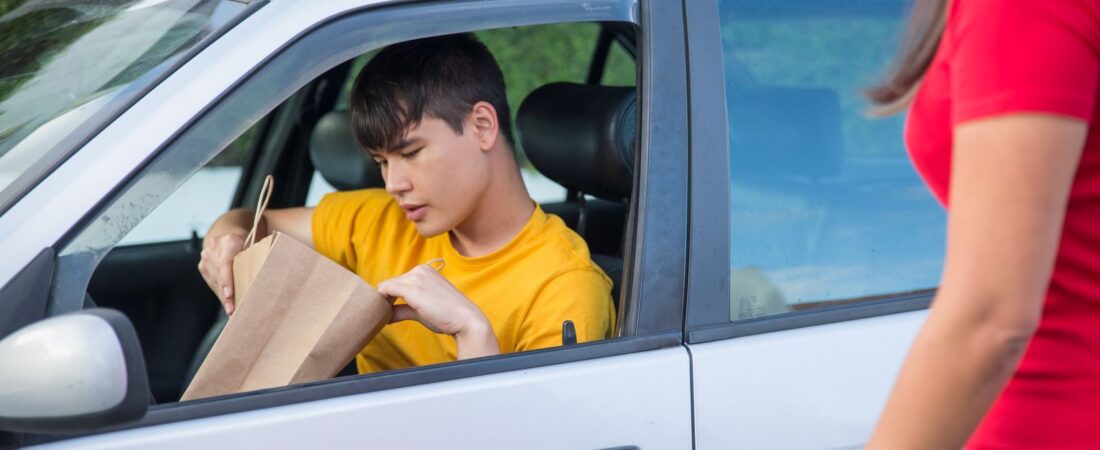

One day you’re rolling through a packed Friday night shift, stacking orders and loving life. The next morning, you open the app and see those four words every gig driver dreads: “Your account has been deactivated.” No warning. No call. No appeal already waiting in your inbox. Just gone.
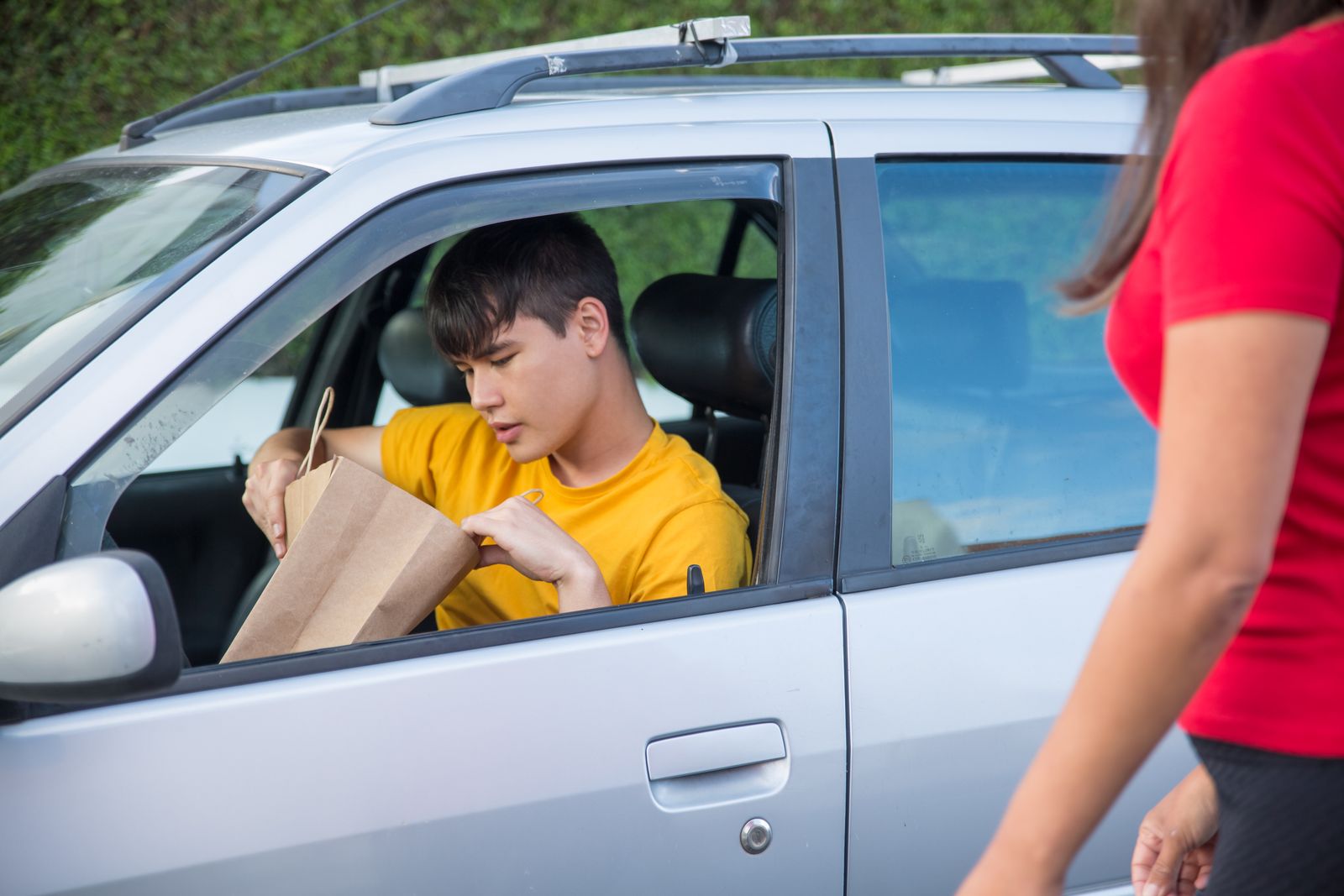
In 2026, deactivation is the number one fear among delivery drivers on DoorDash, Uber Eats, Instacart, and Spark — and honestly, it should be. These platforms operate with zero traditional employment protections, and their automated systems can pull your entire income stream with a single algorithm decision. The worst part? Most drivers never find out exactly what triggered it.
This guide breaks down exactly what gets drivers flagged, what each platform is actively tracking behind the scenes, and — most importantly — the habits that keep your account protected long-term. Think of this as your deactivation prevention playbook for 2026.
The Cold Reality: You Are One Flag Away From Zero Income
Let’s say the quiet part out loud: as an independent contractor, these platforms can terminate your account for almost any reason with almost no explanation. There is no HR department, no formal write-up process, no two-week notice. The app simply closes the door.
Driver community reports across Reddit, Facebook groups, and gig worker forums in 2026 consistently show that deactivations are increasing as AI-driven fraud detection systems have become more aggressive. The algorithms are sharper now — and that is not always good news for honest drivers who get caught in false-positive sweeps.
What makes this especially brutal is the financial impact. If delivery is your primary income, a deactivation does not just cost you one shift — it costs you your livelihood while you spend weeks navigating an appeals process that may or may not restore your account. And unlike a traditional layoff, there is no unemployment insurance waiting for gig workers.
The only winning strategy is prevention. Here is everything you need to know.
The Real Reasons Drivers Get Deactivated in 2026
Before you can protect yourself, you need to know exactly what you are protecting against. These are the most common deactivation triggers across all four major platforms in 2026 — and some of them will surprise you.
Low Customer Ratings
Every platform enforces a hard rating floor. Fall below it and your account goes into automatic review — and then deactivation. In 2026 the thresholds break down like this: DoorDash requires a minimum 4.2 stars, Uber Eats requires 4.6 (though this varies slightly by market), Instacart enforces a strict 4.7 minimum, and Spark sits at a similarly demanding 4.7. These are not soft targets — they are hard automated cutoffs the system enforces without a human ever reviewing your case.
The brutal math here: a handful of unfair one-star ratings from difficult customers can crater your average fast, especially if you are newer and have fewer total deliveries buffering your score. One unjust one-star review carries the same algorithmic weight as five legitimate five-star reviews. This is not fair, but it is the reality of 2026 gig platforms.
Fraud Flags and Order Manipulation
This is the big one driving deactivations in 2026, and it is catching innocent drivers in its net more than ever. Platforms are now deploying GPS tracking analysis, delivery time modeling, and photo verification AI to flag what they classify as fraudulent behavior. Activities that trigger these flags include:
- Marking an order delivered before physically arriving at the address
- Accumulating multiple “item never received” customer reports on your account
- GPS data that does not match your stated delivery route
- Delivery photos that are blurry, taken indoors, or clearly not at the drop-off location
- Pickup or delivery patterns that look statistically impossible — too many stops in too short a window
Some of these catches are legitimate. But in 2026, many honest drivers have been deactivated because a photo was taken in poor lighting, their GPS glitched in an underground parking garage, or a customer filed a false claim. The algorithm does not ask follow-up questions.
Annual and Continuous Background Check Updates
This one blindsides experienced drivers. In 2026, DoorDash, Uber, and Instacart all run continuous or annual background rescreens through services like Checkr and Sterling. A traffic violation, a DUI charge — even one that was later dismissed — or any criminal record that surfaces during an update can trigger a deactivation on your existing account. You are not applying fresh. You are already active. But the platform’s contractor agreement allows them to rescreen you at any time, and if something new appears, the automated system acts before any human reviews the case.
Completion Rate Drops
DoorDash and Uber Eats both track how often you complete orders you have already accepted. Cancel too frequently after accepting — even for legitimate reasons like a restaurant being closed — and your completion rate drops into the danger zone. DoorDash requires a completion rate above 80% and will issue warnings before deactivating, but drivers who habitually accept then cancel stack up violations faster than they realize.
DoorDash Account Protection: What the Algorithm Is Actually Watching
DoorDash’s deactivation system in 2026 uses a “Contract Violations” framework that logs specific flagged behaviors directly in your Dasher app under the Account tab. Each violation displays with an explanation, and accumulating too many triggers a suspension pending review — which often becomes permanent deactivation. Here is what the DoorDash algorithm is actively scoring:
- Delivery photo quality: Your photo needs to clearly show the package at a recognizable door or mailbox area. Poor lighting, blurry shots, or photos taken before you reach the door get flagged. Take the photo at the door, every time, even for contactless drops where no one is watching.
- “Order never received” reports: Three or more in a 90-day window triggers an automatic account review. You have no control over customers who file false reports, but you can document every delivery with timestamped photos as your evidence.
- Completion rate: Stay above 90% whenever possible. Never let it drop below the 80% warning floor. If you need to cancel, use the app’s proper cancellation flow — never just abandon an order without canceling.
- On-time delivery rate: DoorDash tracks whether you are arriving at restaurants and customers on time. Consistently late deliveries create algorithmic patterns that get noticed even if no single delivery draws a complaint.
Veteran Dashers recommend checking your Contract Violations tab at least once per week. Do not wait until a deactivation email arrives to discover something was flagged three weeks ago. Treat it like checking your bank account — routine and non-negotiable. For more on how to maximize your earnings windows while protecting your standing, see our guide on understanding DoorDash peak pay and when to dash.
Uber Eats: How to Stay in Good Standing in 2026
Uber Eats uses an overall account quality score rather than a contract violations log. This score blends your star rating, cancellation rate, and delivery accuracy into one number that determines your standing. In 2026, Uber has doubled down on photo verification for contactless deliveries and tightened its fraud detection around GPS anomalies — meaning the days of casually marking deliveries complete from the car are definitively over.
To protect your Uber Eats account in 2026, keep your eye on these metrics:
- Rating: Aim for 4.8 or above. At 4.6 you are in the warning zone. Below 4.6 in most markets means deactivation risk is active.
- Cancellation rate: Keep it under 5%. Uber tracks every cancellation after acceptance, and there is no grace window.
- Item accuracy: Always use sealed restaurant bags wherever possible. If a customer reports missing items from a sealed bag, Uber’s policy typically sides with the customer — but a pattern of such reports on your account draws algorithmic scrutiny regardless of fault.
- GPS matching: Your app must show you physically at the restaurant before you tap “picked up” and physically at the delivery address before you tap “delivered.” The system cross-references your device GPS against the order timestamps in real time.
If you are not yet signed up for Uber Eats as a driver, now is the time to add it as a backup platform — use our Uber Eats driver referral link to sign up and earn a welcome bonus when you complete your first delivery milestones. The sign-up process takes under 15 minutes and having a second active account is account-deactivation insurance you cannot afford to skip.
Instacart and Spark: The Grocery Platform Rules That Catch Restaurant Drivers Off Guard
Grocery delivery operates on completely different rules than restaurant delivery, and drivers who come from DoorDash or Uber Eats make predictable, avoidable mistakes when they cross over to Instacart or Spark. The deactivation triggers are different, the rating stakes are higher, and the customer interaction expectations are more demanding.
Instacart in 2026
Instacart’s deactivation system is particularly unforgiving about three things: item substitution handling, rating maintenance, and batch acceptance patterns.
Item substitution is where most new Instacart shoppers get burned. If you swap a product without messaging the customer first — even if you picked something that seems obviously equivalent — and the customer is unhappy, you are looking at a low rating and a potential fraud flag if it happens repeatedly. Always message before you substitute. Always. It takes 20 extra seconds and it protects your account.
On ratings: Instacart’s 4.7 minimum is brutal math. A single three-star review can push you below the floor if your total delivery count is still relatively low. Communicate proactively during every shop, send a message when you start, update the customer on substitutions, and confirm when you are heading to their door. Customers who feel informed give better ratings even when things go sideways.
Walmart Spark in 2026
Spark uses a performance tier system that directly controls which orders you see. Top tier drivers get the best batches first. Lower tier drivers see the leftovers — the long-distance, low-pay runs that kill your hourly rate. And below their minimum performance threshold, deactivation follows automatically.
In 2026, Spark has become particularly strict about multi-order batches — drivers who consistently fail to complete large multi-item orders within the time window are flagged. Know your limits when accepting large batch orders. An aggressive batch that you cannot complete cleanly does more damage to your account than the earnings are worth. Our full breakdown of Instacart versus Spark grocery earnings covers which platform fits different driver styles.
The Appeals Process: What to Do If It Happens to You
Even with perfect habits, false-positive deactivations happen. Here is exactly what to do if you receive that email.
Step 1: Document Everything Immediately
Screenshot the deactivation email, the reason provided, your ratings history, your completion rate, and any recent contract violations visible in the app. Save everything to your phone’s cloud storage. You need this paper trail for your appeal, and app access may be cut off quickly.
Step 2: File Your Appeal Right Away
Every major platform has an appeals process, but timing matters. DoorDash and Uber Eats recommend filing within 30 days. Instacart appeals go through their support chat system. Spark’s appeal process in 2026 runs through the Spark Driver app under the Help section. When you write your appeal, be specific — explain exactly what happened, provide timestamps, reference GPS data, and attach every piece of evidence you have. A vague “I did nothing wrong” response is the fastest path to a denial.
Step 3: Escalate Without Giving Up
A first-level denial is not the end. DoorDash has a second-level appeals path. Uber’s specialized account review team handles escalations separately from frontline support. Multiple drivers in 2026 report that persistence on the third or fourth contact — especially when new evidence is presented — has resulted in reinstatement. The squeaky wheel gets the account back.
Build Your Multi-Platform Safety Net Before You Ever Need It
The most important account protection strategy has nothing to do with any individual platform’s rules — it is diversification. Drivers who depend exclusively on one platform are one algorithmic false flag from zero income. Drivers who are actively operating on three or four platforms treat a single deactivation as an inconvenience, not a catastrophe.
Here is the minimum viable safety net for 2026:
- Keep at least three platforms active simultaneously. DoorDash, Uber Eats, Instacart, and Spark all run different algorithms on different customer bases. Four active accounts means you can shift your hours instantly if one platform acts up.
- Do not let backup accounts go dormant. Platforms can deactivate inactive accounts, and you want your ratings history current on every platform before you urgently need it.
- Run a weekly account audit. Five minutes per week checking your rating, completion rate, and contract violations on each platform catches problems before they reach the deactivation threshold.
- Keep your own delivery records. A GPS tracking app running passively in the background creates a timestamped, court-admissible record of exactly where you were and when. This evidence has saved driver accounts in appeals processes when the platform’s own data was disputed.
For a full look at how drivers build layered income protection across platforms, our piece on protecting yourself as a gig worker in 2026 covers both on-road safety and financial account safety in one guide.
Protect Your Account Like the Business It Is
Your gig driver account is not just a login. It is your business license, your paycheck, and your professional reputation all wrapped into a single app icon. In 2026, the algorithms running these platforms are smarter, faster, and less forgiving than in any prior year — which means the drivers who treat account protection as a non-negotiable daily habit will outlast and out-earn everyone who treats it as an afterthought.
Protect your ratings obsessively. Nail every delivery photo. Know every platform’s thresholds cold. Build your backup platforms now — not when you need them. And if the worst happens despite everything, appeal fast, appeal with evidence, and do not stop until you have a final answer.
If you are ready to add Uber Eats to your driver lineup right now, sign up through our Uber Eats driver referral link and unlock your new driver bonus on your first deliveries. It is the fastest move you can make today toward a more resilient, deactivation-proof income in 2026.
Drive protected. Keep the money flowing.
Ready to Earn More as a Delivery Driver?
Sign up for Uber Eats today and earn a $2,575 guaranteed bonus after completing your first 200 deliveries in select US cities.