
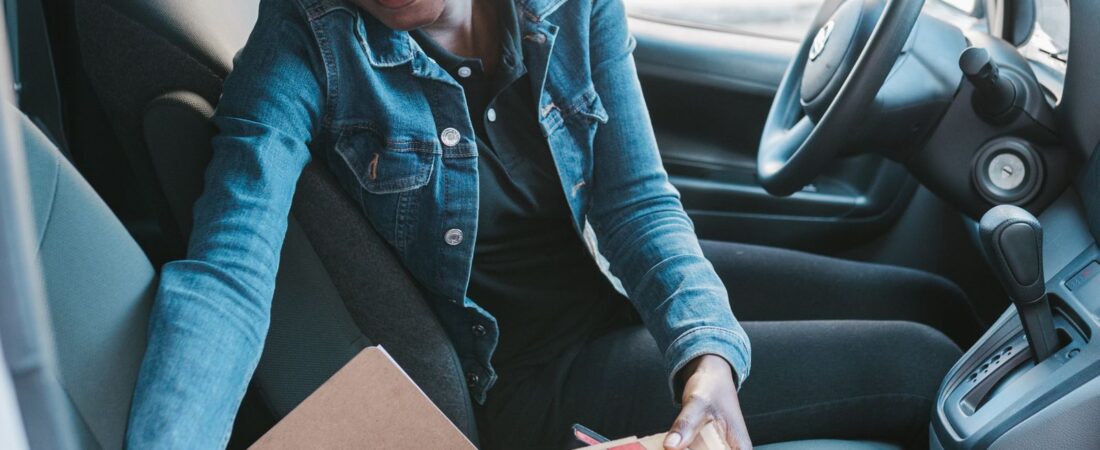

Picture this: You are in the middle of a dinner rush on a Friday night. You just picked up a $25 DoorDash order from a steakhouse in Uptown Houston, and you are heading to the customer when your engine starts sputtering. Then it dies. You are on a busy street, it is getting dark, and you have no idea what just broke. Your phone battery is at 18 percent, and the nearest auto parts store is three miles away.
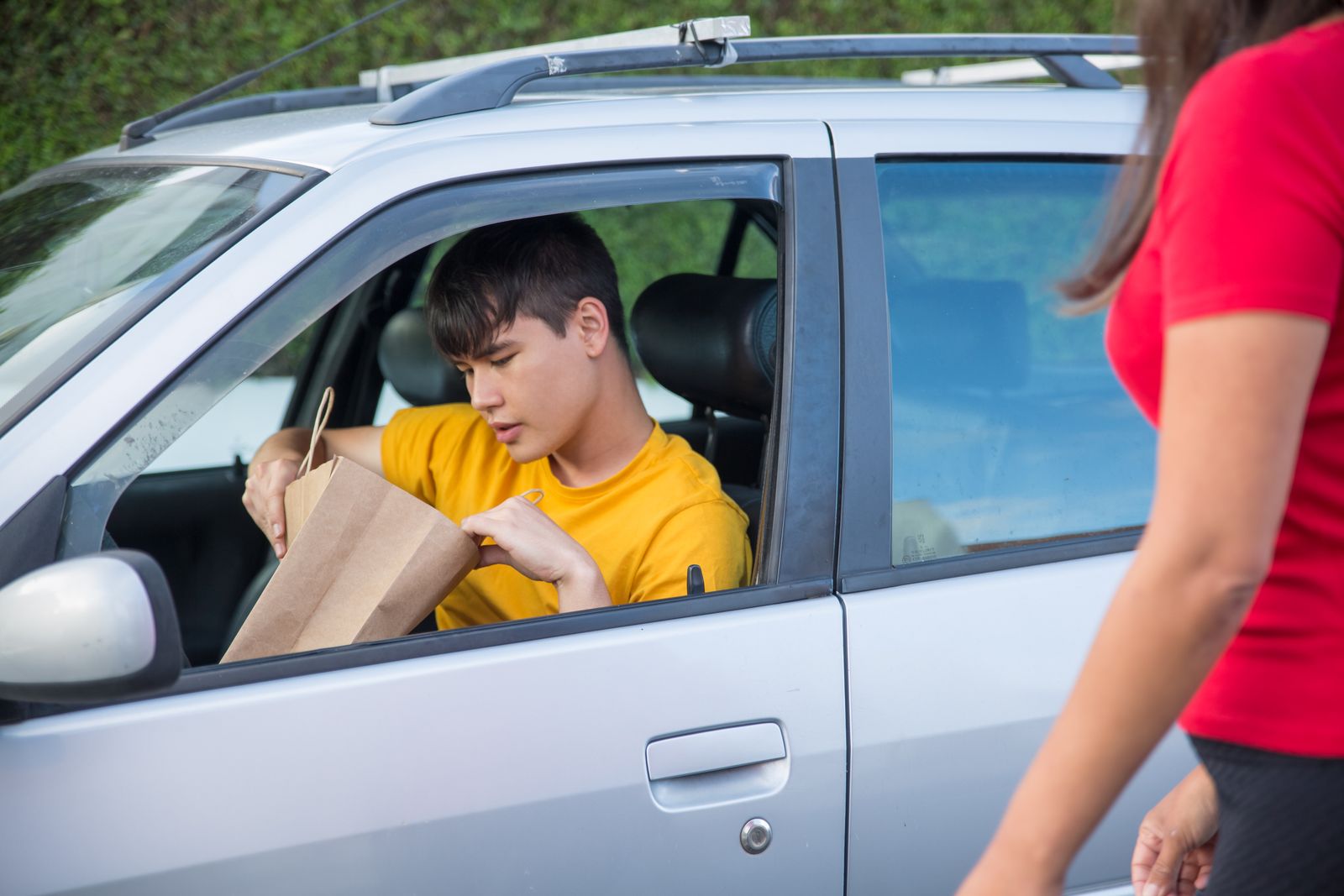
If you have been delivering long enough, you have either lived this moment or you will. Delivery drivers spend more time on the road than almost anyone else. The average DoorDash or Uber Eats driver puts 25,000 to 40,000 miles on their car every single year. That is the equivalent of driving across the country ten times. Something will eventually break, a tire will go flat, or your battery will die at the worst possible moment. The difference between a ten-minute delay and a three-hour nightmare is whether you have an emergency kit in your trunk.
This guide covers exactly what you need to keep in your delivery vehicle for roadside emergencies in 2026. This is not a generic list from some blog that does not actually drive for a living. Every item here matters when your income depends on staying on the road.
Why Delivery Drivers Need a Better Emergency Kit Than Everyone Else
Most people drive to work, park in a lot, and sit in an office. If their car breaks down, they call AAA and wait. As a delivery driver, you are different in three critical ways:
Your car is your workplace. You cannot just park it and go inside. If your car stops running, you stop earning. Every hour you spend waiting for a tow truck is an hour you could have made $25 to $35 delivering orders. A flat tire during lunch rush in downtown Austin can cost you more in lost earnings than the tire itself.
You drive in all conditions. Rain, heat, snow, construction zones, poorly lit neighborhoods, strip malls with no shoulder, apartment complexes with narrow driveways. Regular drivers avoid bad conditions. Delivery drivers work through them.
You are always near customers. When your car dies in front of someone’s house while you are holding their Chipotle order, it is not just inconvenient. It is embarrassing, and it hurts your ratings. Having a kit means you can fix small problems fast and get that order delivered before the customer notices.
A well-stocked emergency kit turns a crisis into an inconvenience. Here is what every delivery driver needs in theirs.
Jump Starter and Battery Pack: Your Most Important Tool
Dead batteries are the single most common roadside problem for delivery drivers. Your car battery takes a beating when you run short trips all day long. Starting the engine, driving two miles, turning it off, starting it again, doing that fifty times per shift. The alternator never gets enough time to fully recharge the battery between starts. Over months of this cycle, your battery wears out faster than a commuter’s would.
Instead of waiting for a jump from a stranger or paying $80 for a tow truck, carry a portable jump starter. These lithium-ion packs are about the size of a thick phone and can jump-start a dead battery in seconds. The good ones also double as power banks to charge your phone, which is just as important. A dead phone means no GPS, no orders, and no income.
What to look for in a 2026 jump starter:
- Peak amps: At least 1,500 peak amps for a standard sedan, 2,000+ for SUVs or minivans
- USB-C output: Must be able to fast-charge your phone (Power Delivery 18W or higher)
- Battery capacity: 10,000 mAh or higher so it can jump your car and still charge your phone
- Built-in light: LED flashlight mode for emergencies at night
Popular options in 2026 include the NOCO Boost Plus GB40, the Tacklife T8 Pro, and the Audew 2,000A portable jumper. Keep it charged once a month and check the charge level before peak delivery days like Sunday lunch rush or Friday dinner shift.
Basic Tool Kit for Quick Fixes
You do not need a professional mechanic’s toolbox. You need about eight specific tools that handle 90 percent of the minor repairs a delivery driver runs into on the road:
- Screwdriver set: Phillips and flathead in multiple sizes. Loose battery terminals, rattling license plates, and jammed interior panels all need a screwdriver.
- Adjustable wrench (10-inch): For tightening loose bolts, changing alternator belts in a pinch, or removing a battery clamp.
- Pliers (needle-nose and standard): For pulling out debris, gripping small nuts, or removing a stuck fuse.
- Multitool with wire cutters: A Leatherman or similar tool handles a hundred small problems and fits anywhere.
- Zip ties (assorted sizes): The delivery driver’s secret weapon. Loose bumper? Zip tie. Rattling heat shield? Zip tie. Loose wire harness? Zip tie. Keep 20 of them in your glove box.
- Duct tape: Temporary fixes for hoses, wires, cracked plastic trim, or even a cracked window in an emergency.
- Fuse puller and spare fuses: A blown fuse can kill your car’s electrical system over something minor. Keeping a fuse kit specific to your car model costs $10 and can save a tow.
- Gloves (mechanic-style): You do not want to handle a dirty engine bay, a flat tire, or roadside debris with bare hands. Keep a pair of Mechanix or similar gloves in your kit.
Keep all of these in a small tool roll or bag that lives in your trunk full time. If you take it out, you will forget to put it back on the day you need it.
Tire Repair: Plug Kit and Portable Air Compressor
Flat tires are the second most common roadside problem, and for delivery drivers they are especially painful. You might be on a residential street, a dark alley behind a restaurant, or a construction-heavy area where debris is everywhere. Nails, screws, sharp rocks, pothole damage. All of it hunts delivery drivers.
A full-size spare tire is ideal, but many modern cars do not come with one. Instead, they have a donut spare or a can of fix-a-flat that barely works. Here is the better setup:
Tire plug kit: These cost $10 at any auto parts store. They come with a reaming tool, plug strips, and an insertion tool. When you get a nail in your tire, you can pull it out, ream the hole, push a plug in, trim it, and be back on the road in 15 minutes. This works for tread-area punctures and gets you to a tire shop to get it properly patched later.
Portable air compressor: A 12-volt compressor that plugs into your car’s cigarette lighter can inflate a flat tire in under five minutes. Get one with a built-in pressure gauge and auto-shutoff so you do not over-inflate. Keep it in your trunk with the plug kit.
Tire plug + compressor combo is cheaper than a tow, faster than waiting for roadside assistance, and keeps you delivering instead of sitting on the shoulder waiting.
First Aid Kit for Minor Injuries
Delivery work has more injury risks than most people realize. You are carrying heavy catering orders up stairs. You are walking through dark parking lots. You are lifting cases of water from Spark or Instacart orders. You are handling hot food bags, sharp utensils, and glass bottles. Eventually, something will cut you, burn you, or trip you.
A basic first aid kit costs $15 to $25 and should include at minimum:
- Assorted bandages (fabric, not plastic — they stay on better)
- Sterile gauze pads and medical tape
- Antiseptic wipes and antibiotic ointment
- Hydrocortisone cream for bug bites or allergic reactions
- Pain relievers (ibuprofen and acetaminophen)
- Antacid tablets (delivery drivers eat on the go, and it catches up)
- Triangular bandage for a sling or pressure bandage
- Instant cold pack for swelling or heat exhaustion
Keep your first aid kit in the passenger door pocket, not the trunk. When you cut your hand on a broken sauce container mid-delivery, you need that bandage in thirty seconds, not ten minutes.
Visibility and Safety Gear
If your car breaks down at night, your biggest risk is not the mechanical problem. It is getting hit by another vehicle. Delivery drivers work during rush hours, late at night, and in low-light conditions. Safety gear that most drivers ignore is essential for gig workers:
- Reflective safety vest: A Class 2 or Class 3 ANSI-rated vest makes you visible from hundreds of feet away. Keep one in your door pocket so you can put it on before getting out of a disabled vehicle.
- LED road flares or reflective triangles: Three reflective triangles placed 10, 50, and 100 feet behind your car give approaching drivers plenty of warning. LED flares are brighter and do not burn out like chemical flares.
- High-beam LED flashlight: Your phone flashlight is not enough to signal traffic or inspect your engine at night. A dedicated LED flashlight with at least 500 lumens makes a huge difference. Bonus if it has a magnetic base or strobe mode.
- Warning signs or cones: Bright orange cones or a foldable warning triangle that you can place behind your vehicle while you work on it. In cities like Chicago, LA, and NYC, other drivers do not expect a stopped car on narrow streets. Make yourself visible.
This gear takes up almost no space and could save your life. Do not skip it.
Weather-Specific Supplies for Every Season
Delivery drivers work in every weather condition, and your emergency needs change with the seasons. Here is what to add for specific climates:
Summer Essentials (May through September)
- Extra water: At least a gallon. Your car can overheat, or you can overheat. Both end your shift. In Houston and Dallas summer heat, you can lose several pounds of water weight in one shift just from walking orders to doors.
- Sunscreen and sunglasses: UV exposure through your windshield adds up over a full day of driving.
- Cooling towel: Wet it with water, wring it out, and wrap it around your neck. Drops your core temperature fast when you are stuck on the side of the road in 100-degree heat.
- Extra coolant: Engines run hotter in summer, and coolant leaks are more likely to cause overheating. Keep a 50/50 pre-mix bottle in your trunk.
Winter Essentials (November through February)
- Blanket or emergency sleeping bag: If you break down in cold weather, you might be stuck for an hour or more. A wool blanket or space blanket can prevent hypothermia while you wait for help. In Chicago winters, this is not optional.
- Ice scraper and snow brush: Even if you mostly deliver in warmer climates, a sudden ice storm can leave you unable to see through your windshield.
- Traction aids (cat litter or traction mats): If you get stuck on ice or snow, a bag of cheap clay cat litter poured under your tires gives you enough grip to rock out. Traction mats work better and are reusable.
- Hand warmers and extra gloves: Your hands are your most important tools as a driver. Cold, stiff hands make it harder to carry orders, handle phones, and unlock doors.
- Windshield washer fluid: Road salt and slush destroy visibility fast. Keep an extra gallon in your trunk.
Emergency Supplies for Extended Breakdowns
Sometimes a breakdown is not a quick fix. Your alternator fails, your transmission goes, or your timing belt snaps. When that happens, you might be stuck on the side of the road for two to three hours waiting for a tow truck. In 2026, tow truck response times in major cities range from 45 minutes to over two hours depending on the time of day.
For these situations, keep the following in your kit:
- Portable power bank (10,000 mAh+): Your phone is your lifeline. Without it, you cannot contact roadside assistance, cancel your dash, or call a friend. A dedicated power bank in your emergency kit ensures you stay charged even if your car battery is dead and your jump starter is used up.
- Snacks: Non-perishable items like protein bars, trail mix, or granola bars. If you break down during a shift, you might not have eaten recently, and hangry decision-making is real.
- Cash: Keep $20 to $40 in your kit. Some tow companies prefer cash, and if you need to pay a Good Samaritan who stops to help, cash is king.
- Phone charger cable: Keep a spare charging cable in your kit so you are never caught without one if your main cable breaks.
- Pen and paper: For writing down tow truck information, insurance details, or directions if your phone dies.
These extras take almost no space and make a huge difference when you are stranded for hours.
How to Organize Your Kit
Having all the gear in the world does not help if it is scattered across your back seat, under floor mats, and buried in the trunk. Here is a simple organization system that works for delivery drivers:
- Get a dedicated duffel or plastic bin. A small duffel bag or milk crate keeps everything together and easy to grab. Hard-sided bins are better because they do not collapse when stuff is stacked on top in your trunk.
- Use smaller pouches for categories. A zippered pouch for first aid, a tool roll for tools, a separate bag for cables and electronics. This way you can grab the first aid kit without dumping everything on the ground.
- Keep the essentials in your cabin. Your jump starter, first aid kit, phone charger, and gloves should live in your passenger area (door pocket, under seat, center console). The trunk kit is for bigger problems. Cabin gear is for quick stops.
- Check your kit monthly. Set a recurring reminder on your phone for the first of every month. Check battery levels on your jump starter and power bank. Replace used bandages. Rotate expired snacks. Refill coolant if you used it.
A disorganized kit is almost as useless as no kit at all. Take ten minutes to set yours up right, and you will thank yourself the first time you actually need it.
What to Do When Your Car Breaks Down Mid-Delivery
Even with the best emergency kit, knowing what to do when things go wrong is half the battle. Here is the step-by-step for delivery drivers:
- Prioritize safety. If you feel something wrong, pull over immediately. Do not try to make it to the customer’s house. Park as far off the road as possible, turn on your hazard lights, and put on your reflective vest before getting out.
- Contact the customer. Open the app and message the customer. Tell them there is a vehicle emergency and you cannot complete the delivery. Most customers understand. If the food is still safe and close, you can sometimes complete the delivery after handling the emergency. If not, mark it as unable to deliver and move on.
- Pause or end your shift. In DoorDash: end your dash. In Uber Eats: go offline. In Spark: put yourself on break. Do not worry about your acceptance rate. A broken car trying to deliver one last order is how emergencies get worse.
- Assess the problem. Check your gauges. Is the engine overheating? Did a warning light come on? Can you see or hear anything obvious? Use your phone to search the symptom if you are not sure what is happening.
- Fix what you can. If it is a flat tire, break out your plug kit and compressor. Dead battery? Use your jump starter. Overheating? Let the engine cool, check coolant, top it off if needed. Loose wire or hose? Duct tape and zip ties are your friends here.
- Call for help if needed. If you cannot fix it in 30 minutes, call roadside assistance through your app (DoorDash and Uber Eats both offer roadside assistance partnerships) or a local tow company. Save their number in your phone now, not when you are stranded.
- Document everything. Take photos of the scene, the damage, and any repairs. These are useful for insurance claims and for claiming the tow on your taxes as a business expense.
A breakdown costs you money. But with the right kit and a clear head, it costs a lot less than it would otherwise.
Conclusion: Build Your Kit Before You Need It
The single biggest mistake delivery drivers make is waiting until something goes wrong to think about emergency preparedness. A $100 investment in a well-stocked emergency kit saves you $200 in towing, $80 in lost earnings, and hours of stress the first time you use it. Over a year of full-time delivery driving, you will likely use your kit at least two or three times. That pays for itself immediately.
Start with the basics: jump starter, tire plug kit, compressor, basic tools, and first aid. Add weather-specific items based on your city and season. Organize everything so you can reach what you need without a scavenger hunt. And check your kit monthly so nothing is dead, expired, or missing when you need it most.
Your car is your office, and your emergency kit is your insurance policy. Build it today, before your next dinner rush.
Ready to Earn More as a Delivery Driver?
Sign up for Uber Eats today and earn a $2,575 guaranteed bonus after completing your first 200 deliveries in select US cities.