
Why 2026 Feels Different: The Apps Are Actually Changing
If you’ve been delivering for a while, you know the drill: the apps tweak a button, shuffle a screen, and call it an update. But 2026 hasn’t been business as usual. Between DoorDash rolling out upfront pay in new markets, Uber Eats pushing AI into grocery orders, Walmart Spark dropping an item-mapping update that has drivers talking, and New York regulators forcing tip buttons into the open — this year has genuinely changed how we earn. Some of it is good for us. Some of it is going to cost you money if you don’t adapt. Here’s the honest, driver-to-driver rundown of the biggest delivery app changes in 2026 and exactly what they mean for your bottom line.
DoorDash’s Big 2026 Shift: The Earn Per Offer Era
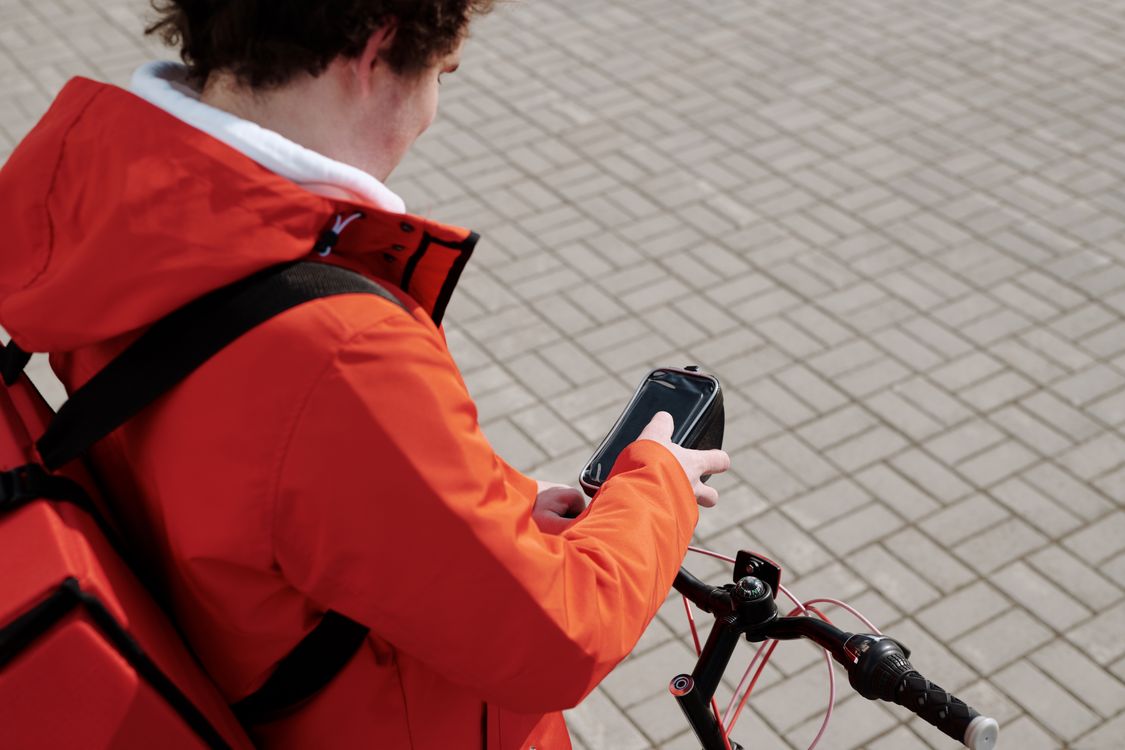
DoorDash has spent the last couple of years slowly rolling out its Earn Per Offer model, and in 2026 it’s the default in most markets. Instead of seeing just “an order is available,” you now get the full picture up front: base pay, Peak Pay, and the pre-authorized tip, all in one number before you accept. That’s a bigger deal than it sounds. It means you can finally make the call the way the top earners always have — dollar-per-mile math before you tap accept.
What Earn Per Offer Actually Means for Your Bottom Line
The practical rule that’s been floating around driver groups all year: don’t accept anything under $1.50 to $2.00 per mile on DoorDash, unless the pickup is short and the drop-off sits in a busy zone. With transparent offers, a $3 order going 8 miles is a hard no — and the app can’t hide that from you anymore. The flip side is that DoorDash is also watching your acceptance rate more closely than ever in 2026, so you can’t just cherry-pick all day. The trick is finding the sweet spot between the offers you refuse and the ones you take. If you’re fighting the acceptance-rate game, we broke down how to keep your ratings high without taking low-paying orders.
There’s a second change hiding inside Earn Per Offer that a lot of drivers missed: because the total is now visible up front, DoorDash has been testing smaller “add-on” offers that attach a second order to a delivery you already accepted. These pop up after you’ve committed, when it’s harder to do the math calmly. Treat add-ons like any other offer — check the added miles, added time, and added pay before you say yes. A $2 add-on that puts you 6 miles out of your way is a bad deal no matter how the app frames it as “on your route.”
One more DoorDash change worth knowing: base pay still runs roughly $2 to $10+ per delivery depending on distance and desirability, and you keep 100% of tips. The app is in over 7,000 cities now, which means more competition for orders in your market — and more reason to be strategic about when you drive. Peak Pay windows have also been shifting in 2026, with more bonus money landing in off-peak hours as DoorDash tries to fill coverage gaps. That’s a genuine opportunity if your schedule is flexible: the dinner rush is still the rush, but the 2 p.m.–4 p.m. lull now carries bonus pay in a lot of markets, and fewer drivers are chasing it.
Uber Eats Is Coming for Instacart With AI
February 2026 brought one of the most interesting app updates of the year: Uber Eats started testing Cart Assistant, an AI feature that builds a grocery basket from a text prompt or even a photo. You type “weeknight dinner for four plus snacks” and it assembles the list. Sound like a shopper tool? That’s exactly the point — Uber Eats is openly trying to take a slice of the grocery delivery business that Instacart has owned for years.
What the Grocery Push Means for Drivers
More grocery orders on Uber Eats means more large, heavy, multi-bag orders for drivers. The money can be good, but only if you treat them like the workhorses they are: check item counts before accepting, watch the distance to the store, and don’t be shy about declining the 60-item orders that pay like a single burrito. Grocery orders are also where the pay differences between the apps show up most — some platforms batch-pay better than others, and it’s worth knowing which one actually pays you for the extra time.
And if you’re not on Uber Eats yet, this is a decent year to get in — they’ve been running aggressive new-driver promos to fuel that grocery expansion. You can sign up through my referral link right here and it costs nothing to keep it in your rotation.
Spark’s Item Mapping Update Is Slowing Drivers Down
If you run Walmart Spark, you’ve probably already cursed this one. In July 2026, Spark pushed an item-mapping update that shows drivers exactly where every item is in the store. In theory, it’s supposed to speed up shopping. In practice, a lot of drivers say it’s doing the opposite — the map is slow to load, it glitches in crowded aisles, and it’s been adding minutes to every trip. Minutes matter when your pay is per order.
How to Work Around the Spark Update
First: update the app regularly. A lot of the early complaints came from drivers running an old version that kept crashing on the new map. Second: don’t let the map override your own knowledge of the store. If you already know where the cereal is, you don’t need to wait for the app to catch up — trust your route, use the map as backup. Third: watch your item counts on acceptance. Spark’s been mixing in bigger orders with the same base pay, and the item-mapping slowdown only makes that worse. If an offer doesn’t clear your per-mile and per-item bar, pass on it.

The bigger point here is that app changes cut both ways: when a platform updates something that slows you down, your income takes the hit unless you adjust your accept/reject standards on the same day.
The NYC Tip Crackdown That Shook Every App
Here’s the change that flew under the radar for drivers outside New York but matters for everyone: in January 2026, NYC regulators alleged that DoorDash and Uber Eats had quietly cost delivery workers more than $550 million in tips by hiding tip buttons and setting default tips below 10%. Tip amounts reportedly fell 79% on affected orders. The city forced the apps to change the checkout flow, and the apps did — tip prompts got more visible and defaults went up.
Why You Should Care Even If You Don’t Deliver in NYC
Two reasons. First, tip policy is decided in one boardroom and applied app-wide — the fix in New York has already influenced how checkout screens look everywhere else. Second, it’s a reminder that tips are the biggest variable in your pay and the apps will happily let them shrink. Your defense is the same as it’s always been: great communication, insulated bags, and delivering like you mean it. We’ve covered the full earnings picture across every major app in 2026 if you want the numbers.
Bonuses Are Bigger Than Ever in 2026
Here’s the genuinely good news. The Gridwise 2026 Gig Mobility Report found that average quarterly bonus pay for gig drivers jumped 32.9% year-over-year — from about $239 per quarter in late 2024 to $317 by the end of 2025 — and delivery earnings are climbing back toward pandemic-era highs. Translation: the platforms are competing for drivers again, and they’re putting real money into quests, challenges, and Peak Pay.
How to Stack Quests, Challenges, and Peak Pay
Bonus stacking is the closest thing this job has to a cheat code. Run DoorDash during its dinner challenge while Uber Eats has a weekend quest and Spark is offering surge on deliveries in your zone, and you’re collecting from three pots at once. The catch is that you have to know the schedules — check the promos tab in every app every morning, and plan your driving window around whichever bonus is biggest. If you want the full playbook on quests and challenges, we wrote it up in our guide to delivery driver challenges, quests, and promotions in 2026. And for the zone-based money, our Peak Pay and surge pricing guide shows exactly when and where the multipliers show up.
What All These Changes Mean for Your Earnings
Put it all together and 2026 is a year of two forces pulling against each other. On one side, transparent pay, AI features, and bigger bonuses are making it easier to earn well. On the other, item-mapping slowdowns, tip creep, and more drivers per market are quietly eating into your hourly rate. The drivers who win this year are the ones who treat every app update as a small business decision, not a nuisance.
Your Mileage Rate Just Went Up — Use It
One change that’s purely good: the 2026 IRS standard mileage rate is 72.5 cents per mile, up from 70 cents in 2025. A full-time driver logging 25,000 business miles a year can now deduct around $18,000. That’s a huge number, and it only helps you if you’re tracking every mile. If you’re still guessing at your mileage, get a tracker going — we tested the good ones in our best mileage tracking apps for DoorDash drivers roundup, and it’s the single highest-ROI habit in this job. Pair that with the rest of the 2026 gig worker tax guide and you’ll keep more of what the apps pay you.
The Bottom Line: Stay Ahead of the Apps in 2026
The apps changed more in the first half of 2026 than they did in the previous two years combined. Upfront pay is here to stay. AI is coming to grocery. Spark’s maps are still clunky. Tips are a battleground. And bonuses are the biggest they’ve been in years. None of that is an accident — the platforms are testing what keeps drivers working for less while paying just enough to keep the good drivers around. Your job is to use every update to your advantage: know your per-mile minimum, stack the bonuses, track the miles, and never let a clunky update rush you into a bad order.
If you’re running two or three apps to spread your risk, you’re already ahead of the curve — our multi-apping guide for beginners covers the exact setup that lets you jump between apps when one slows down. And if you’re just getting started, signing up for Uber Eats through this link gets you into the rotation with zero cost, and you can stack it with everything above.
Here’s the ask: if this breakdown saved you from one bad week of orders, share it with a driver who needs it. Drop a comment with the app change that’s been driving you crazy in 2026 — the more we compare notes, the less the apps get away with. Stay safe out there, and go make that money.
Ready to Start Delivering and Earn More?
Join thousands of drivers cashing in on food delivery — every mile you drive is a mile you get paid for.
New drivers: Sign up through our partner link and get priority access in your area!
Sign Up for Uber Eats and Start Delivering →
Must be 21+. Background check required. Terms apply.