
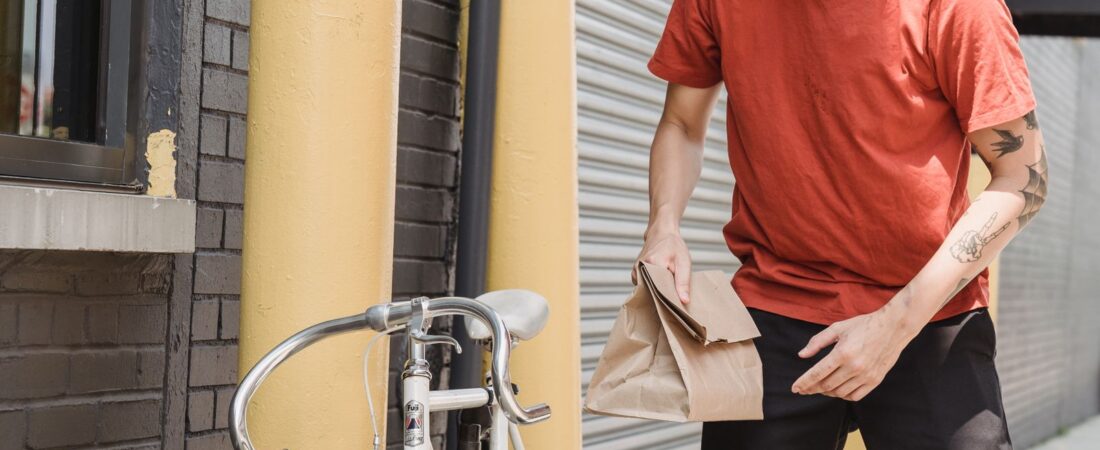

Office Delivery Guide 2026: How to Deliver to Businesses and Win the Weekday Lunch Rush
There’s a moment every delivery driver hits where the order looks easy, and then you pull up to a 12-story office tower with no instructions beyond “bring it to floor 8.” No gate code. No front desk name. No parking anywhere within a block. If that scene makes you want to decline, you’re leaving money on the table every single weekday.
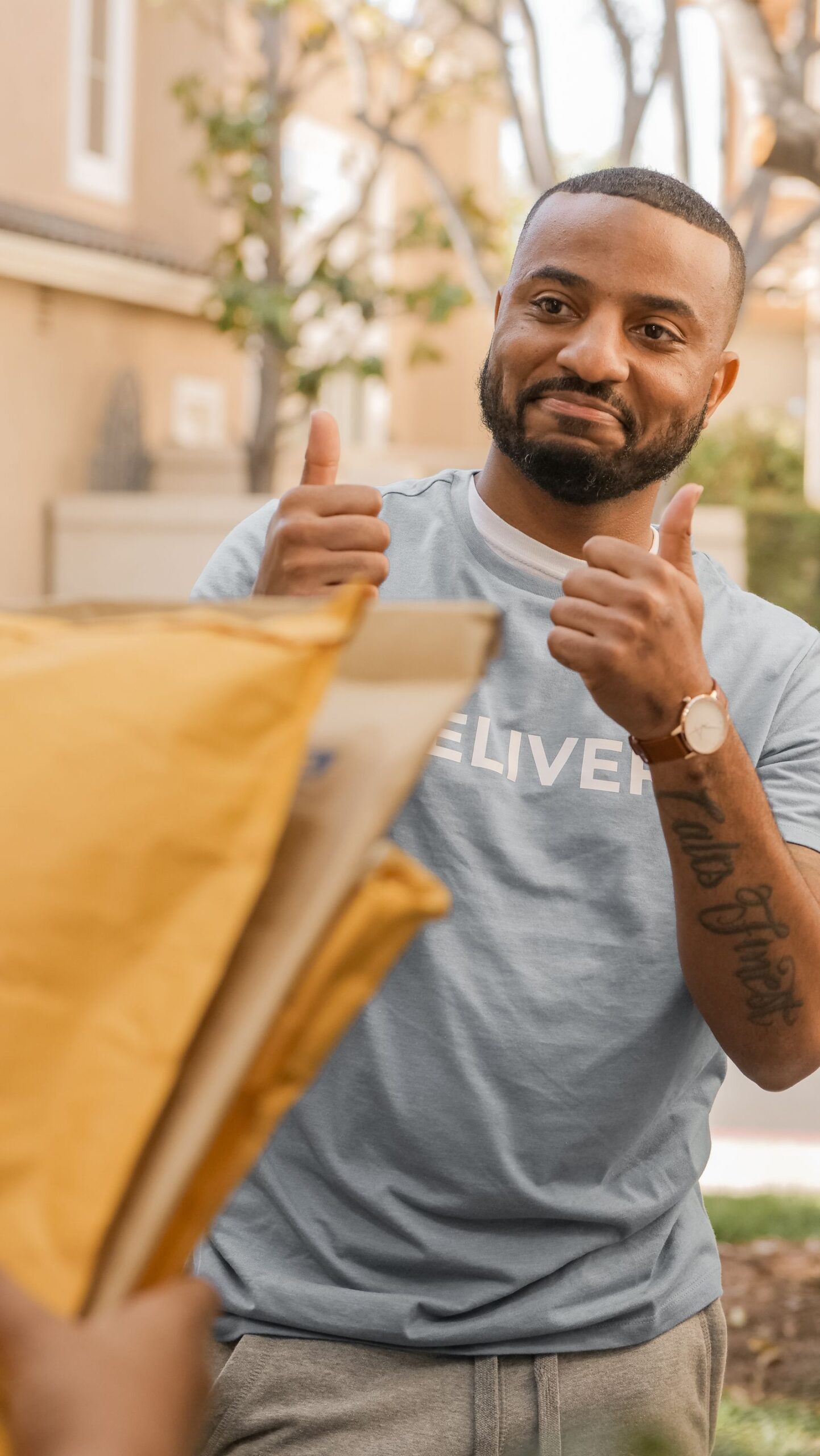
Office and business deliveries are the most underrated orders on DoorDash, Uber Eats, and Spark in 2026. Most drivers avoid them because they’re intimidating. The drivers who figure them out treat Tuesday through Thursday lunch like a second full-time job, because the pay per mile is better, the tips are bigger, and the competition is thinner than at any other time of day. This guide walks you through the whole playbook: when to chase office orders, how to get inside buildings without burning 10 minutes, where to park without getting towed, and how to turn a routine office drop-off into a regular customer who orders from you every day.
Why Office and Business Deliveries Are Worth Chasing in 2026
Here’s the honest math that most gig workers never think about. The Gridwise 2026 Gig Mobility Report found that driver gross pay per trip and per hour grew only about 4% over the past year, while platform fees per trip jumped more than 33%. Translation: the average order got more expensive for the customer and barely better for you. When base pay is flat, the way you earn more is by being selective about which orders you accept.
Office deliveries are the selective driver’s best friend, and here’s why:
- Bigger tickets. A single lunch order for a team of eight is one stop, one pickup, one delivery, and one payout that looks like three normal orders stacked together. Group orders, team lunches, and catering routinely run $40 to $150 on the receipt, which means the tip scales with it.
- Fewer drivers want them. New drivers see “office building” and think gate codes, parking tickets, and confused receptionists. That fear keeps the offer pool thinner, which pushes base pay up in busy downtown markets.
- Recurring volume. Offices order every single weekday. The same marketing team that orders at 11:40 a.m. on Tuesday will order at 11:40 a.m. on Wednesday. Regulars are the closest thing the gig economy has to job security.
- Hybrid schedules created a Tuesday-Thursday goldmine. Post-pandemic office attendance settled into a pattern where most teams are in the office Tuesday through Thursday. That means the middle of the week now carries the lunch demand that used to spread across five days, concentrated into three.
If you’ve been avoiding business districts, you’re skipping the most consistent earning window of the week. Learn the access game once, and every office order after that is easy money.
The Weekday Lunch Rush: When and Where Office Orders Flow
Office delivery is a time-of-day game. You are not trying to deliver to businesses at 8 p.m. You’re trying to be parked near a business district with your apps hot between 11 a.m. and 1:30 p.m., when the bulk of office orders fire. The timing shifts slightly depending on who’s ordering, and knowing the rhythm lets you position yourself before the surge hits.
The 11 a.m. to 1:30 p.m. window
The first wave of office orders starts dropping around 10:45 to 11:15 a.m. as teams place lunch orders early to beat the rush. The second, bigger wave hits between 11:45 a.m. and 12:30 p.m. when everyone realizes they forgot to order. If you’re already sitting in a parking spot near a cluster of office buildings at 11:15, you’ll catch both waves without dead-heading across town. After 1:30 p.m., office volume drops off a cliff, so that’s the natural time to reposition toward residential or dinner prep. Our full guide to the breakfast, lunch, and dinner rush explains how the daily peaks stack up across all three windows.
The best business zones to camp in
Not all offices are created equal. These are the highest-value zones to park near during lunch:
- Central business districts with multiple towers in a two-block radius, where you can complete two or three drop-offs without moving your car far.
- Business parks and tech campuses, which order heavily, have real parking lots, and tip well. The tradeoff is that buildings are spread out, so check the map before accepting.
- Medical offices and clinics. Staff order early (10:30 a.m. is common), they’re friendly, and they rarely have gate-code chaos.
- Courthouses, government offices, and law firms, which generate steady, well-tipped lunch orders from assistants who order for the whole floor.
Learn which clusters exist in your market and position between them. The drivers who make the most during lunch aren’t the ones who drive the most; they’re the ones who sit in the middle of the highest-density zone and let the offers come to them.
Gate Codes, Lobbies, and Front Desks: Getting Inside Without the Headache
This is the section every driver dreads, and honestly, it’s the least of your problems once you have a system. Business access follows patterns, and patterns are learnable. The apartment delivery guide on this site covers residential gate codes in detail; offices work the same way, except you’re usually dealing with a front desk instead of a locked apartment door.
Gate codes and call boxes
Check the delivery instructions before you even leave the restaurant. Roughly half of office orders include a gate code, a call box number, or a note like “buzz 1404.” If the code isn’t there, the call box directory is your friend: search for the company name, not the person. Most office call boxes list businesses, so “Smith Law Group” beats hunting for an employee’s name you’ve never heard. Save every code you learn in your phone’s notes app. After a month, you’ll have a list of the 20 buildings in your zone and their codes, and you’ll walk past the gate while new drivers fumble.
The front-desk handoff
Walk in with the order visible, smile, and say exactly this: “Delivery for [person’s name] with [company], lunch order.” The front desk staff hears this sentence 50 times a day; make it easy for them to help you. If the order says “leave at front desk,” place it on the counter, take your photo, and confirm the customer’s name is on the bag. If it says “hand it to me,” ask the desk to call the customer or point you to the elevator. Many buildings require you to leave the order at the desk for security reasons, and that’s fine as long as the app instructions say so.
When nobody’s at the desk
Smaller offices and after-hours deliveries often have an empty lobby. Your move: call the customer first, then text a photo of the order at the desk with the building name visible. If the app has a “leave at door” instruction, the desk is your door. Never leave food on the floor of a busy lobby where someone can trip over it or walk off with it, and never hand an order to a random stranger who “looks like they work here.” The customer communication guide covers the exact text scripts that get a fast reply when a lobby is empty.
Parking for Office Deliveries Without Getting Towed
The single biggest reason drivers decline office orders is parking, and it’s also the most overblown fear. In 2026, most downtown delivery zones have gotten friendlier to commercial drivers because cities finally realized restaurants and offices need deliveries. But you still have to know the rules:
- Loading zones are legal for you. Many cities let delivery vehicles use commercial loading zones for short stops. A $2,500 tow bill is the worst case scenario, so read the sign: if it says “commercial vehicles only,” you’re in the right place. If it says “permit only,” keep moving.
- Use the front desk as a lookout. Tell the receptionist you’ll be two minutes and ask them to keep an eye on your car. In most buildings they’re happy to help, and it turns your biggest anxiety into a solved problem.
- Hazards are worth it for short stops. If you’re in a quiet business park with no traffic, a quick hazard-light stop at the curb for 90 seconds is a calculated risk most drivers take. The key word is quick: run the order in, don’t browse your phone.
- When to decline. If the drop-off is a metered street in a tow-zone-only block with no loading zone in sight and the order pays $4, decline it. Parking risk should be priced into the offer, and a low-paying order with tow risk is a losing bet every time.
Pro tip: scout your business zone once on a Sunday. Drive the streets, note every loading zone and free lot, and save them in your maps app. Ten minutes of homework makes every lunch shift smoother.
Catering and Large Office Orders: The Best-Paying Deliveries on the Apps
If office delivery is the underrated side of the gig economy, catering is the crown jewel. Catering orders are the highest base pay per mile you’ll see on any app, and office catering is the most common source of them. A team lunch for 15 people means one pickup, one drop-off, and a tip that often lands between $15 and $30 because the person ordering is expensing it and the team is hungry.
How to handle catering like a pro
Catering deliveries demand more than a burger run, but the checklist is short:
- Call ahead. Ten minutes before you arrive, call the customer and say you’re on the way. Catering customers are usually waiting for you, and a heads-up means they meet you at the lobby instead of you standing there holding 40 pounds of food.
- Bring a hand truck or sturdy bags. If you take catering orders regularly, a $30 folding cart pays for itself in one week. Your back will thank you, and so will your tip.
- Check the delivery window. Catering orders have a promised time and a team of people waiting. If you’re running late, call. Nobody’s day is ruined by a heads-up; everyone’s day is ruined by cold food at 1:15 for a noon meeting.
- Arrive a few minutes early and text your ETA so the customer can meet you at the door.
Our complete catering and large-order guide breaks down how to spot the good catering offers, what to charge, and how to handle the heavy-lift logistics without wrecking your car.
Office Delivery Etiquette That Pushes Tips Higher
Office customers tip better than residential customers on average, but they tip the drivers who make their lives easy. The difference between a $3 tip and a $10 tip is usually three small habits:
Text before you arrive
Send a quick message when you’re 5 minutes out: “Hey [name], your lunch from [restaurant] is arriving in about 5 minutes. I’ll leave it with the front desk unless you prefer otherwise.” It takes 10 seconds, it sets the expectation, and it prevents the “I didn’t get my food” confusion that costs you ratings. This is exactly the kind of proactive communication covered in our customer communication guide, and it’s the highest-ROI habit in delivery.
Look the part
You don’t need a uniform, but a clean shirt and a visible phone with the order matters more at an office than at a house. Some office buildings require a badge or an escort for delivery drivers; ask at the desk politely, and most security teams will fast-track you if you’re friendly and clearly doing your job.
Deliver to the right floor
If the instructions say “floor 8, suite 805,” take it to floor 8, suite 805. It sounds obvious, but a surprising number of drivers dump orders at the lobby desk because the elevator is slow. If you can’t go up, call the customer and ask them to come down or authorize a desk drop. The person who walks it to the door gets remembered, and regulars request-friendly drivers in the app whenever they can.
Nail the photo for office drop-offs
When you leave an order at a front desk, take the photo with something identifying in frame: the building directory behind the desk, a sign, anything that proves it’s the right office. Bad photos cause “order not received” claims, and those claims are the fastest way to burn your acceptance and ratings. The delivery photo guide has the exact framing tips that keep customers happy and your account protected.
Stacking Office Orders With Multi-Apping
Business districts are the single best place in any market to run multiple apps at once, because the density means you can complete two or three deliveries within a few blocks. If you’re running DoorDash and Uber Eats together, position in a business zone at 11:30 and you’ll regularly see offers from both apps at the same time. Our multi-apping strategy guide covers the general rules; here’s the office-specific version:
- Stack by proximity, not by payout. Two $8 office orders in the same tower are better than one $12 order three miles away. Your per-hour rate is what matters, and density is how you win it.
- Never stack catering with two other orders. A catering drop-off has a hard window. Take it solo, or pair it with a single small order in the same building.
- Watch your timing on the first drop. The first office order in a stack should be the one closest to your current position, not the highest paying. Slow first drops make the second customer hangry.
- Use the lunch overlap. Apps are busiest between 11:45 and 12:30, which is exactly when double offers from different apps are most likely. Position yourself, pause the app that’s quiet, and let the busy one drive.
After-Hours and Non-Food Business Deliveries
Office delivery doesn’t end when lunch does. A whole second tier of business deliveries runs outside the lunch window, and most of it is even less competitive:
- Pharmacy and medical deliveries to clinics and vet offices, which order supplies and patient deliveries throughout the afternoon.
- Office supply and retail deliveries to businesses that need a part, a document, or a replacement device before close.
- After-hours snack and coffee runs for evening teams, which tip generously because they’re expensing it.
- Flowers and gifts to receptionists, which spike around holidays and are some of the easiest, best-tipped orders you’ll ever take.
The logistics are the same as the hotel delivery playbook: reception desk handoffs, security check-ins, and clear communication. Learn the desk etiquette once and it transfers to every business drop-off you’ll ever take.
Frequently Asked Questions About Office Delivery
Do you have to go inside office buildings for delivery?
Only if the instructions say so. Many office orders are “leave at front desk” or the customer comes down to meet you. When the app says “hand it to me” or gives a floor and suite, you should make the effort to complete it properly. If a building’s security won’t let you up, call the customer and work it out; never mark a delivery complete before the food is actually handed off.
What if the office is locked and nobody answers?
Try the call box directory for the company name, then call the customer, then text. If no one responds after a few minutes, contact support before the timer runs out. Leaving food at an unlocked office door is only acceptable when the customer explicitly authorizes it; otherwise it’s a “not received” claim waiting to happen.
Can you leave food at the front desk?
Yes, when the app instructions say “leave at door” or the front desk accepts deliveries. Confirm the customer’s name is on the bag, take a photo with something identifying in the frame, and text the customer so they know where it is. If the desk staff offers to call the customer, say yes.
Are office deliveries worth it compared to houses?
Usually, yes. Office orders have bigger receipts, better tips, and less driving per order because business districts are dense. The downsides are access friction and parking, both of which shrink once you learn your zone. Track your per-hour rate for a week with and without office orders and let the numbers decide.
What time should I work to catch office orders?
Be positioned in a business district by 11:15 a.m. and plan to work through 1:30 p.m. Tuesday through Thursday are the strongest days in most markets. Monday and Friday are lighter because more people work from home, but they’re still better than weekend office traffic, which is basically zero.
The Bottom Line: Offices Are Where the Consistent Money Is
Office delivery isn’t complicated; it’s just unfamiliar. Learn the gate codes, master the front-desk handoff, price parking risk into every offer, and show up during the lunch window, and you’ll have a reliable earning block that most drivers in your market are too scared to touch. The drivers who win the weekday lunch rush aren’t the fastest or the luckiest. They’re the ones who know the buildings.
If you’re not signed up for Uber Eats yet, this is the year to start. New drivers in select US cities can earn up to $2,575 after completing their first deliveries, and the lunch-rush strategy in this guide works on Uber Eats exactly the way it works everywhere else. Sign up using the button below and use referral code vuccxew to get started.
Ready to Start Delivering?
Sign up for Uber Eats today and earn a $2,575 guaranteed bonus after completing your first 200 deliveries in select US cities. New drivers only, terms apply.