
You’ve seen them sitting in the offer pool. A Spark batch or an Instacart order where the pay is base only — no tip line, no surge, just miles and a cart full of groceries. And you’ve probably wondered: is this an EBT order? And more importantly, is it worth my time?
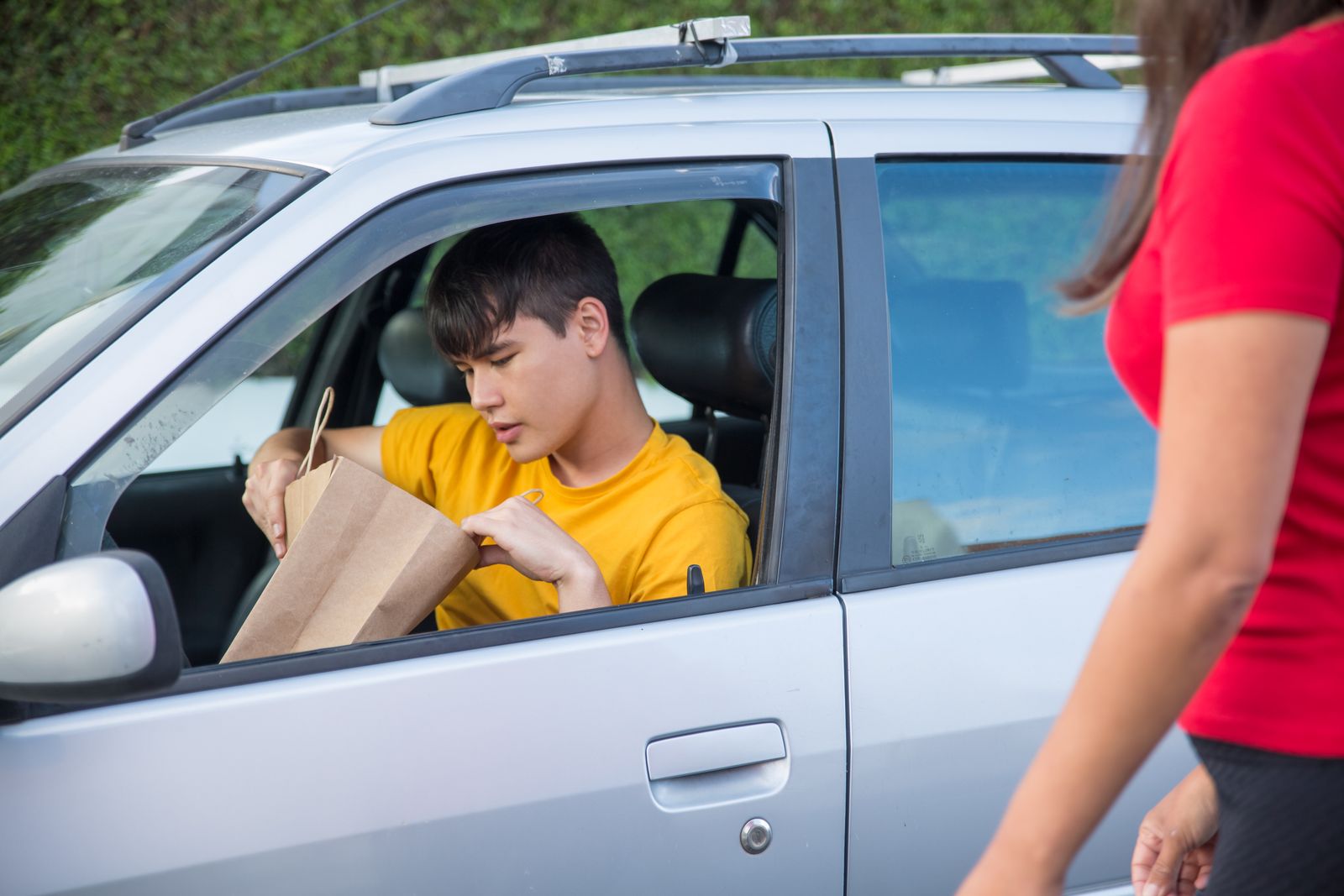
By 2026, EBT and SNAP delivery isn’t a niche thing anymore. The USDA’s online purchasing expansion has been rolling out state by state for years now, and millions of SNAP households can order groceries online and get them dropped at their door. Somebody has to deliver all of that — and that somebody is you.
Here’s the honest, driver-to-driver breakdown of EBT delivery in 2026: which apps actually accept EBT, why these orders so often come with no tip, what the recent $100 million Spark settlement means for your pay, and the exact strategy I’d use to decide whether an EBT batch is worth accepting.
What EBT Delivery Actually Is (and Why You’re Seeing More of It)
EBT stands for Electronic Benefits Transfer — the card that SNAP benefits (what most people still call food stamps) are loaded onto. For decades, SNAP could only be used in physical stores. Then the USDA started piloting online purchasing, and after the pandemic-era expansion, online EBT grocery orders became permanent in most states.
Here’s the key number to understand: SNAP pays for food only. When a customer checks out with an EBT card, the benefits cover the groceries — but the delivery fee, the service fee, and your tip all have to be paid with a separate, non-benefit payment method like a debit card, credit card, or cash on delivery.
That single rule drives almost everything about how EBT orders pay. It’s why some customers tip fine (they have a card on file and add a tip at checkout) and why others physically cannot tip (they never attached a non-EBT payment method, or they’re paying for a family member’s order).
Why 2026 is the year EBT orders exploded
State after state has expanded online SNAP purchasing, big-box grocers rolled out their own app ordering, and both Instacart and Walmart’s Spark program are now major EBT delivery channels. Add in SUN Bucks (summer grocery benefits for school-age kids) rolling out nationally, and you have a steady, year-round stream of benefit-funded grocery orders hitting driver pools in almost every market.
Which Delivery Apps Accept EBT in 2026?
Let’s go app by app, because the answer is different for each one — and a lot of drivers assume they’re all the same. They’re not.
Instacart
Instacart is the biggest EBT-friendly platform. Shoppers can use EBT SNAP at participating retailers in every state except Alaska, and Instacart also accepts SUN Bucks. One important catch: EBT cash benefits are not accepted — SNAP and SUN Bucks only, per Instacart’s own help docs.
For you, that means EBT orders show up as regular shop-and-deliver batches. They look like any other grocery order in the queue — which is exactly why you need the batch-screening habits in the next section. If you’re new to shopping orders, our complete shop-and-deliver guide covers the workflow from aisle to doorstep.
Walmart Spark
Walmart accepts SNAP for online grocery orders, and those orders get delivered by Spark drivers. EBT orders arrive in your Spark offer pool right alongside cash-paying customers, usually marked by the pay breakdown — base pay plus incentive with no tip line, or a tip that’s suspiciously small.
Spark is also the app where the EBT no-tip problem is loudest. Driver communities are full of threads asking why EBT customers don’t tip — and the answer from customers themselves is usually that the app didn’t give them a tip option unless they added a separate payment method. For a full picture of what Spark actually pays, check our breakdown of real Spark driver earnings.
DoorDash and Uber Eats
Here’s the part that surprises people: for the most part, DoorDash and Uber Eats do not accept EBT for restaurant delivery. SNAP is a grocery benefit — it generally can’t pay for a restaurant meal. A handful of states run Restaurant Meals Programs that allow prepared food purchases for elderly, disabled, or homeless SNAP recipients, and those programs are slowly expanding, but they’re a drop in the bucket.
Bottom line: if you’re a restaurant-delivery driver, you rarely see EBT orders. This is mostly an Instacart and Spark conversation — and that’s exactly where grocery demand is growing fastest.
The No-Tip Reality: Do EBT Orders Tip?
Let’s answer the question every driver asks first: do EBT orders tip?
The honest answer: often no — but not for the reason you think. It’s not that SNAP customers are cheap. It’s that the checkout flow frequently makes tipping impossible. If the customer only pays with their benefits card and never attached a debit or credit card to their account, there’s no tip option at all. The app literally won’t let them tip you.
This creates a strange two-tier system: some EBT customers tip normally (their account has a card on file), and others tip exactly zero — not out of spite, but because the system has no way for them to tip. You can’t read the difference from the offer screen, which is why EBT batches feel like a coin flip.
How to spot a likely no-tip EBT batch before you accept
- No tip line on the offer card. On Spark, an order with zero tip shows a bare pay breakdown. On Instacart, the batch pay with no tip attached is your tell.
- High item count, low pay. EBT orders skew toward big grocery carts — $150+ of food — because benefits are the point. A 40-item order paying $12 is a red flag.
- Miles vs. pay math. If the base pay doesn’t clear $1 per mile round-trip, a no-tip EBT order is a money loser after gas and wear.
And if you do get tip-baited — a tip shown at acceptance that vanishes after delivery — that’s a separate scam entirely, and we’ve got a full guide on surviving tip baiting on DoorDash and Uber Eats.

When an EBT order is still worth taking
Not every no-tip EBT batch is a dud. Take it when any of these are true:
- The base pay is genuinely good. Spark and Instacart both raise base pay on batches nobody wants. A $22 base for 4 miles beats a $6 base with a $4 tip on a 10-mile run.
- The item count is low. A 12-item EBT order shops in 15 minutes. A 55-item order eats an hour of your shift.
- It’s slow anyway. On a dead Tuesday afternoon, a guaranteed $15 base beats sitting in a parking lot for nothing — especially if it keeps your acceptance rate healthy. That math matters more than drivers think, which is why we wrote the full breakdown of acceptance-rate strategy without wrecking your earnings.
The $100 Million Spark Settlement: What the FTC Found About Pay and Tips
If you drive for Spark, you need to know about this one. In February 2026, Walmart agreed to a $100 million judgment to settle charges from the Federal Trade Commission and 11 state attorneys general over how Spark Driver pay was marketed to drivers.
Here’s what the FTC alleged: Walmart made deceptive claims about what Spark drivers could earn — including base pay, incentive pay, and tips — and in the process obtained drivers’ bank and financial information under those false pretenses, which the FTC says violated both the FTC Act and the Gramm-Leach-Bliley Act. The complaint described drivers being recruited with promises of income that the company allegedly knew most drivers wouldn’t come close to hitting.
For drivers, the practical takeaways are:
- Your complaints were validated. Years of driver threads complaining about phantom earnings and tip games ended with federal regulators on the drivers’ side. It’s the same pattern as the NYC tips-stolen cases against DoorDash and Uber Eats.
- Watch for refund information. The $100 million judgment is designed to provide money to drivers harmed by the practices. The FTC maintains a Spark Driver FAQ page with the official details — if you drove for Spark in the affected period, it’s worth checking so you don’t miss any claim window.
- Track your own numbers. When earnings marketing gets this scrutinized, the lesson is to trust your own per-mile math over any app’s “up to $X/hour” banner.
How to Make EBT Orders Pay in 2026
Okay, strategy time. EBT orders aren’t a trap — they’re a math problem. Here’s how to make them work in your favor.
Run the numbers before you accept
Your rule of thumb for any EBT batch: base pay must clear $1 per mile round-trip, and the item count has to be shop-able in a reasonable time. Grocery shopping is work — you’re walking aisles, hunting for substitutions, and hauling cases of water. A 30-item EBT order at $18 for 3 miles can beat a 10-item restaurant order at $9 for 5 miles. Judge the batch, not the label.
Pair EBT batches with tipping orders
EBT orders don’t have to be your whole shift. Run them alongside a tipping app so the no-tip losses average out against cash-paying customers. This is the whole game of multi-apping across DoorDash, Uber Eats, Spark and Instacart — and grocery orders are uniquely good for it because they’re predictable and usually leave you near a store for the next pickup.
Know your market’s base pay
Spark and Instacart base pay varies wildly by market. In some zones, base pay on a 5-mile EBT order is $14; in others it’s $7. You can’t decide whether EBT orders are worth it without knowing your local baseline — track your last 20 offers and see where the floor actually sits.
Track everything for tax time
EBT or not, every delivery dollar is taxable income, and every mile is a deduction. Benefit-funded orders are still income to you — the customer’s payment method doesn’t change your 1099. Keep your mileage log tight, and when tax season hits, remember that tips you keep may qualify for the no-tax-on-tips deduction under the 2026 rules.
EBT Customer Etiquette That Protects Your Rating
A lot of EBT customers are new to delivery. Maybe they’re older, maybe they’re homebound, maybe they just got benefits and this is their first online order. A little patience goes a long way — and it protects your rating while you’re at it.
- Communicate substitutions. On Instacart EBT orders, the customer’s benefits only cover approved items. If you swap in a non-covered product, they can end up paying cash for it — so message before you substitute, or pick the closest eligible option.
- Follow drop instructions exactly. Many EBT customers use delivery because they can’t easily get to a store — the door drop matters more than usual. Take the photo, ring the bell if asked, and don’t leave groceries in the sun.
- No judgment, ever. You don’t know anyone’s situation. Treat every order the way you’d want your own groceries treated. The driver who gets known as the reliable grocery person gets the repeat customers and the cash tips when they’re offered.
The Bottom Line: Should You Take EBT Orders in 2026?
Yes — selectively. EBT orders aren’t the enemy, and they’re not the goldmine either. They’re a steady stream of work that pays on base alone, which makes them perfect for slow periods, good for acceptance rate, and dangerous if you accept them blindly.
Run the per-mile math, watch the item count, spot the no-tip tells, and let the grocery-delivery guides sharpen your shopping speed. And if your market’s grocery volume is thin, the fix is the same as it’s always been: more apps, more hours in the right windows, and more attention to the batches that actually pay.
Whatever you drive, the drivers who win in 2026 are the ones stacking income streams instead of relying on one app. If you’re not on Uber Eats yet, now’s a good time to fix that.
Get Paid More with Uber Eats
New drivers in select cities can earn up to $2,575 after completing their first deliveries.
Start Earning $2,575 with Uber Eats →
Terms apply. Offer available in select US markets. New drivers only.