


Van Delivery in 2026: The Cargo Van Guide for DoorDash, Uber Eats & Amazon Flex Drivers
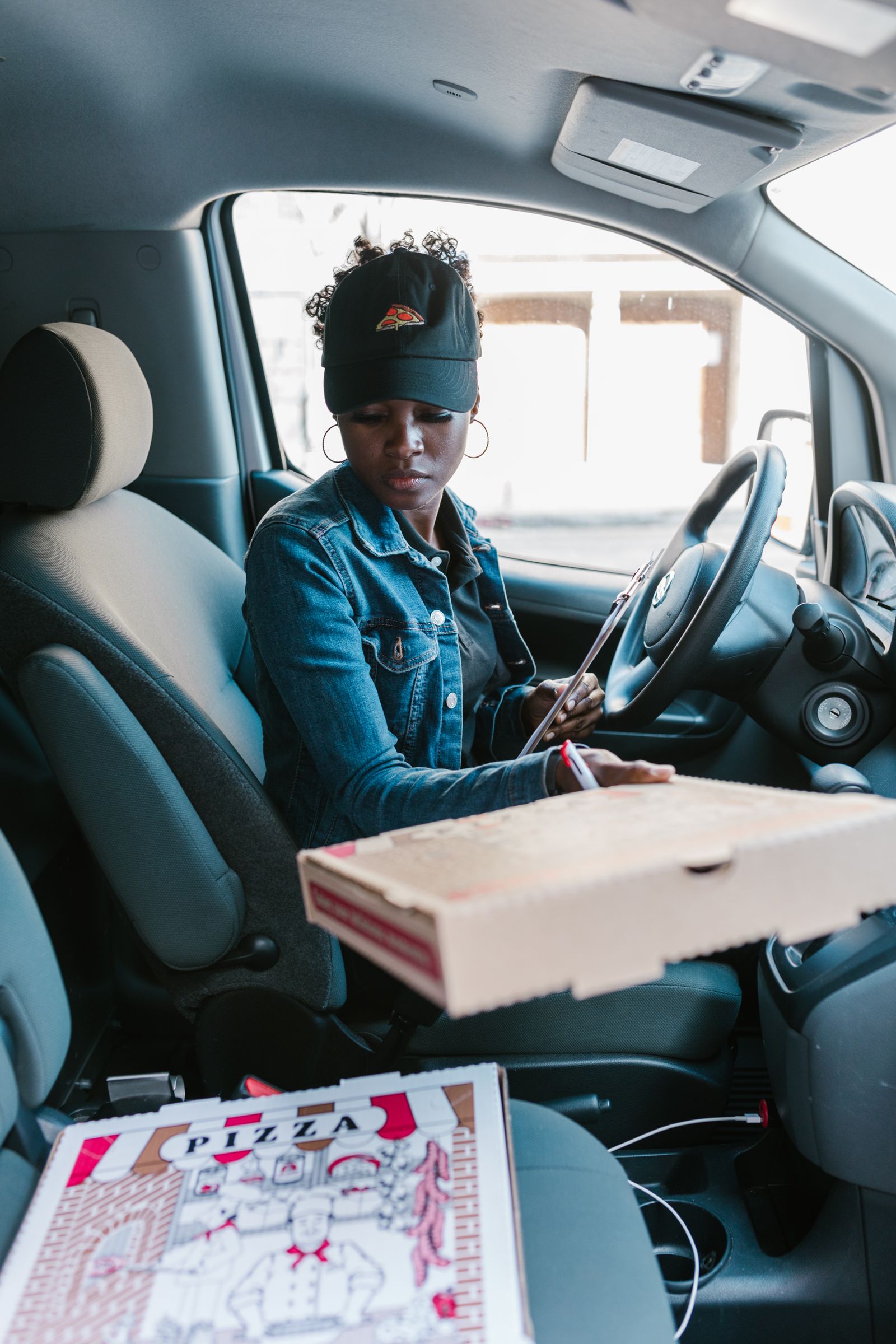
You’ve been driving a sedan or hatchback for months. The back seat is stacked with hot bags, the trunk lid barely closes, and every catering order or big grocery batch makes you sweat. Then you see it: the driver in the cargo van pulling up to the same pickup, loading three orders while you fit one. You start wondering whether van delivery is the edge you’re missing.
Here’s the honest answer: a cargo van can genuinely change your earnings in 2026 — but only if you run the right orders in the right market. The van is not a magic switch. It’s a tool with real costs, real insurance gotchas, and a few big advantages that only show up on certain types of deliveries. This guide walks you through all of it, driver to driver.
Why Drivers Are Switching to Vans in 2026
The gig economy changed shape over the last couple of years. Food delivery is still the bread and butter, but the money is moving toward bigger payloads: catering orders, multi-bag grocery batches, retail pickups, and package work. Platforms pay a premium for these because most drivers physically can’t handle them.
That’s the whole van thesis. When DoorDash, Uber Eats, or Spark sends out a large order, the algorithm needs a driver with space. If you have the space, you see those pings first — and you’re not competing against the entire driver pool, just the subset with bigger vehicles. In saturated markets where small-order pay keeps sliding, that’s a real edge.
Amazon Flex is the clearest example. Flex publishes vehicle requirements for a reason: standard blocks need a 4-door mid-size car or larger, but the XL blocks that pay the most are reserved for drivers with vans, SUVs, and trucks. Those XL routes are where the serious hourly numbers show up — the trade-off being more lifting and more miles. If you want to know exactly how much unpaid repositioning eats into that, read our dead mileage guide for delivery drivers before you commit.
The Real Cost of Running a Delivery Van
Let’s talk money, because the van’s upfront price tag is only the beginning. Every cost below lands differently than it does on a car, and drivers who skip this math are the ones who quit van delivery after three months.
Fuel: Your Biggest New Line Item
A compact car doing delivery averages 30–40 mpg. A cargo van? Realistically 15–22 mpg, depending on load, city driving, and whether it’s a Transit Connect or a full-size Sprinter. At 2026 fuel prices and 100–150 delivery miles a day, that gap is easily $8–$15 per shift. Over 25 shifts a month, we’re talking $200–$375 in extra fuel — real money that has to come out of your larger orders.
Insurance: The Cost Nobody Warns You About
Here’s the part most van-curious drivers never see coming: your personal auto policy does not cover commercial delivery in a van. When you deliver food in a sedan, insurers often look the other way on the “business use” exclusion — it’s a gray area and lots of drivers get away with it. With a cargo van, there’s no gray area. Vans scream commercial use. Insurers will quote you a commercial policy, and if you lie and get caught after an accident, you’re looking at a denied claim and a canceled policy.
Commercial van insurance for gig delivery typically runs noticeably higher than a personal policy — think 1.5–3x depending on your record, the van’s value, and your state. That’s why our cargo insurance guide is required reading: it breaks down the difference between liability, cargo coverage, and the delivery endorsements that actually protect you.
Maintenance and Tires
Vans carry more weight, and it shows. Brakes, tires, and suspension parts wear faster under delivery loads. Full-size van tires are pricey, and a cargo van doing 2,000+ miles a month will eat through them on schedule. Budget at least a few hundred dollars a month for maintenance and tires — and keep a repair fund, because a blown transmission in a work van doesn’t wait for a convenient month.
Where Vans Actually Pay Off: Catering, XL & Package Work
Not all van orders are created equal. The drivers making real money in vans are selective. These are the categories that justify the vehicle:
- Catering orders. DoorDash and Uber Eats catering pings regularly pay $25–$60+ for a single delivery because they carry chafing dishes, drinks, and sometimes a full crew’s worth of food. A van fits it all without stacking boxes on the passenger seat.
- Amazon Flex XL blocks. The big-box routes pay better per hour than standard blocks and are van-only territory. Yes, you’ll lift more, but the pay-per-mile math usually works.
- Large grocery batches. Instacart and Spark regularly batch 40–60 item orders that sedans physically cannot carry. Vans get these pings routed to them first.
- Retail and package delivery. Walmart, Home Depot, and same-day retail deliveries need cubic feet. This is where a van’s cargo volume turns into dollars.
Run those categories and the van pays for itself. Run nothing but single burrito orders and you’re burning diesel to make sedan money.
Amazon Flex in a Van: What Actually Changes
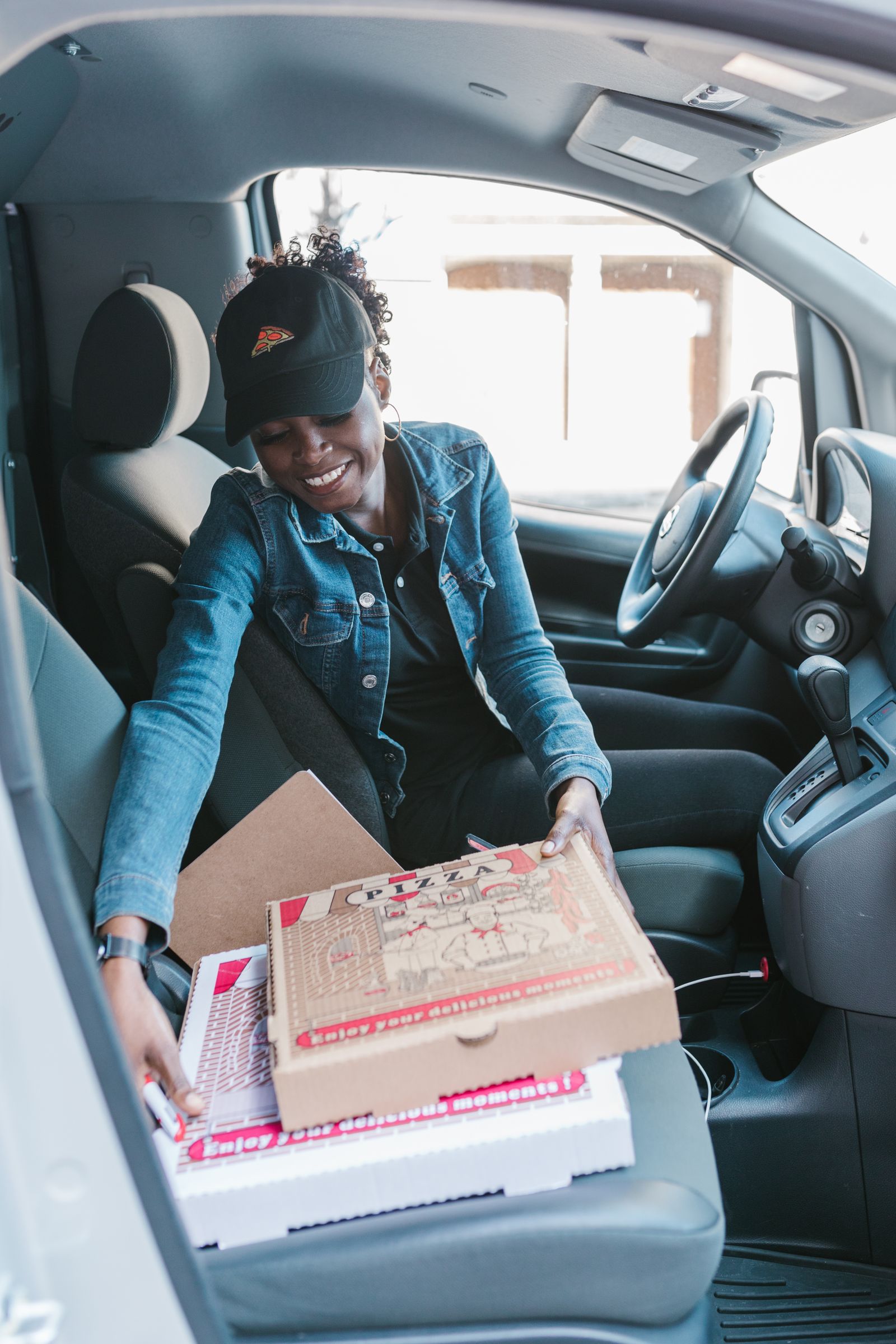
Amazon Flex is the most van-friendly app in the gig stack, and it deserves its own section. Flex splits work into standard blocks (4-door mid-size and up) and XL blocks (vans, SUVs, pickups). The XL blocks are the reason van drivers exist on the platform.
Headline rates for Flex in 2026 sit around $18–$25 per hour, but that’s before your costs. Once you subtract gas, maintenance, and depreciation, effective earnings land closer to $12–$18 per hour — and that math gets better with a van if you’re running XL routes with fewer stops per mile. The catch is the surge game: XL blocks disappear fast in competitive markets, so you’ll be refreshing the offers screen at the right moments. If you’re new to the app, our best times to deliver guide covers when blocks actually surge.
Buying, Leasing, or Renting a Van: The 2026 Math
You don’t need to own a van to start van delivery, and that’s a decision worth making deliberately.
Buying used is the cheapest entry point — a well-maintained used Transit Connect or ProMaster City can be found in the $12,000–$20,000 range. The risk is the unknown maintenance history on a vehicle that’s about to work hard. Get a mechanic’s inspection before you commit.
Leasing trades monthly cost for predictability and gets you a warranty. But lease mileage limits are the trap: delivery easily blows past 10,000–15,000 miles a year, and overage fees at $0.25/mile add up fast. Our car leasing guide runs the full lease-versus-buy numbers for delivery work.
Renting (Hertz, Enterprise, or gig-specific rental programs) is the zero-commitment test. Rent a van for two weeks, run your normal routes, and let the numbers decide. It’s the cheapest way to find out whether van delivery suits your market before spending five figures. See our rental car guide for delivery drivers for the rental programs that actually allow gig use.
Van Delivery Pro Tips From the Driver Seat
A few hard-won lessons from drivers who’ve been running vans for a while:
- Organize by zone. Shelving or milk crates that divide your cargo area by order number turn a chaotic van into a system. You stop digging through bags at every drop-off, which saves minutes per stop and keeps food intact.
- Watch your clearance. Parking garages, drive-thrus, and low awnings are your enemies. Know your van’s height and keep a mental map of which pickup spots you physically can’t enter.
- Track your per-mile, not per-hour. A van changes your cost structure, so your profitability metric has to change too. The where your delivery money goes breakdown shows how fees and costs eat into gross pay — the same logic applies to van math.
- Insulate and secure the cargo area. Hot bags still matter inside a van; the cargo bay gets cold in winter and hot in summer. And lock the van on every handoff — van theft of packages and gear is real.
- Keep a phone mount rated for the vibration. Vans ride rougher than cars, and a cheap mount will drop your phone mid-route. Our best phone mounts guide has options that survive real road miles.
Is a Van Worth It in 2026? The Bottom Line
Van delivery is worth it if — and only if — your market has the work. Check your area before you buy anything: open the apps, look at the catering and XL order volume during dinner rush, and ask other drivers in local Facebook groups what large-order volume looks like. If catering pings are rare in your zone, a van is just a more expensive way to deliver burritos.
If the work is there, the path is clear: rent first, run the numbers for two weeks, then decide between buying used and leasing. Budget for commercial insurance, fuel, and maintenance from day one, and run the big-order categories exclusively. Do that, and the van stops being a cost center and becomes the reason you see pings other drivers never get.
New to Delivery? Start Earning with Uber Eats
New drivers in select cities can earn up to $2,575 after completing their first deliveries. More space, bigger orders, better pay-per-mile.
Start Earning with Uber Eats →
Must be 21+. Background check required. Terms apply.