

You just watched a $38 order slide off your passenger seat and hit the floor. The drink exploded. The burrito is now a burrito-shaped pancake. And the customer is already typing something that starts with “why is my food…”
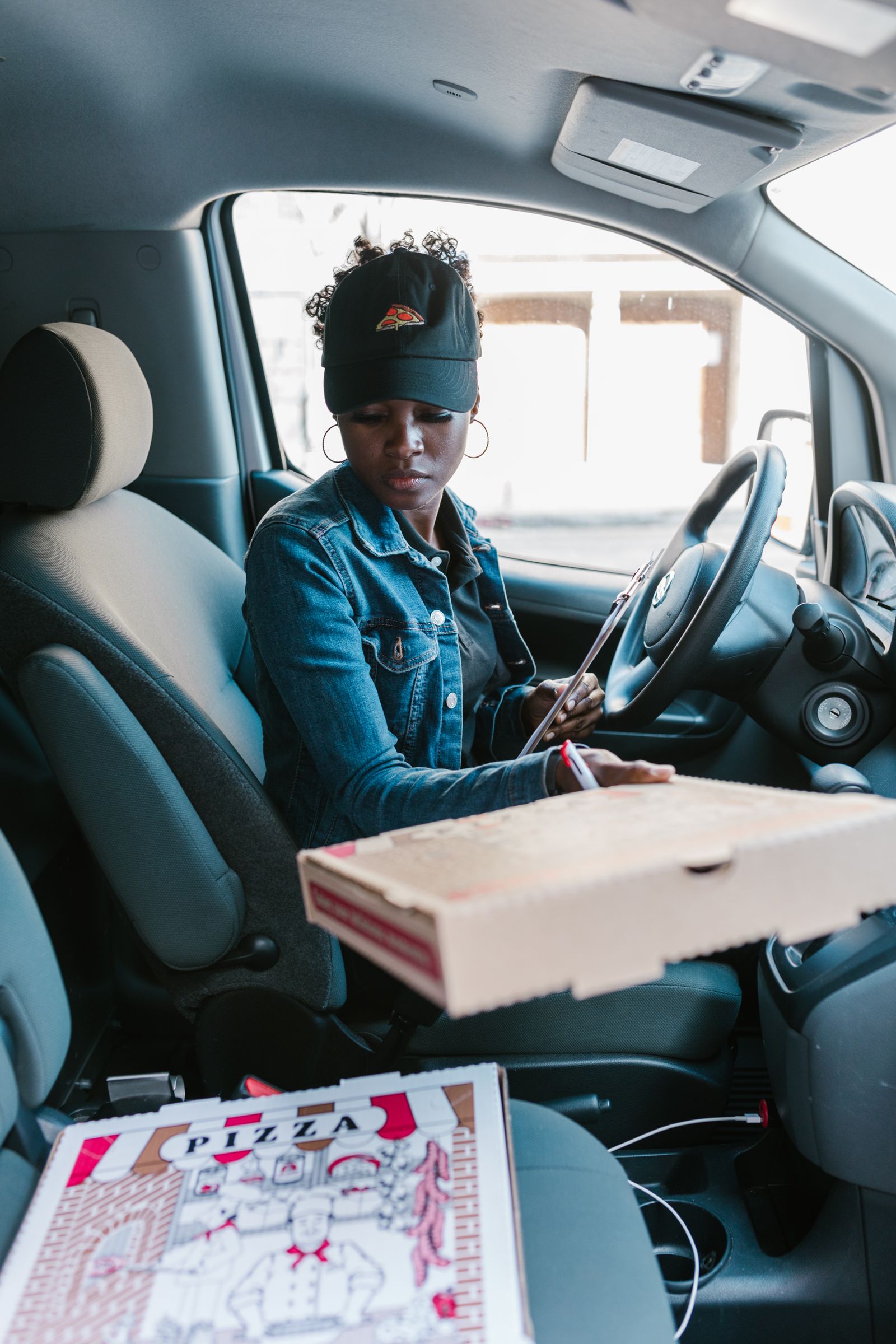
Here is the part nobody tells you when you sign up: the apps do not cover the food in your car. DoorDash, Uber Eats, Instacart and Spark give you liability insurance for crashes, not cargo insurance for the stuff in your back seat. If that $38 order is ruined, the cost comes out of your pocket — and if it happens often enough, your account takes the hit too.
I drove full-time for three years before I understood the difference between “I’m insured while delivering” and “my cargo is covered.” They are not the same thing. This guide breaks down what cargo insurance for delivery drivers actually means in 2026, what the apps really cover, what it costs, and when you should buy it.
What “Cargo Insurance” Actually Means for a Delivery Driver
Cargo insurance — sometimes called goods-in-transit coverage — protects the items you are hauling, not your vehicle. If you crash, that is auto insurance. If your insulated bag tips over in a hard corner and ruins three orders, that is a cargo claim. If somebody steals a package off your seat while you are inside the restaurant, that is cargo loss too.
For a food delivery driver, the “cargo” is whatever is in the car: restaurant orders, catering trays, grocery bags, drinks, flowers, retail packages. For most of us the value per trip is small — $20 to $80 — but it adds up fast across a shift, and the damage patterns are predictable: spilled drinks, crushed cakes, melted groceries, and orders that get stolen or lost.
Here is the key distinction most drivers miss. Your auto policy and the app’s policy both focus on the car and other people’s property. Cargo insurance focuses on your load. Different risk, different policy, different price.
What the Apps Actually Cover (and What They Don’t)
Every major delivery app gives you some level of commercial auto liability while you are on an active delivery. That coverage is real — and it is not the gap. The gap is that none of the apps insure the cargo you are carrying.
- Uber Eats: provides up to $1 million in commercial auto liability while you are on a delivery, plus limited coverage between orders. That covers damage you cause to others in an accident. It does not pay for the food that spilled in your car.
- DoorDash: similar structure — liability coverage during active deliveries, with gaps in the “waiting for an offer” window. Dasher support will walk you through a damaged-order report, but that process is about the customer’s refund, not reimbursing you.
- Instacart and Spark: the same story for shop-and-deliver orders. If a gallon of milk rolls around your trunk and wrecks a bag of groceries, the shopper eats the cost of the replacement — and the customer’s rating of you takes the hit.
Think of it this way: the app’s policy protects them (and by extension, people you might hit). It does not protect you from losing money on a ruined load. That is cargo risk, and in 2026 it is entirely on the driver.
Before you decide anything about coverage, it is worth understanding how your own car policy fits in — the basics are in our delivery driver insurance guide, and the accident side of it in our what-to-do-after-a-crash guide.
The Gap That Bites: Your Personal Policy Excludes Business Use
Here is the part that gets drivers in real trouble. Your personal auto policy almost certainly contains a business-use exclusion. If you are doing paid deliveries and your insurer finds out, they can deny the claim — even a claim completely unrelated to the food in your trunk.
Industry estimates in 2026 put the cost of a rideshare or delivery endorsement on a personal policy at roughly $15 to $30 per month — cheap insurance against a six-figure denied claim. A handful of insurers now sell policies that explicitly allow food delivery; others offer a delivery endorsement that closes the gap between “personal use” and “commercial use.”
That endorsement is about your vehicle coverage though. It does not add cargo coverage. So you can be perfectly legal on the auto side and still have zero protection for the load in your back seat. The two gaps are separate, and drivers who only fix one still get burned on the other.
If you want the full picture on what you can write off while sorting this out, our delivery driver tax deductions guide covers insurance premiums and how they interact with the standard mileage deduction.
When You Are On the Hook: Real Cargo Loss Scenarios
Let me walk you through the four cargo-loss situations that actually happen on the road — and what happens to your money in each one.
1. The spilled drink. You took a corner like you were in a commercial, the cup toppled, and the bag is soaked. The customer reports it, the app refunds them, and you get zero for the order — you still paid the gas and the time. If the drink damages the seat, that is on you too.
2. The crushed cake or melted groceries. Shop-and-deliver is the worst for this. A cake slides sideways, a carton of ice cream melts during a long stacked route, eggs crack. Instacart and Spark customers pay a premium for careful shopping, and a damaged grocery order hits your rating hard — which hits your access to good batches.
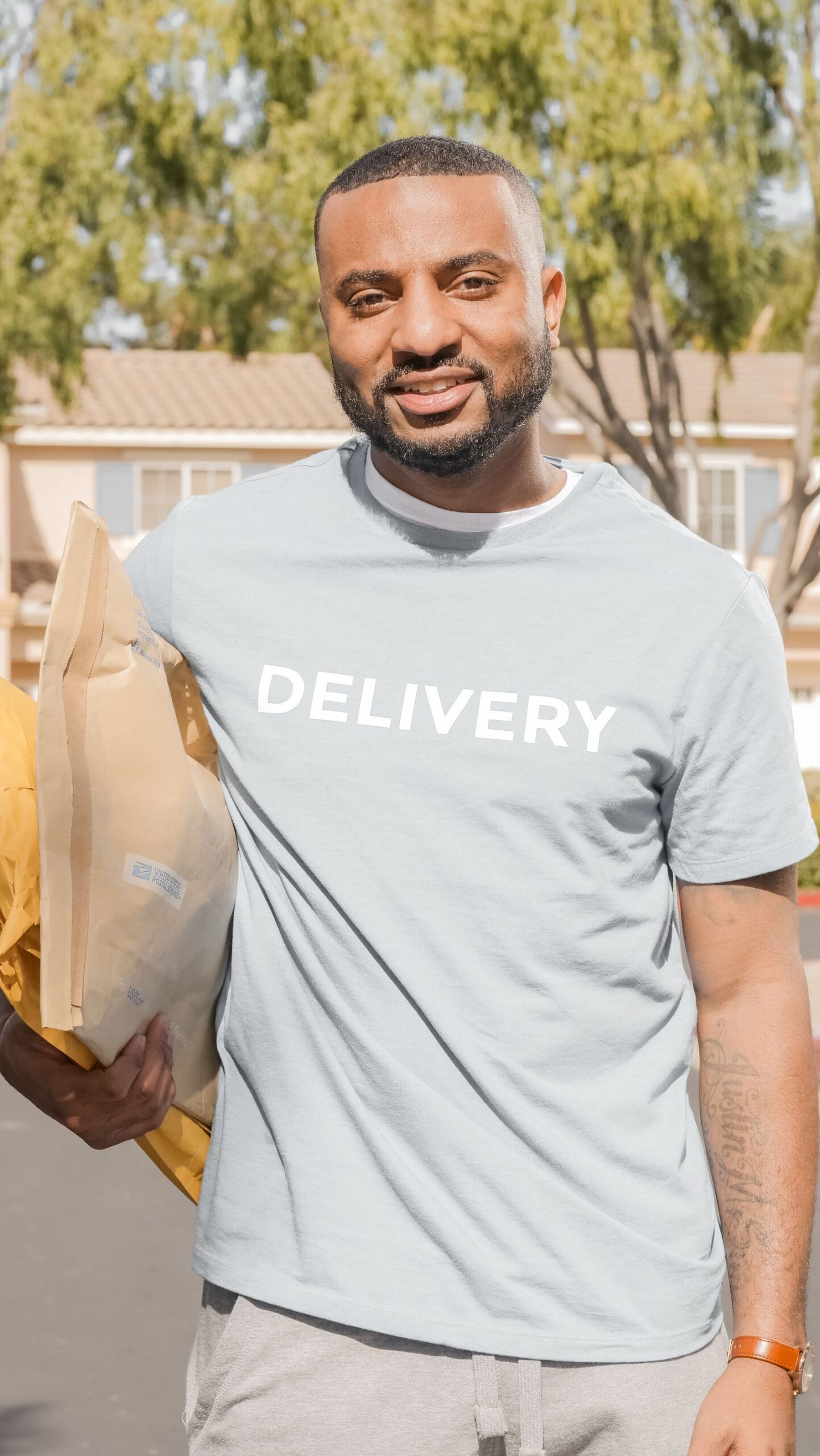
3. The stolen order. You leave a pizza on the seat while you run a second order into an apartment, and it is gone when you get back. That is a total loss — no reimbursement, and depending on the app, a report that can count against you.
4. The catering disaster. A $300 catering order slides off the seat. This is the one where cargo insurance actually pays for itself in a single claim. One catering loss can equal a full year of cargo premiums.
Drivers who do a lot of shop-and-deliver work feel this most — see our EBT and SNAP grocery delivery guide for why grocery orders are a different beast than restaurant runs.
What Cargo Coverage Costs and How to Buy It
Here is the good news: cargo coverage for a gig driver is not expensive. You have three realistic paths in 2026:
- Delivery endorsement on your personal policy ($15–$30/mo): closes the business-use gap on your auto coverage. Most drivers should do this first, even if they skip cargo.
- Cargo rider or goods-in-transit add-on (often $10–$25/mo): some insurers will add a small cargo limit to a delivery-endorsed policy. Limits are usually modest — think $1,000 to $5,000 per trip — which is plenty for food and groceries.
- Standalone gig-worker insurance packages: a growing number of providers bundle occupational accident, auto gap coverage and small cargo limits for gig workers at $25–$60/mo. If you drive 30+ hours a week, the bundle can be cheaper than patching gaps one at a time.
Before you buy anything, get a quote on the same car you actually drive, tell the agent you do food delivery, and ask two questions: “Does this cover business use?” and “Does this cover the goods I’m carrying?” If the answer to the second one is no, ask what the cargo rider costs. Most drivers who skip cargo coverage do it because nobody ever asked them the second question.
Protect the Cargo Without a Policy: 7 Free Fixes
Cargo insurance is a safety net, not a strategy. The cheapest way to win is to not lose the load in the first place. These seven habits will cut your damage rate more than any policy:
- Use a hard-sided catering bag or a plastic bin with a lid. A $15 bin in the trunk turns sliding groceries into a non-event.
- Put drinks in a cup holder or a drink caddy. The floor is not a drink holder, no matter how many times you tell yourself it is.
- Drive like the food is watching. Hard braking and fast corners cause most spills. Give yourself an extra car length and slow down for turns.
- Anchor big items. A bungee cord or a folded blanket wedged against a catering box keeps $300 orders where you put them.
- Keep hot and cold separate. Ice cream next to a hot bag is a melt waiting to happen on a stacked order.
- Photograph the order before you leave the restaurant. If a customer claims damage, your timestamped photo is the difference between a clean report and a mark on your account.
- Secure the bag on the seat, not the floor. Seats keep bags upright; floors let them slide under the pedals — which is also a safety hazard.
Your car is a moving warehouse for eight hours a day. Treat it like one.
The Deactivation Angle: Damage Rate Is a Number They Track
Here is what most cargo-loss advice leaves out: the apps track your damage rate, and a bad rate can cost you the account. DoorDash’s deactivation policy covers contract violations and quality issues; a pattern of reported damaged orders is exactly the kind of thing that triggers a review. The same goes for Instacart and Spark, where order issues follow your account for months.
So every spilled drink is not just $20 lost — it is a small hit to the stats that keep you earning. That is the real argument for cargo insurance: it turns a one-time $400 catering loss into a $25 deductible instead of a mark on your account. And it is the real argument for the free fixes above: prevention keeps the number at zero, which is the only number that never gets you flagged.
The Bottom Line: Do You Need Cargo Insurance?
Honest answer from someone who has driven through all of it:
- Part-time driver, restaurant orders only? Skip the standalone cargo policy. Get the $15–$30/mo delivery endorsement so your auto coverage is legal, and lean on the free fixes.
- Full-time driver? Yes, buy the cargo rider or a gig-worker bundle. One catering claim or one stolen order covers a year of premiums.
- Heavy shop-and-deliver (Instacart, Spark)? Yes. Grocery loads are heavy, slide-prone, and high-value. This is the segment where cargo coverage earns its keep fastest.
Whichever bucket you are in, the move is the same: fix the business-use gap on your auto policy first, then decide whether the cargo rider is worth $10–$25 a month for the load in your back seat. For most full-timers it is. For everyone, the habits matter more than the policy.
Make the Miles Pay for Themselves
New drivers in select cities can earn up to $2,575 after completing their first deliveries — a solid cushion while you figure out your coverage stack.
Start Earning $2,575 with Uber Eats →
Must be 21+. Background check required. Terms apply.
Insurance rules vary by state and by carrier. The numbers above are 2026 market benchmarks, not quotes — always confirm coverage details with your insurer before relying on them.