
You know the scene. The Instacart batch looks clean — 12 items, $14, 3 miles — and then you read the fine print: “Customer requested 6 cases of water. 4th floor. No elevator.” Every delivery driver has a story like this one. Drink orders are the most polarizing gigs in the game: some drivers auto-decline anything with the word “water” in it, while others quietly make bank on them.
Here’s the thing: beverage delivery in 2026 pays a lot better than it did two years ago. The apps finally started paying for weight. Instacart added heavy order pay and lowered its heavy-item threshold, and DoorDash’s Large Order Program is printing money for the drivers who qualify. The problem isn’t the orders — it’s that most drivers never learned how to screen them, load them, or lift them without wrecking their backs.
This is the complete drink-delivery playbook: which beverage orders are worth taking in 2026, how to read the pay math, how to load your car so you don’t end up sliding a 45-pound case across the back seat, and how to protect the back that pays your bills. By the time you finish this, you’ll never look at a case of water the same way again.
Why Beverage Orders Are Worth a Second Look in 2026
The old thinking was simple: drinks are heavy, slow, and the tips are trash, so decline and move on. That logic is outdated. The gig platforms overhauled how heavy orders pay, and beverage runs now sit in a sweet spot that most drivers haven’t noticed yet.
Instacart Finally Pays for Weight
Instacart added Heavy Order Pay: an automatic $2 to $10 bump on batches where the items total more than 50 pounds. And in June 2026, Instacart dropped its heavy-item threshold from 60 pounds down to 50 pounds — meaning more batches qualify for that bump than ever before. Cases of water, bulk juice, big soda packs, pet food bags: they all trigger it. The update was aimed squarely at the items shoppers hate hauling, and it means a water-heavy batch can pay meaningfully more than the same batch with lighter groceries.
DoorDash’s Large Order Program Is a Beverage Goldmine
DoorDash’s Large Order Program is invite-only, but the requirements are achievable: 200+ lifetime deliveries, 100+ deliveries in the past month, a 4.7+ rating, and a 95%+ completion rate. Once you’re in, you get access to high-value orders that DoorDash says can pay 2x–3x as much as typical runs. What does that have to do with drinks? Office coffee catering, party platters with cases of soda, event runs with iced tea and lemonade by the gallon. You’ll also get occasional setup pay ($2–$3) for helping lay out the order, and the invitation email includes a promo code for a discounted catering bag (around $10).
Item Count Beats Item Weight — Most of the Time
Here’s a quirk that pays: batch pay on Instacart and Spark is driven heavily by item count, not just weight. A 30-item drink order — twelve sodas, six juices, five sports drinks — pays more than a 3-item order even when the 3-item order is heavier. Heavy pay stacks on top. Learn to spot high-item, medium-weight beverage batches and you’ll routinely grab $20+ runs that other drivers scroll right past.
What You’ll Actually Haul in 2026
Before you can screen beverage orders, you need to know what they weigh. These numbers will save you from guessing wrong at the register:
- 24-pack of water bottles: about 27 pounds. Manageable, but awkward.
- 40-pack of water bottles (Costco-style): 42–45 pounds. This is the one that ends up on third-floor walk-ups.
- 5-gallon cooler jug: around 45 pounds once full. The office-delivery classic.
- 12-pack of soda cans: 10–12 pounds. A two-tripper in your arms, easy.
- 24-can case of soda: 21–24 pounds.
- 2-liter bottle: about 4.4 pounds.
- Gallon of milk: about 8.6 pounds. Harmless alone, brutal in bulk.
Coffee, Boba, and the Convenience-Store Boom
It’s not all water. 2026 has seen a surge in convenience and shop-and-pay drink orders: cold brew from 7-Eleven, boba tea kits, energy drink variety packs, and pharmacy runs for electrolyte drinks. These orders are lighter, faster, and tip better than the water cases — and they’re the perfect entry point if you’re new to beverage delivery. If you haven’t run a shop-and-deliver order yet, our complete shop-and-deliver guide walks through the whole flow.
Wholesale and EBT Orders Hide the Real Money
The biggest drink orders live in the wholesale aisle. Costco and Sam’s Club delivery runs regularly include 40-packs of water and pallet-style soda cases, and the heavy pay on those is real. EBT/SNAP orders also skew heavily toward water and juice — our EBT delivery guide covers how those batches behave.
The Profit Screen: Which Beverage Orders to Accept
You can’t accept every drink order, and you shouldn’t. Build a mental screen and stick to it.
Run the $/Mile and $/Pound Screen
My rule: payout of at least $1.50–$2.00 per mile, and if the batch is heavy, the per-mile number needs to climb. A 6-mile water run paying $9 is a pass. A 4-mile water run paying $16 with heavy pay is a take — that’s $4/mile. For a full breakdown of accept-vs-decline decision-making, check our guide on how to accept and decline orders like a veteran.
The Walk-Up Tax
Weight is one thing; stairs are another. A third-floor apartment with no elevator turns a 5-minute delivery into a 15-minute workout. That’s a tax on your time, and it needs to be priced into the order before you accept. If the batch math doesn’t survive the walk-up tax, decline it. Our apartment delivery guide has the full gate-code and high-rise playbook, including when to ask the customer to meet you at the lobby.
When to Walk Away
Three things together — no tip, heavy items, and a long drop-off — are a hard pass, full stop. There’s no version of that order where you win. Also be careful about double-stacking two heavy beverage orders in one trip: the pay rarely doubles, but your trunk and your suspension both feel it.
Load Your Car Like a Pro
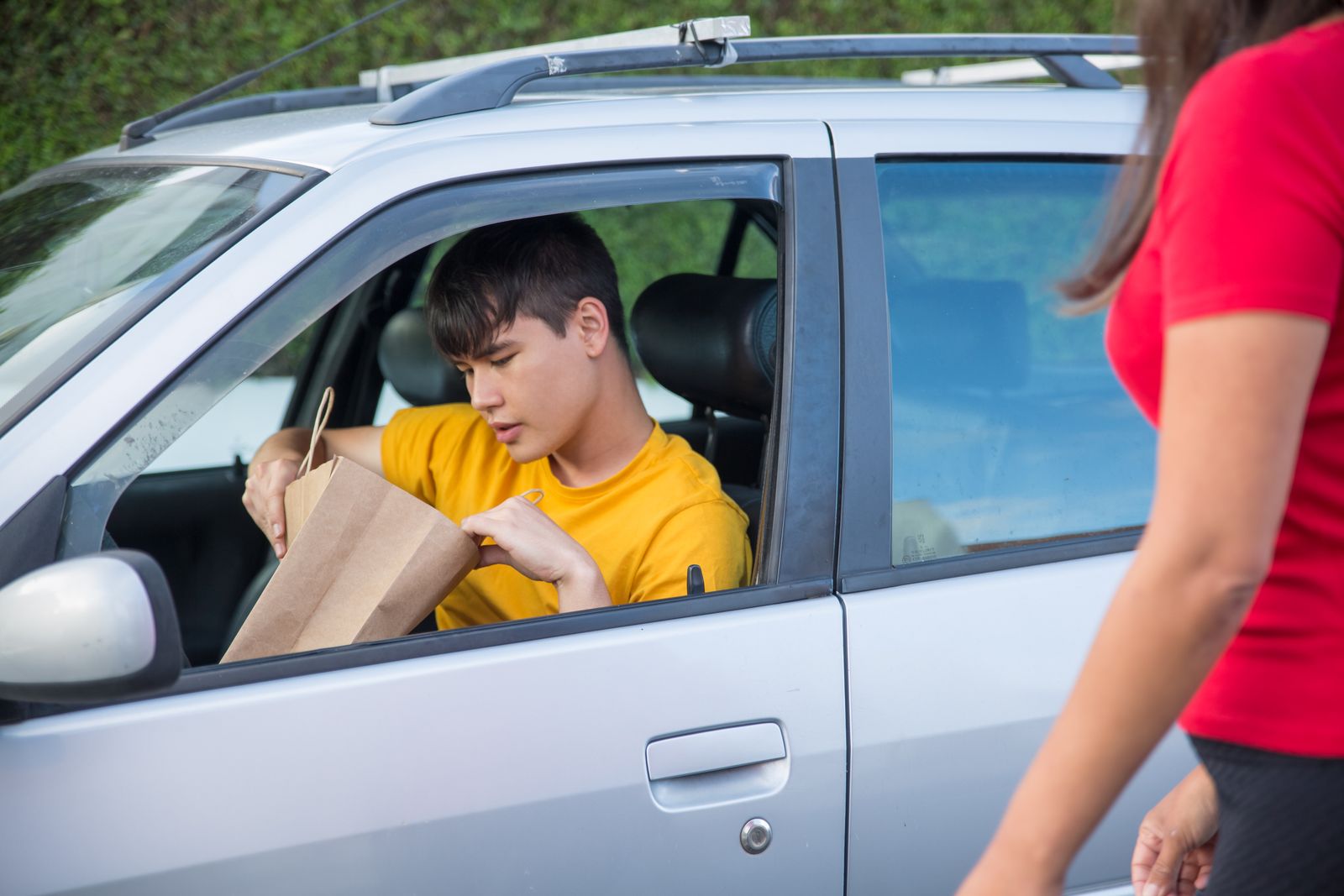
How you load drink orders decides how your car handles. Put the heaviest cases on the floor, as close to the rear axle as possible — not stacked on the seat, not on top of other groceries. Stacking cases above seat height raises your center of gravity and makes the car feel floaty on highway ramps. Keep cases low, keep them flat, and slide a cargo net or a bungee across the opening so a hard brake doesn’t send 90 pounds of water into your back seat. Leave a clear zone for food orders too: a hot bag and a 45-pound case of water do not share shelf space, and one warm meal can cost you a rating.
Lift Smart, Not Hard — Your Back Is Your Business
You’re self-employed. There’s no workers’ comp check waiting for you if you throw your back out on a case of water — just lost shifts and a chiropractor bill. The numbers are grim: overexertion is the leading cause of workplace back injuries at roughly 55%, with lifting and carrying heavy objects accounting for about 40% and awkward postures another 30%. That’s exactly what beverage delivery is.
The Five Rules of Lifting
- Legs, not back. Squat, grab, stand up with the load close to your chest.
- Keep it close. Every inch away from your body multiplies the strain on your spine.
- No twisting. Pivot with your feet, never rotate your torso while holding weight.
- Two trips beat one hero trip. That 45-pound 40-pack is two manageable trips.
- Slide, don’t lift. Slide cases across the floor and into the trunk whenever you can.
If your back is already complaining, our back-pain prevention and fitness guide for drivers has stretches and strengthening routines built for people who sit and lift all day.
Gear That Pays for Itself
A folding hand truck costs $30–$60 and turns a 45-pound case into a rolling problem instead of a lifting problem. Add a shoulder strap for cooler jugs and grippy gloves for wet cardboard, and you’ve spent under $100 to protect the asset that actually earns your income. Drivers who haul drinks more than a couple of times a week tell me the hand truck pays for itself in the first week.
Delivery-Day Tactics for Drinks
Apartments and Stairs
Message the customer as soon as you accept a heavy beverage order to an apartment: “Hey, I’ve got 3 cases of water for you — is there elevator access, or want to meet me at the door?” Most customers will meet you halfway, and the ones who don’t have at least told you what you’re dealing with before you’re parked. Never leave a heavy order with a front-desk concierge without taking a photo and confirming the customer approves — the “I never got it” dispute rate on drinks is higher than you’d think.
Leave-at-Door Done Right
Don’t block the door with cases — if the door opens outward, the customer can’t get out to grab them. Stack them to the side, off the welcome mat, and out of direct sun when it’s hot out (warm soda cans are a complaint magnet). Take the photo, note the placement in the notes, and move on. Delivery photo best practices are covered in our delivery photo guide.
Spill Control
Check cases for damage at pickup — a leaking 12-pack ruins the order, the bag, and your rating. Double-bag anything wet, keep cans on their cardboard tray, and if a case is already damaged at the shelf, swap it before checkout. It takes 30 seconds and saves you a 1-star review.
Which App Pays Best for Beverages in 2026
Each platform treats drink orders a little differently, so play to the strengths:
- Instacart: the heavyweight champion for beverage pay — heavy order pay ($2–$10), weight-aware batch pricing, and the new 50-pound threshold. This is where water cases make sense.
- DoorDash: the Large Order Program and convenience-store shop-and-pay runs. Chase the catering and office orders once you qualify.
- Spark (Walmart): steady bulk runs — gallons of milk, 24-packs of soda, and cases of water are Walmart’s bread and butter, and Spark batches routinely bundle several heavy drink items together.
- Uber Eats: lighter convenience runs and great for building the habit. The referral link below is the fastest way to get started if you’re new.
Timing matters too. Drink orders spike during heat waves, summer weekends, and big game days — the same windows when surge and peak pay light up. Stack those two together and a hot Saturday afternoon becomes your highest-earning shift of the week.
Hydrate the Driver, Not Just the Customer
There’s an irony in hauling 90 pounds of water all day while running on coffee and a gas-station energy drink. You’re the engine of this operation, and a dehydrated driver makes bad decisions — skipped meals, skipped water, skipped earnings. Keep a bottle in the cupholder and refill it at every pickup. Our driver hydration and nutrition guide has the full breakdown of what to drink and eat on long shifts, and the summer heat strategy guide covers staying safe when the thermometer climbs.
Beverage delivery in 2026 is a different beast than it was a few years ago — the pay is better, the tools are better, and the drivers who treat it like a business are the ones taking home the heavy pay bumps. Screen the orders, lift smart, load low, and the water cases stop being a punchline and start being a paycheck.
New to Delivery? Start Earning with Uber Eats
New drivers in select cities can earn up to $2,575 after completing their first deliveries. Haul drinks, food, or groceries — the choice is yours.
Start Earning with Uber Eats →
Must be 21+. Background check required. Terms apply.