


Every year, the October-through-New-Year’s window is the single biggest earnings opportunity in US gig delivery. Carriers open tens of thousands of seasonal driver jobs. App platforms spike their peak bonuses. Order volume climbs week over week until it peaks in mid-December and carries straight through to January 1. Whether you want a structured seasonal role with a major carrier, or you’re already on the apps and want to know how to extract the most money from October 1 through January 1, 2026 is shaping up as a strong year to be behind the wheel.
This guide covers both tracks: landing a seasonal delivery job with a major carrier if you want one, and stacking earnings on the apps during the busiest delivery months of the year. Real 2026 hiring data, verified pay ranges, platform bonus structures, and a practical strategy for the full 90-day stretch — not just one big weekend.
The 2026 Seasonal Hiring Wave: When to Apply and Where
Seasonal delivery hiring follows a predictable calendar. Major carrier announcements drop in September and October. Positions fill fast through November. By December, most seasonal roles are locked in and it’s all about execution. Apply in October — waiting until mid-November cuts your options significantly.
Amazon is the largest seasonal employer in US logistics. For the third consecutive year, Amazon has targeted 250,000 seasonal workers across its US fulfillment and transportation network, with roles posted weekly from October through December at hiring.amazon.com. Seasonal employees earn an average of over $19/hour, with paid time off and 401K matching. Amazon regularly converts strong performers into permanent full-time or part-time roles that average $23/hour with full benefits. Both the Amazon Logistics DSP driver network and Amazon Flex ramp up shift availability during peak weeks — even if you’re not hired as a traditional employee, there’s more work on the Flex platform during Q4.
UPS runs seasonal hiring from October into November, bringing on Seasonal Package Delivery Drivers at $22–$32/hour depending on location and license type. Driver’s Helpers — who ride along and assist on larger trucks — earn at least $18.40/hour with no CDL required, making it an accessible entry point if you don’t have a commercial license. FedEx concentrates its seasonal Pickup & Delivery Driver hiring on the November 24–December 26 window. USPS brings on City Carrier Assistants and Rural Carrier Associates starting in October — and the major advantage with USPS is that the vehicle is provided, eliminating your out-of-pocket fuel and wear-and-tear costs.
OnTrac, the regional carrier serving the Western US (operating as LaserShip east of the Mississippi), is an often-overlooked option. OnTrac has posted seasonal driver and package handler positions across Phoenix, Fremont, Milpitas, and Vancouver markets, with some locations offering a $2.00/hour peak pay increase through January. Applications are quick and some locations can get you started within the week.
What Seasonal Carrier Jobs Actually Pay in 2026
Here’s a realistic side-by-side on 2026 seasonal carrier pay:
- Amazon Logistics / Flex: $19+/hour seasonal average; $23/hour for permanent employees. New Jersey seasonal positions average over $22/hour; Portland-area routes run $20–$25/hour.
- UPS Seasonal Package Delivery Driver: $22–$32/hour depending on market and license type
- UPS Driver’s Helper: $18.40+/hour, no CDL required
- FedEx Ground / Express Seasonal: $14–$21/hour for package handlers; Pickup & Delivery Drivers average approximately $835/week
- USPS City Carrier Assistant / Rural Carrier Associate: Competitive hourly pay with significant overtime potential during peak weeks; USPS vehicle provided
The move experienced peak-season drivers make: take a carrier day shift — a 6–8 hour Amazon DSP route or UPS package run — then switch to DoorDash or Uber Eats for the evening dinner rush. You get structured hourly pay from the carrier plus bonus-eligible app income during the highest-demand window of the day. It is the most reliable combination for turning peak season into a genuinely high-earning stretch, and it doesn’t require any single gig to carry all the weight.
For getting paid faster on your app earnings between carrier shifts, see our guide to instant pay for delivery drivers in 2026.

App Platform Peak Season: DoorDash, Uber Eats, and Instacart
If you’re running gig apps — whether alongside a carrier role or on their own — expect bonus structures to ramp up in late October and hit their ceiling around mid-December. Here’s what each major platform does during the holiday surge:
DoorDash Peak Pay is the most consistent bonus mechanism on the platform during the holidays. DoorDash adds $1–$4 per delivery on top of base pay during high-demand windows, and that amount climbs on the most congested dates. December 15–24 is consistently the single highest-paying sustained stretch of the year on DoorDash, when holiday shopping volume and food delivery demand collide. Beyond Peak Pay, DoorDash runs challenge promos throughout the season — hit a delivery target in a set window and collect a flat bonus, often $15–$50 per challenge. New Dashers signing up during peak season sometimes see sign-up bonuses of $200–$500 for hitting delivery thresholds in their first month on the platform.
Uber Eats scales its Boost and Quest promotions heading into November. Boost multiplies your base fare in specific zones — typically 1.1x–1.5x during peak demand windows — while Quest pays a flat bonus for completing a weekly delivery target. Uber Eats also expands into seasonal retail and gifting delivery partnerships during the holidays, adding order types beyond restaurants that can mean higher per-delivery payouts during the stretch leading up to Christmas.
Instacart runs a different kind of surge: grocery order volume climbs sharply from Thanksgiving week through Christmas as households stock up for gatherings. Batch sizes grow, and Instacart applies peak bonuses to the larger, heavier orders that dominate November and December. For a full breakdown of working Instacart efficiently and what earnings actually look like, see our Instacart Shopper Guide 2026.
One note on scope: Black Friday and Cyber Monday dynamics are covered in the dedicated Black Friday & Cyber Monday Driver Guide. Christmas week strategies live in the Christmas delivery guide for drivers 2026. This article is about the full seasonal arc — not any single event.
Preparing Your Vehicle and Schedule Before the Rush
Mid-September through mid-October is your prep window. A few hours of preparation before the volume arrives prevents the mechanical and scheduling problems that cost real money once November hits.
Vehicle checklist before peak season:
- Oil change and tire rotation — you are about to add 30–50% more miles per week from October through December; service the vehicle before that happens, not mid-rush
- Tire tread and pressure — cold weather drops tire pressure; check monthly in fall and winter, especially if you’re in a northern market
- Windshield wipers — switch to winter blades if you’re in a frost or snow market
- Cargo organization — a cargo net or collapsible bin organizer makes 35-stop delivery routes meaningfully faster than a bare cargo area
- Phone mount — a stable, reliable mount is non-negotiable when you’re navigating constantly for 8+ hours
For food delivery drivers: add a second insulated bag before peak. Stacked orders are common on DoorDash and Uber Eats during the holiday rush — two bags let you accept them without compromising food temperature or customer ratings. For your schedule, block out your working hours before October 1 and plan for traffic to add 10–20 minutes to routes you normally know cold, especially in metro areas from late November onward.
For road conditions, weather prep, and keeping your vehicle operational through the cold months, our winter driving tips for delivery drivers has everything you need before the season starts.
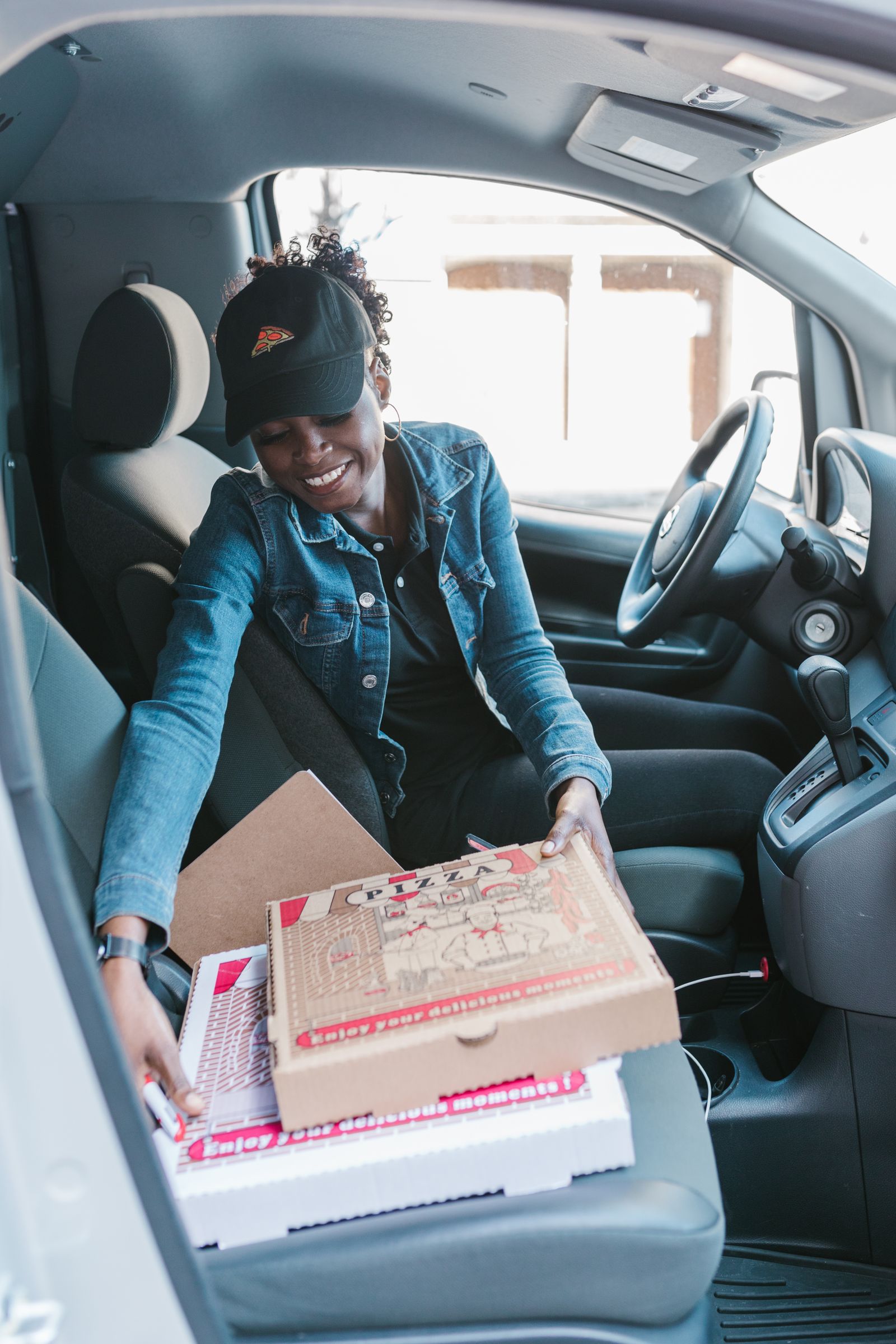
Multi-App Strategy: Stacking Peak-Season Earnings
Single-app driving during peak season means you’re entirely dependent on one platform’s demand in your zone. Running two or three apps converts dead time — a slow drop-off area, a brief order gap — into earning time. During peak season, that dead time is expensive, and eliminating it is how the top earners separate themselves from average earners.
A practical multi-app setup for the holiday stretch:
- Primary app: The platform with the most consistent volume in your market — for most US drivers, DoorDash or Uber Eats
- Secondary app: Keep Instacart, Walmart Spark, or Amazon Flex open as a fallback. Grocery batches from November through late December run large and tip well
- Amazon Flex blocks: Flex pays $18–$25 per block hour during peak season. A morning Flex block followed by DoorDash in the evening is a legitimate full-day earning strategy that doesn’t require a traditional employment relationship
One rule that matters: pause the secondary app before accepting on your primary. Stacking pickups you cannot complete on time generates late deliveries and negative ratings right when platforms are watching driver metrics most closely. Our full guide to running multiple delivery apps in 2026 covers how to manage this without putting your standing at risk on any platform.
Tracking Mileage and Income During Your Highest-Earning Weeks
Most drivers track mileage inconsistently, and it costs them at tax time. During peak season — when you’re driving 30–50% more miles per week than usual — every unlogged mile is real money you won’t recover. The IRS standard mileage deduction is meaningful, and high-earning weeks make the math hit harder.
- Use an automatic mileage tracker: Stride, Everlance, or MileIQ run in the background and log every mile from the moment you go active. Set it up once before October 1 and stop thinking about it.
- Log income by platform weekly: when you’re running multiple apps plus occasional Flex blocks, monthly reconciliation becomes a real problem. A quick weekly entry takes five minutes and saves hours come April.
- Save earnings summaries as they arrive: DoorDash, Uber Eats, and Instacart all send weekly earnings emails. Create a folder and file them immediately — reconstructing income from in-app history months later is painful and error-prone.
- Set aside 25–30% of net earnings for taxes: a strong November and December can produce a larger Q4 estimated tax bill than you expect. Quarterly estimated payments are due in January — this is not money to spend before that date.
If you’re new to self-employment taxes, run your numbers through QuickBooks Self-Employed or TurboTax for Gig Workers before December, not after. The surprises are smaller when you see them coming.
Pacing Yourself: Avoiding Burnout Across the Full 90-Day Season
The most common peak-season mistake: going all-in in October, running 60-hour weeks into November, and arriving at December — the actual money window — running on empty. The drivers who earn the most over the full October–January stretch are not the ones who worked the most hours in week one. They’re the ones who paced themselves and stayed sharp when it counted most.
- Set a weekly hour cap before you start: decide how many hours you’ll drive in October and build in room to increase that cap in December when volume peaks. Don’t frontload the grind.
- Take at least one full day off per week: walking, loading, and sitting in traffic for 8+ hours is more physically demanding than most people expect. Rest is a performance input, not a luxury.
- Don’t chase dead volume after the holiday: the window after Christmas drops sharply in most US markets. Burning fuel chasing December 27 orders at December 20 rates is a losing trade — recognize when the sprint is over.
- Eat and hydrate on long shifts: drivers who skip meals during 9-hour peak-day sessions make worse order decisions and earn less per hour. Pack food before you leave the house.
Think in phases: September–October is prep and setup. November is the build phase — volume is climbing, bonuses are consistent, and you’re finding your rhythm. December 10–26 is the sprint. Then coast through New Year’s at a sustainable pace and bank what you’ve made over the season.
For the full breakdown of how Thanksgiving week, Christmas, and New Year’s Eve each function as distinct earning events inside the season, see our holiday delivery guide for drivers covering all three.
Ready to Cash In on the 2026 Peak Season?
The holiday hiring wave is your best window to start — and new drivers can earn a $2,575 guaranteed bonus after completing your first 200 deliveries in select US cities.
New drivers: Sign up through our partner link and start earning today!
Sign Up for Uber Eats and Start Delivering →
Must be 18+. Background check required. Terms apply.