


Delivery tips hit $4.16 per trip in Q4 2025—near the lowest on record, according to Gridwise’s 2026 Annual Gig Mobility Report. Since tips make up roughly half of a typical delivery driver’s per-trip pay, that number is not a footnote—it’s half your paycheck quietly getting smaller while you’re still driving the same miles, burning the same gas, and putting the same wear on your car.
The platforms are not going to fix this for you. App defaults, economic pressure on customers, and interface tweaks that bury the tip prompt are all working against you. What you can control is the experience you deliver—and the data shows that experience drives tip behavior more than almost any other factor. This guide covers exactly what works in 2026, platform by platform and moment by moment.
And here’s a 2026-specific reason to care even more: under the No Tax on Tips provision of the One Big Beautiful Bill Act, eligible single-filer delivery drivers can now deduct up to $12,500 in verified tip income from their federal taxable income for tax years 2025 through 2028—meaning every tip dollar you earn this year is worth more on your return than it was last filing season.
Why Delivery Tips Are Near Record Lows in 2026
Understanding the forces pushing tips down helps you work smarter around them. Three things are squeezing customer tips right now:
- App interface changes. Platforms have shifted when—and how prominently—the tip prompt appears. Several apps now default to lower tip percentages or move the prompt to after delivery, when customers are less likely to adjust upward. NYC’s tipping transparency law (effective April 2026) requires platforms to display default tip amounts clearly, but transparency alone doesn’t push customers to tip more generously.
- Customer price fatigue. Nearly 50% of consumers told Gridwise researchers they would switch delivery apps if platform fees increased. Customers are watching their food-delivery spend closely in 2026, and the pre-set tip amount is one of the few variables they feel comfortable adjusting downward.
- More active drivers on platform. In most major metros, driver supply has recovered significantly from 2023 lows. More drivers competing for orders gives individual dashers less leverage to be choosy, which creates a race-to-the-bottom dynamic in some markets when it comes to accepting $0-tip offers.
None of this is permanent. And none of it means you’re stuck at $4 average tips. It means drivers who consistently deliver a high-quality experience are differentiating themselves more than ever—because the baseline is lower, standing out pays disproportionately well.
The Gear and Setup That Pays for Itself in Tips
Before you log into the app, your physical setup is already setting your tip ceiling.
Invest in a Quality Insulated Delivery Bag
A commercial-grade insulated bag that keeps food hot and holds containers upright is the single highest-ROI purchase a delivery driver can make. At $25–$45 from Amazon or a restaurant supply store, you are looking at a payback period measured in weeks, not months. Hot food arrives hot. Drinks don’t tip over. Fries aren’t soggy. These are exactly the things customers notice—and tip or don’t tip based on. A $35 bag that earns you one extra dollar per delivery pays for itself in less than a week of full-time dashing.
Designate a Stable Landing Zone for Food in Your Car
Organize your car so food never slides. A non-slip mat or a small crate on the floor behind the passenger seat keeps bags upright during turns and stops. This costs under $15 and prevents the arrival scenario that earns you a one-star: a burger on its side, a drink lid popped, or a container that opened in transit. Customers know the difference between a driver who thought about this and one who didn’t.
Keep Your Car Clean and Your Appearance Professional
This matters more for Instacart and Spark—where face-to-face handoffs are the norm—than for fully contactless food delivery, but it applies whenever you’re meeting a customer at the door. You don’t need a detailed car. You need a car without visible trash, without a strong odor, and a driver who looks like someone a customer is comfortable opening the door for. That standard is achievable by every driver working today, and customers tip accordingly.
At the Restaurant: Protecting the Order Starts Before You Leave
Your tip is often earned—or lost—before you pull out of the parking lot.
Always Verify the Order Is Complete
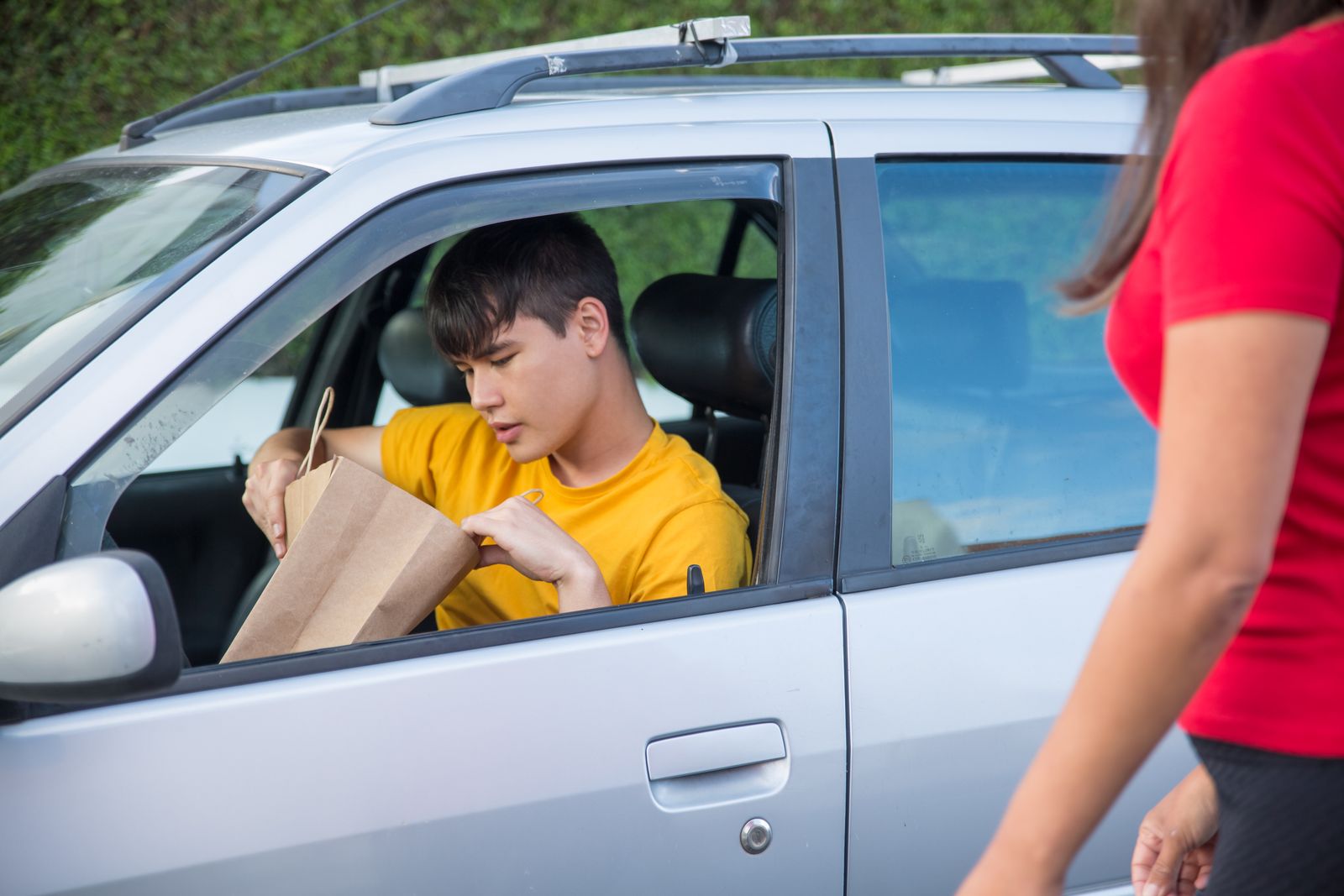
When the restaurant hands you the bag, ask: “Is this the complete order for [customer name], including drinks and sides?” Five seconds. This prevents the “where are my drinks?” message that tanks your rating before the customer even opens the bag. Many restaurants are slammed during peak hours and routinely forget add-ons, sauces, or drink orders. The customer blames the driver. Catch the problem at the source.
Never Unseal Tamper-Evident Packaging
Do not open or unseal any bag with a tamper-evident sticker or seal. Customers and platforms treat this as a food safety red flag, and false accusations of food theft—even ones that get resolved—create account headaches you don’t want. If something looks incomplete and the bag is sealed, note it in the delivery app’s order notes field before leaving so there’s a documented record when you drop off.
When There’s a Long Wait, Communicate Early
If the restaurant is running 10 or more minutes behind, use the app’s customer chat or delay notification feature. This one step transforms a frustrated customer watching their estimated arrival time slip into a patient customer who knows you’re on top of it. Customers tip people who feel like they’re working for them—and a simple heads-up signals exactly that. Silence in a wait situation feels like indifference, which costs you money.
The Dropoff: 30 Seconds That Determine Your Tip
The dropoff is your last real point of contact with the customer’s experience. Make it count.
Read the Delivery Instructions Before You Arrive
Pull up the delivery instructions during your drive, not when you’re already at the door. If there’s a gate code, have it ready. If it says “back door,” you know before you park. If it says “contactless, leave at mat, text when done”—do exactly that. This is the number-one driver of low tips and bad ratings: customers who wrote detailed instructions and had them ignored. Following instructions to the letter signals professionalism at every income level and in every neighborhood.
The Arrival Message That Changes Customer Behavior
On platforms that allow customer messaging, a brief “On my way, arriving in about 2 minutes!” changes how the customer receives you. They come to the door. The food doesn’t sit outside getting cold. You get a face-to-face interaction—and face-to-face handoffs earn meaningfully higher tips than contactless drop-and-dash on almost every platform. It takes five seconds to type and it signals that you care about their order landing right. That feeling directly translates into tipping behavior.
Take a Good Dropoff Photo Every Time
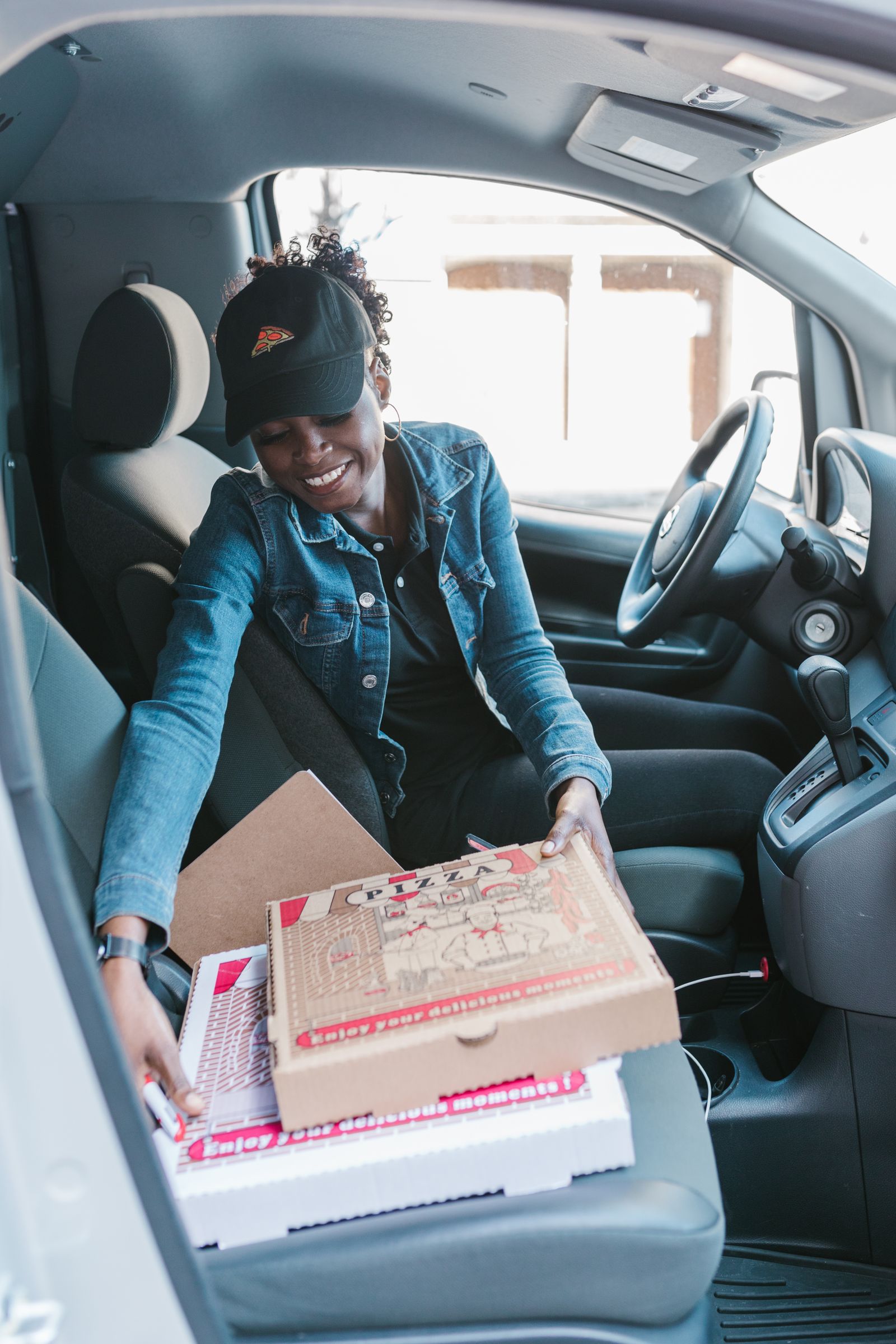
When you take the delivery confirmation photo, frame it properly: order upright, door number visible, food clearly placed safely. A photo that shows a bag tipped sideways next to a random step is a quiet red flag for customers reviewing their delivery later. Set the order right-side up, back up to show the door, confirm the address is legible in the shot, and then mark it complete. On DoorDash specifically, customers can add or increase a tip up to 72 hours after delivery—a strong photo keeps the experience fresh and positive well after you’ve moved on to the next order.
Platform-Specific Tip Strategies That Make a Real Difference
Each app has its own tip mechanics. Working with those mechanics—rather than treating every platform identically—is how consistently high earners stay above average.
DoorDash: The 72-Hour Tip Window Is Real
DoorDash allows customers to add or increase a tip up to 72 hours after delivery. Most drivers don’t know this actually happens—but high-rated Dashers see post-delivery tip increases several times per week. Your confirmation photo, the customer’s experience eating the food, and even a brief moment of guilt about their initial $0 tip can all trigger a retroactive addition. This also means a poor delivery can result in a retroactive decrease. Treat every order as if the customer hasn’t tipped yet—because sometimes they haven’t, and the window is still open.
Uber Eats: Your Rating Determines What Orders You See
Uber Eats surfaces higher-rated drivers to more customers, and better order volume in higher-value zones gives you more access to the customers who tip well. Your completion rate and customer rating aren’t just vanity metrics—they directly determine the quality of the order pool you’re drawing from. A driver with a 4.92 rating in an upscale neighborhood and a driver with a 4.65 rating doing budget pizza runs are both working the same hours for very different tip averages. Focus on your ratings as much as your acceptance rate.
Spark Driver: Accuracy Is Your Tip Lever
Walmart Spark orders regularly come with higher pre-set tip amounts because customers know the Spark driver is selecting their items, not just transporting a sealed bag. The key tip lever is item substitution accuracy: choosing the right size, right brand, and right quantity when something is out of stock. Customers who get smart substitutions tip well. Customers who open their order and find random replacements they didn’t want do not—and they report it. In 2026, Spark has rolled out order stacking in select markets, letting drivers accept two overlapping orders simultaneously. This raises per-hour earnings significantly, but don’t let speed push you into substitution errors. Your tip rate will drop faster than your efficiency gains.
Instacart: Communicate During the Shop, Not Just at Delivery
Instacart customers set their tip before you start shopping—you can’t change that number mid-order. What you can influence is whether they adjust it upward after receiving their groceries. Send a brief message when you start: “Starting your shop now, I’ll update you on any substitutions.” When something is out of stock, send a quick note explaining what you chose and why. End with a completion message before you head to the checkout. Instacart shoppers who communicate this way consistently see more post-delivery tip increases than those who shop in silence. For a full breakdown of how grocery delivery tip income compares to food delivery, see Grocery Delivery vs. Food Delivery 2026: Which Pays More.
Market Timing and Zone Strategy for Higher-Tipping Customers
Who you’re delivering to matters as much as how you deliver. High-tip environments exist on every platform—you just have to position yourself in them.
Night Delivery and Upscale Restaurants: The Consistent Formula
Veteran drivers are consistent on this point: evening deliveries from mid-range and upscale restaurants produce the highest tips in almost every market. A customer ordering a $55 dinner for two on a Friday night is in a completely different headspace—and has a completely different disposable income cushion—than someone ordering a $13 fast-food combo on a Tuesday afternoon. Order value and customer occasion predict tip size more reliably than any other variable. Spend your first few weeks logging where your best tips come from. The pattern will be consistent, and once you know your market’s high-tip clusters, you can position yourself in them intentionally rather than by accident.
Bad Weather Works in Your Favor—If You’re Out in It
Drivers who work in rain, snow, or extreme heat earn significantly higher tips. Customers feel genuine appreciation for someone who shows up in uncomfortable conditions, and that appreciation shows up in the tip prompt. This is also one of the few times a slow shift works in your favor from a tip-rate perspective—lower driver supply plus weather guilt equals above-average tips on the orders that do come in. During holiday peak season, this effect amplifies dramatically. See our breakdown of how to maximize that window in Holiday Peak Season Delivery Jobs 2026.
Running Two Apps Gives You Access to Better Orders
Drivers who run two platforms simultaneously fill dead zones between peak periods and maintain the ability to cherry-pick orders with better tip potential. The discipline is pausing your second app the moment you accept an order on the first, so you don’t double-book into a timing crunch that makes both deliveries late—which is the fastest way to undo every tip-improvement habit in this guide. Done correctly, a solid multi-app strategy adds 15–25% to effective hourly earnings in most US markets, and more access to orders means a higher average tip per trip over the course of a week.
The 2026 Tax Angle: Every Extra Tip Dollar Is Now Worth More
Here is the piece of good news buried inside a rough year for tips: the dollar value of each tip has increased significantly on your federal tax return in 2026.
Under the No Tax on Tips provision of the One Big Beautiful Bill Act, delivery drivers in eligible occupations—explicitly including DoorDash, Uber Eats, Instacart, Spark, Amazon Flex, and Shipt—can deduct up to $12,500 in documented tip income (single filers) from their federal taxable income for tax years 2025 through 2028. Married filing jointly? The cap is $25,000. The phase-out starts at $150,000 for single filers, a threshold that the vast majority of full-time gig drivers are nowhere near.
This is an above-the-line deduction—you claim it whether you take the standard deduction or itemize, which means it works alongside your mileage deduction, phone deduction, bag and equipment write-offs, and every other gig-work deduction you’re already taking.
Two important limits to understand: First, this deduction reduces your income tax only—it does not eliminate the 15.3% self-employment tax on tip income. Second, most states have not adopted this provision. California, New York, Illinois, and most other income-tax states still tax tips in full under existing state law. The federal benefit is real and significant; the state benefit is, for most drivers, nonexistent.
And starting in 2026, platforms are required to separately report tip income on Form 1099-K. That means your tips are automatically documented—exactly what you need to substantiate the deduction at filing time. Keep your in-app weekly earnings breakdowns, and hold onto your 1099-K when it arrives in January. Understanding how tipping patterns shift during the holidays—and how to position yourself to capture peak tip income—is covered in our guide on Holiday Tipping for Delivery Drivers 2026.
Building a Tip Improvement System—Not Just One-Off Wins
The drivers who consistently out-earn their market don’t rely on individual great deliveries or lucky streaks. They build repeatable habits and track what works.
- Track your tip rate weekly, not just total earnings. Calculate your average tip per completed delivery each week. When it drops, look at what changed—time of day, zone, restaurant type, platform. When it rises, double down on what you did differently.
- Review low-tip and low-rated deliveries together. They usually come from the same order types, restaurant categories, or zones. Patterns are your feedback. Most drivers never look at this data—which is exactly why the drivers who do consistently outperform them.
- Set a minimum tip threshold for order acceptance. On platforms that show pre-tip amounts, accepting $0-tip orders trains your weekly average downward and rewards the customer behavior you’re trying to change. High earners run 30–50% acceptance rates on purpose.
- Read your in-app customer comments. DoorDash and Uber Eats both surface recent written feedback. Most low-rated drivers haven’t read their feedback in months. If customers are telling you something specific is wrong, they’re handing you the fix for free.
- Protect your long-term earning ability. Tips are one income stream in a larger system. Keep yourself covered with the right insurance, the right tax strategy, and a multi-app strategy that keeps your income diversified across platforms. A single deactivation from a platform you’ve optimized everything around is a reminder that redundancy matters.
Tips near record lows in 2026 is a frustrating reality—but it also means the gap between an average driver and a deliberately good one has never been wider. Every strategy in this guide is executable starting today, on your next delivery, with no additional cost and no waiting for platforms to change their policies. The experience you create is the only variable fully under your control, and it’s the most direct lever you have on your take-home pay.
Ready to Start Delivering and Cash In?
Join thousands of drivers already earning — and get a $2,575 guaranteed bonus after completing your first 200 deliveries in select US cities.
New drivers: Sign up through our partner link and start earning today!
Sign Up for Uber Eats and Start Delivering →
Must be 18+. Background check required. Terms apply.