


Most delivery drivers hear “winter side gig” and immediately think holiday peak season on Amazon Flex or maybe snow removal. Almost nobody thinks about propane, heating oil, firewood, and wood pellets — and that is exactly why the drivers who do find these routes never stop working them. The pay is real, the demand is predictable, and competition for spots is surprisingly low.
Driver Opportunity
Want to Earn While You Read?
Join as a new driver and get up to a $2,575 guaranteed bonus after completing your first 200 deliveries in select US cities.
Start Earning Now →New drivers only · Terms apply · Available in select cities
Why Winter Fuel Delivery Is the Most Underrated Cold-Weather Gig
Here is the reality: when temperatures drop below freezing across the Midwest, Northeast, and Mountain West, millions of households and businesses need fuel delivered on a schedule. Unlike food delivery — where your income evaporates if it snows too hard — a cold snap is a fuel delivery driver’s best friend. Demand spikes, routes get added, and companies that were borderline understaffed suddenly become desperate to keep every driver they have.
Fuel delivery also has something most gig work completely lacks: repeat customers on a predictable cycle. A homeowner on heating oil needs a fill roughly every three to six weeks through winter. A restaurant running propane might need a delivery weekly. That predictability means you can build real income around these routes — not just a random Tuesday afternoon where you hope to catch a DoorDash surge.
The $22–$35/hr range is honest, not inflated. Newer drivers without a CDL or hazmat endorsement land toward the lower end on firewood and small propane cylinder exchanges. Experienced CDL holders running heating oil in the Northeast push past $35 when you factor in overtime during a hard freeze.
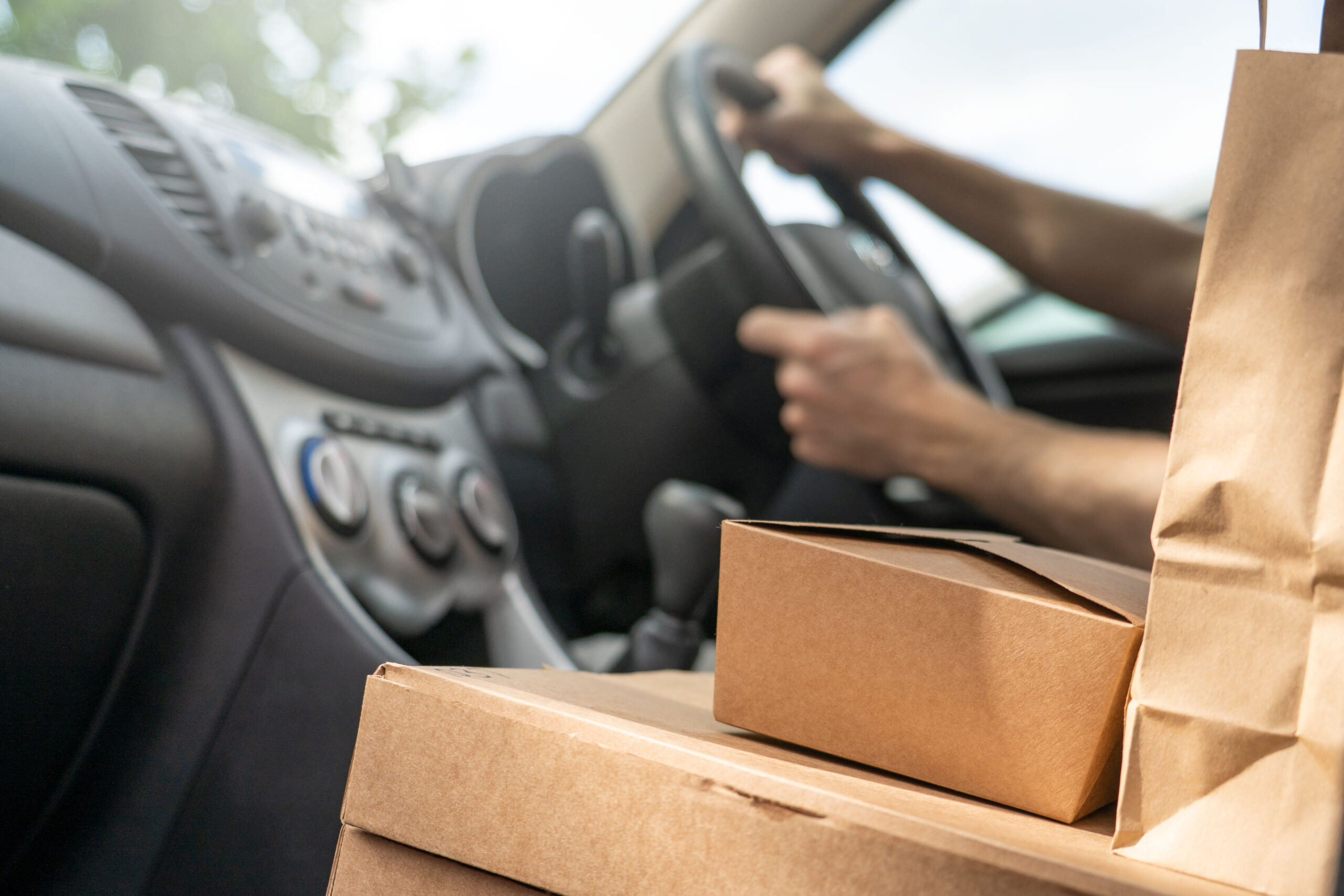
What These Routes Actually Look Like (Propane, Heating Oil, Firewood, Pellets)
Propane
Propane delivery splits into two very different worlds. The first is cylinder exchange — the blue cages outside every Home Depot and Walmart. You drive a box truck, swap empties for fulls, and hit 20–40 stops per shift. This is the most accessible entry point for drivers without special licensing. The second world is bulk propane: a pressurized bobtail truck delivering to home and commercial tanks. That requires a CDL Class B and, in most states, a hazmat endorsement.
Heating Oil
Heating oil (No. 2 fuel oil) is overwhelmingly a Northeast and Mid-Atlantic story. Connecticut, Massachusetts, New York, Pennsylvania, and Maine are the biggest markets. Routes are almost always W-2 positions with established oil companies — think family-owned distributors, regional suppliers like Petro or Irving, or HVAC companies that bundle fuel service with maintenance contracts. You drive a fuel oil truck (CDL Class B), pump oil into residential tanks through a side fill pipe, and move to the next stop. Peak routes run 12–20 stops per shift.
Firewood
Firewood delivery is the most accessible entry point in the entire fuel delivery space. No CDL required. No hazmat endorsement. You need a truck — ideally a 3/4-ton or better — the ability to lift and stack, and a willingness to work in the cold. Loads sell by the cord or half cord. Some operations have you stacking at the customer’s property; others are drop-and-go. Pay ranges from $15/hr at a low-volume dealer to $28/hr at a busy yard running you hard on weekends.
Wood Pellets
Pellet delivery sits between firewood and heating oil. Forty-pound bags are loaded by hand or pallet jack, delivered to residential customers, and either left at the door or carried inside to a storage area. Some pellet suppliers run dedicated routes; others fold pellets into their propane or firewood operation. Pay runs $18–$26/hr hourly, and the physical demand is real.
Who Hires: Suppliers, Co-ops, HVAC Companies, Firewood Yards
Knowing where to look matters more than your resume in this space. Here is who is actually posting these positions:
- Regional propane distributors: AmeriGas, Ferrellgas, Suburban Propane, and Blue Rhino collectively employ tens of thousands of drivers. They hire seasonally and ramp up hard in October. Check their career pages directly — do not wait for job boards to catch up.
- Heating oil companies: Search “heating oil delivery driver [your state]” on Indeed or ZipRecruiter. Small family-owned operations often hire by word of mouth — call them directly and introduce yourself.
- HVAC companies with fuel divisions: Many HVAC contractors in cold climates sell and deliver fuel oil as a customer-retention play. These jobs often include service-assistant work, which adds to your hourly rate.
- Agricultural co-ops: In rural areas, grain and farm co-ops frequently distribute propane to farms and rural homes. They are often overlooked and tend to offer solid pay with reliable hours and minimal turnover competition.
- Firewood yards and tree services: Local firewood dealers advertise on Craigslist, Facebook Marketplace, and Nextdoor. Tree services that produce their own firewood often need weekend delivery help urgently and will hire fast.
- Timber and pellet retailers: Home improvement stores sometimes subcontract pellet delivery to local drivers during peak season — worth a direct ask at your regional store’s receiving desk.
CDL vs Non-CDL: Which Fuel Routes You Can Run With a Normal License
This is the question that stops most drivers before they even apply. The answer is more driver-friendly than you think.
No CDL Required
You can legally drive most firewood routes, pellet delivery routes, and propane cylinder exchange routes with a standard Class C license. The key threshold: if your vehicle’s gross vehicle weight rating stays under 26,001 lbs, no CDL is required. Most 3/4-ton and 1-ton pickups, and many medium box trucks, fall under that number. If you are hauling cylinders — not bulk propane — the hazardous materials exemption for small quantities may also apply, depending on the cylinder count and aggregate capacity. Always confirm with your employer before your first shift.
CDL Class B Required
Bulk propane bobtails and heating oil trucks almost universally require a CDL Class B. If you do not have one yet, it is obtainable. CDL Class B training typically costs $3,000–$8,000 at a commercial driving school. Employers like Ferrellgas and AmeriGas will sponsor your training in exchange for a 12–18 month commitment period. If you are treating this as a career move and not just a weekend gig, the CDL return on investment is strong and the credential follows you everywhere.

Hazmat Endorsement Basics: Cost, Timeline and Whether It’s Worth It
Propane and heating oil are classified as hazardous materials under federal DOT regulations. If your vehicle requires a CDL and you are hauling above certain quantity thresholds, you need a hazmat endorsement attached to that CDL.
How to Get It
The process has three steps. First, pass a written hazmat knowledge test at your state DMV — the study material is the FMCSA hazmat section available free online. Second, submit to a TSA Security Threat Assessment (STA), which is a federally run background check that includes fingerprinting. Third, pay the endorsement fee at your DMV.
Total Cost and Timeline
If you already hold a CDL, adding hazmat costs roughly $75–$150 in combined fees and takes 2–4 weeks for TSA clearance. If you are getting your CDL from scratch, factor it into your total training budget from the start. The STA disqualifies applicants with felonies, terrorism-related offenses, or certain immigration statuses — standard background-check territory for anyone already working in delivery.
Is It Worth It?
Yes, if you want the highest-paying fuel routes. CDL drivers without hazmat are rare on heating oil routes and typically earn less. With CDL plus hazmat, you qualify for the highest-demand, highest-pay positions in the sector. The endorsement is valid for eight years and renews with your CDL — a one-time investment that travels with you across employers.
What These Jobs Pay in 2026 (Hourly, Per-Stop, Per-Gallon, Commission)
| Route Type | License Required | Typical Pay Range | Pay Structure |
|---|---|---|---|
| Firewood delivery | Class C (standard) | $15–$28/hr | Hourly or per-cord |
| Pellet delivery | Class C (standard) | $18–$26/hr | Hourly |
| Propane cylinder exchange | Class C or B | $20–$28/hr | Hourly + stop bonus |
| Bulk propane (bobtail) | CDL Class B + Hazmat | $24–$35/hr | Hourly + per-gallon incentive |
| Heating oil | CDL Class B + Hazmat | $26–$35/hr | Hourly + OT premium in cold snaps |
Some heating oil companies in high-cost markets — Boston, New York metro, suburban Connecticut — pay above these ranges for experienced drivers who handle emergency overnight deliveries when a customer runs out. Emergency delivery premiums can add $5–$8/hr on top of your base rate and are common during January deep freezes.
Independent firewood operators sometimes pay per cord rather than hourly. A busy owner-operator driver can earn $80–$150 per delivery — but factor in vehicle wear, fuel, commercial auto insurance, and solo stacking labor before you count that as pure profit.
The Equipment and Safety Gear You Actually Need
Before your first fuel route shift, make sure you have this covered:
- Work gloves (cut-resistant and insulated): Handling firewood without gloves is a fast route to a hand injury that ends your season early. For cylinder exchange, grip gloves protect against the sharp edges on tanks and cage hardware.
- Steel-toed boots: Non-negotiable on any fuel delivery route. A cord of firewood or a full propane cylinder landing on an unprotected foot will sideline you for weeks.
- High-visibility vest: Required on most commercial fuel delivery routes, especially roadside stops and residential driveways in low-light early-morning conditions.
- Back support belt: Optional but strongly recommended for pellet and firewood routes where you are repeatedly lifting 40–80 lb loads across a full shift.
- Fire extinguisher in the cab: Some employers require it; even those that do not, carry one. Propane and heating oil have low ignition thresholds in an enclosed vehicle space.
- Reliable cold-weather vehicle setup: If you are using your own truck, your tires are your single most important safety investment. Review the best winter tires for delivery drivers in 2026 before you start a route that puts you on rural roads at 5 AM in ice and slush.
For heating oil and bulk propane routes, the company vehicle will be fully equipped. Your job is to show up in proper PPE and follow their loading and delivery protocol exactly as trained.
How to Land Your First Fuel Route With No Experience
The best time to apply is September and early October — before the season heats up and companies stop training new people because they are already running at capacity. Here is a practical play-by-play:
Start With Firewood or Cylinder Exchange
These are the lowest-barrier entry points. Post on Craigslist and Facebook Marketplace that you are an experienced driver available for firewood delivery. Local dealers will call you within a week during peak hiring season. For cylinder exchange, apply directly to Blue Rhino or AmeriGas and be upfront that you are new — they hire new drivers constantly and have structured onboarding.
Use Your Delivery Driver Resume
Any delivery experience transfers directly. Time management, route efficiency, customer communication, handling time-sensitive deliveries, operating within DOT weight guidelines — all of it applies. Frame your DoorDash, Spark, or Amazon Flex experience as commercial delivery experience. It is exactly that.
Apply Directly, Not Just Online
Walk into a local heating oil dealer or propane distributor. Introduce yourself, say you are a driver with X years of commercial delivery experience, and ask directly whether they need seasonal help. In an industry where hiring is informal and referral-based, showing up in person works substantially better than submitting an online application into a void.
Get Your CDL If You Are Serious Long-Term
If bulk propane or heating oil is your target, start the CDL process now rather than next year. Many heating oil companies will hire CDL students who are close to their road test — they will finish your training on the job and lock in your commitment early.
Stacking Fuel Routes With DoorDash, Uber Eats and Spark in the Off-Season
Fuel delivery is winter-heavy income. Heating oil demand falls sharply by April. Propane drops (though commercial accounts run year-round). Firewood sales slow after March. The drivers who do this well treat fuel delivery as anchor income from October through March and stack gig apps the rest of the year.
DoorDash and Uber Eats fill gaps effectively — flexible scheduling fits perfectly with a driver who has spring and summer wide open. If you want to build your Uber Eats foundation for the off-season, sign up here and start earning between fuel seasons. Spark (Walmart grocery) is also worth running during warmer months because volume peaks when people are entertaining and cooking — and the heavier orders are good conditioning for a driver coming off a winter of hauling fuel.
Some fuel delivery drivers also bridge the gap with Christmas tree delivery work in November and early December, creating a clean handoff from fall into the core winter fuel season. You end up running the cold-weather calendar from late October through March, then pivoting to gig apps until the next heating season starts.
On the financial planning side: mixing W-2 fuel income with 1099 gig app earnings creates a specific tax situation at year-end. The 2026 delivery driver tax deductions guide covers exactly how to handle quarterly estimated payments and mileage deductions when you are running both income streams simultaneously, so you are not caught short in April.
Mistakes That Get Drivers Fired (or Hurt) on Fuel Routes
These are the non-obvious ones — not common-sense “show up on time” basics, but real mistakes that end routes quickly:
Skipping the Pre-Trip Inspection
Fuel trucks are DOT-regulated commercial vehicles. A missed pre-trip inspection that leaves a defect undetected is not just a safety issue — it is a federal violation. Complete every pre-trip, document it, and flag anything that needs attention before you leave the yard. Your employer cannot retroactively protect you if something goes wrong on a skipped inspection.
Filling the Wrong Tank
On heating oil routes, this is the nightmare scenario. Pumping No. 2 fuel oil into a potable water tank, a diesel tank, or the wrong customer’s tank creates liability that ends careers and generates six-figure lawsuits. Always confirm the tank, the address, and the customer name before you connect the hose — every single stop, no exceptions, no matter how long the route is running.
Overfilling Propane Tanks
Propane tanks have a maximum fill level of 80% capacity — not 100%. That rule exists because liquid propane expands significantly with temperature. A tank that was “full” at 20°F becomes dangerously over-pressured at 80°F. Follow the 80% rule every time without exception.
Improper Cylinder Transport
Propane cylinders must be transported upright and secured against movement. A loose cylinder rolling around in a box truck is a serious fire hazard. Racks and cages exist for exactly this reason — use them on every trip regardless of how short the drive looks.
Underestimating the Physical Demand
Firewood and pellet routes are genuinely hard physical work. Drivers who are not conditioned for it get injured mid-season, which means lost income and potentially no return to the route next year. Build up your load volume gradually in the first two weeks rather than going full throttle on day one.
Not Winterizing Your Personal Vehicle
If you are running your own truck for firewood or pellet delivery, get it fully prepped before the season starts. Review this guide on how to winterize your delivery car for 2026 — the pre-season checklist applies directly to early-morning rural route driving in ice, snow, and sub-zero temperatures where a breakdown costs you the whole shift.
Ready to Start This Season?
Winter fuel delivery is one of the few side gigs that actually rewards you for showing up in bad weather instead of punishing you for it. The pay is real, the demand is non-negotiable, and the drivers who try it once come back every season because nothing else in the cold-weather gig economy matches the income consistency. Start your job search now — September and October are when the best routes fill up. If bulk propane or heating oil is your target, start the CDL process this month. If you want a no-license entry point, reach out to local firewood dealers and cylinder exchange operators this week. And build your gig app stack now so you are not starting from scratch when the spring thaw arrives. The drivers making $30-plus per hour this winter are not doing anything extraordinary — they just found the niche that most delivery drivers walk right past every single cold season.