
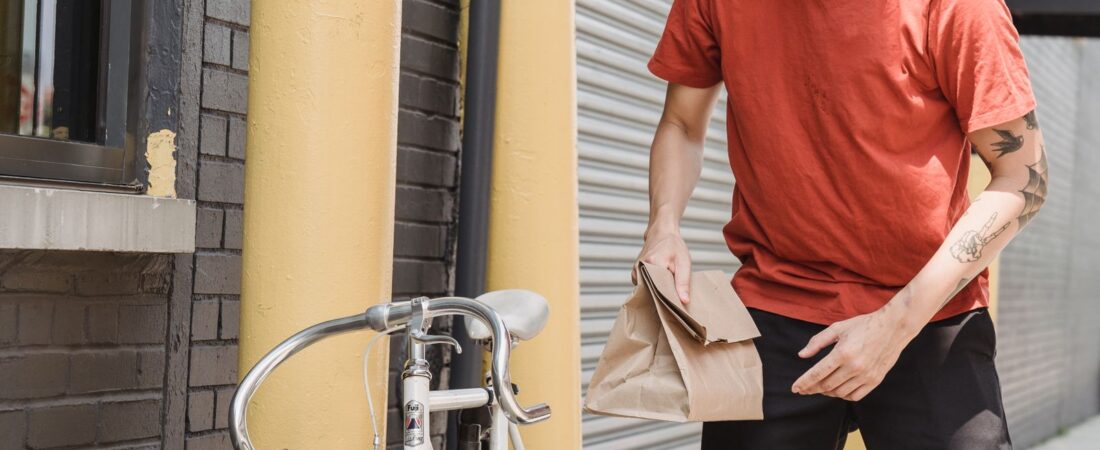

If you live within an hour of a masonry yard, you are sitting on one of the most underrated runs in the gig economy. Brick, block and paver suppliers move pallets every single weekday from March through November, and the crews they sell to are not waiting around for a courier van to show up. They need the material on site before the mason’s first course goes down. That urgency is exactly why owners of one-ton trucks and flatbeds are getting steady work in 2026 at rates that beat most food-delivery blocks.
Driver Opportunity
Want to Earn While You Read?
Join as a new driver and get up to a $2,575 guaranteed bonus after completing your first 200 deliveries in select US cities.
Start Earning Now →New drivers only · Terms apply · Available in select cities

Why Masonry Suppliers Are Leaning on Gig Drivers in 2026
A masonry yard’s whole business is moving weight. They stock brick cubes, block pallets, bulk bags of sand, mortar mix and pallets of pavers, and every order has a delivery window tied to a crew’s schedule. Historically these yards ran their own small fleet of flatbeds and dump trucks. In 2026 that model is strained: diesel and insurance costs are up, drivers are hard to hire for part-time work, and orders spike in waves whenever a subdivision or commercial shell goes vertical.
What fills the gap is owner-operators like you. Yards would rather pay a per-trip or per-pallet rate to a reliable contractor than add another truck to payroll. That is the opening. You are not replacing a freight company; you are absorbing the overflow that the yard’s own trucks cannot cover before 7 a.m.
The work is not glamorous and it is not for a sedan. But it is repeatable, it pays per load instead of per mile, and the customers are businesses that reorder every week. Once a mason knows your truck shows up at 6:30 with the right pallet, you stop bidding against fifty other drivers on an app.
What You Will Actually Haul
Before you quote a single job, know the four product families and how each one behaves on a truck. Damage claims are the fastest way to lose a week of profit.
Brick Cubes and Block Pallets
A standard modular brick weighs about 4.5 pounds. A cube of 500 bricks runs roughly 2,250 pounds before you add the pallet, and larger cubes push past 3,000. Concrete block is denser still: an 8x8x16 block is around 35 pounds, and a full pallet of 108 blocks lands near 3,800 pounds. This is where half-ton pickups get into trouble. A 1,500-pound payload rating is already exceeded with one block pallet plus a driver and a pallet jack.
Pavers and Retaining-Wall Block
A pallet of 60mm concrete pavers commonly runs 2,800 to 3,300 pounds. Retaining-wall block is heavier per square face and is usually staged in smaller pallets so a crew can place it by hand. Hardscape crews order in stages: base course first, caps last. That staging means multiple trips to the same job site over several days, which is good news for your weekly revenue.
Stone Veneer and Manufactured Stone
Stone veneer is bulky but comparatively light per box, and it is fragile. Boxes shift, corners chip, and a strap tightened too hard will crack a manufactured ledge stone. Deliveries usually go to residential addresses where the mason is working on a fireplace or a front elevation. Plan on a hand-unload unless the homeowner has a clear driveway and a flat path.
Mortar, Sand and Bagged Goods
Bagged mortar mix, type S or type N, comes on 80-pound bags stacked 42 to a pallet, so about 3,360 pounds. Bulk sand and aggregates usually arrive in super sacks that a yard will load with a forklift but that most drivers cannot unload without equipment on site. Only quote those runs if you have confirmed unloading arrangements in writing.
The Weight Math That Decides Your Pay
Most new drivers underbid because they price the trip instead of the weight. Run the numbers before you accept a load:
- Payload, not towing capacity. A three-quarter-ton truck typically carries 3,000 to 4,000 pounds in the bed. A one-ton dually is closer to 5,500 to 6,500. Trailers add capacity but change your braking, your insurance and your turning radius on tight residential streets.
- Axle and tire limits. A pallet loaded against the tailgate puts leverage on the rear axle and takes weight off the front tires. Load over or slightly ahead of the rear axle, and check your tire sidewall rating before the yard forklift sets anything down.
- DOT thresholds. Stay under 26,001 pounds gross vehicle weight rating and you avoid commercial driver’s license requirements. Cross it, even with a trailer, and the rules change fast.
- Unload equipment. A Moffett-style truck-mounted forklift changes which job sites you can serve. Without one, you are limited to sites with a forklift or a crew ready to hand-unload.
If a broker offers a flat rate for a 3,200-pound paver pallet to a site 40 minutes away, do the arithmetic on fuel, time, and the risk of a cracked pallet. A load that pays $150 but eats three hours and produces a damage claim is worse than no load at all. For more on how load type affects your real hourly, see our breakdown of box truck and hotshot freight work.
Equipment That Pays for Itself
You do not need a fleet. You need the right small kit, and it should live in the truck so you never lose a job to a missing strap.
- Four ratchet straps rated at 5,000 pounds or better and four corner protectors. Brick cubes cut straps that rub on exposed edges.
- A pallet jack for yard-to-tailgate movement, plus a sheet of plywood as a ramp when the forklift cannot reach.
- Heavy tarps and bungee balls. Dust from mortar bags and sand is a complaint magnet, and rain turns bagged mix into a solid block.
- Gloves, safety glasses and steel-toe boots. Yards require them, and a chipped paver that catches your shin ends the day.
- A load-level app or a notebook. Track per-pallet rates, fuel and wait time so you can spot the accounts that are quietly losing you money.
If your truck is due for service, do it before hardscape season, not during it. Our brake maintenance guide and tire rotation checklist cover the two systems that fail first under constant heavy loads.
Job-Site Access: Driveways, HOAs and Curbside Drops
The delivery is only half the job. The other half is getting a loaded truck into a place that was never designed for one.
New subdivisions are the easiest: wide streets, active construction, and a superintendent who expects material trucks. Custom-home remodels are the hardest. Narrow driveways, mature trees, low branches and a homeowner’s freshly sealed driveway are all reasons a mason will ask you to stop at the curb. Get that instruction in a text before you arrive so a scratched paver or a cracked drive is not your liability.
HOA communities add another layer. Some require gate codes and delivery windows; some prohibit commercial vehicles overnight. If you are delivering after 4 p.m., confirm the gate will let a flatbed through. Our guide to driving through construction zones covers flaggers, lane closures and the staging patterns crews use.

What These Runs Pay in 2026
Masonry supply work is quoted in three ways: per pallet, per trip, or hourly with a minimum. The structure matters more than the headline number.
- Per pallet: local runs commonly land between $60 and $120 per pallet depending on distance and unload difficulty. A truck that legally carries three pallets can gross $180 to $360 per run.
- Per trip: short-haul yard-to-site runs in metro markets often quote $125 to $250 for a 30 to 60 minute one-way. Longer exurban runs go higher.
- Hourly with minimum: $45 to $75 per hour with a two-hour minimum is common for contractors who need a truck on standby during a pour or a staging day.
In markets with heavy build activity, drivers running three to five days a week report gross revenue in the $1,200 to $2,400 range before fuel, insurance and maintenance. The margin is in route density: two deliveries in the same subdivision beat four scattered across three counties. Compare that with food delivery by the hour in our real earnings breakdown, and the appeal of per-pallet work becomes obvious on high-volume days.
Fuel is your largest variable cost. A loaded one-ton truck towing a trailer may drop to 9 or 10 miles per gallon. Use a fuel card or cashback app and log every fill-up, because the IRS mileage deduction only helps if you are tracking business miles properly. Empty return miles count too; our piece on dead mileage explains how to price them into a quote instead of eating them.
Building Repeat Business With Masons and Hardscape Crews
The money in this niche is not the one-off order from a homeowner. It is the standing relationship with three or four crews who call you first.
Start by introducing yourself at the yard, not online. Yard managers know which contractors are constantly short on trucks, and a business card with your payload capacity, ramp availability and phone number gets passed along fast. When you deliver, hand the foreman a card and ask what day their next stage lands. Most crews order on a predictable rhythm: block first, then brick, then caps and mortar.
Reliability beats price. A mason who has been burned by a no-show will pay $20 more for a driver who texts an ETA and arrives when promised. Answer your phone, confirm the pallet count before you leave the yard, and photograph the load on the truck and at the drop. Those photos are your defense if a claim appears two days later.
Damage Claims, Breakage and How to Protect Yourself
Pavers chip, brick corners spall, and bagged mortar tears. Some of that is unavoidable, but the difference between a $40 hit and a $400 chargeback is documentation.
- Photograph every pallet at the yard, including the shrink wrap and any visible damage before loading.
- Note the strap placement and whether corner protectors were used.
- Get a signature or a photo of the material staged at the site, not just dropped at the curb.
- Report any breakage the same day, in writing, to both the yard and the contractor.
Confirm your auto policy covers commercial use and hauling. A personal policy that excludes “delivery for hire” can deny a claim on a loaded flatbed. Our delivery driver insurance guide walks through the coverage questions to ask before your first paid load.
The Seasonal Calendar: Fall Crunch and Spring Rebound
Masonry and hardscape work follows the frost line. In the South and Southwest, crews build through the winter with short weather interruptions. In the Midwest and Northeast, the fall is a sprint to get walls, patios and veneer closed before the first hard freeze, then work drops off sharply in January and February.
That means October and November are peak earning months for paver and retaining-wall deliveries, especially in Texas, Arizona, Tennessee, the Carolinas and Florida. Spring rebounds in March when installers book patio and walkway projects for the summer. If you want steady year-round work, pair a masonry account with a winter-compatible line like heating fuel and firewood delivery or equipment hauling.
Getting Started This Week
You can test this niche without quitting anything. Here is the short version:
- List your truck’s actual payload, bed length and whether you have a trailer or lift.
- Call or visit three masonry and hardscape yards within 30 miles and ask who handles overflow deliveries.
- Set a per-pallet rate that covers fuel, time and a damage reserve; do not quote per mile for local work.
- Buy the strap, tarp and pallet-jack kit before your first load.
- Deliver one job flawlessly, then ask the foreman for the next stage.
Three steady accounts will outperform a week of chasing food-delivery surges, and the work is predictable enough to plan around. Treat it like a small trucking business from day one: quote by weight, document every load, and answer the phone.
Driver Opportunity
Ready to Start?
Turn This Guide Into Real Income. Join as a new driver and get up to a $2,575 guaranteed bonus after completing your first 200 deliveries in select US cities.
Sign Up & Start Delivering →New drivers only · Terms apply · Available in select cities