


November hits and suddenly your car is a moving target. You’re carrying more orders, parking in busier lots, and working longer hours than any other time of year — and thieves know exactly what that looks like from the outside. A DoorDash bag on the seat, a stack of Instacart totes in the back, a thermal bag visible through the window. That’s not just cargo to a smash-and-grab crew — that’s a payday that takes about eight seconds to grab.
Driver Opportunity
Want to Earn While You Read?
Join as a new driver and get up to a $2,575 guaranteed bonus after completing your first 200 deliveries in select US cities.
Start Earning Now →New drivers only · Terms apply · Available in select cities
This guide is not about whole-vehicle theft or porch piracy after drop-off. Those are covered elsewhere. This is specifically about theft from your vehicle while you’re actively working — a smashed window, a grabbed bag, a cargo theft while you’re walking up a driveway during the busiest 60 days of the year. Here’s what actually happens, what you can do about it, and how to keep your earnings intact if it does go wrong.
Why Q4 Is Prime Time for Driver Break-Ins
The math is simple from a thief’s perspective. During the holiday peak, delivery vehicles are everywhere, they’re loaded, and drivers are distracted. You’re rushing between stops, your hands are full, and you’re in unfamiliar neighborhoods following a GPS. You might leave the car running for 45 seconds while you sprint to a door. That’s enough time.
The Volume Problem
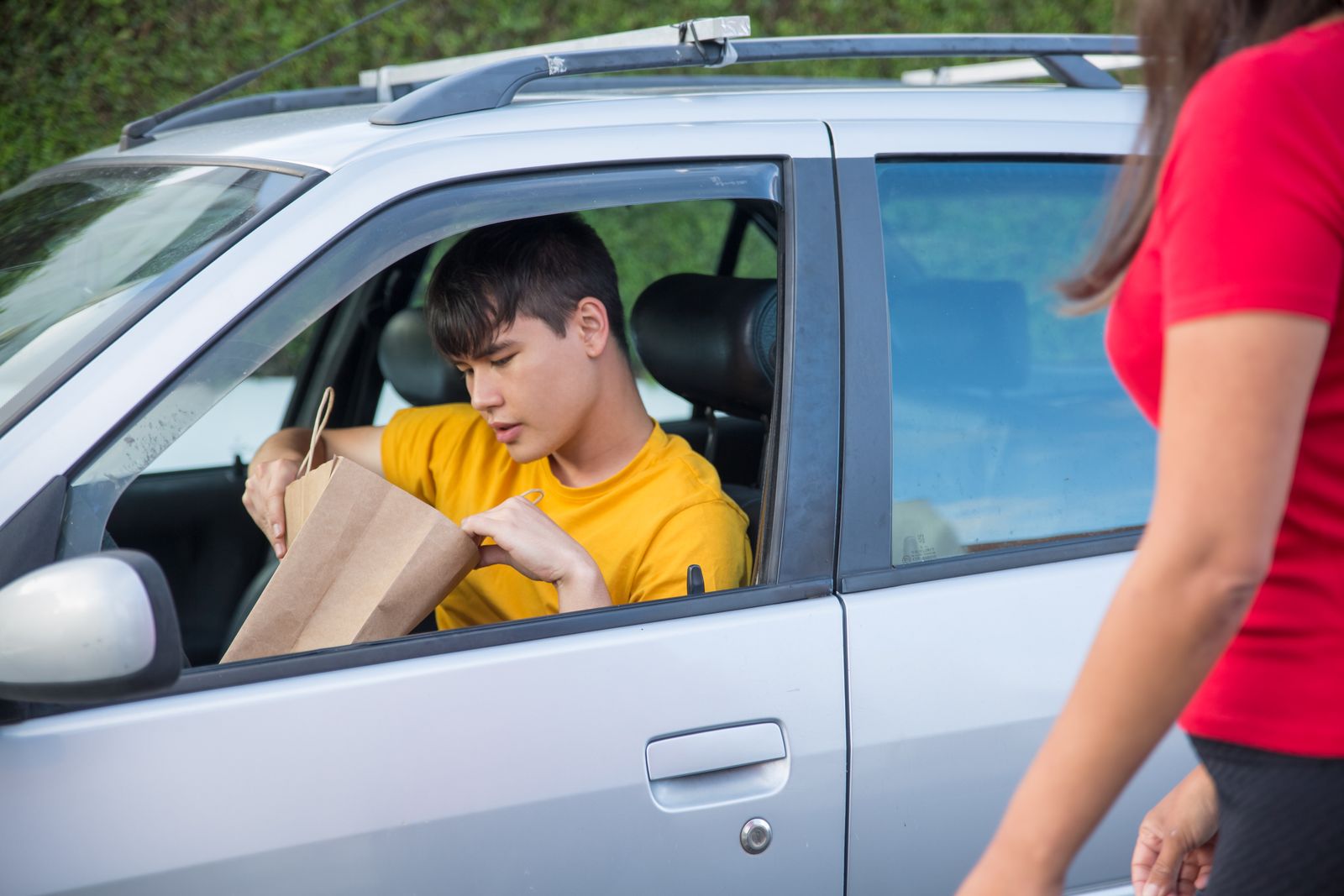
During a normal Tuesday in September, you might carry four or five DoorDash orders across a three-hour block. During a Black Friday or Cyber Monday rush on Instacart or Amazon Flex, you could have $400 to $600 worth of merchandise in your back seat at once — electronics, groceries, gift sets, alcohol. The load-up is bigger, the orders are heavier, and the value visible through your window is higher than any other time of year.
The Parking Problem
Holiday deliveries push you into retail corridors and apartment complexes you wouldn’t normally work. Mall parking lots. Big-box store zones. Dense urban residential blocks where every spot is taken and you’re double-parking or leaving your car on a side street you don’t know. These are higher-theft environments than the suburban routes many drivers prefer during slower seasons.
The Daylight Problem
Ironically, holiday peak breaks happen in broad daylight more often than you’d expect. Smash-and-grab crews work fast in high-foot-traffic areas precisely because bystanders assume someone else will act. Many drivers report that their break-ins happened between noon and 6 PM — not in the middle of the night.
What Thieves Are Actually Targeting
Understanding what they want helps you stop making it easy to get. A crew doing drive-bys through a shopping district isn’t looking for your personal belongings — they’re doing a quick visual inventory of every car.
Visible Bags and Totes
Delivery bags are a billboard. A DoorDash red bag, a bright blue Instacart cooler, or an Amazon Flex tote sitting on your back seat tells a thief exactly what you do for a living and that there’s something in those bags worth taking. Even an empty thermal bag signals that you’ll be back with a full one shortly.
Electronics and Accessories
Phone mounts, dash cams, portable chargers sitting on the seat, tablets running dispatch apps — all of it is grab-worthy. Thieves who’ve done this before know that gig drivers tend to have multiple devices running. A phone left on the seat while you do a 60-second walk-up is an easy score.
Cash and Gift Cards
Some drivers carry cash tips, change, or even restaurant gift cards for promos. During holiday promotions, some platforms run incentive structures that involve physical gift cards or cash bonuses. Keep none of that visible in your vehicle.
Prevention: What Actually Works
You’ve probably seen the generic advice — don’t leave valuables visible, lock your car. That’s true but not enough. Here’s what experienced drivers actually do during peak season.
The One-Trip, One-Bag Rule
Whenever possible, only take what you need for the current delivery into your hands. If you’re doing a stacked order and can only deliver one at a time, the second order stays in the trunk — not the back seat. Out of sight genuinely does reduce smash-and-grab risk because opportunistic thieves are doing visual sweeps, not deep searches.
Cargo Covers and Trunk-First Loading
A cargo cover for your SUV or hatchback is one of the best low-cost investments you can make before the holiday season. Retractable covers cost $30 to $80 for most vehicles and make your cargo compartment look empty from outside. If you drive a sedan, loading everything into the trunk — even if it’s inconvenient — dramatically reduces window breaks. Thieves break windows they can see through, not trunks they can’t assess.
Never Leave the Car Running
It sounds obvious but during a cold November night, leaving the heat running while you do a quick drop is tempting. A running, unlocked car is an invitation to vehicle theft — and even if the thief only wants the bags, they now have your car too. This is covered in depth in the winter vehicle theft prevention guide, but it’s worth repeating here: the extra 20 seconds to lock up is always worth it.
Strategic Parking During Stops
Where you park for a 60-second drop-off matters more than most drivers realize. Back your car against a wall or barrier when possible — it makes the trunk inaccessible and limits approach angles. Park under lights, even during the day, because well-lit areas are psychologically deterring. Avoid parking facing away from foot traffic so you can glance back at your car during the walk-up.
Dash Cam With Parking Mode
A dash cam with parking mode and motion detection serves two purposes: deterrence and evidence. Many smash-and-grab crews will pass on a vehicle with a visible camera because the risk-reward calculation changes. If they do break in, the footage is your best tool for a police report and insurance claim. Front-and-rear dual-channel cameras with a hardwire kit are the preferred setup for full-time drivers — the investment typically runs $80 to $200 depending on the model, and it pays for itself the first time you need to file a claim.
Bag Discipline Between Stops
Between orders, collapse your delivery bags and store them under a seat or in the trunk. A flat, empty-looking bag on the floor is far less attractive than a full one on the back seat. Some drivers keep a plain reusable grocery bag to conceal their thermal bag while in transit — it sounds minor, but removing the branded delivery bag from view removes the clearest visual signal that you’re a delivery driver.
If It Happens: The First 30 Minutes Matter
A break-in mid-shift is disorienting. You come back to your car, see the glass, and your first instinct might be to call dispatch or just keep going. Don’t. The decisions you make in the first half hour determine what you can recover financially.
Document Everything Before You Touch It
Photograph the damage before you move anything. Photo the broken window, the interior, what’s missing, the surrounding area, any glass on the ground. If there’s a surveillance camera on a nearby business or building, note its position — that footage is usually overwritten within 24 to 72 hours, so the police need to know about it immediately.
File a Police Report the Same Day
A police report number is required for virtually every insurance claim, platform reimbursement request, and cargo insurance filing. File it in person if you can — it carries more weight than a phone report in many jurisdictions, and some insurers will push back on phone-only reports. Keep the report number and the responding officer’s name in a note on your phone.
Notify the Platform
Each platform has a different process for stolen orders. For DoorDash, Uber Eats, and Grubhub, contact support immediately through the app. Explain what happened, provide the police report number, and document which specific orders were stolen. Some platforms will mark those orders as undelivered and handle the customer-side refund without penalizing your completion rate — but you typically have to request this explicitly and provide documentation. Waiting even a few hours can complicate the process because the customer has already been charged and may have flagged the order as missing.
Notify Your Insurer
Call your auto insurer the same day. Cargo theft from a vehicle is typically covered under comprehensive auto insurance, subject to your deductible — but the specific coverage depends heavily on whether you have a commercial rider or rideshare endorsement. Standard personal auto policies often exclude losses that occur while the vehicle is being used for commercial purposes. This is a critical gap that many drivers don’t discover until they’re filing a claim. The delivery driver insurance coverage gap guide covers this in detail — read it before peak season, not after.
Insurance and Cargo Claims: What You’re Actually Entitled To
This is where most drivers leave money on the table. The insurance landscape for gig delivery is fragmented and confusing, but it’s navigable if you know what to ask for.
Personal Auto Insurance and the Commercial Use Exclusion
Most standard personal auto policies include language that excludes coverage for vehicles being used for commercial hire. When you’re actively on a delivery — from the moment you accept an order to the moment you complete it — many insurers classify your vehicle as operating commercially. That means a window break during an active delivery could be denied under your personal policy if you haven’t disclosed your gig work and added the appropriate endorsement.
Platform-Level Coverage
Platforms vary significantly in what they cover and when. Some provide limited contingent liability coverage that only kicks in during active deliveries. Very few platforms cover the driver’s physical vehicle damage or personal property losses. Read your platform’s terms carefully and don’t assume platform coverage replaces your own insurance — in most cases it doesn’t. For a full breakdown of what’s available and what’s missing, the cargo insurance guide for delivery drivers is worth reading before Q4 hits.
Rideshare and Delivery Endorsements
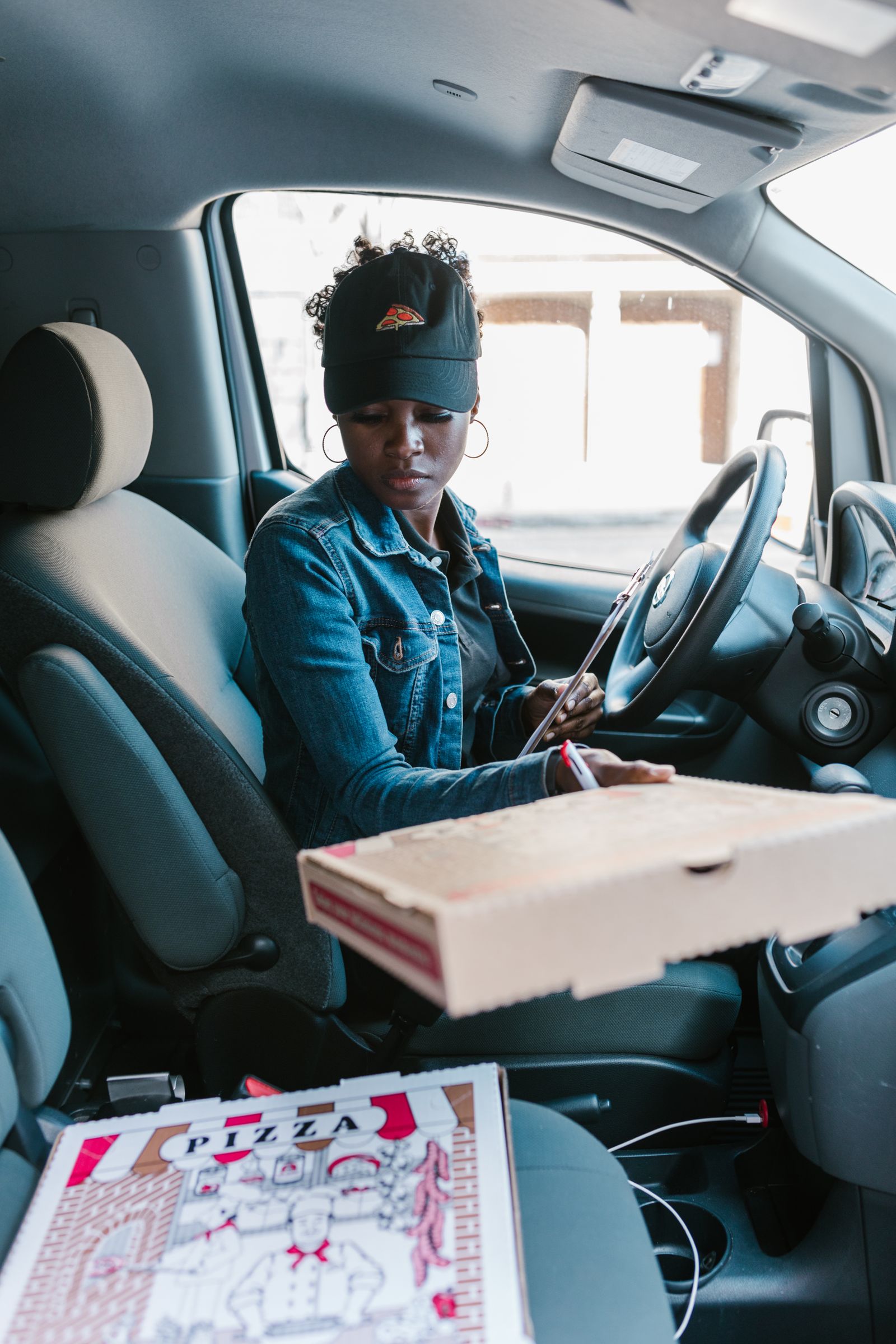
Several major insurers now offer delivery driver endorsements that extend your personal policy to cover commercial use. These typically add $15 to $40 per month to your premium and can be the difference between a covered claim and a denied one. If you’re doing more than 10 hours per week of delivery work, this endorsement is essentially mandatory — not optional.
Cargo Insurance as a Separate Product
Some platforms, particularly those in the grocery and retail space, work with third-party cargo insurance providers that cover the value of goods in transit. This is separate from your auto insurance and covers the merchandise itself — not your vehicle. If you’re doing high-value Instacart or Spark orders regularly, check whether your platform has a cargo protection program, and if not, look into standalone cargo insurance products built for independent contractors.
Keeping Your Earnings Stable After a Loss
A smash-and-grab mid-shift doesn’t just cost you the stolen items — it costs you hours while you deal with the aftermath, potentially days if the car needs a window repair before you can drive in rain, and momentum during the highest-earning window of the year.
Emergency Window Repair Options
Mobile auto glass services can often come to your location same-day or next-day, which is faster than scheduling through a shop. Many comprehensive policies cover glass replacement with no deductible — check your policy before you pay out of pocket. If you’re waiting for repair and need to keep working, a temporary window cover kit (available at most auto parts stores for under $20) can get you through a shift in dry weather, though obviously not in rain.
Short-Term Platform Switching
If your car is out of commission for a day or two, consider pivoting to delivery types that allow you to use a rental or a different vehicle. Some platforms allow you to update your vehicle on the app quickly. Renting for one or two peak days during holiday season can still be net positive if the hourly earnings are strong — run the numbers before you assume it’s not worth it.
Documenting the Financial Loss
Keep records of every earnings hour you miss due to the break-in. If the theft was enabled by another party’s negligence — say a property owner failed to maintain lighting in a lot where theft is well-documented — that’s potentially a civil claim. This is a long shot, but drivers who document thoroughly have more options than those who don’t. Your police report, your platform earnings history, and your time records are the foundation of any such case.
The Psychological Side
Getting hit once makes you gun-shy about parking, makes every stop feel riskier, and can genuinely affect your earnings if it slows you down. Talk to other drivers in your market — many of them have been through it, and local knowledge about which lots and neighborhoods have higher incident rates is some of the most useful intel you can get. Subreddits and local Facebook groups for drivers in your city are worth monitoring during peak season.
Building a Holiday-Season Security Routine
The drivers who come through Q4 without incident aren’t lucky — they’ve built habits that make them consistently lower-risk targets than the next car over.
The Pre-Shift Checklist
Before your first order every shift: confirm your dash cam is recording and has space on the SD card. Confirm your delivery bags are stored out of sight when empty. Confirm your personal items — wallet, spare phone, charging cables — are out of view or in the glovebox. It takes 90 seconds and becomes automatic after a week.
Neighborhood Situational Awareness
When you arrive at a new stop, do a quick scan before you get out. Is there loitering near your car’s parking spot? Is the lot poorly lit? Is there an alley or blind corner adjacent to where you’re parking? These are quick calls that take seconds and can redirect you to a slightly better spot 50 feet away. It’s not paranoia — it’s the same spatial awareness that experienced drivers in any field develop over time.
Community Intel and Platform Forums
Your best source of real-time theft intelligence is other drivers. When a shopping center or apartment complex becomes a hotspot, that information travels fast through local driver communities. The holiday peak season playbook covers how experienced drivers optimize their entire Q4 strategy — including which zones to avoid and how to manage volume without burning out. Pair that strategic view with on-the-ground intel from your local driver network and you’ll be making smarter decisions than most.
What to Do When You Feel Unsafe
If you arrive at a drop zone and something feels wrong — the address doesn’t match the building, there are people nearby behaving suspiciously, or you just have a gut feeling — you are allowed to cancel or reassign the order. Your safety is not worth any delivery fee. Document what you observed, report it through the platform if the situation seems like it could be part of a scam (stolen card orders with unusual pickup or drop-off instructions are a known vector — the driver scam guide covers how these work), and move on.
What to Know About Accident vs. Theft Claims
Some drivers aren’t sure how to categorize a break-in with the insurer — is it a theft claim or something else? A smash-and-grab where your window is broken and cargo is taken is a theft claim under comprehensive coverage (not collision). It won’t affect your collision history in the same way an at-fault accident would, but comprehensive claims can still affect your rates depending on your insurer and how many claims you’ve filed. If you’re in a situation involving vehicle damage from an incident that’s more complex — say a confrontation that became physical — you may need to treat it differently. The driver accident guide has a step-by-step process for handling vehicle incidents that also applies to theft-related damage documentation.
Driver Opportunity
Ready to Start?
Turn This Guide Into Real Income. Join as a new driver and get up to a $2,575 guaranteed bonus after completing your first 200 deliveries in select US cities.
Sign Up & Start Delivering →New drivers only · Terms apply · Available in select cities
The holiday peak is the best earning window of the year for most delivery drivers, and a break-in shouldn’t derail it. Build the habits before December, know your insurance situation now, and have the documentation process ready before you need it. If you haven’t checked your auto policy for the commercial use exclusion and added a delivery endorsement, do that this week — not after you file your first claim.