


If you have been delivering in tourist towns, ski resorts, or beach communities and wondering why some of your best orders come from rental properties, here is what is happening: the vacation rental market is quietly becoming one of the most driver-friendly niches in the gig economy. Guests arrive tired, hungry, and with no idea where the nearest grocery store is. Hosts need supplies restocked between bookings. Property managers need errands run at odd hours. And none of them are interested in doing it themselves.
In August 2026, Airbnb reported its Q2 2026 earnings and officially announced the expansion of Airbnb Services to include grocery delivery, car rentals, airport pickups, and luggage storage. That is not a minor product tweak — that is one of the world’s largest hospitality companies putting its name behind the exact work gig drivers already do. The platform-backed signal is clear: vacation-rental guest deliveries are a growing, legitimized market. Drivers who figure this out now are going to have a real edge heading into fall and holiday season.
This guide covers how to find vacation rental delivery work, which US cities are the best hunting grounds, how to handle the unique logistics of these properties, and how the money — and the tips — actually shake out.
The Vacation Rental Delivery Boom Is Real in 2026
The numbers behind this market are not small. The global vacation rental market is estimated at $109.4 billion in 2026 (StayFi VRM Insider, April 2026). Airbnb alone has more than 9 million active listings worldwide, 5 million-plus active hosts, and has logged over 2 billion cumulative guest arrivals. That is not a niche — that is a massive, distributed lodging industry with no room service, no bellhops, and no concierge desk.
On the demand side, EU short-stay guests spent 951.6 million nights through Airbnb, Booking.com, and Expedia in 2025, up 11.4% versus 2024 (Eurostat). While that figure covers European markets, it reflects a global trend: vacation rental demand keeps growing and US occupancy is rebounding through late 2026, with booking windows for fall and holiday rentals filling up well in advance. Every one of those occupied nights is a household of guests who need groceries, supplies, and occasionally someone to haul their bags.
What makes this particularly valuable for delivery drivers is the concentration effect. Vacation rentals cluster in specific zip codes — lakefronts, mountain towns, beach communities, urban tourist corridors. If you position yourself in these zones during peak booking periods, you are not fishing in random water. You are casting into a stocked pond.
What Vacation Rental Guests and Hosts Actually Order
The order types from vacation rental addresses fall into a few clear categories, each with different earning dynamics.
Guest Grocery Runs
This is the highest-volume category. Guests arrive at a vacation rental with an empty refrigerator and no local knowledge. Whether it is a family of five settling into a Gatlinburg cabin for a week or a couple doing a long weekend in Palm Springs, the first-night grocery run is nearly universal. They need breakfast food, snacks, drinks, coffee, and whatever they plan to cook that first evening. These are full Instacart or Shipt carts — not quick convenience orders. Expect large batches, heavier bags, and better base tips.
Hosts also place grocery and supply orders between guest check-outs and check-ins. Restocking the welcome basket, replacing dish soap and paper towels, swapping out coffee pods, replenishing cleaning supplies. Host restocking orders tend to arrive mid-week and mid-morning during turnover cleaning windows.
Late Check-In Essentials
Guests arriving after 8 or 9 PM often have very specific needs. They could not stop anywhere on the drive in. The property is in an area with no walkable options. They need baby formula, ibuprofen, wine, snacks, or something that is not a gas station hot dog. Late-night essential orders from vacation rental addresses on DoorDash or Uber Eats frequently come with outsized tips because the guest is genuinely grateful someone will come out that far, that late.
Supplies and Non-Food Items
Charcoal for the grill the host did not stock. Pool floats. Sunscreen. A portable speaker to replace the one they forgot at home. Guests at vacation rentals are in spending mode, and they will order almost anything through delivery apps rather than spend an hour of vacation time driving to a Walmart. For drivers on Spark or running Amazon Flex blocks in tourist markets, these non-food orders are common and typically come with solid tips.
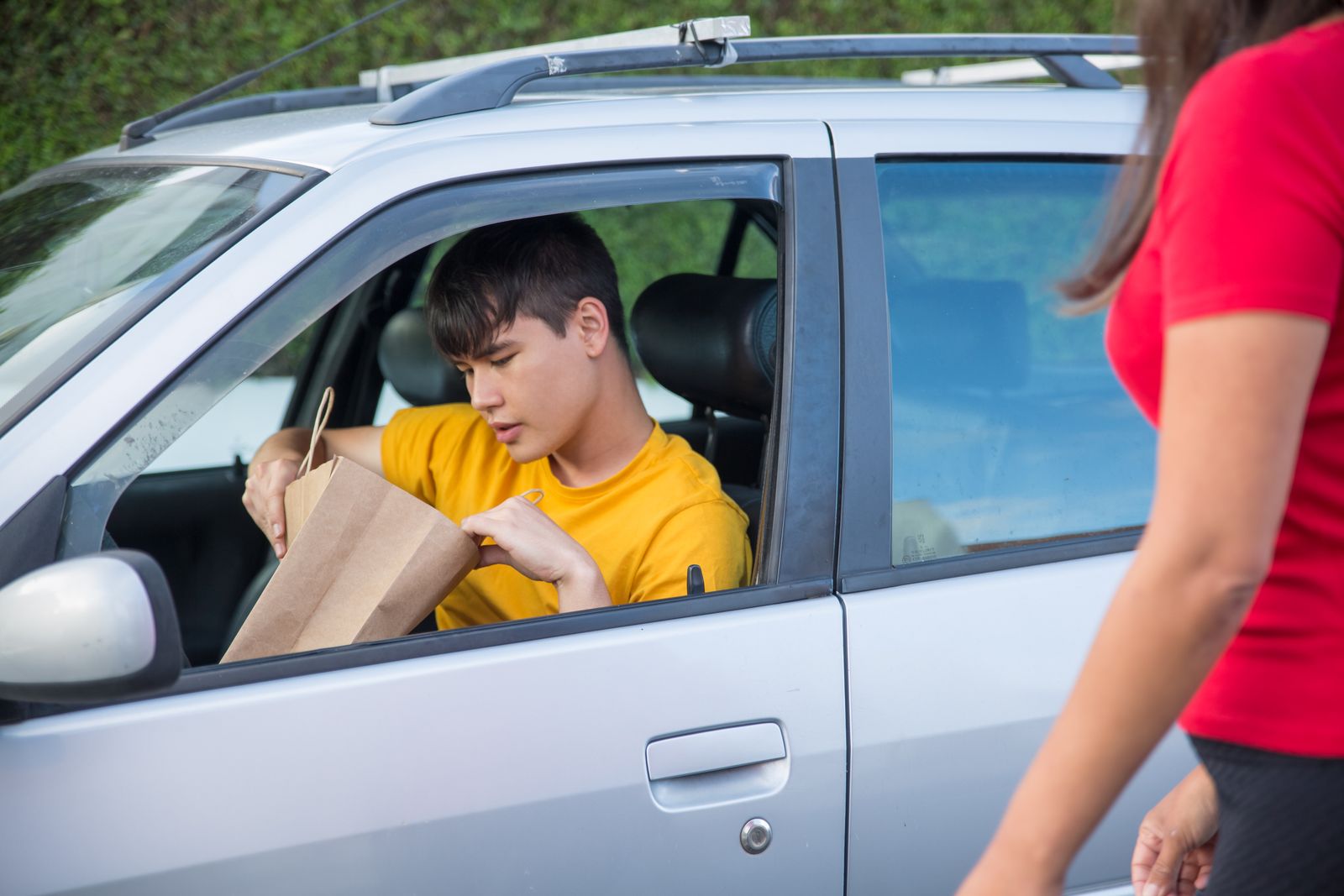
For a direct look at how grocery delivery pays versus food delivery in these markets — which matters when you are deciding which apps to prioritize — see our full breakdown: grocery delivery vs. food delivery in 2026: which pays more.
Large-Item and Luggage Runs: Where the Real Money Is
Here is the category most drivers completely overlook: large-item and luggage delivery to vacation rental properties. This is where the hourly math gets seriously interesting.
Guests flying into Nashville, Orlando, or Scottsdale do not want to haul golf bags, ski gear, or oversized luggage in a rideshare. Families renting a Gatlinburg cabin for Thanksgiving need an air mattress, a pack-n-play, and extra folding chairs delivered before everyone arrives. VRBO guests in Asheville want a case of local craft beer dropped at the property before check-in. Some of these runs require a van or pickup truck — which is exactly where Dolly and GoShare come in.
Both platforms have active markets in major US tourist cities and pay by the job rather than by the mile. Large-item jobs in tourist-heavy markets can hit $80–$150 for a single delivery under two hours. If you have access to a truck or cargo van, this is one of the highest-ROI plays in vacation rental delivery. Get the full breakdown at large-item delivery apps: Dolly and GoShare in 2026.
Some property management companies and concierge services in high-volume markets also contract directly with local drivers for guest luggage runs and large-item delivery. This kind of direct client relationship — pursued via email or phone, not through an app — can result in steady repeat work that is entirely off-algorithm.
How to Find Vacation Rental Delivery Work
There is no single platform that owns this market. The work comes from multiple channels, and drivers making the most in vacation rental zones are running several approaches at once.
Standard Delivery Apps
Instacart and Shipt are the primary grocery plays. If you are active in a market with high vacation rental density, you will naturally pick up guest grocery orders without doing anything special beyond showing up in the right zip codes at the right times. DoorDash, Uber Eats, and Spark handle restaurant orders, late-night essentials, and convenience runs. Pay attention to which addresses keep coming up as vacation rentals — those clusters are your money zones, and knowing them gives you an edge over drivers navigating blind.
Direct Host Outreach
This takes more front-end effort but can produce recurring income that does not depend on app algorithms. Some Airbnb Superhosts managing multiple properties want a reliable local driver they can text for turnover supply runs and guest requests. Find local hosts through Airbnb searches in your area, local Facebook groups for short-term rental owners, or Nextdoor in neighborhoods where vacation rentals cluster. The pitch is simple: you are a local driver who handles grocery runs, supply pickups, and guest errands for vacation rental properties. Include your availability, your approximate rate, and a mention of your delivery platform ratings as a trust signal.
Property Manager Partnerships
In markets like Gatlinburg, Scottsdale, Palm Springs, and Cape Cod, professional property management companies oversee dozens or hundreds of short-term rental units. These companies have consistent restocking needs between every guest turnover: toilet paper, soap, coffee pods, paper towels, welcome basket items, cleaning supplies. A single property management company with 80 properties in rotation can send you multiple supply runs per week on a predictable schedule.
Find property managers through local Chamber of Commerce directories, Airbnb’s professional co-host section, VRBO partner programs, or a Google search for vacation rental management companies in your city. Approach them like any small business client: a simple one-page rate sheet, your availability window, and a clear value proposition — you are local, reliable, and can turn around a supply run same-day.
Concierge Services and Guest Experience Platforms
In higher-end vacation rental markets — Lake Tahoe, Asheville, ski towns in Colorado and Utah, the Outer Banks — concierge services that handle guest experience logistics are increasingly common. Companies running these services often contract local independent drivers for grocery pre-stocking, welcome basket assembly, and on-call errand runs. Getting onto an approved vendor list for even one concierge service in a high-value market can be worth more than dozens of cold app orders per week. Research which concierge companies operate in your area and reach out directly.
Navigating Gate Codes, Long Driveways, and Remote Properties
Vacation rental properties have access challenges that go well beyond what you encounter delivering to apartments or suburban houses. If you are not prepared, you will burn time and frustrate customers who are already in an unfamiliar place and relying on you to figure it out.
Gate codes: Many vacation rental communities in Scottsdale, Palm Springs, and Florida resort areas are gated. The guest usually has the code but does not always include it in delivery instructions. Check instructions carefully before accepting a delivery to an unfamiliar area, and if no gate code appears for what looks like a gated address, text the customer before you arrive — not after you are already sitting at the gate. This challenge maps directly to what you face at gated apartment complexes, and the same strategies apply. Our guide to apartment gate codes and access strategies has tactics that transfer directly to vacation rental properties.
Long driveways and remote locations: Cabin rentals in the Smoky Mountains, lake houses on rural Tennessee or Missouri lakes, and coastal properties on Cape Cod often sit at the end of long, sometimes unpaved driveways. Your GPS may not know the exact drop location. Ask for the full address plus any GPS coordinates or arrival notes the host provides to guests — most rental listings include detailed directions. When in doubt, call ahead rather than discovering the problem on arrival.
Multi-unit properties: Some vacation rental addresses have a main house and a detached guest studio or garage apartment. Make sure you know which unit your customer is in. A quick proactive text when you pick up the order asking which door to use saves significant confusion on arrival and reads as professional to a guest who may not yet know their own surroundings.
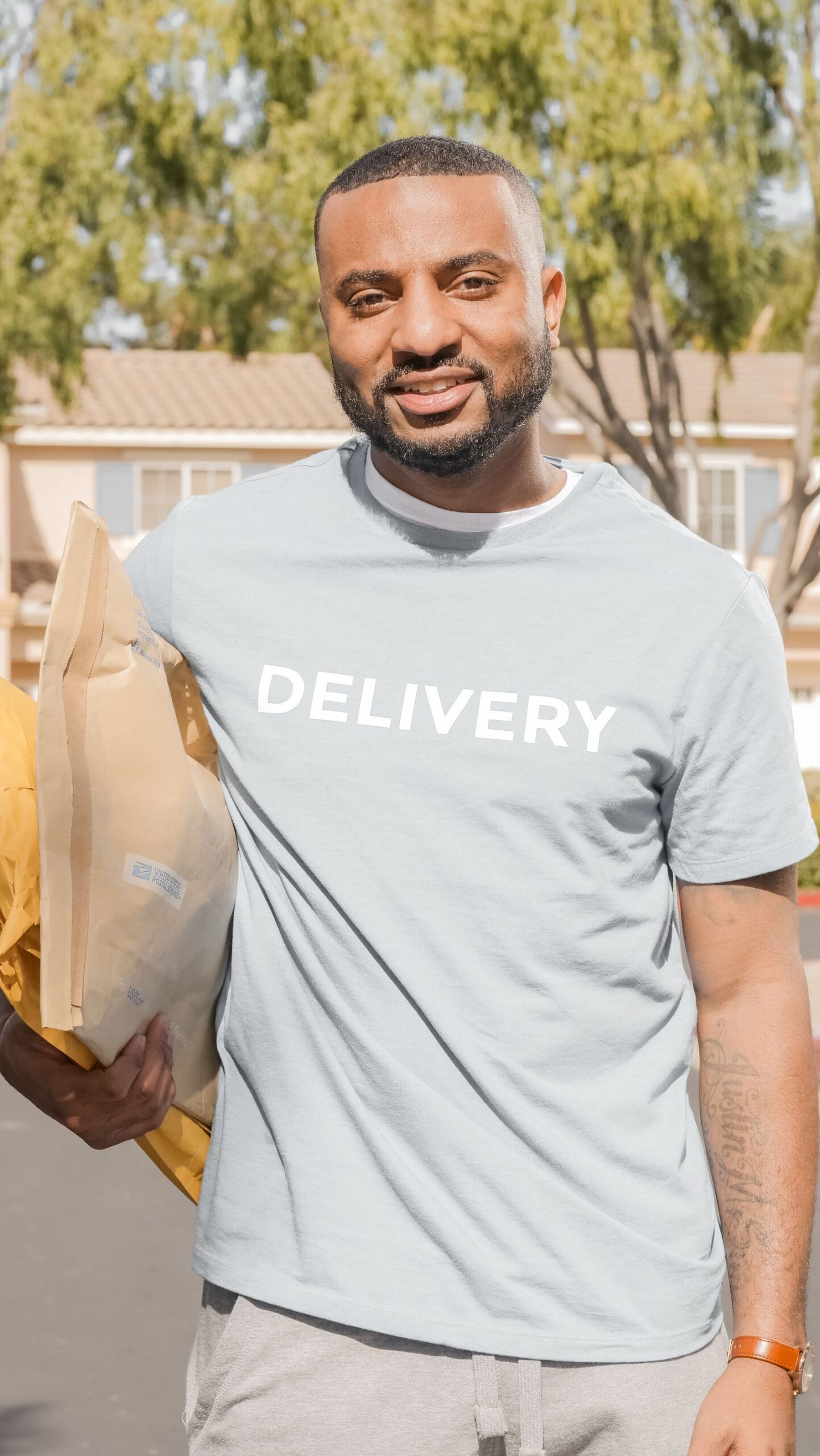
If you are working in resort areas where vacation rentals and hotels share the same neighborhoods — Orlando, Scottsdale, Lake Tahoe — the access and navigation mindset for hotel deliveries transfers directly. Our hotel delivery tips guide for 2026 covers the mental model for temporary-stay property logistics that is worth reading alongside this one.
When to Show Up: Peak Seasons for Vacation Rental Deliveries
Timing matters enormously in this niche. Vacation rental markets do not have the same steady daily demand as urban food delivery. They spike hard around specific windows and go quiet between seasons. Here is where to focus through the rest of 2026.
Fall Leaf-Peeping Season (September through October 2026)
Asheville, Gatlinburg, the Berkshires, Vermont towns, and western North Carolina are magnets for fall travelers. Cabin and mountain house rentals in these areas fill weeks in advance for the September through October leaf-peeping window. Guest grocery orders spike on Friday and Saturday afternoons as new arrivals settle in. If you are positioned in any of these markets during peak fall weekends, you are operating in a genuine driver’s market — demand is high, tips run generous, and knowing the area is a real competitive advantage. For a full strategy guide, see our fall leaf-peeping delivery driver guide for 2026.
Holiday Rental Season (November through December 2026)
Thanksgiving and Christmas are two of the biggest booking windows in the vacation rental calendar. Families renting houses to gather for the holidays instead of cramming into one person’s home is a trend that accelerated sharply after 2020 and has not reversed. These holiday rental guests stay longer, spend more per trip, and order more food and supplies than almost any other rental segment. A family of twelve in a Nashville Airbnb for Thanksgiving week will order groceries multiple times, order takeout at least twice, and need someone to bring wine and additional supplies the afternoon before the main event. For a full look at the holiday delivery surge, see our holiday peak season delivery jobs guide for 2026.
Year-Round Markets Worth Knowing
Not every vacation rental market is seasonal. Several US cities maintain near-constant short-term rental demand that generates consistent delivery work year-round:
- Orlando, FL: Theme park tourism is year-round. Families rent vacation homes near Disney and Universal instead of hotels, and grocery orders from these properties are constant. Pool supply and activity gear orders spike in spring and summer.
- Scottsdale and Phoenix, AZ: Winter snowbird season (October through April) drives heavy short-term rental demand. Weeks around Barrett-Jackson, the WM Phoenix Open, and spring training events push demand further with guests who tip well.
- Austin, TX: SXSW, ACL Fest, Formula 1, and a dense calendar of major events make Austin a year-round vacation rental market. Weekend short-term rental density in central Austin rivals most beach towns.
- Nashville, TN: Bachelorette party capital of the US, and reliably busy fifty-two weeks a year. Weekend vacation rental demand is consistent and these groups are known for generous tipping.
- Ski towns (Park City UT, Vail CO, Breckenridge CO, Mammoth CA): Peak December through March, but fall and spring shoulder seasons are increasingly popular for cabin stays and hiking trips that generate their own grocery runs.
Tipping at Vacation Rentals: What to Expect and How to Maximize It
Vacation rental guests tip better than average, and the reasons are not complicated. They are on vacation — in spending mode, often celebrating something. They do not have a car readily available or do not want to use it. They are grateful someone drove 25 minutes to a remote cabin to bring them groceries. And in many cases, they are splitting the delivery cost across a group, which makes the tip feel smaller per person than it looks at the point of entry.
In practice, drivers reporting from markets like Lake Tahoe, Gatlinburg, and Cape Cod consistently see vacation rental orders averaging $5–$15 higher in tips than comparable orders to residential addresses in the same market. Long-distance drops to remote properties occasionally come with tips in the $20–$40 range when the guest is genuinely grateful for the effort.
Proactive communication consistently improves those numbers. Texting the customer when you pick up the order — asking about gate codes, which entrance to use, or whether they need you to leave the order at a specific spot — is not just logistically useful. It signals professionalism, and guests at vacation rentals are primed to reward that. Keep your platform ratings strong going into peak season: on most apps, higher ratings correlate with being routed larger, higher-tip orders first.
Tax and Expense Notes for the 1099 Driver Working Vacation Rental Markets
If you are doing meaningful volume in vacation rental markets, a few tax realities are worth knowing before you file.
Mileage to Remote Properties
Every mile you drive from pickup to a remote cabin counts toward your mileage deduction. So does every mile you drive back to your zone after the drop. In markets where vacation rentals are spread across a wide geographic area — the Smoky Mountains, the Lake Tahoe basin, Cape Cod’s bay side versus ocean side — your tracked mileage per delivery will be significantly higher than urban gig work. That is a deduction you do not want to miss. Track every mile with a dedicated app: Stride, MileIQ, and Gridwise all work well for gig drivers.
Dead mileage — the repositioning miles you drive without a paying order — is also deductible. In vacation rental markets, you may deadhead more than usual when returning from remote properties to your main zone. Every one of those miles has value at tax time. For a full breakdown of how dead mileage affects your actual net earnings, see our guide on dead mileage for delivery drivers in 2026.
Equipment Deductions
If you are doing large-item or luggage runs through Dolly, GoShare, or direct client arrangements, any equipment you purchased to support that work — hand trucks, furniture pads, tie-down straps, cargo nets — is deductible as a business expense. Insulated delivery bags used for grocery runs to properties far from the store are also deductible. Keep receipts and track purchases by category throughout the year rather than trying to reconstruct them in April.
Self-Employment Tax Reality
As a 1099 gig driver, you pay self-employment tax — 15.3% on net self-employment income — in addition to regular income tax. The higher tip income you are collecting from vacation rental deliveries is fully taxable. The IRS expects quarterly estimated payments if your annual tax liability exceeds $1,000. Set aside 25–30% of gross delivery income throughout the year. Do not wait until April to discover the math does not work in your favor.
One more point worth being clear about: if you are doing private arrangements directly with property managers or hosts and getting paid via Venmo, cash, or Zelle for grocery runs and supply errands, that income is still fully taxable and must be reported. Off-app does not mean off the IRS radar. Keep a simple log of every private transaction — date, client, service, amount — and make it part of your regular recordkeeping from day one.
The vacation rental delivery niche rewards drivers who show up prepared, know their market, and approach this like a business. The guests are there, the demand is growing, and with Airbnb formally integrating grocery delivery into its platform in 2026, the channel is only going to get more mainstream. Get positioned in the right markets now, before every driver in your area figures it out.
Ready to Cash In on Vacation Rental Deliveries?
Join thousands of drivers already earning – and get a $2,575 guaranteed bonus after completing your first 200 deliveries in select US cities.
New drivers: Sign up through our partner link and start earning today!
Sign Up for Uber Eats and Start Delivering →
Must be 18+. Background check required. Terms apply.